Aman vs Six Senses vs Rosewood in Southeast Asia 2026: The Luxury Brand Comparison
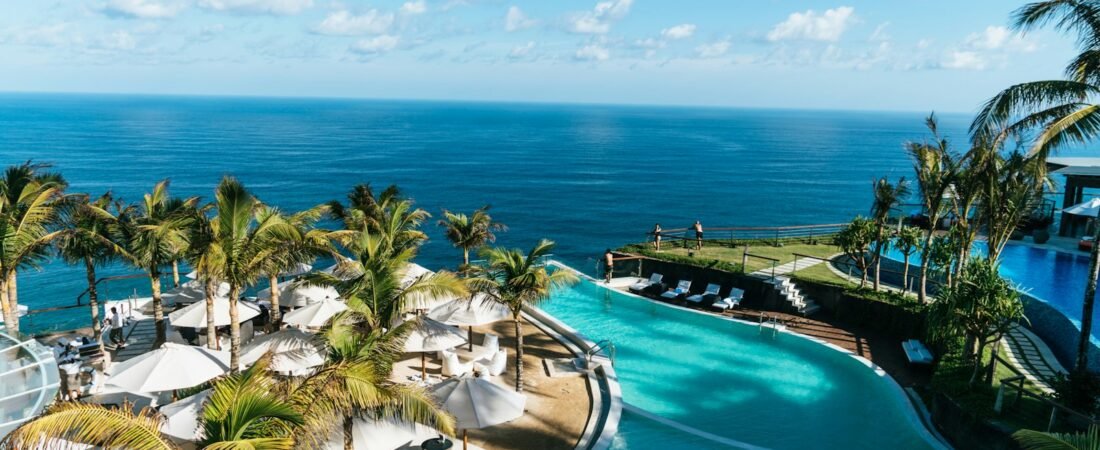
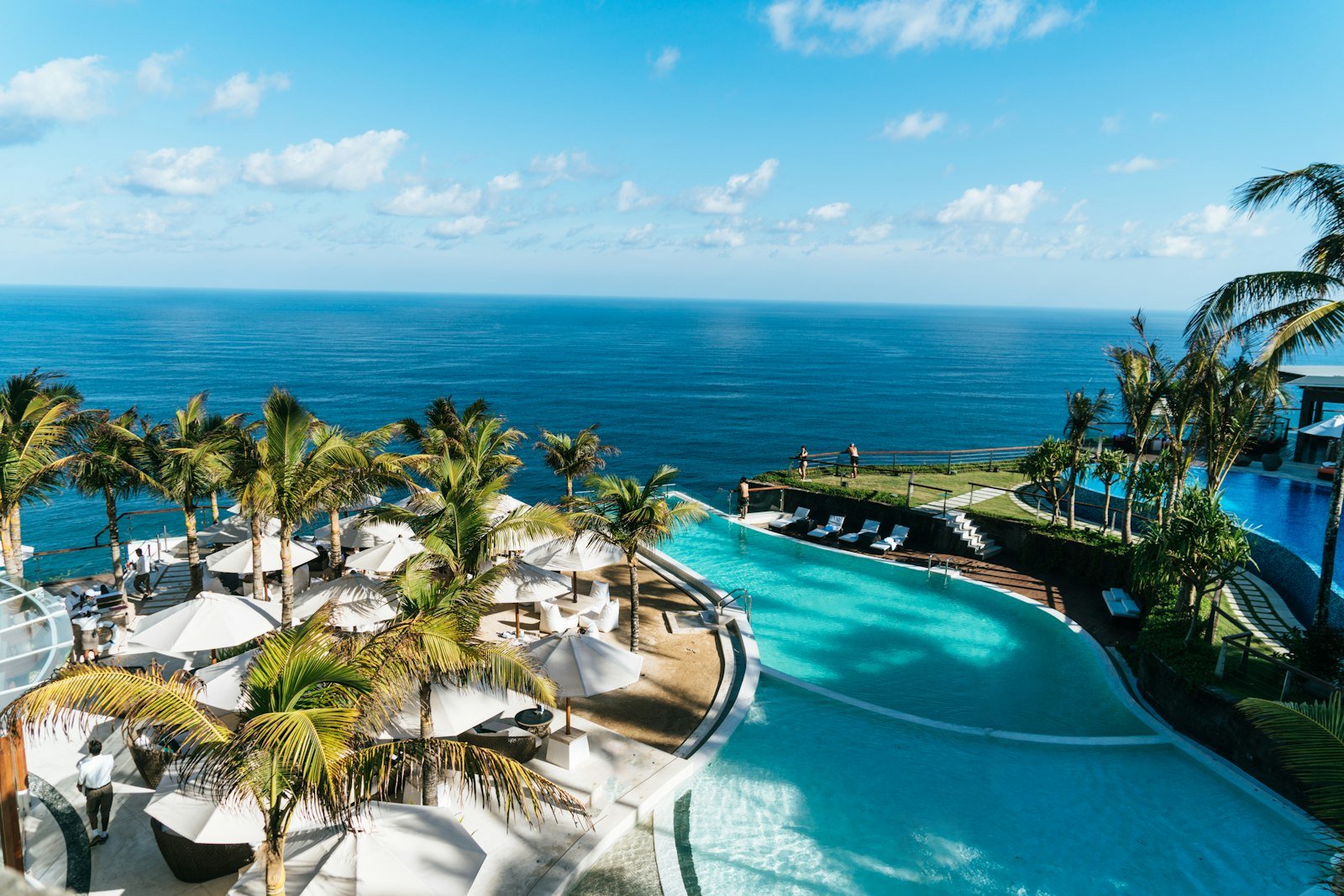
Illustrative island photograph. Not a photograph of the resorts compared below.
Research-based guide · Sources reviewed 16 September 2026. Not a first-hand stay review.
Aman, Six Senses and Rosewood are the three luxury brands that most consistently appear on Southeast Asia bucket lists. Each has a distinct point of view — Aman on quiet spiritual grandeur, Six Senses on wellness-led sustainability, Rosewood on placemaking and design storytelling. If you’re planning a 2026 trip and choosing between them, this is how they compare across the region, from Bali to Luang Prabang.
The three houses in one sentence each
Aman — the founding “resort with 30 rooms” template; monastic serenity, understated architecture and legendary service ratios. Six Senses — a wellness-first hospitality group where sustainability targets are audited annually and every stay opens with a wellness screening. Rosewood — a family-owned collection led by Sonia Cheng that treats each property as a cultural essay of its setting. The brand-level differences show up sharply once you unpack their Southeast Asia portfolios.
Portfolio at a glance in 2026
| Brand | Properties in SEA | Signature location | Average villa size | Wellness depth |
|---|---|---|---|---|
| Aman | 7 (Indonesia, Cambodia, Thailand, Philippines, Vietnam, Laos) | Amanjiwo, Java | 60–120 m² | Aman Spa (light programming) |
| Six Senses | 9 (Vietnam, Cambodia, Thailand, Indonesia, Laos, Bhutan-adjacent) | Six Senses Ninh Van Bay | 85–200 m² | Integrated wellness + longevity |
| Rosewood | 4 (Cambodia, Thailand, Vietnam, Laos) | Rosewood Luang Prabang | 70–150 m² | Asaya spa (curated programming) |
All three groups continue to expand, so this map is a snapshot rather than a static count. For a broader luxury-brand comparison across specific destinations, see our Bali honeymoon guide and the Palawan and Boracay luxury guide.
Aman — quiet spirituality and legacy design
Aman’s earliest properties opened in Phuket (Amanpuri, 1988) and Ubud (Amandari, 1989). Both remain benchmarks. In 2026 the SEA portfolio still leads with Amanjiwo (Central Java, overlooking Borobudur), Amansara (Siem Reap, next door to Angkor), Amanoi (Vietnam, on Nui Chua UNESCO reserve), Amanpulo (Pamalican Island, Philippines) and Amantaka (Luang Prabang). Aman’s calling card is service ratio: typically 3–4 staff per villa, private butlers on request, and a level of quiet that borders on monastic. Restaurants are small and menus short. If you want a resort that feels like a private retreat and where architecture whispers, Aman is your house.
Six Senses — wellness led, sustainability audited
Six Senses treats every stay as a wellness intervention. On arrival, a health screening (sleep, mobility, stress) determines the recommended programme; the group publishes an annual sustainability report and enforces a fresh-cut-flower ban to protect biodiversity. In Southeast Asia the flagship is Six Senses Ninh Van Bay (Vietnam), reached only by boat; Six Senses Yao Noi (Phang Nga Bay) and Six Senses Krabey Island (Cambodia) are the strongest islands. Ubud, Uluwatu (Bali), and the new Six Senses Rome-style Palace-of-The-Old-City project in Bangkok round the map out. If your priority is measurable wellness gains and low-impact travel, this is the choice — see our Thailand luxury wellness retreats guide for programming detail.
Rosewood — cultural storytelling and design theatre
Rosewood’s SEA properties are fewer but deliberate. Rosewood Luang Prabang (Laos) sits in a 22-tented hillside garden by a private waterfall. Rosewood Phuket has 71 villa suites on a private Emerald Bay peninsula. Rosewood Bangkok fills a Bill Bensley-designed vertical tower on Ploenchit Road, and Rosewood Phnom Penh crowns Cambodia’s tallest building with a rooftop pool over the Mekong. Each property tells a story through art, murals and locally sourced material. Rosewood is the pick for design-forward travellers who want a resort that would be worth visiting even without the pool.
Where they overlap and how to decide
In three destinations — Luang Prabang, Bali and Phuket — all three brands compete directly.
- Luang Prabang: Amantaka is more meditative and centrally set within the old town; Rosewood is more theatrical and hillside; Six Senses is not yet present in-town.
- Bali: Aman has Amandari (Ubud) and Amankila (east coast); Six Senses has two properties (Uluwatu and Ubud); Rosewood is not yet in Bali.
- Phuket: Amanpuri is the classic beach-cove pick; Rosewood Phuket is the design-forward newcomer on Emerald Bay; Six Senses Yao Noi sits across Phang Nga Bay, an easy 45-minute boat combo.
For a full ferry-and-flight routing between these three, our Ha Long Bay luxury cruise guide pairs well as an add-on if Vietnam is on your list.
Rates, service ratios and inclusions
Peak-season nightly rates land in a similar band — roughly USD 1,300 to 3,500 per villa — but inclusions differ. Aman typically excludes breakfast at flagship villa resorts (you dine à la carte). Six Senses includes breakfast at most properties and bundles a wellness screening. Rosewood adds a curated welcome experience (private cocktail hour with the general manager, a Bensley-designed art tour, etc.) that many guests find worth the room-rate difference. Book directly on the brand websites — aman.com and rosewoodhotels.com — to unlock complimentary upgrades and food-and-beverage credits offered through the Aman Priority Partner and Rosewood Elite programmes.
Frequently asked questions
Which brand is best for a honeymoon in Southeast Asia?
Aman for quiet romance and cinematic backdrops (Amanjiwo, Amanoi). Six Senses for wellness-led honeymooners who want couples’ spa programming. Rosewood for design-lovers who want story-rich interiors and rooftop-view suites. Our Bali honeymoon guide breaks Bali-specific choices down further.
Which brand delivers the strongest sustainability commitment?
Six Senses has the most rigorous audited sustainability programme, including annual public reporting and single-use-plastic bans across every property. Aman and Rosewood both operate individual property initiatives but do not publish group-wide reports.
Can I combine all three brands in one 10-day trip?
Yes. A workable Bangkok-Luang Prabang-Bali loop pairs Rosewood Bangkok (2 nights), Amantaka Luang Prabang (3 nights) and Six Senses Uluwatu (4 nights). It costs about USD 12,000 per couple all-in for the room components in peak season.
Are children welcome at all three brands?
Yes, but with different tone. Six Senses runs formal kids’ clubs at most properties. Rosewood has children’s programming at Phuket, Phnom Penh and Bangkok. Aman is family-friendly but leans quieter — think guided rice-paddy walks rather than water-slide splash zones.