Best Time to Visit the Maldives for a Honeymoon
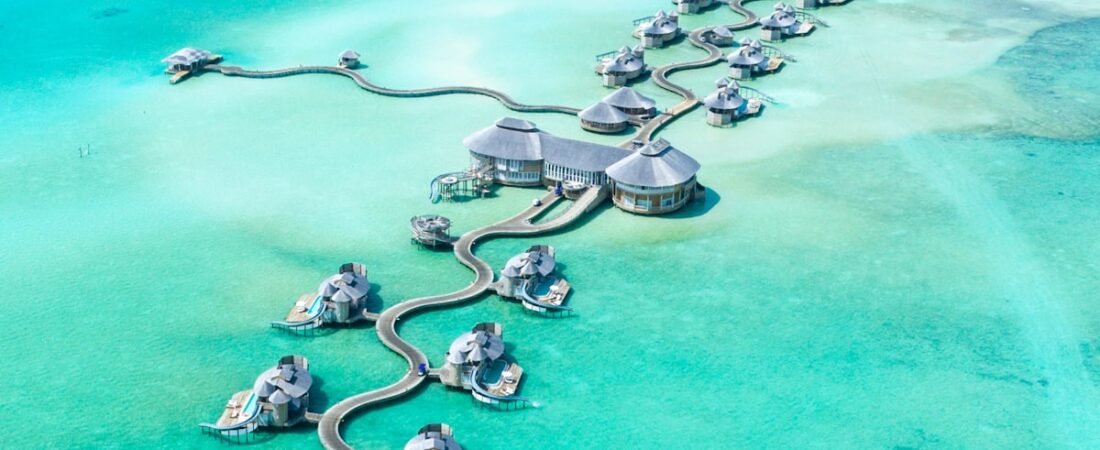
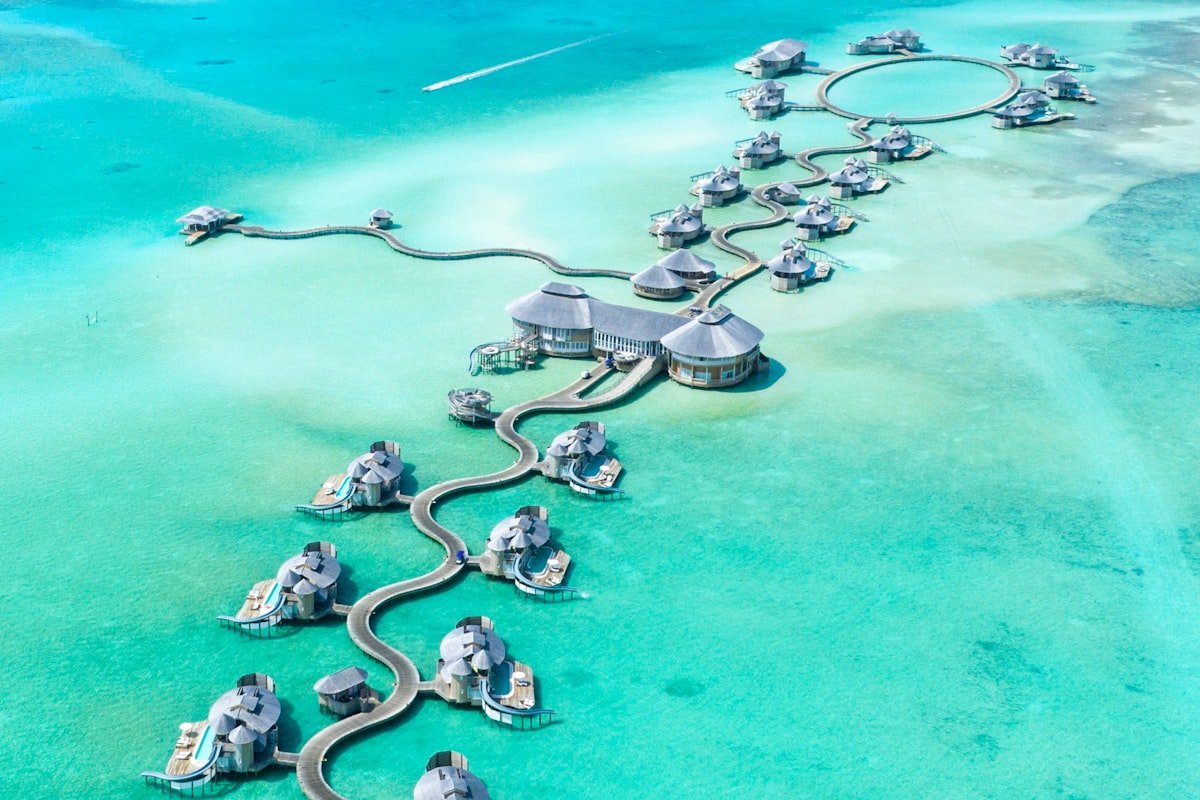
Illustrative island photograph. Not a photograph of the resorts compared below.
The Maldives is the definitive honeymoon destination — a scatter of coral islands where each resort has its own private island, overwater villas and glassy lagoons. But its weather runs on two monsoons, and picking the wrong weeks can mean grey skies and choppy transfers, while the right ones deliver the postcard. This research-based guide breaks down when to visit the Maldives for a honeymoon in 2026, month by month, and how to weigh guaranteed sunshine against the very real savings of the quieter season.
Research-based guide · Sources reviewed 16 September 2026. Not a first-hand stay review.
The Maldives has two seasons, not four
Sitting on the equator, the Maldives stays hot year-round — daytime temperatures hover around 29-31C every month. What changes is rainfall and wind, governed by two monsoons. The northeast monsoon (roughly December to April) is the dry season: sunny, calm seas and low humidity. The southwest monsoon (roughly May to November) is the wet season, bringing more cloud, short heavy showers and occasional wind. Neither is a washout, but they feel quite different for a honeymoon.
The dry season: December to April
This is the classic honeymoon window. Expect long sunny days, calm lagoons ideal for snorkelling and swimming, and the lowest chance of rain. February and March are the most settled months of all. The catch is demand: rates peak, and the Christmas-New-Year fortnight is the single most expensive and heavily booked period of the year, often with minimum-stay requirements. If you want guaranteed sun and can book well ahead, this season is worth the premium.
The wet season: May to November
The southwest monsoon is far better than its reputation. Rain tends to arrive in short, dramatic bursts, leaving plenty of sunshine in between, and the islands are at their greenest. Crucially for honeymooners, this is when the Maldives is most affordable — resort rates can fall by a third or more, and islands are quieter. The trade-offs are a higher chance of a cloudy day, occasional rough seas that affect diving visibility, and the small risk of a washed-out afternoon. For couples who value value and privacy over a flawless forecast, it is a smart choice.
Maldives honeymoon month-by-month
Use this quick month-by-month view to balance weather against budget for your 2026 dates.
| Months | Weather | Prices | Best for |
|---|---|---|---|
| Dec – Jan | Sunny, calm; peak festive | Highest | Guaranteed sun, celebrations |
| Feb – Apr | Driest, most settled | High | Best overall weather |
| May & Nov | Shoulder; mixed sun and showers | Lower | Value with decent weather |
| Jun – Sep | Wettest; sunny spells between bursts | Lowest | Budget honeymoons, fewer crowds |
How to choose your weeks
Start with your non-negotiable. If a cloudless honeymoon is the priority and budget allows, aim for February or March. If you would rather stretch the budget into a longer stay or a better villa category, target late May or early November, when you get much of the dry-season feel at shoulder prices. Avoid the exact Christmas-New-Year peak unless you specifically want the festive atmosphere and have booked months in advance. Whatever your dates, check current conditions on weather.com and the official Visit Maldives site for any seasonal or event notes before you confirm.
Villa type matters as much as timing
When you go shapes the weather; what you book shapes the experience. Overwater villas give you the iconic lagoon view, a ladder into the sea and total privacy, but they can feel exposed on a windy wet-season day. Beach villas sit among palms with more shade and are gentler on the budget. Many honeymooners split their stay between the two. If you are still comparing resorts and villa styles, our guides to adults-only Maldives resorts and Aman, Six Senses and Rosewood in Southeast Asia are good places to shortlist.
Practical timing tips
A few details make the difference between a good and a great Maldives honeymoon:
- Book seaplane transfers early: the most scenic resorts rely on seaplanes that only fly in daylight, so afternoon arrivals may mean an overnight near the airport.
- Watch minimum-stay rules: peak dates often require five to seven nights and prepayment.
- Consider a full-board or all-inclusive plan: with one restaurant island and pricey drinks, meal plans protect your budget.
- Time the honeymoon perks: tell the resort at booking; many add a dinner, spa credit or villa upgrade for honeymooners.
Get the timing and the villa right and the Maldives lives up to every expectation — which is exactly why it remains the honeymoon that other honeymoons are measured against.
Diving, snorkelling and marine life by season
If underwater time is central to your honeymoon, the season shapes what you will see. The dry northeast monsoon generally brings the clearest water and calmest seas, making it the easier time for snorkelling straight off your villa and for first-time divers. The wet southwest monsoon stirs up more plankton, which reduces visibility slightly but draws the Maldives’ famous filter feeders — manta rays and, around the right atolls, whale sharks are more reliably sighted between roughly May and November. In other words, the season you might avoid for weather can be the best one for a bucket-list encounter, so weigh what matters most to you as a couple.
How far ahead to book, and where to compromise
Lead time is the quiet variable that decides both price and choice. The very best villas and the most sought-after resorts sell out first for peak dates, so December-to-March honeymoons are worth locking in six to nine months ahead. Shoulder and wet-season stays can be booked closer in and still leave room to negotiate value adds such as free nights, half-board upgrades or spa credits.
When budget is tight, compromise on timing before you compromise on the resort: a wet-season stay at a genuinely romantic property beats a peak-season stay at a compromised one. And if guaranteed weather is essential — say the honeymoon follows a fixed wedding date — build in a buffer by choosing February or March and booking early rather than gambling on a shoulder week.
- Peak (Dec-Mar): book 6-9 months ahead; expect minimum stays.
- Shoulder (May, Nov): best balance of weather, price and availability.
- Wet (Jun-Sep): book closer in, chase promotions, prioritise manta and whale-shark trips.
Temperature, sea and what it feels like day to day
Because the Maldives sits on the equator, the numbers barely move across the year: expect daytime highs around 29-31C, warm nights, and a bath-warm sea of roughly 27-29C in every month. That consistency means you never need to time a trip around temperature — only around rain, wind and price. Humidity is highest in the wet season, most noticeable in the still air before a shower, while the dry season feels fresher thanks to a steady breeze off the lagoon. Pack light, breathable clothing, strong reef-safe sunscreen and a light layer for breezy boat transfers whatever month you choose, and you will be comfortable from arrival to departure.
Frequently asked questions
What is the best month to honeymoon in the Maldives?
For reliable sunshine, the dry-season months of December to April are best, with February and March offering the most settled weather. If value matters more than guaranteed sun, the shoulder months of May and November cut prices sharply.
When is the cheapest time to visit the Maldives?
The wet season from May to November, and especially June to September, brings the lowest rates. You still get plenty of sunshine between showers, and resorts are quieter, so honeymooners on a budget can find excellent value.
Does it rain all day in the Maldives during the wet season?
Rarely. Wet-season rain usually comes in short, heavy bursts rather than all-day downpours, and long sunny spells are common. The trade-off is a higher chance of a cloudy day and occasional rough seas.
Should we book an overwater or beach villa for a Maldives honeymoon?
Overwater villas deliver the iconic lagoon view and direct sea access, while beach villas offer more privacy and shade and cost less. Many honeymooners split their stay, spending a few nights in each.