Best Time to Visit Bali: Surfing vs Sun
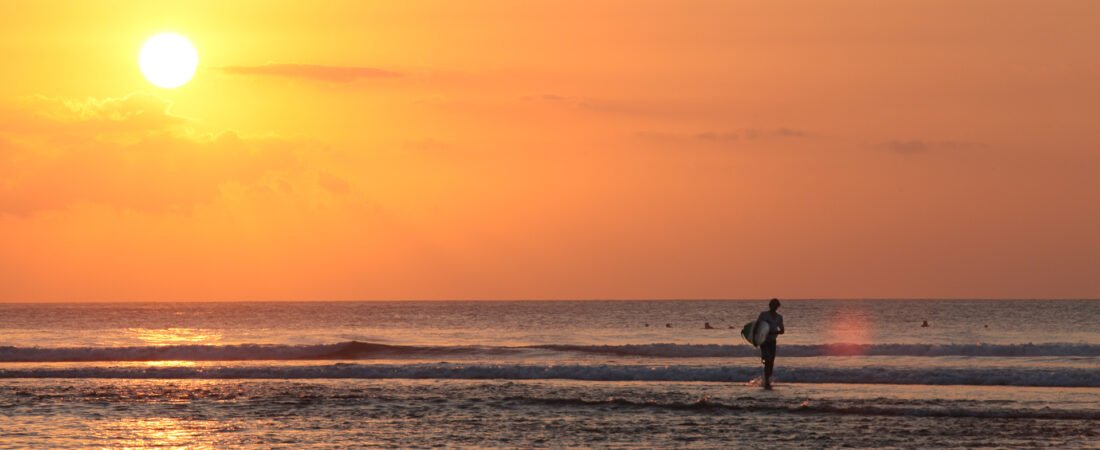
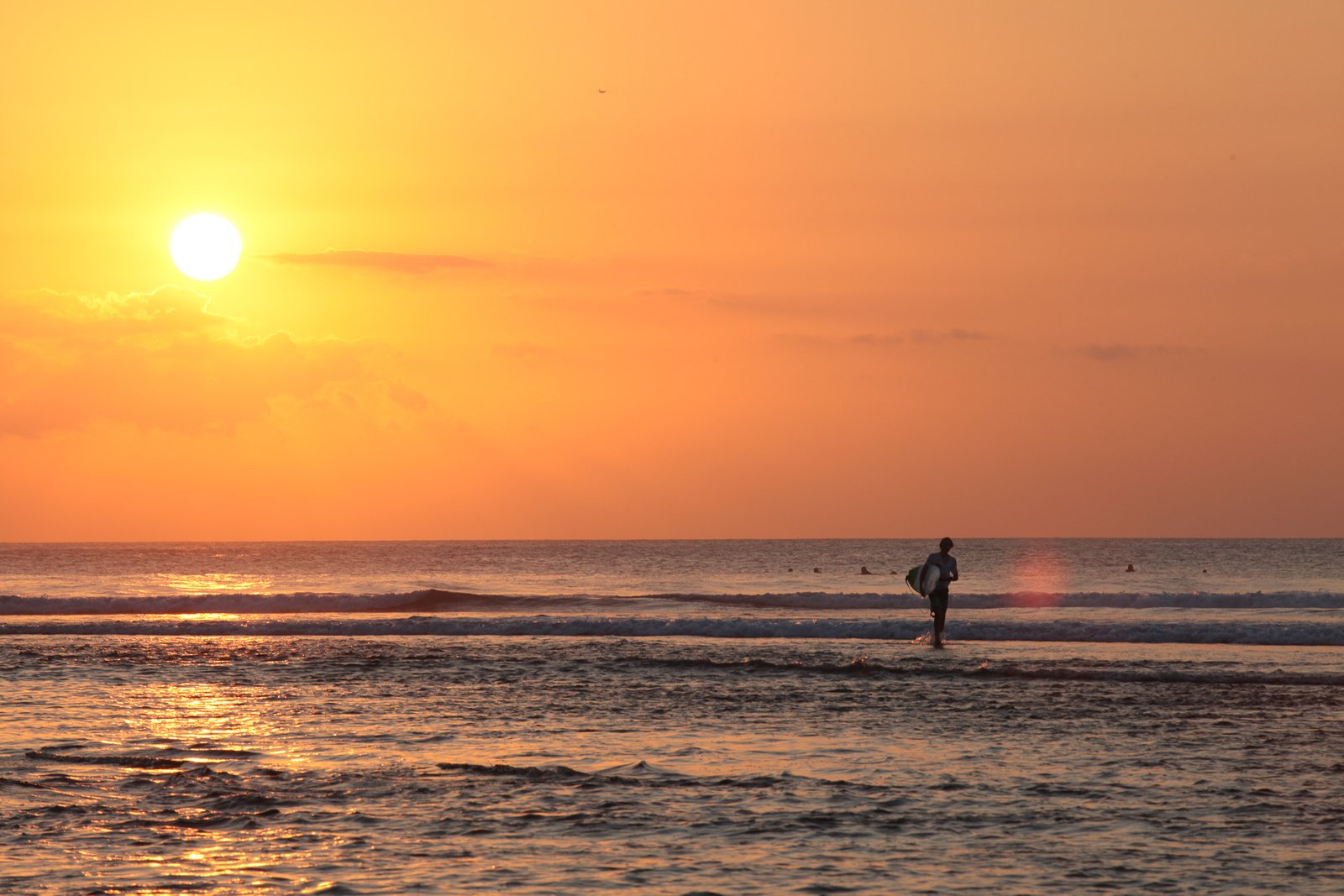
Illustrative island photograph. Not a photograph of the resorts compared below.
Bali has two very different calendars, and the best time to visit depends on which one you are planning around. Sun-seekers want the dry season’s blue skies and calm beaches, while surfers care more about which coast is working and how big the swell is. Because those priorities do not always line up, choosing your dates is a trade-off between reliable weather, the right waves, manageable crowds and price. This 2026 guide breaks the year down month by month so you can match Bali to the trip you actually want.
Research-based guide · Sources reviewed 18 September 2026. Not a first-hand stay review.
Bali’s two seasons at a glance
Bali is tropical, with a dry season from roughly April to October and a wet season from November to March. The dry season brings lower humidity, sunny days and the calmest conditions for lounging and diving; the wet season brings warm downpours, usually in short afternoon bursts, plus lush landscapes and lower prices. Temperatures stay warm all year, so the real variables are rain, wind and swell rather than heat.
| Factor | Dry season (Apr to Oct) | Wet season (Nov to Mar) |
|---|---|---|
| Weather | Sunny, low humidity | Warm, humid, afternoon rain |
| Best for sun | Excellent | Variable |
| West-coast surf | Prime (offshore winds) | Smaller, less consistent |
| East-coast surf | Less consistent | Prime (offshore winds) |
| Crowds | High (peak Jul to Aug) | Lower |
| Prices | Highest | Lowest |
Best time for sunshine and beaches
For dependable sun, the dry season is the clear answer. May, June and September are the sweet spots: reliably dry and sunny but without the full crush of the July and August peak, when European and Australian holidays collide and the south coast is at its busiest. If your trip is mainly about beaches, pools, spa days and diving in calm, clear water, aim for these shoulder months to pair good weather with slightly softer prices and easier restaurant bookings.
Best time for surfing
Surf in Bali is all about matching the coast to the season, because offshore winds switch sides through the year.
Dry season: the west coast fires
From April to October, the famous west and southwest breaks around the Bukit Peninsula and the Canggu stretch work best, with offshore morning winds grooming clean waves. This is when Bali’s marquee waves are at their most consistent, and also when the lineups are most crowded.
Wet season: the east coast turns on
From November to March, the wind flips and the east coast comes alive, offering cleaner conditions there while the west is often blown out. This is a good window for surfers chasing quieter lineups who are willing to accept the odd rainy afternoon.
Which swell for which surfer
Beginners are usually happiest with the smaller, more forgiving beach breaks around Kuta and the mellower end of the dry season. Experienced surfers targeting the powerful reef breaks will want the mid dry-season swell, when the biggest, cleanest waves arrive.
Month-by-month quick guide
- April and May: Start of dry season, green landscapes, good west-coast surf, fewer crowds.
- June to August: Peak sun and peak crowds, prime west-coast waves, highest prices.
- September and October: Excellent weather, still-strong surf, easing crowds; arguably the best all-round window.
- November to March: Wet season, lower prices, lush scenery, and prime east-coast surf between the showers.
Balancing crowds, price and events
The dry season delivers the best weather but the highest costs and busiest beaches, especially in July and August. The wet season rewards flexible travellers with lower rates and a quieter island, at the cost of some rain. Note the Nyepi Day of Silence, usually in March, when the entire island shuts down for 24 hours, including the airport, an experience worth planning around either to embrace or avoid. For deeper Bali planning, see our guides to all-inclusive resorts in Bali, the Bali honeymoon guide, cliff-edge villas in Uluwatu and Thailand versus Bali.
So when should you go?
If sun is your priority, book May, June or September for the best mix of weather, waves and value. If surfing drives the trip, choose your month by coast: dry season for the west, wet season for the east. And if budget and quiet matter most, the wet-season shoulders in November and March offer the lowest prices with still-usable weather. For authoritative planning detail, the official Indonesia tourism site, a reliable surf forecast and UNESCO’s listing of Bali’s subak rice terraces are useful starting points.
Where to base yourself for each priority
Your ideal base shifts with the season and your goal. Sun-seekers and first-timers often settle in the polished south, around Seminyak, Canggu or the clifftops of Uluwatu, where beach clubs, spas and dining are concentrated and the dry-season weather is at its most reliable. Divers and calm-water swimmers may prefer the east coast and the offshore islands of Nusa Lembongan and Nusa Penida, particularly outside the peak, while Ubud in the interior trades beaches for rice-terrace scenery, wellness retreats and cooler evenings that suit the wetter months.
Surfers should choose a base by coast and season. In the dry season, the Bukit Peninsula puts you within reach of the marquee reef breaks and the consistent morning offshores; in the wet season, an east-coast base near Sanur or Keramas keeps you close to the waves that are actually working. Because Bali’s traffic can be heavy, staying near your preferred breaks saves far more time than it might seem on a map.
Packing and practical tips
Whatever month you choose, pack reef-safe sunscreen, light layers and a rain shell if you are travelling in the wet season. Book popular beach clubs and clifftop restaurants ahead during the July and August peak, and allow generous travel time between areas, as the drive from the airport to Ubud or the Bukit can take far longer than the distance suggests. Travel insurance that covers surfing and scooter use is worth arranging before you go.
Value strategies through the year
Rates swing widely with the calendar. To stretch a budget, target the wet-season shoulders in November and early December or late February and March, when villas and resorts discount sharply but the weather is often still workable, with sunshine between showers. Booking two to four months ahead for dry-season dates locks in better villa availability, while last-minute wet-season deals can be excellent for flexible travellers.
Frequently asked questions
What is the best month to visit Bali?
For most travellers, May, June and September offer the best balance of dry, sunny weather, good surf and manageable crowds, avoiding the July to August peak.
When is the surf best in Bali?
The west and southwest coasts are best in the dry season, April to October, while the east coast works best in the wet season, November to March, as the offshore winds switch sides.
Is the wet season a bad time to visit Bali?
Not necessarily. Rain usually comes in short afternoon bursts, prices are lower, the island is greener and quieter, and the east-coast surf is at its best, so flexible travellers can do well.
What is Nyepi and how does it affect a trip?
Nyepi is the Balinese Day of Silence, usually in March, when the whole island including the airport shuts down for 24 hours. Plan your arrival and departure dates around it.