Best Luxury Hotels in Aruba (2026 Guide)
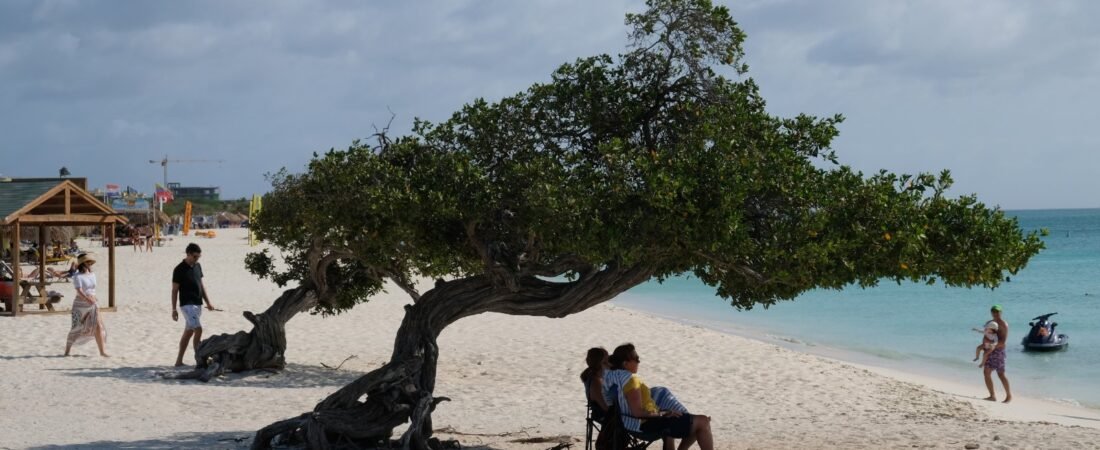
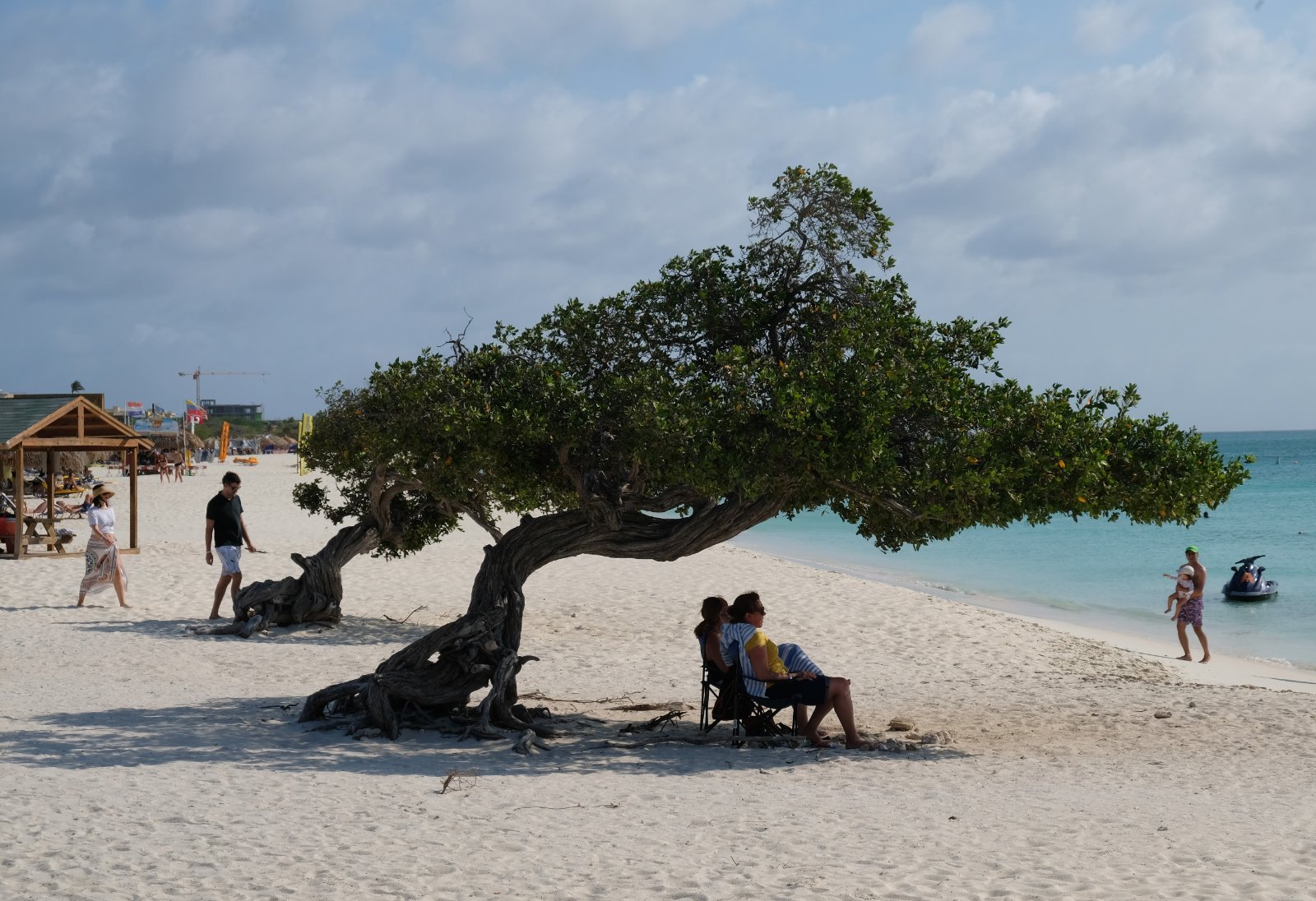
Illustrative island photograph. Not a photograph of the resorts compared below.
Aruba sits in the southern Caribbean, safely below the hurricane belt and blessed with almost year-round sunshine and cooling trade winds. Its powder-white beaches, turquoise water and famously friendly welcome have made it one of the region’s most reliable luxury escapes. This research-based guide covers where to stay, how the island’s coasts differ, and how to plan a polished Aruba trip in 2026 — from Palm Beach’s resort strip to the wild, windswept north.
Research-based guide · Sources reviewed September 19, 2026. Not a first-hand stay review.
Why Aruba Works for Luxury Travellers
Aruba’s biggest selling point is dependability. It lies outside the main hurricane zone, so the risk of a washed-out trip in late summer and autumn is far lower than on many Caribbean islands. Rainfall is minimal, humidity is tempered by constant breezes, and the beaches — especially Eagle Beach and Palm Beach — regularly rank among the finest in the world. English is widely spoken alongside Dutch and the local Papiamento, the island is safe and easy to navigate, and the tourism infrastructure is polished.
For luxury travellers this translates into high-service resorts, strong dining, and a genuinely walkable resort district, which is unusual in the Caribbean. Aruba blends the ease of a developed destination with the scenery of a classic beach holiday.
Where to Stay
Palm Beach
Palm Beach is Aruba’s high-energy resort strip: a run of larger beachfront hotels, casinos, restaurants and beach clubs. The sand is wide and calm, water sports are everywhere, and evenings are lively. Choose Palm Beach if you want everything on your doorstep and enjoy a social, resort-forward atmosphere.
Eagle Beach
Just south, Eagle Beach is broader, quieter and lined with low-rise properties and the island’s iconic wind-bent divi-divi trees. It consistently earns spots on world’s-best-beach lists. This is the more relaxed, spacious choice, well suited to couples and travellers who prioritise the beach itself over nightlife.
Noord & Boutique Options
Inland Noord and pockets near Malmok and Arashi offer smaller boutique hotels and villa rentals, along with excellent snorkelling and calm swimming at the island’s northwestern tip. These areas suit travellers wanting a more private, residential feel.
Comparing Aruba’s Beaches and Bases
| Area | Best For | Atmosphere | Beach |
|---|---|---|---|
| Palm Beach | Dining, nightlife, water sports | Lively, resort strip | Wide, calm, busy |
| Eagle Beach | Couples, relaxation | Spacious, laid-back | Broad, pristine |
| Malmok/Arashi | Snorkelling, quiet | Residential, boutique | Calm, rocky-sandy |
| Oranjestad | Culture, shopping | Colourful capital | Harbourfront |
What to Expect from Aruba’s Best Resorts
Aruba’s top hotels cluster along Palm and Eagle beaches, ranging from large full-service resorts with multiple pools, spas and casinos to more intimate adults-oriented properties. Expect direct beach access, palapa-shaded loungers, oceanfront dining and swim-up bars. Because the island is compact, even resort-district stays put you minutes from Oranjestad’s shops and the natural attractions of the interior.
Service culture is a genuine differentiator here. Aruba markets itself as “One Happy Island,” and the warmth is not just branding — repeat-visitor rates are among the highest in the Caribbean, and many resorts recognise returning guests by name. For a luxury stay, look for properties with a strong spa, a good beach club and a location that matches your priorities: Palm Beach for buzz, Eagle Beach for calm.
Experiences Worth Planning
- Arikok National Park: Covering nearly a fifth of the island, with desert landscapes, natural pools and rugged coastline explored by 4×4 or guided tour.
- Snorkelling and diving: The Antilla shipwreck near Malmok is one of the Caribbean’s largest wreck dives; calm northwestern coves are ideal for snorkelling.
- Sunset sailing: Catamaran cruises along the leeward coast are an Aruba classic.
- Oranjestad: Pastel Dutch colonial architecture, duty-free shopping and a growing food scene.
Dining and Nightlife
Aruba dines exceptionally well for its size. The island’s location makes fresh seafood a highlight, and its Dutch heritage and cosmopolitan visitor base support everything from beachfront fine dining to casual local spots serving keshi yena and fresh fish. Palm Beach concentrates the buzziest restaurants and beach clubs, while Eagle Beach and Oranjestad offer more relaxed, romantic settings. Several restaurants set tables directly on the sand for toes-in-the-sand dinners, a signature Aruba experience.
Nightlife is more developed than on many Caribbean islands, with casinos, lounges and live music concentrated around Palm Beach. Those seeking quiet can simply base at Eagle Beach or Malmok, where evenings revolve around sunset and stars rather than crowds.
Practical Booking Tips
High season runs from mid-December through April, when weather is perfect and rates and crowds peak; book several months ahead for this window and around the island’s carnival season. The shoulder months of May, June and November often bring excellent value with weather that stays reliably dry thanks to Aruba’s arid climate. A rental car is useful for reaching Arikok and the north coast, though the resort district is walkable and taxis are plentiful. Ocean-view and beachfront categories carry a premium but are usually worth it given how central the beach is to an Aruba stay.
Beyond the Beach: Aruba’s Interior and Coastline
It is easy to spend a week on Aruba’s western beaches and never see the rest of the island, but the interior and the rugged northeastern coast reveal a very different landscape. Arikok National Park protects a stark desert of cactus, boulder formations and cliffs pounded by Atlantic surf. Within it you will find the Natural Pool (Conchi), a sheltered basin among the rocks where you can swim while waves crash over the outer wall, reachable only by 4×4, horseback or a hike. The park’s caves hold Amerindian rock drawings, and the old gold-mill ruins at Bushiribana speak to the island’s mining past.
The windward coast is wild and largely unsuitable for swimming, but dramatic to visit: the collapsed Natural Bridge, the California Lighthouse at the northern tip with panoramic views, and long stretches of empty shoreline. Renting a vehicle for a day to circle these sights adds real texture to a trip and balances the polish of the resort strip with a sense of Aruba’s raw natural character.
Aruba is also easy to combine with a wider trip. Its airport is one of the best-connected in the southern Caribbean, with direct links to major North American hubs and onward routes to nearby Curacao and Bonaire, the other two ABC islands. Travellers with more time sometimes island-hop across all three, pairing Aruba’s polished beaches with Bonaire’s celebrated diving and Curacao’s colourful capital. For most visitors, though, Aruba alone fills a week comfortably.
Who Aruba Suits Best
Aruba is a strong match for travellers who value certainty: reliable weather, easy logistics, high service standards and world-class beaches within walking distance of dinner. Couples gravitate to Eagle Beach and boutique properties near Malmok; families appreciate the calm water and abundant activities at Palm Beach; and repeat visitors return for the warmth of the welcome. It is less suited to travellers seeking a remote, undeveloped hideaway, since the western coast is built up — but that development is precisely what makes it so comfortable. For a dependable, low-stress luxury Caribbean holiday, few islands compete.
Frequently Asked Questions
Is Aruba safe from hurricanes?
Aruba lies outside the main Caribbean hurricane belt, so direct hits are rare. It is one of the safer choices for late-summer and autumn Caribbean travel, though no destination is entirely risk-free.
Which is better, Palm Beach or Eagle Beach?
Palm Beach is livelier with more dining, nightlife and water sports; Eagle Beach is broader, quieter and more relaxed. Couples seeking calm often prefer Eagle Beach, while those wanting energy and convenience choose Palm Beach.
When is the best time to visit Aruba?
The weather is good year-round. December to April is peak season; May, June and November typically offer the best combination of value and reliable sunshine.
Do I need a car in Aruba?
Not essential if you stay in the resort district, where taxis and walking cover most needs, but a rental car is worthwhile for exploring Arikok National Park and the wild north coast.
Explore more sun-sure escapes in our Caribbean destination guides and compare islands with LuxStay’s Barbados and Turks & Caicos features. Official resources include the Aruba Tourism Authority and the Arikok National Park site for opening hours and tours.