
How to Choose an Overwater Villa in Southeast Asia (2026)
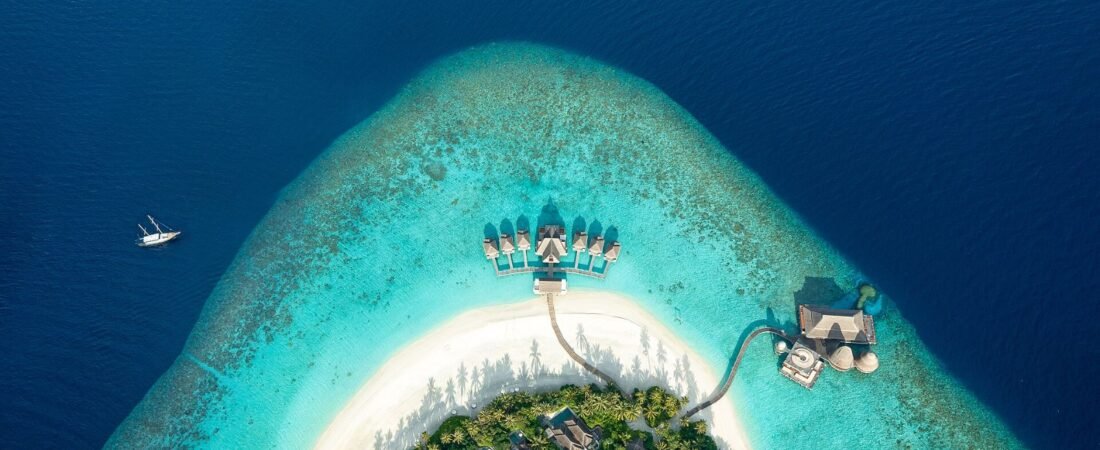
Illustrative island photograph. Not a photograph of the resorts compared below.
An overwater villa is the ultimate tropical splurge — but the difference between a magical stay and an expensive disappointment comes down to details most booking sites never mention. This guide focuses specifically on how to choose the right overwater villa in Southeast Asia for your trip, walking through lagoon quality, privacy, orientation, transfers, seasons and the beachfront-versus-overwater trade-off, so your once-in-a-lifetime booking delivers exactly the floating-paradise experience you are paying for.
First, Know Where They Actually Are
Southeast Asia has far fewer true overwater villas than the Maldives, and knowing the map saves disappointment. The region’s benchmark cluster is in Malaysia’s Sabah — Kapalai and Mabul — where classic stilted bungalows sit over shallow, aquarium-clear water. A scattering of over-lagoon and floating-style villas appears elsewhere in Indonesia and Thailand, but they are rare. Our roundups of the best overwater bungalows in Southeast Asia and the overwater resorts of Kapalai map the genuine options.
If your heart is set on hundreds of villas to choose from, the honest answer is that the Maldives remains the world capital — and a two-centre trip pairing Southeast Asia with a Maldivian finale is a popular high-end solution.
The Seven Factors That Make or Break an Overwater Stay
1. Lagoon Quality and Swimmability
The single most important factor. A great overwater villa sits over a calm, shallow, sandy-bottomed lagoon you can actually swim and snorkel in at any tide. Ask about tidal range — some lagoons empty to mudflats at low tide — and whether the water is clear or silty. The dream of stepping off your deck into turquoise water depends entirely on this.
2. Privacy From Neighbours
Overwater villas are often lined up in rows, and poorly designed decks can leave you in full view of the next villa. Look for staggered layouts, end-of-jetty positions, or resorts known for generous spacing. Corner and pontoon-end villas usually command a premium for good reason.
3. Orientation: Sunrise or Sunset
Decide whether you want to wake to the sunrise over the water or sip a cocktail as the sun sinks from your deck. Sunset-facing villas are the most coveted and priciest; sunrise villas are often better value and cooler in the afternoon. There is no wrong answer, only a preference worth booking deliberately.
4. House Reef and Marine Life
One of the joys of an overwater villa is snorkelling straight from your steps. Resorts with a healthy house reef turn your villa into a private aquarium. If marine life matters, choose a property known for its reef rather than a bare sand lagoon.
5. Transfer Time and Cost
Remote overwater resorts can require long boat rides or costly transfers. Factor these into both budget and fatigue, especially if you are combining destinations. A shorter, smoother transfer can be worth paying for after a long-haul flight.
6. Plunge Pool and Villa Facilities
A private plunge pool gives you a freshwater option and extra privacy; over-water hammocks, glass floor panels and direct ladders into the lagoon each add to the experience. Decide which features are must-haves before you compare rates.
7. Season and Weather
Match your dates to the destination’s dry season. Rough seas or rain can turn a lagoon murky and choppy, undermining the whole point. Background on overwater bungalows and regional climate resources are worth a quick check before committing.
Overwater vs Beachfront Pool Villa
| Factor | Overwater villa | Beachfront pool villa |
|---|---|---|
| Signature feeling | Floating over the sea | Water at your doorstep on sand |
| Space | Often compact | Usually larger with gardens |
| Direct sea access | Ladder into lagoon | Steps onto the beach |
| Privacy | Depends on layout | Walled gardens, high |
| Availability in SEA | Rare | Widespread |
| Value | Premium | Stronger per dollar |
Neither is universally better. If the stilted-villa icon is your dream, hold out for a true overwater property with a great lagoon. If you value space, privacy and value, Southeast Asia’s superb beachfront pool villas may make you happier — explore the best overwater alternatives to weigh both.
A Simple Booking Checklist
- Confirm the lagoon is calm, shallow and swimmable at all tides.
- Ask for a villa map and choose an end or corner unit for privacy.
- Decide sunrise vs sunset orientation and request it explicitly.
- Check for a house reef if snorkelling matters.
- Total the transfer time and cost into your budget.
- Match your dates to the destination’s dry season.
- Book six to twelve months ahead for peak periods.
Common Overwater Mistakes to Avoid
Even experienced travelers get caught out by the same few traps. Knowing them in advance is the easiest way to protect a high-value booking and make sure the villa you picture is the villa you get.
- Booking the cheapest overwater category blind. Entry-level overwater villas are often the ones facing other decks or over the least attractive water. Read the villa map before you save money you will regret.
- Ignoring the tide. A lagoon that looks flawless in marketing photos may drain to sand or seagrass at low tide. Ask directly about tidal range and swimmability.
- Underestimating transfers. A remote resort can add hours and hundreds of dollars in seaplane or boat costs. Build this into both your budget and your arrival-day energy.
- Overstaying. Overwater villas are magical for three to five nights but can feel confining for a fortnight. Pair them with a land-based leg for variety, as covered in our Southeast Asia overwater guide.
- Skipping travel insurance. Remote island resorts make comprehensive cover, including evacuation, essential rather than optional.
A little diligence here pays off enormously. Reputable operators are happy to answer detailed questions about lagoons, layouts and transfers, and their willingness to do so is itself a good sign. For general destination and safety context while you compare, official resources such as Malaysia’s tourism board are a useful reference point.
Building the Perfect Overwater Itinerary
The most satisfying high-end trips often blend two experiences: a few nights exploring a culturally rich Southeast Asian base — Bali, Phuket or Borneo — followed by an overwater finale where you do nothing but float, snorkel and watch the light change. This structure gives you variety, spreads cost across different price points, and ends the holiday on its most photogenic note. For inspiration on the overwater leg, see our Fiji overwater guide for a Pacific alternative, and confirm entry and travel details through official regional tourism resources as you plan.
Final Word
An overwater villa is one of travel’s great experiences — when you choose the right one. Focus on the lagoon, the privacy and the orientation above all, match your season, and be clear-eyed about the overwater-versus-beachfront trade-off. Do that, and your Southeast Asian water villa will live up to every expectation you had when you first saw the photo that started it all.
Frequently Asked Questions
Where can you find overwater villas in Southeast Asia?
True stilted overwater villas in Southeast Asia are concentrated in Malaysia — notably Kapalai and Mabul off Sabah — with a handful of over-lagoon options elsewhere in Indonesia and Thailand. The region has far fewer than the Maldives, so choosing the right property matters. Many travelers combine a Southeast Asian base with an overwater finale in the Maldives.
Is an overwater villa worth the money?
It depends on what you value. Overwater villas deliver an unbeatable sense of floating seclusion and direct lagoon access, but they are often smaller and pricier than equivalent beachfront villas. If the iconic experience of stepping from your deck into the sea is the goal, they are worth it; if you prioritise space and value, a beachfront pool villa may serve you better.
What should I look for in an overwater villa?
Prioritise a calm, swimmable lagoon; genuine privacy from neighbouring decks; a house reef or clear water for snorkelling; sunset or sunrise orientation to taste; and a plunge pool if you want a freshwater option. Also weigh transfer time and cost, since remote overwater resorts often require seaplanes or long boat rides.
Are overwater villas good for families?
Some are, but many overwater resorts are adults-focused, and open-deck water access can be a safety concern for young children. Families should specifically seek villas with railings, shallow lagoons and kids facilities, or consider a beachfront villa instead.
How far in advance should I book?
For peak season and the most sought-after villas, book six to twelve months ahead. Overwater inventory is limited even at large resorts, and the best sunset-facing villas go first.
When is the best season for an overwater stay in the region?
It varies by destination. Malaysia’s Sabah overwater resorts are good much of the year with calmer seas from March to October; the Maldives peaks November to April. Always match your dates to the specific destination’s dry season.