Caramoan Islands Guide: Boutique Stays & Island Hopping
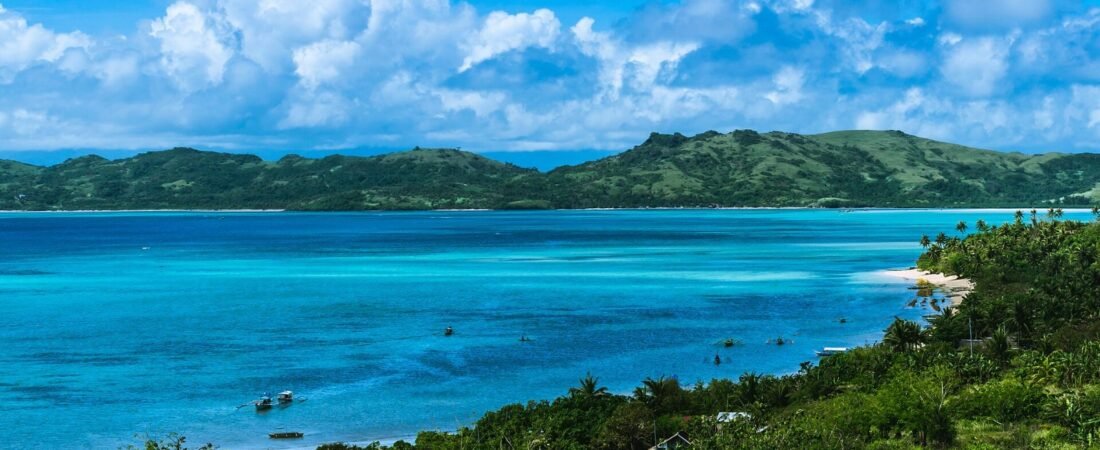
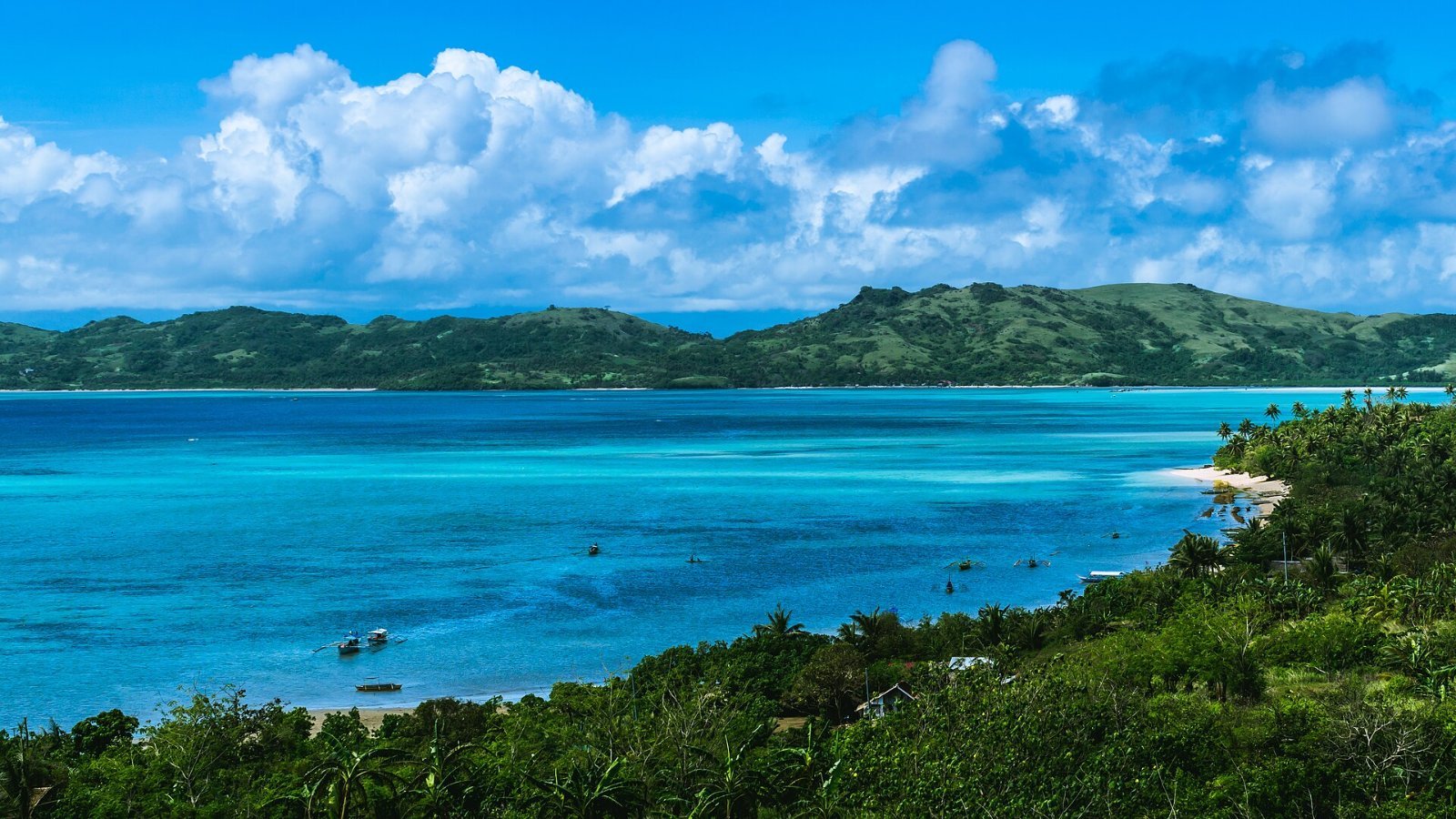
Photo: Tyrll Adolf Itong / Wikimedia Commons (CC BY-SA 4.0). Illustrative scenery.
Picture the limestone karsts, hidden lagoons and white sandbars of northern Palawan — then remove most of the boats and tour groups. That is Caramoan, a rugged peninsula in the Bicol region of southeastern Luzon, best known internationally as a filming location for several editions of the reality show Survivor. This guide focuses on Caramoan specifically for adventurous couples and repeat Philippines visitors who want dramatic island scenery without El Nido’s crowds, and who are willing to trade some polish for solitude.
Is Caramoan right for you?
Yes if you value empty beaches, private boat days and a sense of discovery, and you are comfortable with a longer journey and boutique rather than five-star accommodation. Probably not if you need a big-brand resort, fine dining every night or a short, simple transfer. Most visitors stay three to four nights, ideally between March and June when seas are calmest.
Why Caramoan stands out
Caramoan is a municipality on the eastern tip of Camarines Sur province, where a jagged peninsula breaks up into dozens of islets in the Pacific-facing waters of Lagonoy Gulf. The scenery is classic Philippine karst: sheer grey limestone cliffs draped in jungle, powder-white coves and clear shallow water. The difference is scale of tourism. While El Nido and Coron now receive large numbers of visitors, Caramoan still feels like a place where your boat might be the only one in a cove.
The area’s global profile rose after it hosted productions of the Survivor franchise, including the US season Survivor: Caramoan. That exposure brought some new guesthouses and resorts, but the destination remains small, rural and relaxed.
Caramoan vs El Nido and Coron
If you are deciding between Bicol and Palawan, this comparison helps set expectations. For more on Palawan itself, see our El Nido vs Coron comparison.
| Factor | Caramoan | El Nido | Coron |
|---|---|---|---|
| Crowds | Low; few boats on most islands | High in peak season | Moderate to high |
| Luxury accommodation | Boutique resorts only | Several high-end island resorts | Several high-end options |
| Signature experiences | Hidden lagoons, sandbars, empty coves | Lagoon tours, island resorts | Lakes, WWII wreck diving |
| Access from Manila | Flight plus road and boat, often 5–7 hours total | Direct flight or via Puerto Princesa | Direct flight to Busuanga |
| Best season | March–June | November–May | November–May |
| Best for | Adventurous couples, repeat visitors | First-timers, honeymooners | Divers, lake lovers |
How to get to Caramoan
Getting there is part of the adventure, and it is the main reason Caramoan remains quiet.
- Fly from Manila to Naga Airport in Pili, Camarines Sur, or to Bicol International Airport in Daraga, Albay. Flights take about an hour.
- Transfer by road from Naga to the small port of Sabang in San José, typically around two hours by van or private car. From Bicol International Airport the drive is longer.
- Cross by boat from Sabang to Guijalo port in Caramoan, usually around one and a half to two hours by passenger boat, depending on sea conditions.
- Final transfer by tricycle, van or resort boat to your accommodation.
Road access to the peninsula has improved in recent years, but the boat crossing remains the most common approach. Boats run less frequently in rough weather and in the afternoon, so aim to land in Naga in the morning. The simplest option is to ask your resort to arrange the entire chain, including a private boat directly to its beach.
The best islands and beaches
Island hopping is the reason to come. Most resorts and local operators offer private bangka charters, which give you control over timing and let you avoid the few other boats.
- Matukad Island — the headline sight. A short scramble over sharp limestone leads to a hidden lagoon enclosed by cliffs, the subject of local legends about a giant fish. Wear water shoes and take care on the rocks.
- Lahos Island — a slim island with a sandbar that connects and disappears with the tide, creating two beaches back to back. Visit at low tide.
- Sabitang Laya — a long white-sand beach with good swimming in calm conditions.
- Cotivas Island — a small island with a sandbar and shallow turquoise water, ideal for a picnic lunch.
- Gota Beach and Hunongan Cove — mainland beaches near the town, with calmer water and easier access.
On land, the climb to the hilltop shrine at Mount Caglago rewards you with sweeping views over the islands after several hundred steps. Go early in the morning to avoid the heat.
A sample three-night itinerary
Day 1: Fly from Manila to Naga early, transfer by road and boat, and arrive at your resort by mid-afternoon. Spend the rest of the day swimming and watching the sunset from your cove. Day 2: Take a private bangka at first light to Matukad Island before any other boats arrive, then continue to Lahos at low tide and Cotivas for a picnic lunch. Return in the afternoon for a massage or a nap. Day 3: Climb to the Mount Caglago shrine at sunrise, then spend a slower day at Sabitang Laya or snorkelling near your resort. Day 4: Leave in the morning to connect with an afternoon flight, or continue overland towards Mayon Volcano.
This pace leaves room for a weather day. If the sea is rough on day two, swap it with day three — the shrine and mainland beaches are accessible in most conditions, and the islands will look even better once the water settles.
Snorkelling and diving
Caramoan is primarily a scenery destination rather than a dive hub, and there is no large, established dive industry here. Snorkelling around the islands can be rewarding on calm days, with small reefs and clear shallows. Bring your own mask and fins, as rental equipment may be limited. Serious divers are better served by the Verde Island Passage or Malapascua, and can add Caramoan as a scenic, relaxed chapter of a longer trip.
Where to stay
Caramoan has no international luxury brands. The top end is a handful of boutique resorts that offer comfort, privacy and excellent views rather than full-service five-star facilities.
Tugawe Cove Resort
Tugawe Cove is the best-known upscale option, set on its own cove and reached by boat. Rooms and villas look over the water, meals are typically included, and the resort can organise private island-hopping trips. It is the natural choice for couples who want a sense of seclusion.
Gota Village Resort
Set near Gota Beach, this resort has cottages close to the sand and is convenient for boat departures to the main islands. It suits travellers who prefer simple, clean comfort and easy logistics.
Guesthouses in town
Caramoan town has several guesthouses and small hotels. They are practical for budget-conscious travellers but do not offer a beach setting.
Expect generators, occasional power interruptions and limited mobile coverage in some areas. Ask your resort about Wi-Fi, air conditioning hours and meal plans before you book.
When to go
Caramoan faces the Pacific side of the Philippines, which means its weather differs from Palawan’s. The northeast monsoon from roughly November to February can bring heavy rain and rough seas to eastern Luzon, while the Bicol region lies in a common path for typhoons, particularly from August to November. The calmest, driest window is usually March to June, with April and May offering the best chance of flat water for boat trips. Always check the latest forecasts from PAGASA and allow a buffer day before any onward flight. For a wider seasonal overview, read our best time to visit the Philippines guide.
Combining Caramoan with the rest of Bicol
Bicol rewards a longer trip. From Bicol International Airport, the near-perfect cone of Mayon Volcano is on the doorstep, and Legazpi makes a good base for ATV rides on the volcano’s lower slopes and the Cagsawa ruins. Seasonal whale-shark and manta encounters in nearby Sorsogon province are another draw. Food is a highlight too: try Bicol Express, laing (taro leaves cooked in coconut milk) and anything made with pili nuts.
A good ten-day plan might combine three nights in Caramoan, two nights near Mayon, then a flight back to Manila for an onward trip to Coron’s luxury resorts or Palawan beyond El Nido. Our Philippines island-hopping guide has more route ideas.
Practical tips
- Carry enough cash; ATMs are limited and cards are not widely accepted.
- Book private boats for island hopping so you can visit Matukad and Lahos at the best tides.
- Bring water shoes, a dry bag, insect repellent and reef-safe sunscreen.
- Allow at least one buffer day before international connections.
Frequently Asked Questions
How do I get to Caramoan from Manila?
Fly to Naga or Bicol International Airport, transfer by road to Sabang port in San José, then take a boat of around one and a half to two hours to Guijalo port in Caramoan. Many resorts can arrange the full transfer.
When is the best time to visit Caramoan?
March to June is usually best, with calmer seas and less rain. The northeast monsoon from November to February and the typhoon season from about August to November can disrupt boat trips.
Are there luxury resorts in Caramoan?
There are no international luxury brands, but boutique resorts such as Tugawe Cove Resort offer secluded, comfortable stays with private island-hopping trips.
How many days do I need in Caramoan?
Three to four nights is ideal. That allows two full days of island hopping plus a buffer for weather and the long transfer.
Is Caramoan better than El Nido?
It depends on your priorities. Caramoan is quieter and more adventurous, while El Nido has more luxury resorts and easier access. Caramoan suits repeat visitors and couples seeking solitude.
Where was Survivor filmed in Caramoan?
Several Survivor productions used islands and beaches around the Caramoan peninsula. Local boatmen can point out former filming spots during island-hopping trips.
Last reviewed 24 September 2026. Prices, schedules and resort policies change often; confirm details directly with operators before booking.