Rhodes vs Corfu: Best Greek Island for 2026?
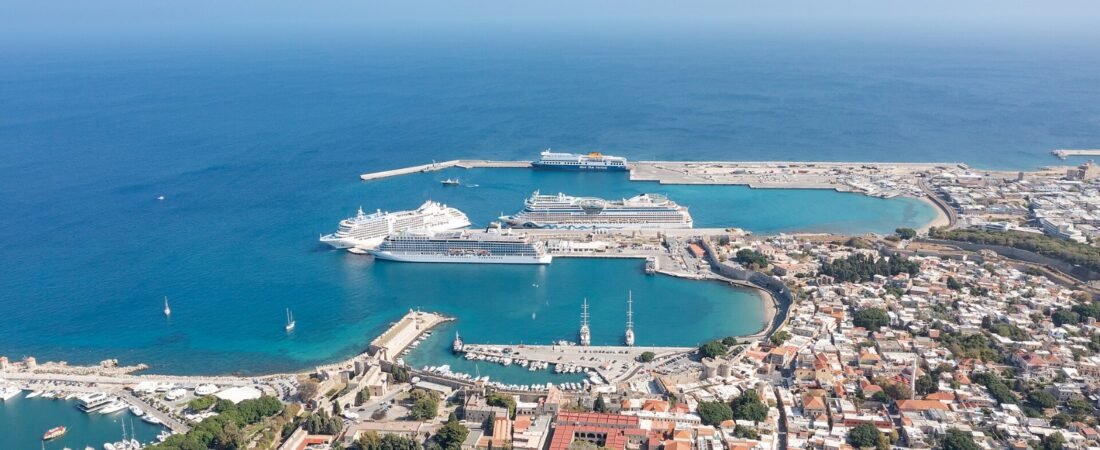
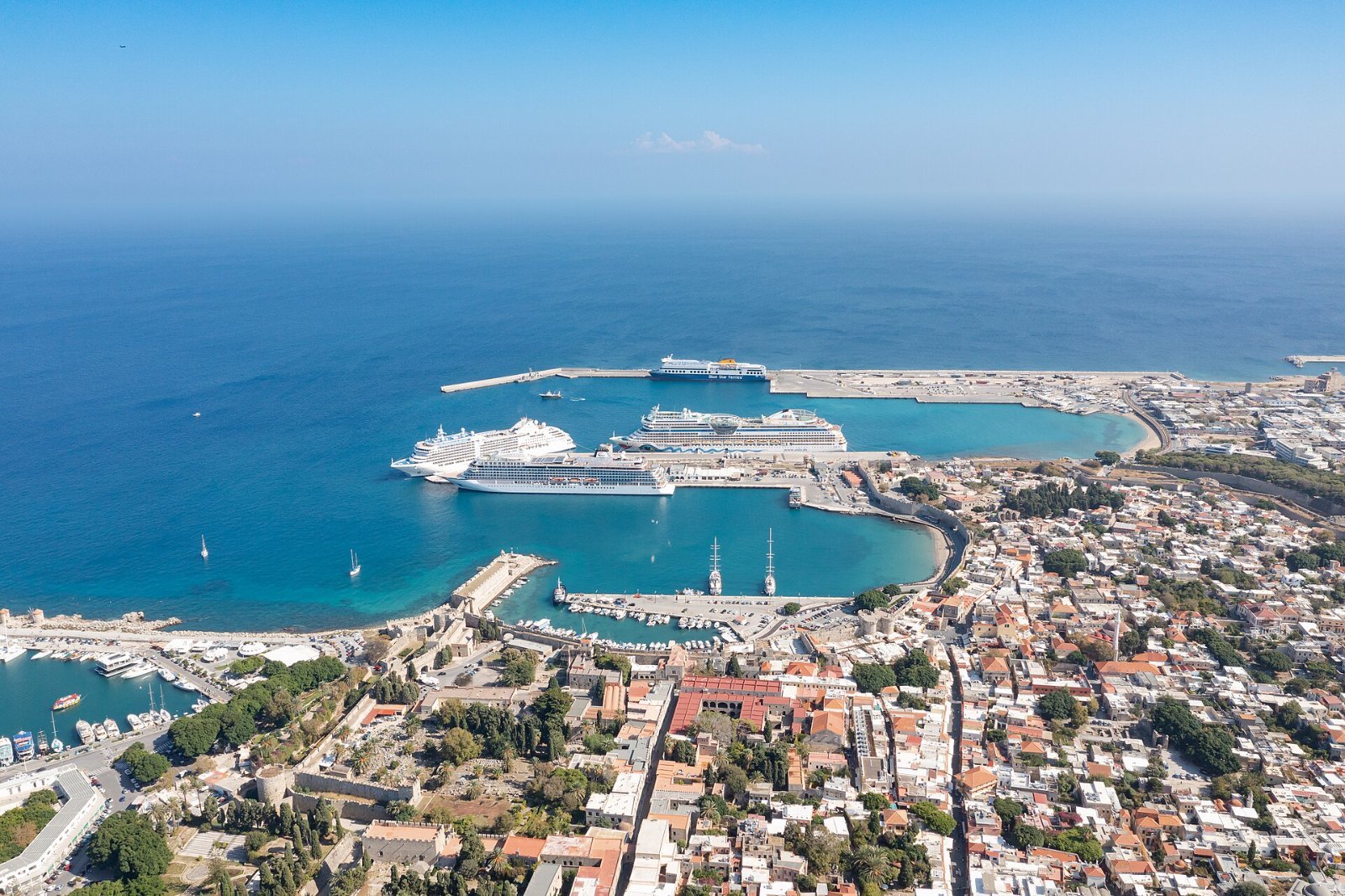
Illustrative Rhodes harbor view. Not a photograph of the resorts compared below.
Rhodes and Corfu sit at opposite ends of Greece, and they feel like opposite ends of a mood board too: one dry, sun-baked and Aegean, the other green, mild and distinctly Ionian. This guide focuses on Rhodes vs Corfu specifically for travelers choosing between the two rather than deciding whether to visit Greece at all, comparing their old towns, weather patterns, resort options and the practical question of which one actually suits your trip.
Research-based guide · Official sources checked 25 September 2026. This is not a first-hand stay review or a ranking based on guest scores.
The Real Difference: Aegean Heat vs Ionian Green
Rhodes sits in the southeastern Aegean, closer to Turkey than to Athens, and its climate reflects that: long, reliably dry summers and some of the most consistent sunshine hours in Greece. Corfu sits in the Ionian Sea off Greece’s northwest coast, closer to Italy, and gets meaningfully more rainfall across the year, which is exactly why it looks so much greener, with olive groves and cypress-lined hills rather than the drier, rockier terrain typical of the Aegean islands. Neither pattern is better, but they produce very different holidays, and this comparison treats that as the central decision rather than a footnote. Even the sea itself looks different: Rhodes’ Aegean coastline tends toward deep blue with more wind-driven texture, especially on its eastern beaches in the afternoon meltemi, while Corfu’s sheltered Ionian bays are often glassy and calm, a detail that matters if watersports or a specific look in your photos is part of the plan.
Rhodes: Old Town, Dodecanese Scale, and Reliable Summer Sun
Rhodes is the largest of the Dodecanese islands, and its medieval Old Town, built by the Knights of St John and later shaped by Ottoman and Italian rule, is one of the best-preserved fortified towns in Europe. The island’s resort belt runs along its east coast toward Lindos and Faliraki, with quieter west-coast options for travelers who want distance from the busiest beach towns. Rhodes suits travelers who want dependable summer weather, a genuinely walkable historic center, and easy day trips to smaller Dodecanese islands like Symi. The island’s main airport sits roughly midway along the west coast, close enough to most resort areas that transfer times rarely exceed forty-five minutes, a logistical advantage worth weighing against Corfu’s own geography below. Beyond the Old Town, Lindos itself is worth a half-day visit for its acropolis and whitewashed village, though its narrow lanes get crowded by midday when cruise excursions arrive; an early morning or early evening visit avoids most of that. Renting a car is the most practical way to see the island beyond your resort, since Rhodes is large enough that public transport between the main towns and beaches is comparatively limited.
Corfu: Venetian Architecture, Ionian Greenery, and a Shorter UK Flight
Corfu’s Old Town carries four centuries of Venetian rule followed by French and British administration, visible in its arcaded streets, cricket pitch and Georgian-style buildings, a mix that is unusual anywhere in Greece. The island’s north and northeast coasts hold most of its established luxury resorts, with calmer, more sheltered water than the open Aegean. Corfu also sits noticeably closer to the UK and central Europe than Rhodes does, which typically shaves thirty to forty-five minutes off flight times from major departure airports. Beyond Corfu Town, the island’s interior is genuinely mountainous and forested, with hill villages like Pelekas offering some of the best sunset views in the Ionian, and the beaches at Paleokastritsa combine dramatic cliffs with calm, clear coves that suit swimmers more than sunbathers looking for wide sand. As on Rhodes, a rental car opens up far more of the island than staying resort-bound.
Compare the Top Luxury Resorts Side by Side
| Resort and source | Island | Setting | Standout feature |
|---|---|---|---|
| Lindos Blu Luxury Hotel & Suites | Rhodes | Near Lindos, east coast | Adults-oriented, private-pool suites |
| Grecotel LUX Me Rhodos | Rhodes | West coast, near the airport | Large grounds, family and couple room categories |
| Domes Miramare, a Luxury Collection Resort | Corfu | Dassia Bay, northeast coast | Adults-only, sea-facing pool suites |
| Grecotel Corfu Imperial | Corfu | Kommeno peninsula, northeast coast | Private beaches, large-scale grounds |
Confirm current room categories, meal plans and minimum-stay rules directly with each property, since rates and package inclusions on both islands shift materially between shoulder season and peak August dates. Adults-only and family-friendly wings exist at several of these properties, so double-check which building or room category you are actually being quoted before comparing prices across the two islands.
Weather and Sea Temperature: Why the Ionian Feels Different
Rhodes typically records more sunshine hours per month than Corfu across the entire season, and its sea stays swimmable slightly longer into autumn. Corfu, by contrast, sees more rain concentrated in spring and autumn, with a genuinely lush landscape as the payoff; even midsummer in Corfu tends to feel a touch less intense than the driest weeks on Rhodes. If your priority is guaranteed beach weather for a short trip, Rhodes is the safer bet; if you want scenery that looks more like the Amalfi Coast than the classic whitewashed Cyclades, Corfu delivers that more consistently. Month by month, June and September are strong choices on both islands: warm enough to swim comfortably, without the peak-July-and-August combination of higher prices, fuller resorts and the most intense heat. Late April and October can still work on Rhodes given its drier profile, while the same shoulder months on Corfu carry a higher chance of rain interrupting outdoor plans.
Which Island Fits Your Trip: Honeymoon, Family, or History-First
For a honeymoon built around an atmospheric old town plus beach time, Rhodes’ fortified city and Lindos’ acropolis give it a slight edge in variety within a single island. For a first Greek trip with children, Corfu’s calmer water and greener parks generally make logistics easier. For travelers whose main draw is layered European history rather than beach time specifically, either island works, but Rhodes’ Knights of St John fortifications are more extensive than anything comparable on Corfu. Both islands also work well as a base for a single day-trip island: a boat excursion from Rhodes to Symi’s pastel-colored harbor is a popular full-day add-on, while Corfu-based travelers often take a day trip to Paxos and Antipaxos for some of the clearest water in the Ionian. Neither trip requires an overnight stay, so it is easy to fold one into a week-long resort stay without restructuring the whole itinerary. If neither Aegean heat nor Ionian rain sounds right, our Crete guide and Naxos guide cover two more Greek climates worth comparing before booking.
Compare the Full Booking Cost
Flight cost and timing often matter more than the nightly resort rate when choosing between these two islands, since departure options and seasonal pricing differ significantly by departure country. Package holidays bundling flights and hotel are common to both islands from European markets and can undercut booking flights and resorts separately, but they usually lock you into a narrower choice of room categories, so compare the total cost of both approaches before deciding.
- Compare flight time and route options from your specific departure airport; Corfu often has more direct European connections than Rhodes.
- Use identical dates, guest numbers, room categories and meal plans when comparing resort quotes across the two islands.
- Check whether airport transfers are included, since some Corfu resorts on the northeast coast have longer transfer times than their Rhodes equivalents near Lindos.
- Confirm cancellation deadlines separately for flights and resort bookings, since the two are rarely aligned.
- Ask about shoulder-season (May, June, September) rates on both islands before assuming August pricing applies.
Frequently Asked Questions
Is Rhodes or Corfu hotter in summer?
Rhodes is generally hotter and drier, with more consistently sunny days through summer. Corfu, in the Ionian Sea, gets more rainfall overall and slightly cooler summer evenings, with lush greenery as a result.
Which is better for history, Rhodes or Corfu?
Both have UNESCO-listed old towns. Rhodes Old Town centers on a well-preserved medieval fortified city built by the Knights of St John. Corfu’s Old Town reflects Venetian, French and British influences layered over four centuries; see UNESCO’s World Heritage list for both sites’ official inscriptions.
Is Corfu closer to the UK than Rhodes?
Yes. Corfu’s flight time from most UK airports is typically around three hours, roughly 30 to 45 minutes shorter than the flight to Rhodes, which sits further southeast in the Aegean.
Can you combine Rhodes and Corfu in one trip?
It is possible but not simple, since there is no direct ferry and few direct flights between them; most itineraries connect through Athens. Most travelers choose one island per trip rather than combining both. For a multi-island Aegean trip instead, see our Greek island hopping guide.
Which island is better for a family trip?
Corfu’s calmer Ionian waters and greener landscape suit families with younger children, while Rhodes offers more consistent beach weather and a wider range of resort sizes for larger groups. For a honeymoon-specific comparison instead, see our Zakynthos honeymoon guide, another Ionian option with its own character.
Explore more of our Destination Comparisons to weigh other Greek islands against each other, or read our Santorini vs Mykonos comparison if the Cyclades are also on your list. Verify each property’s current rates and policies before booking. Whichever island you choose, book resort transfers and any day-trip excursions in advance during July and August, when both Rhodes and Corfu see their highest demand and last-minute availability narrows quickly.