Bonaire vs Curacao: Best Caribbean Island for 2026?
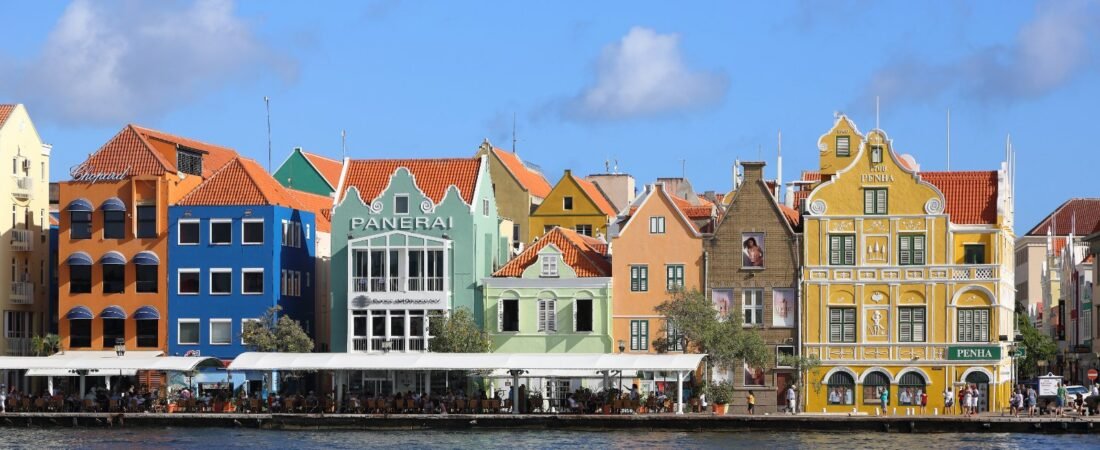
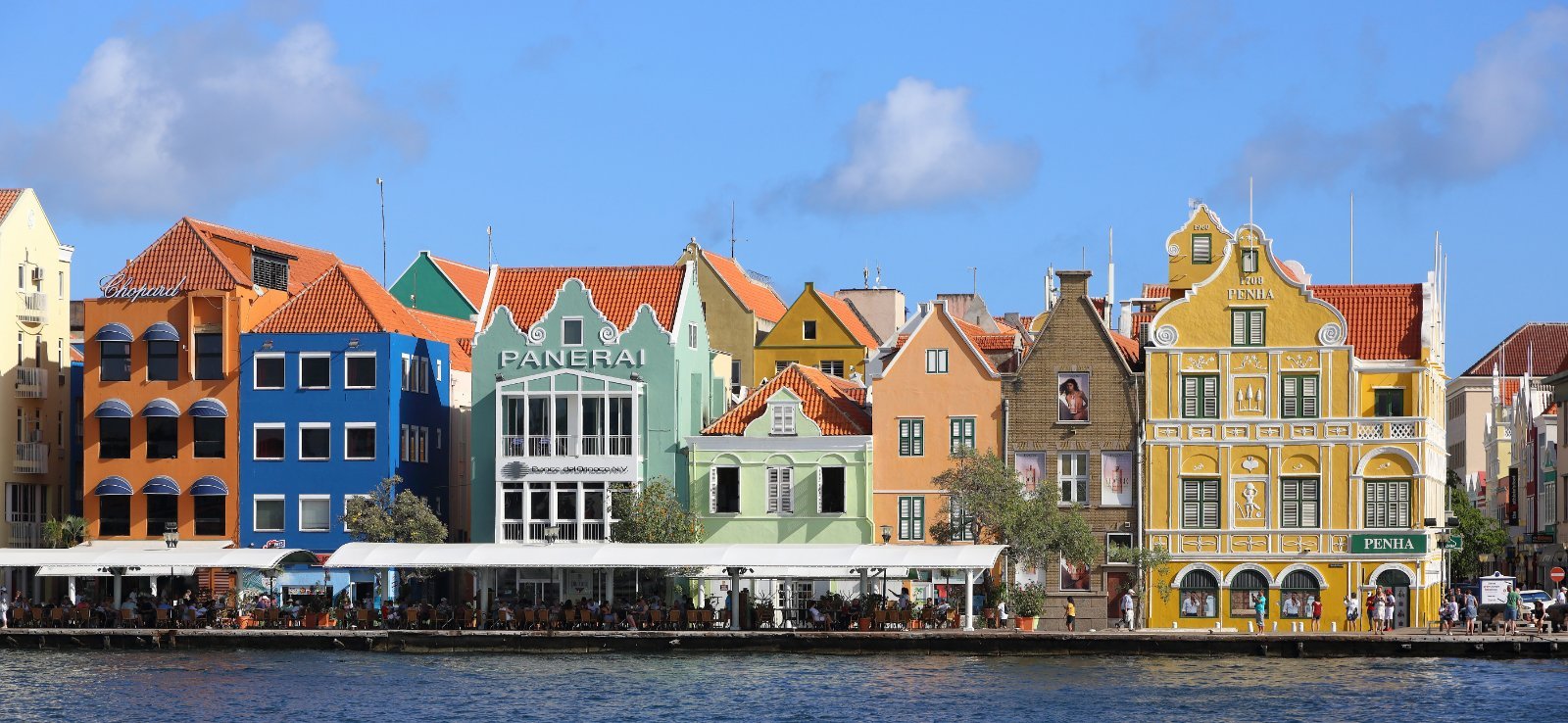
Illustrative island photograph. Not a photograph of the resorts compared below.
Bonaire and Curacao sit next to each other off the coast of Venezuela, both part of the Dutch Caribbean and both largely outside the main Atlantic hurricane belt, which is a major reason divers and sun-seekers treat them as a similar category of trip. This guide focuses on choosing between Bonaire and Curacao specifically for travelers deciding between a diving-first island and a destination that pairs a livelier capital city with beach time, since the two islands solve genuinely different priorities despite their shared geography and colonial history. It also covers currency, weather patterns relative to the wider hurricane belt, and how travelers sometimes combine both islands into a single trip.
Research-based guide · Official sources checked 25 September 2026. This is not a first-hand stay review or a ranking based on guest scores.
Bonaire: Built Around Shore Diving
Bonaire’s entire coastline on its leeward side is protected as the Bonaire National Marine Park, established in 1979 and among the oldest managed marine parks in the Caribbean, and the island is built almost entirely around shore diving rather than boat-only dive trips. A well-known local system marks named dive sites along the coast road with yellow-painted rocks, and renting a pickup truck to load tanks and dive independently, at your own pace, any time of day, is a core part of the Bonaire experience rather than a niche option. This makes Bonaire a strong fit for certified divers who want maximum time underwater without booking a boat schedule, but it means the island has comparatively little in the way of nightlife or large-scale resort infrastructure. Because so much of the diving infrastructure is self-directed, Bonaire also tends to attract a slightly older, more experienced diving crowd compared with destinations built around guided boat excursions.
Curacao: A Livelier Capital and More Resort Variety
Curacao’s capital, Willemstad, is a UNESCO World Heritage Site known for the colorful Dutch colonial facades along the Handelskade waterfront and the Queen Emma pontoon bridge that swings open to let ships pass through St. Anna Bay. Curacao also has a wider range of resort styles than Bonaire, from larger beachfront properties to boutique hotels near Willemstad, along with a more developed restaurant and nightlife scene drawing on the island’s mixed Dutch, Latin American, and Caribbean influences. Divers still have good options on Curacao, including the well-known Superior Producer wreck and the Curacao Sea Aquarium, but diving there is generally more boat- and operator-based than Bonaire’s drive-up shore-diving culture. Willemstad’s historic center is compact enough to explore on foot in a morning, and its restaurant scene draws comparisons to larger Dutch Caribbean cities rather than a typical small-island strip of beach bars.Currency and Practical Logistics
Bonaire is a special municipality of the Netherlands and has used the US dollar as its official currency since 2011, which simplifies budgeting considerably for American travelers. Curacao, a separate constituent country within the Kingdom of the Netherlands, introduced the Caribbean guilder in 2025 to replace the old Netherlands Antillean guilder, and the new currency is pegged to the US dollar, though US dollars are also widely accepted in tourist areas. Both islands are reached by direct flights from several US gateway cities including Miami, Atlanta, and Houston, along with connections from the Netherlands given the shared Dutch governance. Neither currency situation should meaningfully affect a US traveler’s budgeting, since both islands price most tourist services in a way that is easy to convert from or pay directly in US dollars.Weather and When to Go
Both islands sit low enough and far enough south that they are considered outside the main Atlantic hurricane belt tracked by NOAA’s National Hurricane Center, which is one of the biggest draws for travelers who want to avoid the June-through-November storm season that affects much of the rest of the Caribbean. That said, “outside the main belt” does not mean zero risk, and both islands can still see indirect effects from nearby systems, so it is still worth checking current-season guidance before travel. Because neither island depends heavily on a narrow high season the way storm-exposed islands do, room rates on both tend to be somewhat steadier across the year than on islands further into the hurricane belt.Which Island Fits Which Traveler
Bonaire suits certified divers, and travelers generally comfortable entertaining themselves without a resort’s worth of restaurants and nightlife, who want to prioritize time underwater above everything else. Curacao suits travelers who want a mix of beach time, a walkable and photogenic capital city, and a wider range of dining and nightlife, with diving available as one activity among several rather than the entire point of the trip. Neither island is a strong match for travelers who specifically want an all-inclusive resort culture on the scale of islands like Jamaica or the Dominican Republic; both lean toward independent, a-la-carte travel rather than large all-inclusive complexes. Neither island is the right call for travelers who specifically want a wide, powder-white beach as the centerpiece of a trip; both have good but comparatively modest beaches next to islands like Aruba or the Bahamas. Divers deciding purely on cost sometimes also weigh flight prices from their home city, since routing and seasonal fares to Bonaire and Curacao can differ more than the on-the-ground cost of either island once you have arrived.
Combining Both Islands in One Trip
Because Bonaire and Curacao are close together and both well connected through regional carriers, some travelers combine a diving-focused stretch on Bonaire with a few final days in Willemstad on Curacao before flying home, effectively getting both the underwater-focused and the city-and-beach sides of the ABC islands in a single trip. Flight schedules between the two are not as frequent as flights to the islands from the US mainland, so it is worth checking routing carefully when planning a two-island itinerary rather than assuming same-day connections are always available. Cruise itineraries sometimes stop at both islands within the same week, which is a lower-commitment way to compare them before deciding where to spend a longer, hotel-based trip in the future. Travelers with limited vacation time more often pick one island and go deep on it rather than splitting a short trip across two airports and two check-ins, saving the two-island combination for a longer trip.Bonaire vs Curacao at a Glance
| Category | Bonaire | Curacao | Edge |
|---|---|---|---|
| Diving style | Drive-up shore diving, marine park | Boat- and operator-based diving | Bonaire for dedicated divers |
| Capital city life | Small, low-key Kralendijk | Willemstad, UNESCO waterfront | Curacao for city and nightlife |
| Currency | US dollar since 2011 | Caribbean guilder (pegged to USD, 2025) | Tie, both USD-friendly |
| Resort variety | Limited, dive-focused lodging | Wider range including boutique hotels | Curacao for resort choice |
This comparison is part of a Caribbean series that also covers Turks and Caicos, Grand Cayman, and Aruba, the third of the ABC islands. Background on the wider group is on the ABC islands Wikipedia entry, and official Curacao travel information is at curacao.com.
Frequently Asked Questions
Is Bonaire or Curacao better for non-divers?
Curacao generally suits non-divers better, thanks to Willemstad’s walkable historic waterfront, wider dining scene, and beach clubs, while Bonaire is built primarily around its shore-diving culture.
What currency do Bonaire and Curacao use?
Bonaire uses the US dollar. Curacao introduced the Caribbean guilder in 2025, pegged to the US dollar, and US dollars are also widely accepted in tourist areas.
Are Bonaire and Curacao outside the hurricane belt?
Both islands sit largely outside the main Atlantic hurricane belt, but they are not completely risk-free, so checking current storm-season guidance before travel is still worthwhile.
Can I visit both Bonaire and Curacao in one trip?
Yes, the islands are close together and connected by regional flights, though schedules are less frequent than flights from the US mainland, so routing needs to be checked in advance.
Is Bonaire good for non-certified divers?
Bonaire still works for snorkelers and beginners through introductory dive courses, but its main appeal is aimed squarely at certified divers who want independent, drive-up access to dive sites.
Is Curacao safe for independent travel?
Curacao is generally considered a stable, well-developed Dutch Caribbean destination, and Willemstad in particular is walkable and well set up for independent, non-resort travel by day.