Best Time to Visit Surin Islands, Thailand 2026
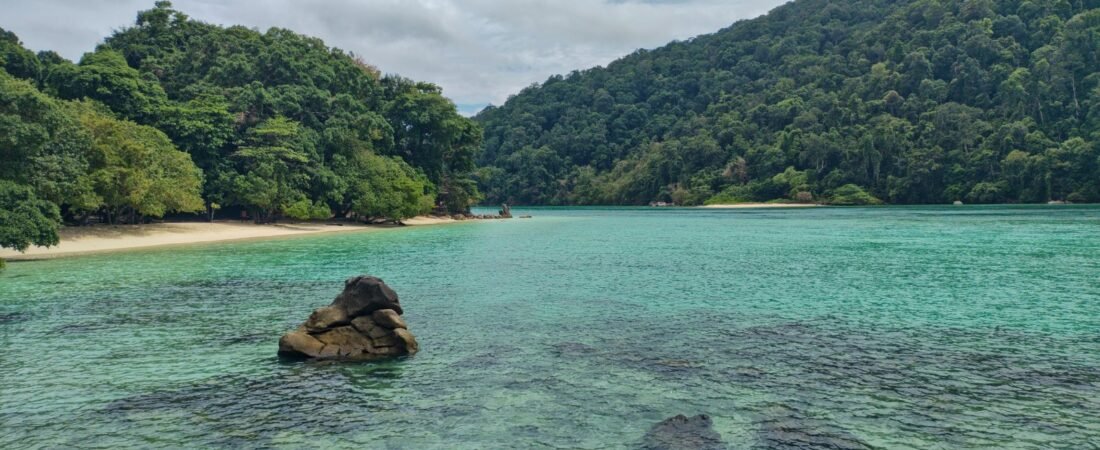
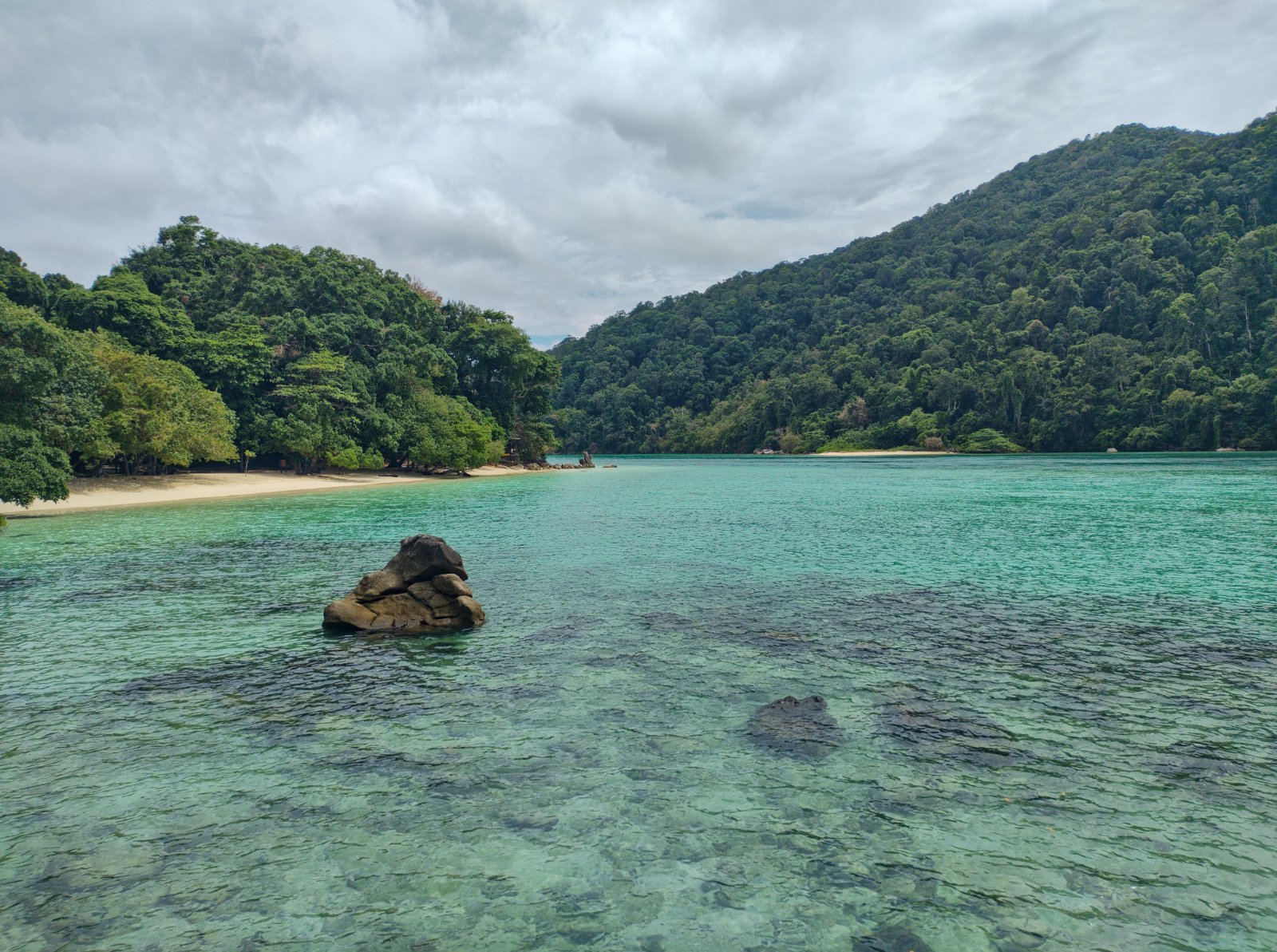
Illustrative Surin Islands photograph. Not a photograph of a specific dive site.
Best Time to Visit Surin Islands, Thailand 2026
The Surin Islands close entirely for roughly five months every year, which makes timing the single most important decision for anyone planning a trip. This guide focuses on exactly when to go to Mu Ko Surin National Park specifically for travelers planning a diving or snorkeling trip from Khao Lak or Phuket, since getting the calendar wrong here doesn’t mean a slightly worse trip — it means no trip at all. We cover the official park closure window, the best diving months within the open season, weather patterns, and how to build a Surin trip around a longer Andaman coast itinerary.
Why the Calendar Matters More Here Than Almost Anywhere Else in Thailand
Mu Ko Surin National Park, like its southern neighbor Mu Ko Similan, closes to all visitors during the southwest monsoon — not a soft recommendation but an enforced closure with no exceptions for private charters or liveaboards. This is unusual even by Thailand’s own standards, where most island destinations stay open year-round with reduced services during the rainy season. Surin’s closure exists because the open Andaman Sea swells that hit this stretch of coast during monsoon make both boat access and coral reefs genuinely unsafe, and the park authority uses the closed period to let reef systems recover from the previous season’s visitor traffic. Travelers coming from outside Thailand sometimes assume “monsoon season” means occasional heavy rain around otherwise workable beach days, the way it does on the Gulf coast around Koh Samui. The Andaman side is different: the same monsoon that brings rain also brings sustained onshore swell strong enough to make the crossing from Khura Buri genuinely hazardous for small boats, which is exactly why the closure is enforced rather than left to individual operators’ discretion.
This also means Surin behaves differently from most “shoulder season” advice you’ll read about Thailand generally. A lot of general Thailand travel content recommends the rainy season for lower prices and thinner crowds, and that’s often reasonable advice for Bangkok, Chiang Mai, or even Phuket’s beaches. It does not apply here. There is no discounted, rainy-season version of a Surin trip — the islands are either open and diveable, or closed and completely inaccessible, with nothing in between.
Official Park Closure Dates
Mu Ko Surin National Park typically closes from mid-May through mid-October, mirroring the Similan Islands closure a short distance south. Exact reopening and closing dates shift by a week or two most years depending on sea conditions, so treat mid-May and mid-October as planning anchors rather than fixed dates. The Department of National Parks, Wildlife and Plant Conservation publishes the confirmed annual dates each year, typically a few weeks before the season opens, and it’s worth checking directly rather than relying on a tour operator’s estimate when booking flights around the opening or closing weeks.
| Period | Conditions | Verdict |
|---|---|---|
| Mid-October to December | Seas settling, occasional late-monsoon swell, fewer crowds | Good value, some risk of choppy days |
| January to March | Calmest seas, best visibility, peak crowds | Best overall diving window |
| April to mid-May | Warm water, building swell toward closure | Good diving, book early closure-season trips with flexibility |
| Mid-May to mid-October | Park closed, no legal access | Do not plan a trip in this window |
The Best Diving Months Within the Open Season
January through March is the clear peak for both underwater visibility and manageable seas, which is also why liveaboard prices and mainland accommodation rates climb hardest in this window. Late October through December offers a genuine value alternative — seas are usually settled enough for comfortable crossings and diving conditions are still good, with noticeably fewer boats at popular sites like Richelieu Rock, which technically sits between Surin and the mainland and is often dived as part of a Surin itinerary. April into the first half of May can also deliver excellent visibility and warm water, though it carries more risk of an early swell forcing a last-minute itinerary change as the season winds down. Water temperature stays warm throughout the open season, generally in the high 20s to low 30s Celsius, so a 3mm wetsuit is sufficient for most divers regardless of which month you choose — the real trade-off across the season is crowding and price against a modestly higher chance of a rough crossing, not water comfort.
Snorkelers should note that conditions favoring divers don’t always favor surface swimmers in exactly the same way: light afternoon chop that a dive boat handles easily can make snorkeling around shallow reef edges less pleasant, so if snorkeling is your main activity, mornings are worth prioritizing across every month of the open season, not just as a general rule of thumb.
Getting There and Where to Base Yourself
Access to Surin runs through Khura Buri pier on the mainland, roughly 90 minutes north of Khao Lak by road, with speedboat transfers taking around an hour depending on conditions. Most travelers base themselves in Khao Lak rather than staying overnight in the park’s limited tent and bungalow accommodation, since it offers a far wider range of hotel standards; our Khao Lak resort guide covers the mainland options in more detail. Divers focused specifically on the Surin-Similan corridor should also compare our Similan Islands dive resort guide, since many liveaboards run both island groups on a single multi-day itinerary.
Weather, Sea State & What to Expect Month by Month
Air temperatures stay warm and fairly consistent year-round across the open season, so the deciding factor is sea state rather than heat. Expect calm mornings and building afternoon chop as a normal daily pattern even in peak season, which is why most snorkeling and dive boats depart early. The Thai Meteorological Department publishes Andaman Sea marine forecasts that are worth checking a few days ahead of any trip near the edges of the open season, and the Tourism Authority of Thailand maintains updated regional travel advisories that sometimes flag early or late closures tied to unusual weather years.
Building Surin Into a Longer Andaman Coast Trip
Because Surin only makes sense within a five-month window, most visitors pair it with a broader Andaman coast itinerary rather than treating it as a standalone destination. A common pattern is a Phuket or Krabi base with a multi-day extension north to Khao Lak specifically for the Surin-Similan window, or a full liveaboard itinerary that covers both island groups plus Richelieu Rock in a single week. Non-divers traveling with a diving partner should note that Surin day trips do offer snorkeling-only options at a lower price than a full dive package, and several liveaboards will accommodate a mixed group of divers and snorkelers on the same boat, which is worth confirming directly when booking a group trip with mixed skill levels or certifications. If your trip includes Krabi, our Krabi honeymoon guide is a useful reference for the more resort-heavy end of that same coastline.
Booking Timeline: What to Lock In and When
For the peak January–March window, book liveaboards and Khao Lak accommodation three to six months ahead, since the best boats and rooms sell out well before the season’s midpoint. For the value shoulder windows in late October–December and April–mid-May, four to eight weeks is usually enough, but keep your itinerary flexible in the two weeks immediately before the official closure date, since operators sometimes cancel the final scheduled trips of the season if a swell arrives early. Confirm any late-April or early-May booking directly with the operator rather than assuming a listed departure date will run as scheduled. Cancellation policies also deserve a close read at these edges of the season: reputable liveaboard operators will typically offer a credit or reschedule rather than a refund if a trip is cancelled for weather, so understand that policy before you pay a deposit, especially if you’ve built a tight connecting itinerary around a single scheduled departure.
Frequently Asked Questions
When exactly does Surin Islands National Park close?
Typically mid-May through mid-October, though exact dates shift by a week or two each year based on sea conditions. Check the Department of National Parks’ official dates before booking.
What is the single best month to visit Surin?
February is usually the sweet spot for calm seas and clear visibility, though January and March are close runners-up with slightly lower prices.
Can I stay overnight on the Surin Islands?
Yes, the national park operates basic tents and bungalows on Ko Surin Nuea, but most travelers prefer day trips or liveaboards based from Khao Lak given the limited comfort level on-site.
Is Richelieu Rock part of a Surin trip?
Richelieu Rock sits between Surin and the mainland and is commonly included on liveaboard itineraries covering the Surin Islands, especially for divers hoping to see whale sharks.
Is October a good time to go, right after reopening?
It can be, with lower prices and fewer crowds, but expect a higher chance of residual swell in the first few weeks after the park reopens compared with the January–March peak.
Do I need a wetsuit for Surin diving?
A 3mm wetsuit is generally sufficient year-round within the open season, since water temperatures stay warm regardless of month.
Get the calendar right and Surin delivers some of Thailand’s best diving with a fraction of Similan’s crowds; get it wrong and there’s no trip to salvage. Confirm the current year’s official opening and closing dates directly with the national park before finalizing flights, since these dates are published fresh each year and are not fixed from one year to the next. When in doubt, build your trip around the January–March core window rather than the shoulder edges — it costs more, but it removes almost all of the schedule risk that makes Surin planning trickier than a typical Thailand island trip.