Iriomote Island Travel Guide 2026
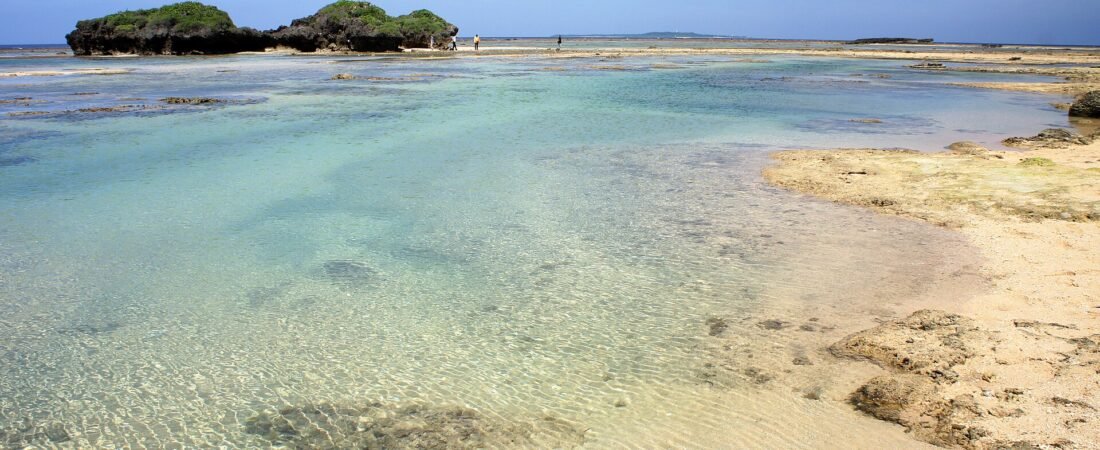
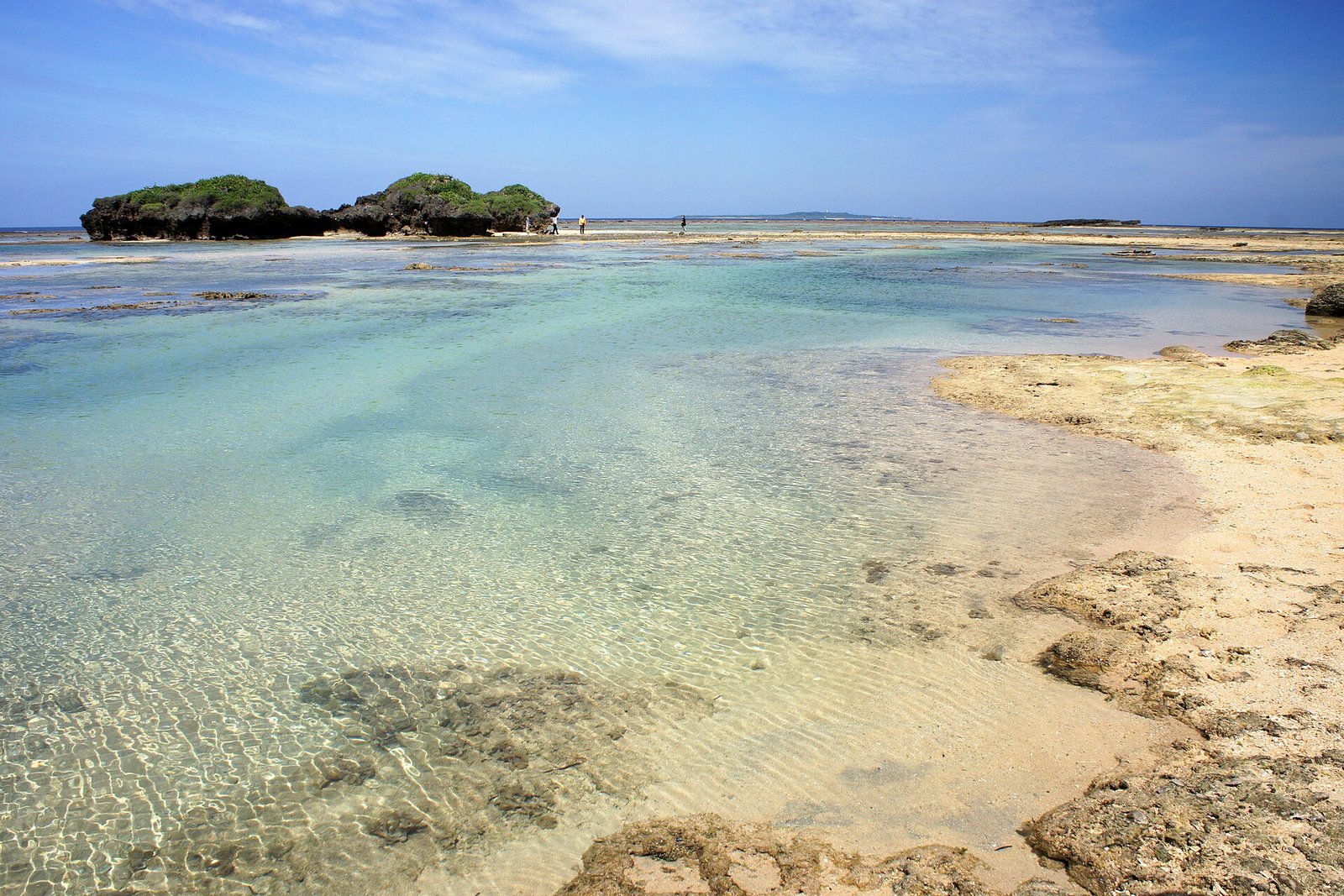
Hoshizuna-no-hama, Iriomote Island. Photo: 663highland / Wikimedia Commons (CC BY 2.5).
Iriomote is Japan at its wildest: a subtropical island in Okinawa’s Yaeyama chain where dense jungle, mangrove rivers and waterfalls run down to coral reefs. It is part of a UNESCO World Natural Heritage Site and home to the rare Iriomote wildcat, yet it remains far less visited than neighboring Ishigaki. This guide focuses on Iriomote specifically for nature-loving couples and families adding a few nights to an Okinawa or Ishigaki trip who still want comfortable accommodation, not hardcore campers or trekkers.
Research-based guide · Updated September 2026. Prices and policies change often; confirm directly with properties and operators before booking.
Quick answer: how to plan Iriomote
Fly to Ishigaki, take a 40 to 50 minute ferry to Uehara or Ohara, and stay two to four nights. Hoshino Resorts Iriomote Hotel is the island’s most resort-style stay; alternatively, base yourself at a luxury resort on Ishigaki or at Hoshinoya Taketomi Island and visit Iriomote on a long day trip.
Book guided river, waterfall and snorkeling tours in advance, as several areas require licensed guides.
Why Iriomote Stands Out in Okinawa
Roughly nine-tenths of Iriomote is covered in forest, and much of the island’s interior is untouched by roads. A single coastal road runs around the northern and eastern shores, ending at Shirahama in the west; beyond that, the southwest is reachable only by boat or on foot. The island has a population of only a few thousand people, spread across small villages.
In 2021, Iriomote was inscribed alongside Amami-Oshima, Tokunoshima and the northern part of Okinawa Island as a UNESCO World Natural Heritage Site, recognized for its exceptional biodiversity and endemic species. The most famous is the critically endangered Iriomote wildcat, found nowhere else on Earth, with only around a hundred individuals estimated in the wild.
For travelers, that translates into experiences rarely found elsewhere in Japan: kayaking up mangrove rivers, hiking to jungle waterfalls, snorkeling over reefs just offshore and gazing at extraordinary night skies. If you are planning a wider Okinawa itinerary, pair this guide with our round-up of the best luxury resorts in Okinawa.
Getting to Iriomote From Ishigaki
There is no airport on Iriomote. Most travelers fly into New Ishigaki Airport, which has direct flights from Tokyo, Osaka, Naha and other Japanese cities, plus some seasonal international routes. From the airport, it is about 30 minutes by bus or taxi to Ishigaki’s remote island ferry terminal.
High-speed ferries, operated mainly by Yaeyama Kanko Ferry and Anei Kanko, run to two ports on Iriomote: Uehara in the north, closest to the island’s main resort and the Urauchi River, and Ohara in the southeast, closer to the Nakama River and Yubu Island. Crossings take roughly 40 to 50 minutes.
- Winter winds: between roughly November and March, strong northerly winds often cancel the Uehara route. Ferries then divert to Ohara, with connecting buses to the north side.
- Car rental: a car makes it easy to reach trailheads and beaches; book ahead, as supply is limited.
- Timing: take a morning ferry to make the most of your first day, and avoid the last sailing of the day on your return if you have a flight.
Where to Stay on and Around Iriomote
Iriomote’s accommodation is limited and mostly simple. For comfort-minded travelers, there are three main approaches.
Stay on Iriomote at the island’s main resort
Hoshino Resorts Iriomote Hotel, near Tsukigahama Beach in the north, is the closest thing to a full resort on the island, with a pool, restaurants and guided nature programs such as night jungle walks and stargazing. It is the best option if you want to wake up surrounded by jungle and avoid daily ferries.
Book a private villa or boutique guesthouse
A growing number of private villas and small guesthouses offer stylish, self-contained stays, often with kitchens and sea views. Standards vary, so read recent reviews carefully and confirm how you will get to restaurants in the evening.
Base yourself on Ishigaki or Taketomi
If you prefer five-star amenities, stay at a resort on Ishigaki such as ANA InterContinental Ishigaki Resort, or at the ryokan-inspired Hoshinoya Taketomi Island, and visit Iriomote on day trips. This adds ferry time but gives you more dining and spa options. Travelers who love traditional Japanese hospitality may also enjoy our guide to the best luxury ryokan in Japan.
| Base | Style | Pros | Cons |
|---|---|---|---|
| Hoshino Resorts Iriomote Hotel | Island resort | Jungle setting, pool, guided nature programs | Limited dining alternatives nearby |
| Private villa or boutique guesthouse | Self-contained | Space, privacy, kitchens | Standards vary; car usually needed |
| Hoshinoya Taketomi Island | Luxury ryokan-style | Refined service, traditional village setting | Day trips require ferries |
| Ishigaki luxury resort | Full-service beach resort | Most dining and spa choices, easy flights | Longest daily travel to Iriomote |
| Simple minshuku on Iriomote | Family-run inn | Local character, home-cooked meals | Basic rooms, shared facilities |
Top Experiences on Iriomote
- Urauchi River cruise and waterfall hike: the longest river in Okinawa Prefecture is navigable by tour boat; from the landing, a jungle trail leads to Mariyudu and Kanpira falls.
- Pinaisara Falls by kayak: paddle through mangroves and hike to the top of Okinawa’s tallest waterfall, with views across the bay. This is usually done with a licensed guide.
- Nakama River mangrove cruise: an easy boat trip through one of Japan’s largest mangrove forests near Ohara.
- Yubu Island by water buffalo cart: a gentle, much-photographed crossing through shallow water to a small botanical island.
- Hoshizuna-no-hama: the “star sand beach,” where tiny star-shaped foraminifera shells mix with the sand, and good snorkeling at high tide.
- Barasu Island: a small islet made of coral fragments, reached by boat and surrounded by some of the region’s healthiest reefs.
- Stargazing: the Iriomote-Ishigaki National Park has been recognized as an International Dark Sky Park, and on clear nights the Milky Way is spectacular.
For reef-focused travelers comparing destinations across the Pacific, our Palau luxury resort guide covers another outstanding snorkeling and diving option.
Visitor Rules and Responsible Travel
Because Iriomote’s ecosystems are fragile, local authorities have introduced visitor-management measures, including daily limits and licensed-guide requirements for certain trails and rivers. Reputable tour operators handle registrations for you, which is one more reason to book guided activities in advance rather than improvising.
- Drive slowly: wildcats and other wildlife cross the roads, especially at night. Observe speed limits and warning signs.
- Stay on marked trails: flash floods can make river crossings dangerous after heavy rain; guides monitor conditions.
- Jellyfish season: box jellyfish can appear in summer, roughly June to September. Swim at beaches with stinger nets where available, and wear a rash guard.
- Take nothing: removing star sand, coral or shells is discouraged, and some materials are protected.
Useful official resources include the Ministry of the Environment of Japan for national park information and Visit Okinawa Japan for travel updates across the prefecture.
When to Visit and How Long to Stay
The most comfortable periods are generally April to mid-May, before Okinawa’s rainy season, and October to November, when summer heat eases and typhoon risk declines. Late June to September offers the warmest seas and bright summer skies but also high humidity and the peak of typhoon season, which can cancel ferries for a day or more.
Winter, from December to February, is mild, with daytime temperatures often around the high teens to low 20s°C. Hiking can be pleasant, but northerly winds make the sea rougher, affect ferry routes and reduce snorkeling opportunities. Japanese holiday periods, especially Golden Week in late April and early May and the Obon holidays in mid-August, see higher demand and prices.
Plan at least two full days on Iriomote to combine a river and waterfall trip with a beach or snorkeling day, and three or four nights if you want time for Pinaisara Falls, Barasu Island and stargazing without rushing. Many travelers pair Iriomote with a few nights in a big city at the start or end of their trip; see our guides to luxury hotels in Tokyo and luxury hotels in Kyoto.
A sample three-night itinerary
Day 1: morning ferry from Ishigaki to Uehara, check in, then an afternoon at Hoshizuna-no-hama and a sunset walk on Tsukigahama Beach. Day 2: Urauchi River cruise and the jungle trail to Mariyudu and Kanpira falls, followed by a guided night walk or stargazing session. Day 3: a half-day kayak and hike to Pinaisara Falls, then a relaxed afternoon at your hotel. Day 4: drive to the south side for a Nakama River mangrove cruise and the buffalo cart crossing to Yubu Island before an afternoon ferry from Ohara back to Ishigaki.
Frequently Asked Questions
How do you get to Iriomote Island?
Fly to Ishigaki, then take a high-speed ferry from Ishigaki’s remote island terminal to Uehara or Ohara on Iriomote. The crossing takes roughly 40 to 50 minutes.
Is Iriomote worth visiting as a day trip?
A day trip from Ishigaki can cover a river cruise and Yubu Island, but staying at least two nights lets you do waterfall hikes, snorkeling and stargazing without rushing.
What is the best hotel on Iriomote?
Hoshino Resorts Iriomote Hotel is the island’s most resort-style option, with a pool, restaurants and guided nature programs. Travelers wanting five-star amenities often stay on Ishigaki or Taketomi instead.
Do I need a guide on Iriomote?
Several rivers, trails and waterfalls require licensed guides or have visitor limits to protect the World Heritage environment. Booking guided tours is the easiest way to comply.
When is the best time to visit Iriomote?
April to mid-May and October to November generally offer the best balance of weather, sea conditions and crowds. Summer is warm but humid and falls within typhoon season.
Iriomote rewards travelers who slow down, book good guides and respect its fragile ecosystems. Combine it with our Okinawa resort guide or head north to Jeju Island for another subtropical island escape. Confirm ferry schedules and tour availability directly before you travel.