
Raja Ampat Honeymoon: How to Plan It (2026)
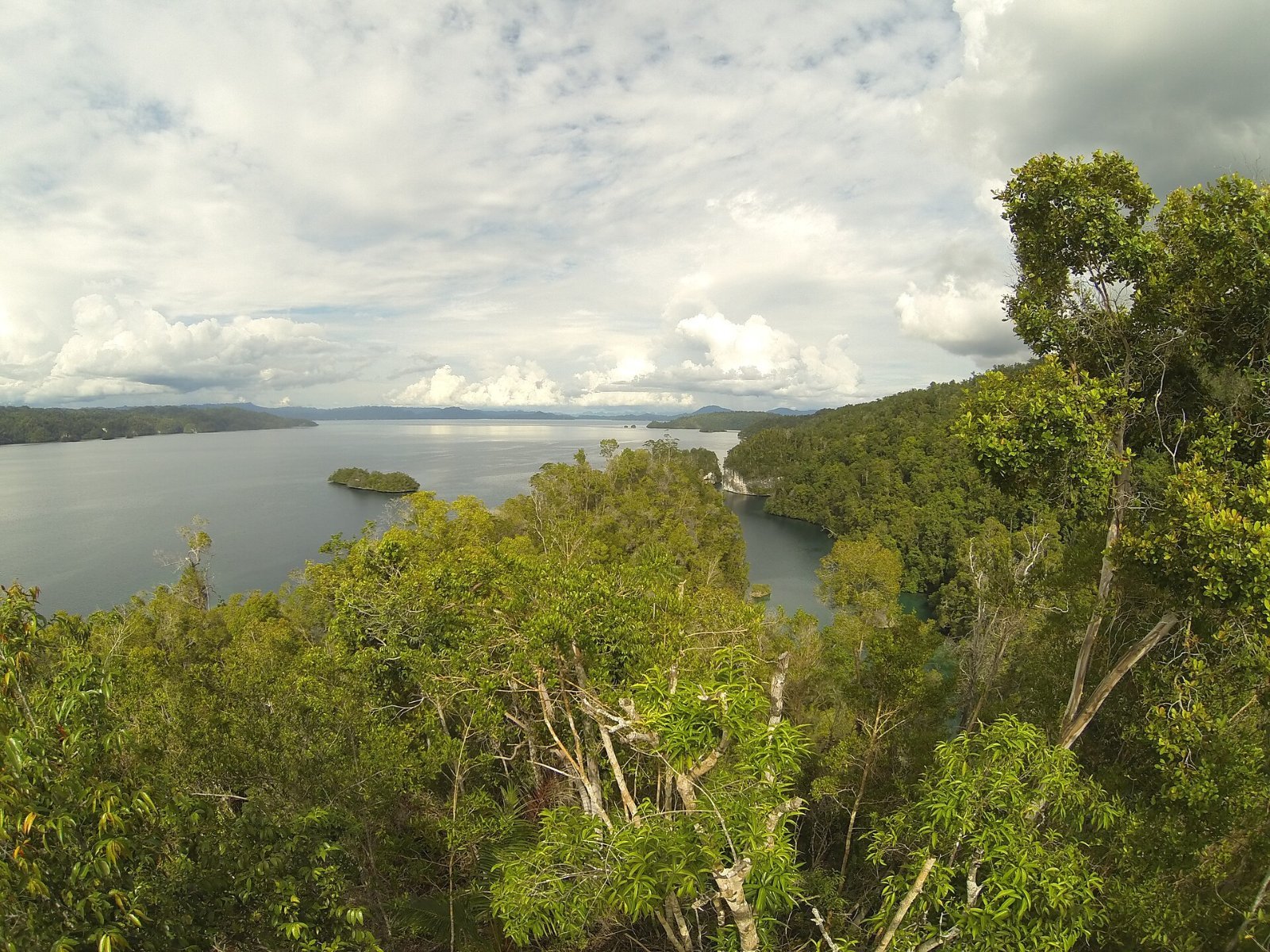
Illustrative island photograph. Not a photograph of the resorts compared below.
This guide focuses on planning a Raja Ampat honeymoon specifically for couples who want genuine remoteness and world-class marine life over a conventional resort-and-spa itinerary. A Raja Ampat honeymoon looks nothing like a Maldives or Bali honeymoon: instead of an overwater villa steps from the airport, you are planning around domestic flights, marine park permits and boat transfers, and the payoff is privacy and scenery that a mainstream honeymoon destination simply cannot match.
Research-based guide · Compiled from official tourism sources, September 2026. This is not a first-hand stay review or a ranking based on guest scores.
Quick answer
Plan on 6 to 9 nights, book your chosen homestay or eco-resort at least four to six months ahead, and base your honeymoon at one hub, most often Misool for privacy or Dampier Strait for easier logistics, rather than trying to island-hop across the regency during a short trip.
Why Raja Ampat Works for a Honeymoon
Raja Ampat’s appeal for couples is precisely what makes it demanding for other travelers: very low development, small guest counts even at its nicest properties, and days built around boat trips rather than buffet schedules. Couples who want a honeymoon that feels genuinely private, not just marketed as private, tend to find that here in a way that is harder to guarantee at a larger resort destination.
According to Wikipedia’s Raja Ampat Islands entry, the regency spans roughly 40,000 square kilometers of mostly undeveloped land and sea, which is part of why even its most established eco-resorts operate at a fraction of the room count of a comparable Bali or Maldives property. That scale is what gives a Raja Ampat honeymoon its particular character: fewer other guests, quieter beaches, and dive or snorkel outings that can feel like they belong to you alone. The official Indonesia.travel Raja Ampat page highlights this same low-density character as a core part of the region’s appeal to travelers seeking something beyond a conventional resort experience.
There is also a practical honeymoon argument for Raja Ampat: because so few couples make the effort to plan a trip here, the ones who do tend to find a level of individual attention from homestay owners and small resort staff that is harder to replicate at a larger property with hundreds of other guests checking in the same week.
Choosing Your Honeymoon Base
| Base | Privacy Level | Access | Best Suited To |
|---|---|---|---|
| Misool | Highest, remote eco-resorts | Separate route, longer transfer | Couples prioritizing seclusion and marine reserve diving |
| Dampier Strait (Mansuar/Kri) | Moderate, mix of homestays and small lodges | Easier, 2-3 hr from Sorong | Couples wanting easier logistics with strong diving |
| Waisai | Lower, small town base | Easiest, main transit hub | Couples using it as a transfer point, not the main stay |
| Liveaboard | High, private cabin option | Departs from Sorong or Waisai | Diving-focused couples wanting to cover more sites |
Most honeymooning couples choose a single base rather than combining two, since Raja Ampat’s inter-hub transfers eat into precious trip time; if you do want variety, a short liveaboard segment added to a land-based stay is the more efficient way to see more of the archipelago without constant repacking.
Whichever base you choose, ask specifically about honeymoon-relevant details when booking: whether the property offers any private dining option, whether rooms are spaced apart from each other or clustered close together, and whether the resort can arrange a private rather than shared boat for your excursions. These details vary enormously between properties in a way that generic star ratings do not capture, and Raja Ampat does not have the review volume of Bali or the Maldives to rely on for this kind of detail.
Step-by-Step Planning Timeline
Start four to six months out by choosing your base and booking accommodation directly, since the nicest eco-resorts and honeymoon-suited homestays have limited rooms and fill early, especially for the October-to-April high season. Book your Sorong flights next, allowing a buffer night on both ends of the trip in case of schedule changes.
About one month out, confirm your marine park entry tag process with your accommodation, since many properties handle this for guests on arrival in Sorong or Waisai rather than requiring you to arrange it independently. Two weeks out, reconfirm your boat transfer pickup point and time directly with your homestay or resort, since this detail is easy to lose track of amid flight bookings. In the final week, pack a printed or downloaded copy of your accommodation’s contact details and transfer instructions, since spotty signal on arrival in Sorong can make it hard to look things up on the spot.
A background note worth building into this timeline: the marine park permit system exists to fund local conservation, and background on the Coral Triangle’s ecological importance is available from Wikipedia’s Coral Triangle entry, useful context to share with a partner who is new to why this destination commands the access costs it does.
For the seasonal side of this timeline, our best time to visit Raja Ampat guide covers month-by-month conditions in detail, and our full Raja Ampat travel guide covers the broader logistics of getting there.
Romantic Experiences to Build Into Your Itinerary
A private sunset boat trip around your hub’s nearby islets is the single most commonly recommended honeymoon addition, and most homestays and resorts can arrange one with a day or two’s notice. Snorkeling together at a manta cleaning station near Mansuar or Arborek is a shared, non-diver-friendly experience that couples consistently rate as a trip highlight, since it does not require either partner to be certified.
For couples who both dive, a two-tank private charter to a quieter site away from day-boat traffic is worth the extra cost for a honeymoon, and many dive operators will build a custom romantic itinerary around specific sites if you ask when booking. Non-diving experiences worth requesting in advance include a guided sunrise walk to a karst viewpoint before day-trip boats arrive, and a beach picnic set up on a small uninhabited islet near your base, both of which most homestays can organize with enough notice.
Couples celebrating a special date during their stay should mention it when booking rather than on arrival, since advance notice gives smaller properties time to plan something meaningful rather than scrambling for a generic gesture. If your honeymoon plans might extend to a second, more infrastructure-heavy destination, our Anambas Islands honeymoon villas guide covers a comparable but more accessible remote Indonesian archipelago.
Budgeting for a Raja Ampat Honeymoon
Budget separately for accommodation, access costs and activities: even a honeymoon-appropriate eco-resort stay does not eliminate the marine park tag, Sorong flights and boat charter costs that apply to every Raja Ampat visitor. Couples upgrading from a homestay to Misool’s eco-resorts should expect a substantial jump in nightly rate in exchange for private bathrooms, a dedicated dive center and a noticeably quieter property. Set aside a separate contingency amount for weather-related changes, since a rerouted liveaboard segment or an extra buffer night in Sorong due to a delayed flight is common enough that it should be part of your budget rather than treated as a rare exception.
Couples on a tighter budget can still make a Raja Ampat honeymoon work by choosing a well-reviewed homestay over an eco-resort and limiting the trip to one hub rather than adding a liveaboard segment; the core experience of manta snorkeling and karst-island scenery does not require the highest price tier to be memorable.
If a full Raja Ampat honeymoon exceeds your budget or timeline, comparing it against a more accessible Indonesian alternative is worth doing before you commit; our Raja Ampat versus Bali comparison lays out the cost and convenience trade-offs directly.
Packing and Practical Honeymoon Tips
Pack for a genuinely offline stretch of your honeymoon: bring a physical book or downloaded entertainment, since wifi is limited or absent at most properties outside Waisai. Bring reef-safe sunscreen, a dry bag for boat transfers, and a light rain layer regardless of season, since Raja Ampat’s weather can shift quickly even in the calmer months. Confirm with your resort in advance whether they offer a private dinner or in-room celebration setup, since availability and pricing vary far more here than at a standard honeymoon resort.
Frequently Asked Questions
Is Raja Ampat too remote for a honeymoon?
Not if you plan around it: the remoteness is the main draw for couples specifically seeking privacy and nature, but it does require more advance planning than a resort-based honeymoon destination.
How many nights should a Raja Ampat honeymoon be?
Most couples plan 6 to 9 nights at one main base, which allows time to settle in and enjoy the destination without rushing between hubs.
Do both partners need to dive for a Raja Ampat honeymoon?
No, snorkeling at manta cleaning stations and visiting the karst-island viewpoints do not require certification, so mixed diver and non-diver couples can both find things to do together.
Which base is best for a first Raja Ampat honeymoon?
Dampier Strait around Mansuar or Kri offers the best balance of easier logistics and strong diving and snorkeling for a first visit; Misool suits couples prioritizing maximum privacy who are comfortable with a longer transfer.
How far in advance should we book our Raja Ampat honeymoon?
Book four to six months ahead for the October-to-April high season, and earlier for December-January dates, since the nicest honeymoon-suited properties have very few rooms.