Best Luxury Resorts in Ishigaki 2026
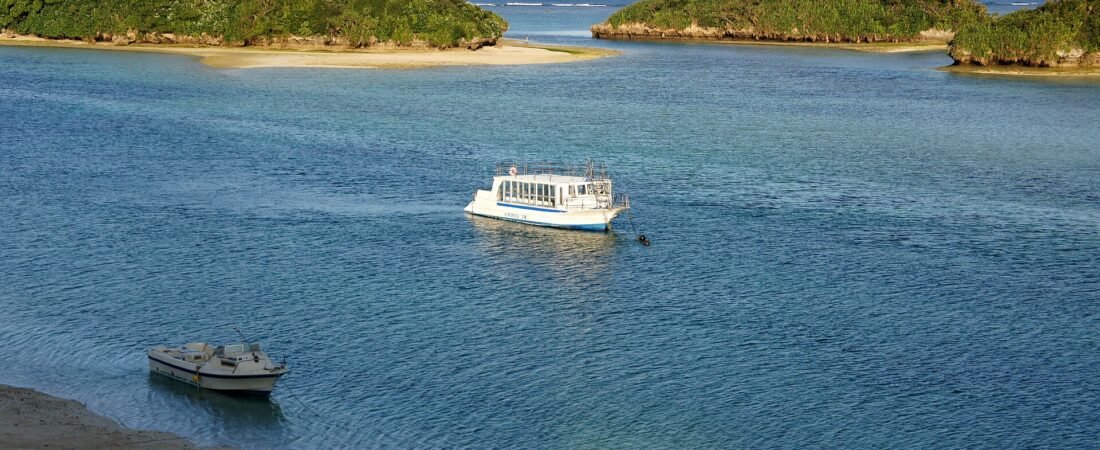
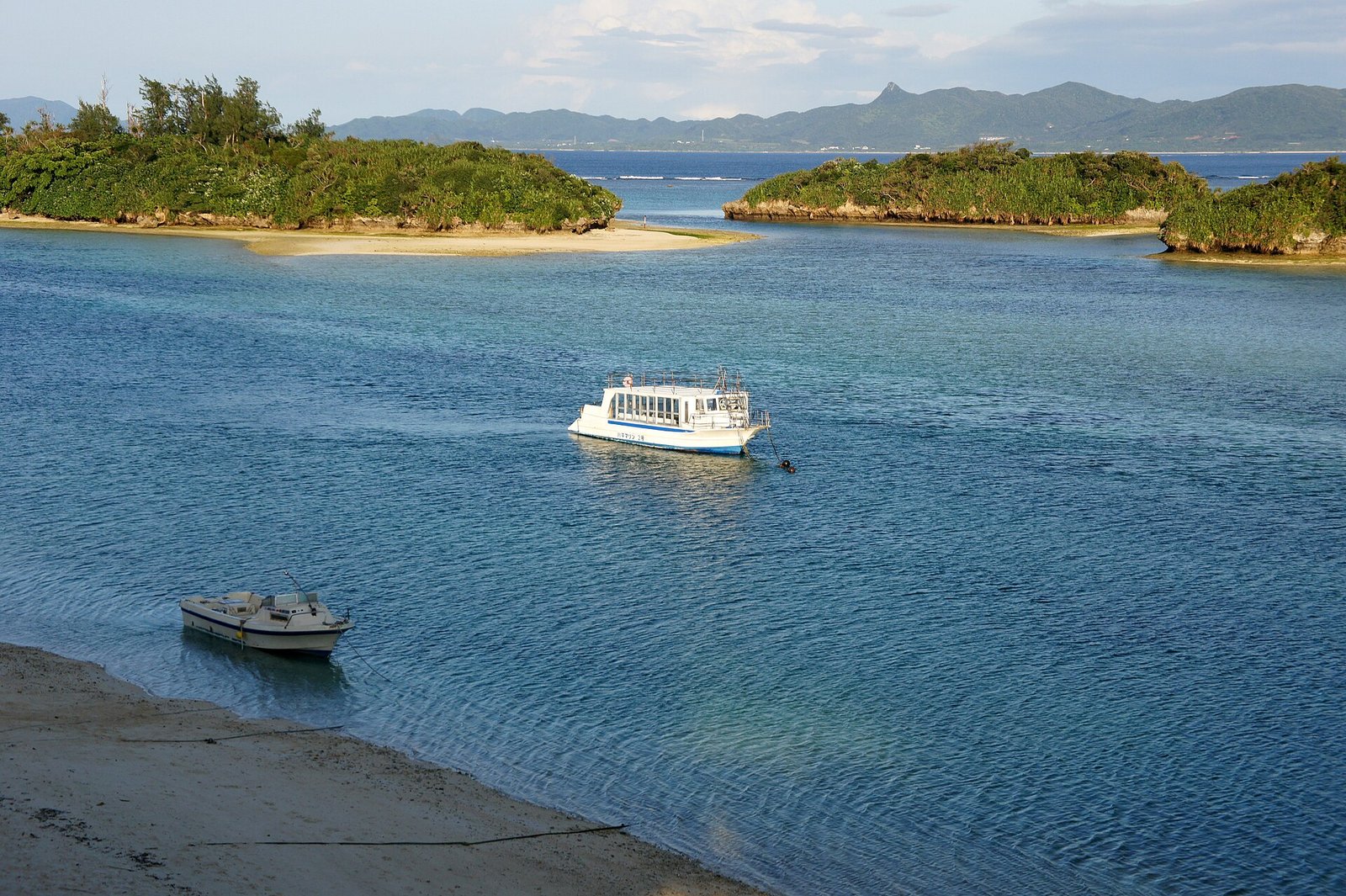
Kabira Bay, Ishigaki Island, in Japan’s Yaeyama archipelago.
Ishigaki is the gateway to Japan’s Yaeyama Islands, a subtropical chain closer to Taiwan than to Tokyo, and it has quietly become one of Asia’s most rewarding island escapes for travellers who want coral reefs without giving up Japanese service standards. This guide focuses on luxury resorts specifically for couples and small families who want to use Ishigaki as a comfortable base, either staying put on its beaches or hopping by ferry to Taketomi, Kohama and Iriomote. Rather than ranking every hotel on the island, we narrow the field to five properties that each solve a different trip style, then explain the practical details that decide whether your stay feels effortless or frustrating.
Last updated: September 2026. Rates, schedules and entry rules change often, so confirm details directly with properties and official sources before booking.
At a Glance
Best all-rounder: ANA InterContinental Ishigaki Resort, for its beachfront location on Maezato Beach, club lounge wing and easy access to the town and ferry port.
Best for sunsets: Fusaki Beach Resort Hotel & Villas on the west coast, with a calm beach and villa-style rooms.
Best all-inclusive: Club Med Kabira Ishigaki, set away from the town near Kabira’s coastline.
Best island-hop splurge: Hoshinoya Taketomi Island or Risonare Kohamajima, a short ferry ride from Ishigaki Port.
Best months: roughly April to early May and October to November for warm seas with lower typhoon and rainy-season risk.
Why Ishigaki Works for a Luxury Island Trip
Ishigaki sits at the heart of the Yaeyama group in Okinawa Prefecture, and much of its surrounding sea is protected as part of Iriomote-Ishigaki National Park. That status is the reason divers and snorkellers come: Sekisei Lagoon, between Ishigaki and Iriomote, is one of Japan’s largest coral reef areas, and manta rays are regularly seen at the well-known Manta Scramble site off the island’s northwest coast.
What makes Ishigaki different from many tropical islands is the infrastructure. The airport, officially New Ishigaki Airport, has direct domestic flights from major Japanese hubs including Tokyo and Naha, the town centre has excellent restaurants serving local Ishigaki beef and Yaeyama soba, and the ferry terminal runs frequent boats to the outer islands. You can have a remote-feeling beach day and still be back for a reservation-only dinner without planning a small expedition.
For travellers already familiar with the main island of Okinawa, Ishigaki feels noticeably more tropical and less built up. If you are still deciding between the two, our guide to the best luxury resorts in Okinawa covers the main-island options for comparison.
The 5 Best Luxury Stays On and Around Ishigaki
Each pick below solves a specific problem: convenience, sunsets, all-inclusive ease, or a more exclusive outer-island experience. We deliberately include two properties on neighbouring islands because many travellers end up happiest using Ishigaki for arrival and departure while spending the heart of the trip somewhere quieter.
1. ANA InterContinental Ishigaki Resort
This is the island’s largest international-brand beach resort, set on Maezato Beach a short drive from the town centre. The appeal is balance: you get a proper beachfront with water sports, several restaurants and pools, and a separate club-level wing with its own lounge and more refined rooms, while the ferry terminal and the town’s restaurants remain close by taxi. It suits first-time visitors who want to mix beach days with day trips.
The trade-off is scale. At busy times, especially Japanese holiday periods such as Golden Week and the summer school break, the main pool and beach can feel lively. Couples looking for calm should consider the club rooms and time their pool visits for early morning.
2. Fusaki Beach Resort Hotel & Villas
On the west coast, Fusaki faces the sunset and has its own sheltered beach, making it a favourite with families and with couples who value evening views over nightlife. Accommodation ranges from hotel rooms to villa-style units spread across landscaped grounds, which gives the property a more resort-village feel than a single tower.
It is a good choice if you plan to rent a car, because the west-coast location makes it easy to drive north toward Kabira Bay and the quieter beaches of the Hirakubo peninsula.
3. Club Med Kabira Ishigaki
Club Med’s Ishigaki resort sits near Kabira in the island’s northwest, well away from the town. The all-inclusive format covers meals, many activities and kids’ clubs for eligible ages, which makes budgeting simple for families. Check the Club Med website for the current seasonal opening calendar, as the resort has historically not operated year-round.
The remote location is both the draw and the drawback: it is peaceful, but you will rely on transfers or a rental car to explore.
4. Hoshinoya Taketomi Island
Taketomi is a tiny island roughly a 10 to 15 minute ferry ride from Ishigaki Port, famous for its preserved village of red-tiled houses, stone walls and white coral-sand lanes. Hoshinoya Taketomi Island recreates that traditional architecture in a series of private stand-alone guest houses, each with its own walled garden. It is the most distinctly Japanese luxury experience in the Yaeyamas and pairs well with a few nights on Ishigaki itself.
Expect a slower pace: evenings on Taketomi are very quiet once day-trippers leave, which is exactly why guests book it.
5. Risonare Kohamajima
Kohama sits between Ishigaki and Iriomote, and Hoshino Resorts’ Risonare Kohamajima occupies a large resort estate with a beach, pools and villa-style rooms. It is well suited to families and to couples who want resort facilities without Ishigaki’s traffic. From Kohama, Iriomote’s mangroves and waterfalls are within easy reach; our Iriomote Island travel guide explains how to plan that day.
The table below summarises how the five stays differ. Rather than quoting rates that change weekly, we indicate relative price tier and the kind of traveller each property suits best.
| Resort | Island / area | Best for | Style | Price tier |
|---|---|---|---|---|
| ANA InterContinental Ishigaki | Ishigaki, Maezato Beach | First-timers, island-hoppers | Large beach resort with club wing | $$$ |
| Fusaki Beach Resort | Ishigaki, west coast | Sunsets, families | Hotel plus villa-style rooms | $$–$$$ |
| Club Med Kabira Ishigaki | Ishigaki, near Kabira | All-inclusive families | All-inclusive resort | $$$ |
| Hoshinoya Taketomi Island | Taketomi Island | Couples, culture lovers | Private traditional-style houses | $$$$ |
| Risonare Kohamajima | Kohama Island | Families, quiet resort stays | Resort estate with villas | $$$ |
Choosing the Right Base: Town, Beach or Outer Island
Where you stay shapes the whole trip more than the resort brand does. Staying near Ishigaki town and Maezato Beach gives you the widest choice of restaurants and the shortest transfers to the ferry terminal, which matters if you intend to visit two or three outer islands. The downside is that the town side of the island is the most developed.
The north and west coasts, including Kabira, Fusaki and the Hirakubo peninsula, are where Ishigaki looks most like its postcards. Kabira Bay itself is stunning, but note that swimming is not permitted there because of boat traffic and currents; visitors instead take glass-bottom boat tours. Plan beach time at nearby beaches where swimming is allowed and check local flags and lifeguard notices.
An outer-island base, such as Taketomi or Kohama, suits travellers who value quiet over convenience. The practical rule is to spend your first and last nights on Ishigaki so that a cancelled ferry does not threaten a flight connection. Ferries are generally reliable, but strong winds can suspend sailings at short notice.
- Book the first and last night on Ishigaki itself to protect your flight connections from ferry cancellations.
- Reserve rental cars early for spring and summer; availability on the island is limited in peak weeks.
- Ask resorts about airport and ferry transfers when booking, as some include them in higher room categories.
- Bring reef-safe sunscreen and a rash guard; the sun is strong year-round.
- Check that your travel insurance covers weather-related disruptions during typhoon season.
When to Visit Ishigaki
Ishigaki has a subtropical climate with warm seas for most of the year. The rainy season typically arrives earlier than on mainland Japan, often from around May into June, and the typhoon season generally runs from summer into autumn, with August and September carrying the highest risk. The Japan Meteorological Agency publishes typhoon tracks that are worth checking in the days before travel.
For many travellers, the sweet spots are April to early May, before the rains, and October to November, when the heat eases and typhoon risk declines. Winter is mild and quiet but often windier and cloudier, which can limit boat trips. Japanese holiday periods, especially Golden Week in late April and early May, push up rates and fill ferries, so book early if you must travel then.
How to Get to Ishigaki
Most visitors fly into New Ishigaki Airport on domestic services from Tokyo, Osaka or Naha; flight times from Tokyo are roughly three hours. International routes, including seasonal services from Taiwan and Hong Kong, have operated at various times, so check current schedules rather than assuming a direct link. The Japan National Tourism Organization is a useful starting point for entry requirements and transport planning.
From the airport, taxis and airport buses connect to the town and to major resorts, and many luxury properties arrange transfers on request. A rental car is the easiest way to explore the north of the island; visitors from many countries need an International Driving Permit issued under the 1949 Geneva Convention, and Japan drives on the left. Ferries to Taketomi, Kohama and Iriomote leave from the Ishigaki Port Ritou Terminal in town.
If you are combining Ishigaki with mainland Japan, consider flying in via Tokyo and ending with a few nights in the city; our Tokyo luxury hotels guide and luxury ryokan guide help with that leg.
Signature Experiences Worth Planning Around
A few experiences justify building your itinerary around them. Snorkelling or diving with manta rays near the Kabira Ishizaki area is the headline; operators run trips most of the year, with sightings often best from late spring through summer. A glass-bottom boat at Kabira Bay shows the reef without getting wet, which is ideal for younger children.
On land, the drive to Hirakubo lighthouse and the Tamatorizaki observation point rewards early risers, while Mount Omoto, the highest peak in Okinawa Prefecture, offers a short forest hike. In the evening, Ishigaki beef is the local splurge, and many high-end restaurants in town serve it in multiple styles. Ishigaki’s dark skies also make it a good place for stargazing tours on clear nights, as the Yaeyama Islands are among the best stargazing areas in Japan.
For a longer regional trip, travellers sometimes combine the Yaeyamas with other East Asian islands; our Jeju Island luxury hotels guide is a useful comparison if you are weighing different island styles.
Frequently Asked Questions
Is Ishigaki worth it compared with the main island of Okinawa?
For beach and reef quality, many travellers prefer Ishigaki because it feels more tropical and gives easy ferry access to the Yaeyama outer islands. The main island is better if you want larger cities, more shopping and a wider hotel choice. See our Okinawa luxury resorts guide to compare.
Can you swim in Kabira Bay?
No. Swimming is not permitted in Kabira Bay because of boat traffic and currents. Visitors usually take a glass-bottom boat tour instead and swim at other nearby beaches.
How many nights do you need in Ishigaki?
Four to six nights works well for most visitors: two or three days on Ishigaki for beaches and snorkelling, plus day trips or an overnight stay on Taketomi, Kohama or Iriomote.
When is typhoon season in Ishigaki?
Typhoons can affect the Yaeyama Islands from summer into autumn, with the highest risk usually in August and September. Book flexible rates and check forecasts from the Japan Meteorological Agency before travel.
Do I need a car on Ishigaki?
A car is not essential if you stay near town and rely on tours and taxis, but it makes exploring the north and west coasts much easier. Many visitors need an International Driving Permit to rent one.
Ishigaki rewards travellers who plan around the weather and the ferries rather than simply picking the most famous hotel. Choose your base by trip style, protect your flight days, and you will find the Yaeyamas one of the most polished tropical island escapes in Asia.
Hero photo: 663highland, CC BY 2.5, via Wikimedia Commons