Ho Tram Beach Resorts Guide 2026
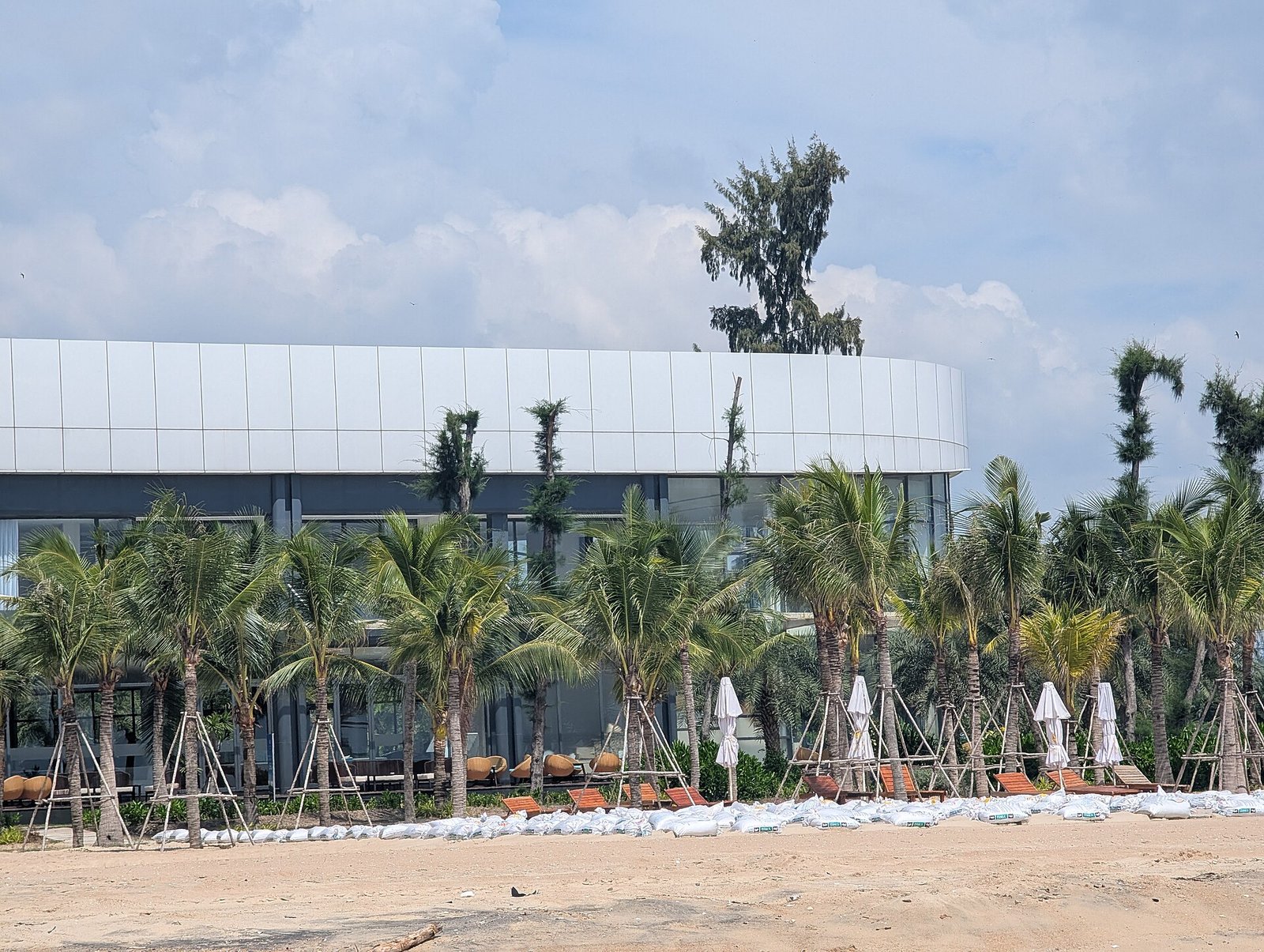
The long, open beach at Ho Tram, southeast of Ho Chi Minh City.
Ho Tram is a long stretch of golden sand on Vietnam’s southern coast, backed by casuarina trees and forest, and it has become the most polished beach getaway within driving distance of Ho Chi Minh City. This guide focuses on Ho Tram specifically for Saigon residents, business travellers and families who want a two- to four-night beach break without taking a flight. We cover the main resort options, what the beach and sea are really like through the year, how long the transfer takes, and how Ho Tram compares with nearby alternatives such as Vung Tau and Mui Ne.
Last updated: September 2026. Rates, schedules and entry rules change often, so confirm details directly with properties and official sources before booking.
At a Glance
Where: Xuyen Moc area on the coast southeast of Ho Chi Minh City, in the former Ba Ria–Vung Tau province.
Travel time: usually around two to three hours by road from central Ho Chi Minh City, depending on traffic.
Best for: weekend escapes, golf breaks, family resort stays and short stopovers after business trips.
Best months: the dry season, roughly December to April, for the most sunshine.
Not ideal for: snorkelling or coral reefs; this is an open-sea beach destination.
Why Ho Tram Stands Out Near Saigon
For years, Saigon’s default beach escape was Vung Tau, a busy port city that fills with day-trippers at weekends. Ho Tram, further along the coast, developed differently. Instead of a town beachfront, it grew as a strip of self-contained resorts along a quiet, wide beach, with protected forest nearby and a championship golf course as its anchor. The result feels more like a resort coast than a city beach.
That matters for the traveller this guide is written for. If you have only a long weekend, you want the drive to be predictable, the resort to handle everything, and the beach to be uncrowded. Ho Tram delivers all three better than most alternatives within the same radius. For city stays before or after, see our Ho Chi Minh City luxury hotels guide.
Where to Stay in Ho Tram
Ho Tram’s accommodation is spread along the coast rather than clustered in a town, so the choice of resort largely defines your trip. Here are the main styles to consider.
The Grand Ho Tram complex
The largest development on this coast is an integrated resort with high-rise hotel towers, multiple restaurants, pools, a casino for eligible foreign guests, and The Bluffs, a links-style golf course designed by Greg Norman that has earned strong international rankings. It is the natural choice for golfers and for groups who want lots of dining choice in one place. Couples seeking quiet may find the scale less intimate.
Beachfront villa and bungalow resorts
Several international and Vietnamese brands operate lower-rise resorts along the beach, such as Melia Ho Tram Beach Resort, with villas and pool suites set in gardens. These suit families and couples who prefer walking straight from the room to the sand. Pool villas are worth the upgrade here, as the sea is not always calm enough for relaxed swimming.
Boutique and eco-style stays
Smaller boutique resorts, including Ho Tram Beach Boutique Resort & Spa and Carmelina Beach Resort, offer a quieter, more intimate feel at gentler prices. They are good bases for a slow weekend of reading, spa treatments and seafood dinners. Check recent reviews before booking, as standards vary more among smaller properties.
When comparing resorts, look closely at three details that make the biggest difference on a short stay: whether the room category includes a private pool, how far the room is from the beach, and whether the resort runs its own transfer from the city. On a two-night break, a resort that handles the transfer and has a pool villa ready on arrival can feel like an extra half-day of holiday.
Weekend demand from Ho Chi Minh City is strong, so Friday and Saturday nights, as well as Vietnamese public holidays such as Tet and the late April to early May holiday period, fill quickly and command higher rates. Midweek stays are often noticeably cheaper and quieter, which makes Ho Tram an appealing add-on for business travellers who can extend a trip by a day or two.
The Beach, the Sea and the Seasons
Ho Tram’s beach is long and wide, with fine sand and plenty of space even at busy times. The sea is open to the South China Sea, which Vietnam calls the East Sea, so waves and currents can be significant. Families should swim only where resorts post lifeguards and flags, and many guests spend more time in resort pools than in the ocean. This is not a snorkelling destination; for reefs and clear water, you would head to islands such as Con Dao or Phu Quoc instead.
Southern Vietnam has two main seasons. The dry season, roughly December to April, brings the most sunshine and is the best time for a beach break, although northeast winds can keep waves up in the early months. The rainy season, roughly May to November, typically brings heavy afternoon showers rather than all-day rain, and mornings are often bright. Rates are usually lower then, which makes it a good value period for spa and pool-focused weekends. Our guide to the best time to visit Vietnam’s islands explains how the seasons differ along the coast.
Getting to Ho Tram from Ho Chi Minh City
Most visitors arrive by private car or resort transfer from Ho Chi Minh City. The journey typically takes around two to three hours, but traffic leaving the city on Friday evenings and returning on Sunday afternoons can add significantly to that. Leaving before 7 am or after the evening peak makes a big difference. Many resorts can arrange transfers, and ride-hailing apps can also book longer trips.
Road links are improving. New expressway sections in the region and the planned Long Thanh International Airport, located east of Ho Chi Minh City, are expected to shorten access from international flights once fully operational. Check the latest status, as opening timelines for large infrastructure projects often shift.
Hydrofoils and ferries run between Ho Chi Minh City and Vung Tau, from where Ho Tram is a further drive along the coast. This option can be enjoyable for travellers who like the river journey, but for most, a direct car transfer is simpler.
Things to Do Around Ho Tram
Golf is the headline activity, with The Bluffs drawing players from across Asia. Beyond golf, the Binh Chau area to the northeast is known for its natural hot springs, with a resort complex offering mineral pools and mud baths that make an easy half-day outing. The Binh Chau–Phuoc Buu nature reserve nearby protects coastal forest, and a few short walks and cycling routes are possible.
Seafood is a major reason Saigon residents come. Local restaurants and resort kitchens serve grilled squid, clams, crab and fish, and the fishing villages along the coast offer a glimpse of daily life. Vung Tau, a short drive west, adds its lighthouse, the giant Christ statue on the headland and a lively seafood scene if you want a change of pace. For wellness-focused trips further along the coast, see our Vietnam coastal wellness retreats.
Ho Tram vs Vung Tau vs Mui Ne
These three coastal areas compete for the same weekend travellers. Vung Tau is closest and has the most city amenities, but its beaches are busier and more urban; see our Vung Tau resorts guide. Mui Ne and Phan Thiet, further northeast, are famous for sand dunes and kitesurfing and have a broader range of resorts, but the drive is longer; see our Mui Ne luxury resorts guide. Ho Tram sits between the two in both distance and character, offering the calmest, most resort-like atmosphere of the three.
For a longer holiday of five nights or more, many travellers skip the drive entirely and fly to an island. Our Phu Quoc vs Nha Trang comparison and Con Dao vs Koh Rong guide cover those options.
| Destination | Typical drive time | Beach character | Best for | Resort style |
|---|---|---|---|---|
| Ho Tram | About 2–3 hours | Long, wide, uncrowded open beach | Golf, quiet weekends, families | Self-contained resorts and villas |
| Vung Tau | About 2 hours | Urban beaches, busy at weekends | Short trips, seafood, city amenities | City hotels and a few resorts |
| Mui Ne / Phan Thiet | About 3–4 hours | Long bay, windy season for kitesurfing | Kitesurfing, dunes, longer stays | Wide range of beach resorts |
| Binh Chau | About 3 hours | Rural coast near hot springs | Hot springs and nature | Spa and hot-spring resorts |
Frequently Asked Questions
How far is Ho Tram from Ho Chi Minh City?
Ho Tram is roughly 120 to 130 kilometres southeast of central Ho Chi Minh City by road, and the drive usually takes around two to three hours depending on traffic and route.
Is the sea at Ho Tram safe for swimming?
The sea is open and can have strong waves and currents, especially at certain times of year. Swim only in areas with lifeguards and follow resort flag warnings; many guests prefer resort pools.
What is the best time to visit Ho Tram?
The dry season, roughly December to April, offers the most sunshine. The rainy season from May to November brings afternoon showers but often lower rates.
Is Ho Tram good for families?
Yes. Its resorts are self-contained, with pools, kids’ facilities and plenty of beach space, and the short transfer from Ho Chi Minh City makes it practical for young children.
Can you visit Ho Tram as a day trip?
It is possible, but the round-trip drive of four to six hours makes an overnight stay far more enjoyable. Two or three nights is ideal.
For travellers based in or passing through Ho Chi Minh City, Ho Tram is the most relaxing beach escape you can reach without a flight. Pick your resort by trip style, time your drive to avoid peak traffic, and it becomes an easy, restorative weekend. For more on Vietnam’s tourism highlights, the official Vietnam tourism website is a helpful planning resource, and Wikipedia’s overview of the Ba Ria–Vung Tau area offers useful background.
Hero photo: Syced, CC0, via Wikimedia Commons