How to Plan a Miyako Island Trip in 2026
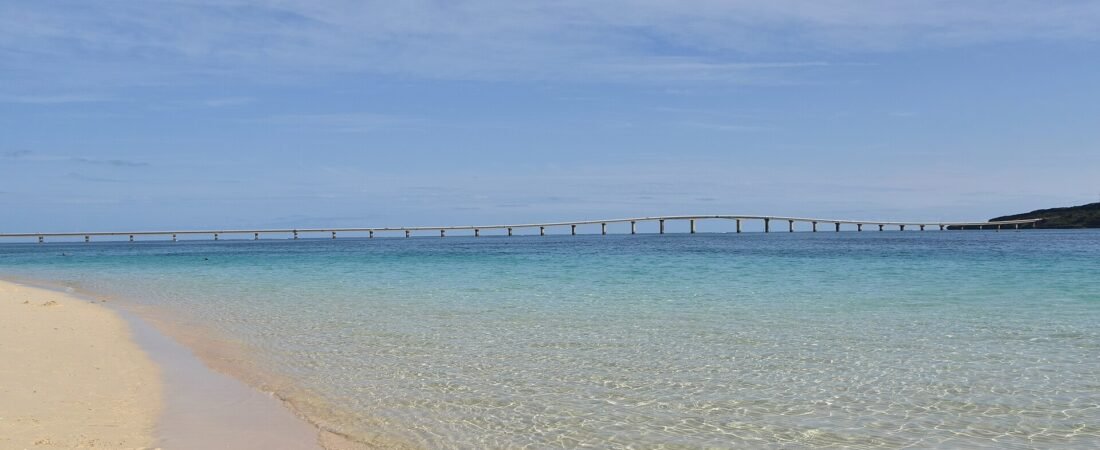
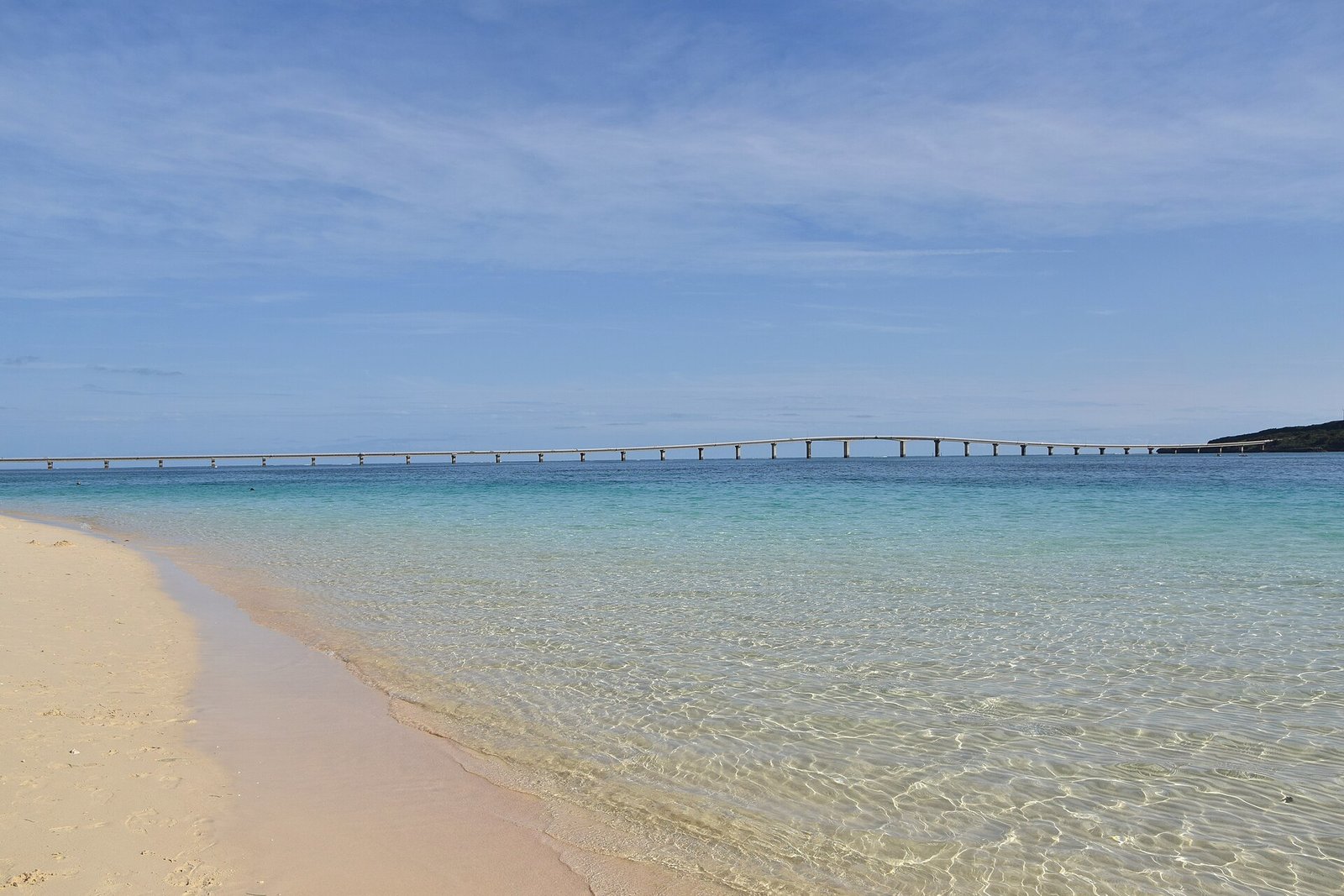
A beach on Miyako Island, known across Japan for its vivid “Miyako blue” sea.
Miyako Island, or Miyakojima, lies in the southern reaches of Okinawa Prefecture and is famous in Japan for water so clear and bright that locals call its colour Miyako blue. Unlike Ishigaki, it has no mountains and few rivers, which is one reason its coastal water stays so clear. This guide focuses on planning a Miyako trip specifically for first-time visitors who want to explore the island and its bridge-linked neighbours by car over four to six days. We walk through the decisions in the order you need to make them: when to go, how to get there, where to stay, how to get around, and how to structure your days.
Last updated: September 2026. Rates, schedules and entry rules change often, so confirm details directly with properties and official sources before booking.
At a Glance
Trip length: four to six nights covers Miyako and its bridge-linked islands comfortably.
Getting there: fly into Miyako Airport or Shimojishima Airport, with direct domestic routes from Tokyo, Osaka and Naha.
Getting around: rent a car; public transport is limited.
Best months: roughly April to early May and October to November for warm seas with lower typhoon risk.
Must-dos: drive the Irabu Bridge, swim at Yonaha Maehama, and snorkel at a calm reef beach.
Step 1: Choose Your Season
Miyako shares the subtropical climate of the rest of southern Okinawa. The sea is warm enough for swimming from roughly April to November, and midsummer brings the calmest, hottest weather. The rainy season usually arrives around May and lasts into June, and the typhoon season runs from summer into autumn, with August and September typically the riskiest months. A typhoon can cancel flights and close beaches for several days, so flexible bookings are wise.
For most first-timers, the best balance is April to early May or October to November: warm water, fewer storms and lower rates outside Japanese holiday peaks. Avoid Golden Week in late April and early May and the mid-August Obon period if you want quieter beaches and better rental car availability. Winter is mild but often windy and cloudy, which dulls the famous blue.
If your dates are fixed by school holidays or work, do not be discouraged: Miyako still shines in summer. Simply plan beach time for mornings, when the light is best and the heat is gentler, keep afternoons for cafes, drives and resort pools, and build one flexible day into your itinerary in case weather disrupts a boat trip or a snorkelling plan.
Step 2: Book Flights to the Right Airport
Miyako is served by two airports. Miyako Airport, close to the main town of Hirara, handles most flights, including frequent connections to Naha and direct services from Tokyo and Osaka. Shimojishima Airport, on the neighbouring island of Shimoji, reopened for commercial passenger flights in 2019 and is used by some low-cost and seasonal services, including occasional international routes. Because Shimoji is linked to Miyako by the Irabu Bridge, either airport works as a gateway.
Flight time from Tokyo is roughly three hours, and from Naha about 50 minutes. If you are combining Miyako with Ishigaki, direct flights between the two islands are short, though schedules can be limited; there is no regular passenger ferry between them. For the Ishigaki side of a two-island trip, see our best luxury resorts in Ishigaki.
Step 3: Decide Where to Stay
Miyako is compact enough that you can explore everything from one base, but each area has a different feel.
Hirara (town centre)
The main town has the widest choice of restaurants, izakaya and shops, plus the port and easy airport access. Hilton Okinawa Miyako Island Resort, opened in 2023 near the port area, and design-led hotels such as Hotel Locus make Hirara a comfortable base for travellers who want dining variety after a day at the beach.
Southeast coast (Ueno area)
The large Shigira resort area on the southern coast includes several upscale hotels, such as Hotel Shigira Mirage and Shigira Bayside Suite Allamanda, along with golf, spa and beach facilities. This is the choice for travellers who want a full resort experience and do not mind driving into town for dinner.
Maehama and the west coast
Staying near Yonaha Maehama Beach puts you on one of Japan’s most celebrated beaches, with views across to Kurima Island. Miyakojima Tokyu Hotel & Resorts sits right on this beach and has long been a favourite for families.
Irabu and Shimoji islands
Across the Irabu Bridge, a handful of villas and boutique resorts offer a quieter, more secluded stay, ideal for couples who want privacy and sunset views over the East China Sea.
Step 4: Plan to Drive (and Know the Bridges)
A rental car is essential for most visitors. Buses exist but are infrequent, and taxis become expensive over longer distances. Japan drives on the left, and visitors from many countries need an International Driving Permit issued under the 1949 Geneva Convention, alongside their home licence. The Japan National Tourism Organization lists current requirements. Book cars well in advance for spring and summer.
Miyako’s bridges are attractions in their own right. The Irabu Bridge, opened in 2015, links Miyako to Irabu and Shimoji islands and is one of the longest toll-free bridges in Japan at around 3.5 kilometres. The Ikema Bridge in the north and the Kurima Bridge in the southwest connect to smaller islands with viewpoints, cafes and quiet beaches. All three are free to cross, and driving them in good light is one of the highlights of any trip.
Step 5: Pick Your Beaches and Activities
Miyako’s beaches each have a character, and choosing the right one for the conditions matters. Yonaha Maehama is long, wide and soft-sanded, perfect for walking and swimming. Sunayama Beach, reached by walking over a sand dune, is known for its natural rock arch. For snorkelling, beaches with fringing reefs close to shore, such as Aragusuku and Imgya Marine Garden, are popular, though currents can be strong; use a lifejacket and follow local advice.
On Shimoji Island, the area known as 17END at the end of the airport runway is famous for its astonishingly clear, shallow water and views of aircraft landing. Diving around Irabu and Shimoji is known for underwater caves and arches, and several operators run trips for certified divers. On land, Higashi-Hennazaki cape in the far southeast offers a dramatic walk to a lighthouse with sea on both sides.
- Check tide times before snorkelling; many reefs are best near high tide.
- Use reef-safe sunscreen and do not stand on coral.
- Carry water and shade; many beaches have limited facilities.
- Watch for warning flags and seasonal jellyfish nets on swimming beaches.
| Day | Area | Main activities | Evening |
|---|---|---|---|
| Day 1 | Hirara and Maehama | Arrive, pick up car, afternoon at Yonaha Maehama | Dinner in Hirara |
| Day 2 | Irabu and Shimoji | Irabu Bridge drive, 17END, snorkelling or diving | Sunset on Irabu |
| Day 3 | Ikema Island | Ikema Bridge, north coast viewpoints, beach time | Resort dinner |
| Day 4 | Southeast coast | Higashi-Hennazaki cape, Aragusuku or Imgya snorkelling | Spa or Shigira area |
| Day 5 | Kurima Island | Kurima Bridge, viewpoint and cafe, final swim | Depart or extend stay |
Step 6: Set a Booking Timeline and Budget
Miyako is a popular domestic destination, so the order in which you book matters. For spring and summer trips, many travellers secure flights and a rental car first, three to four months ahead, then choose accommodation. Rental cars are often the first thing to sell out in peak weeks, and without one your options shrink considerably. For autumn and winter trips, one to two months is usually enough.
Budget depends heavily on season and hotel choice. Resort rates can vary dramatically between a quiet week in November and Obon in August, so compare the same property across different dates before fixing your plans. Food is a pleasant surprise: casual local restaurants serving Miyako soba, fresh seafood and Okinawan dishes are reasonably priced, while upscale resort dining and teppanyaki with local beef can be a splurge. Budget for fuel, beach parking where charged, and guided snorkelling or diving trips.
Finally, protect the trip against weather. Choose refundable or flexible rates where possible during typhoon season, buy travel insurance that covers weather-related delays, and avoid scheduling a tight international connection on your departure day from Miyako. A one-night buffer in Naha or Tokyo before a long-haul flight home is a simple way to remove stress.
Frequently Asked Questions
How many days do you need on Miyako Island?
Four to six nights is ideal. That gives you time to drive all three bridges, visit several beaches, and keep a spare day for bad weather.
Do you need a car on Miyako Island?
For most visitors, yes. Public transport is limited, and a car makes it easy to reach beaches, bridges and viewpoints across the islands.
Which is better, Miyako or Ishigaki?
Miyako is best for beaches, clear water and easy driving. Ishigaki is better for island-hopping by ferry and for reef trips to the wider Yaeyama Islands. See our Ishigaki resorts guide and Iriomote guide to compare.
When is the best time to visit Miyako Island?
April to early May and October to November generally offer warm seas with lower typhoon risk. August and September carry the highest typhoon risk.
Can you fly directly to Miyako from Tokyo?
Yes. Direct domestic flights operate from Tokyo to Miyako Airport and, depending on the season, to Shimojishima Airport. Many travellers also connect via Naha.
Miyako is one of the easiest island trips in Japan to plan well: pick a season outside typhoon peak, book your car early, choose a base that fits your style, and let the bridges and beaches do the rest. To round out your Okinawa trip, see our Okinawa luxury resorts guide, and for broader background, the Miyakojima overview on Wikipedia is a good starting point. If you are finishing your trip on the mainland, our Tokyo luxury hotels guide can help.
Hero photo: Raita Futo from Tokyo, Japan, CC BY 2.0, via Wikimedia Commons