Baa Atoll, Maldives: Hanifaru Bay Manta Season Guide
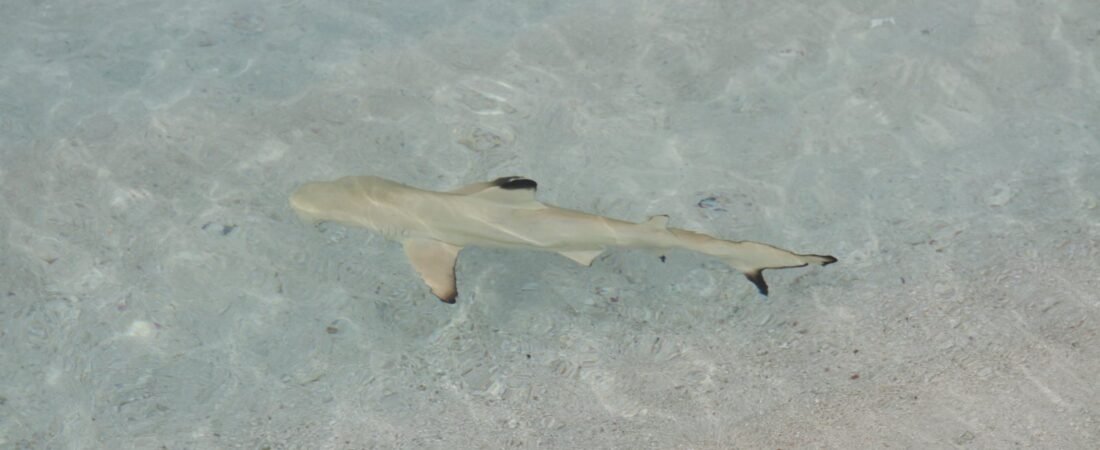
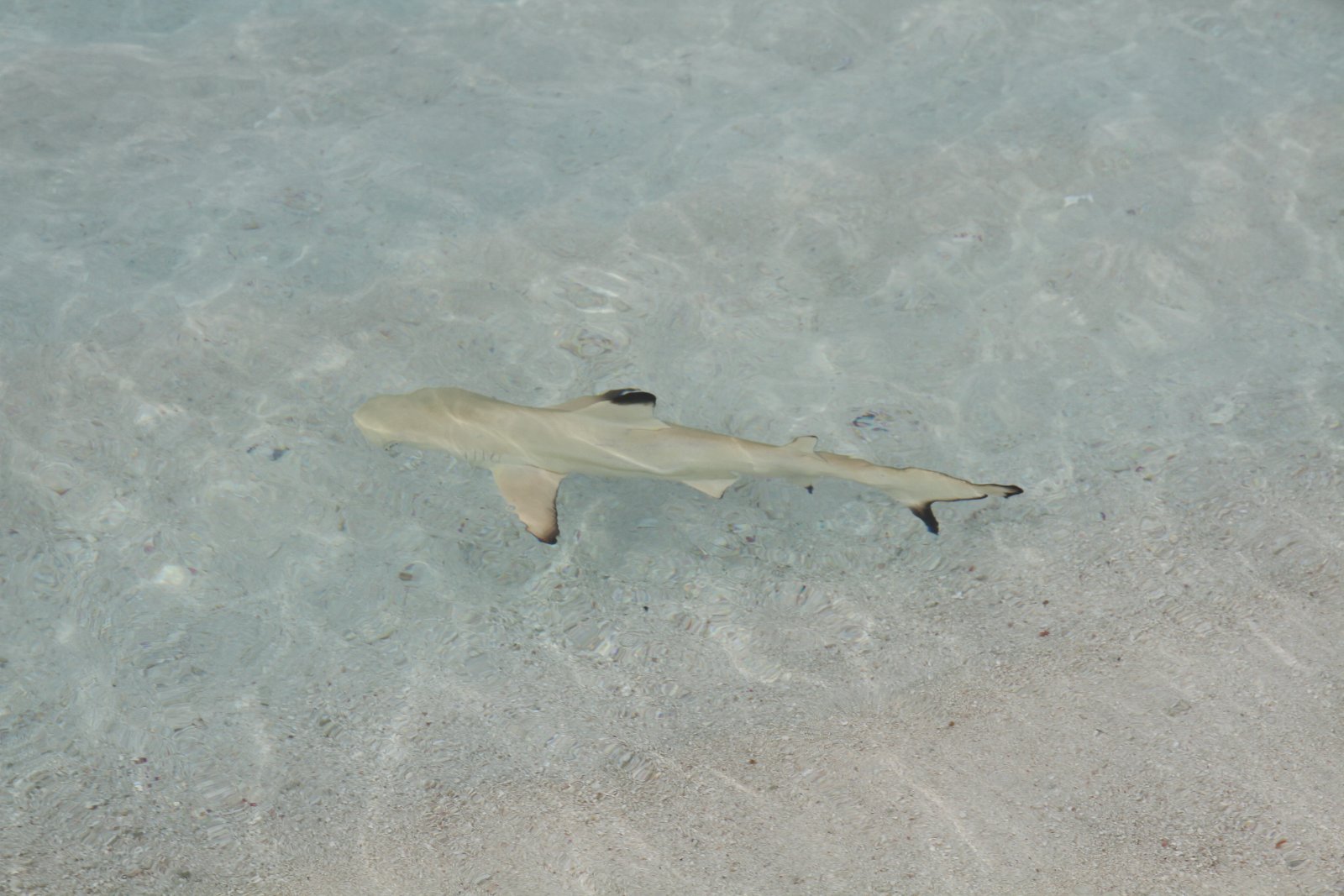
Illustrative lagoon photograph.
This guide focuses on Baa Atoll specifically for travelers planning a trip around Hanifaru Bay’s seasonal manta ray and whale shark feeding aggregations, rather than a general Maldives overview. Baa Atoll was designated a UNESCO Biosphere Reserve in 2011, and Hanifaru Bay sits at its center as a tightly regulated marine protected area where tidal currents concentrate plankton, drawing large numbers of reef manta rays and, at times, whale sharks into a relatively small bay.
Research-based guide · General destination information current as of September 2026.
Quick Answer
Manta sightings at Hanifaru Bay are most reliable roughly from June to November, during the southwest monsoon, when currents funnel plankton into the bay. Entry is snorkeling-only, capped in visitor numbers, and requires a licensed guide with a permit — you cannot swim into the bay independently. Base yourself at a resort within Baa Atoll to minimize boat transfer time to the bay.
Where to Stay in Baa Atoll
| Resort | Known for | Hanifaru Bay access |
|---|---|---|
| Soneva Fushi | One of the Maldives’ original luxury eco-resorts, opened in the 1990s | Boat excursions arranged seasonally through the resort |
| Four Seasons Resort Maldives at Landaa Giraavaru | Hosts a marine discovery centre associated with manta research | Guided excursions and research-linked programming |
| Amilla Maldives | Overwater and beach villas within Baa Atoll | Boat excursions arranged seasonally through the resort |
| Dusit Thani Maldives | Located on Mudhdhoo Island within Baa Atoll | Boat excursions arranged seasonally through the resort |
How the Hanifaru Bay Permit System Works
Hanifaru Bay is managed as a marine protected area within the Baa Atoll UNESCO Biosphere Reserve, and access is restricted to snorkeling with a licensed guide holding a valid permit; scuba diving is not permitted inside the bay itself. Visitor numbers in the water at any one time are capped to reduce disturbance to feeding mantas, and an entry fee typically applies, collected by the guide or resort arranging your excursion. Because of these limits, book your excursion through your resort or a licensed local operator rather than assuming independent access is possible.
Why Timing Matters So Much
Unlike a coral reef that looks broadly similar year-round, Hanifaru Bay’s main draw is a seasonal, current-driven event: southwest monsoon currents concentrate plankton in the bay roughly from June to November, which is when manta ray aggregations — and, in some years, whale sharks — are most reliably reported. Outside this window, sightings become far less predictable, so travelers whose main goal is seeing mantas at Hanifaru specifically should concentrate their trip within these months rather than treating it as a guaranteed year-round activity.
The Manta Trust and Ongoing Research
Baa Atoll, and Hanifaru Bay in particular, has been a long-running focus of manta ray research, including work associated with the Manta Trust, a research and conservation organization that has documented individual mantas returning to the bay across many years using photo identification. Some resorts in the atoll support or host this research directly, and guests can sometimes join talks or citizen-science identification sessions — ask your resort what marine research programming is currently available during your stay.
Getting to Baa Atoll
Most visitors reach Baa Atoll via a seaplane or domestic flight transfer from Velána International Airport near Malé, arranged directly by their resort as part of the booking. Transfer times vary by property and by transfer method, so confirm the specific arrangement and cost with your resort before booking flights, since seaplane transfers in particular depend on daylight hours and are not available late at night.
Planning Your Trip Around the Season
- Book your resort stay within the June–November window if seeing mantas at Hanifaru Bay is your priority, and confirm sighting frequency with the resort closer to your travel dates.
- Ask specifically whether Hanifaru excursions are included in your package or booked as a paid add-on, since this varies by resort.
- Build in more than one attempt if possible — sightings depend on current, tide and plankton conditions on the day, and are not guaranteed even in peak season.
- Pack reef-safe sunscreen and your own well-fitted mask and snorkel, since gear quality can vary between operators.
What to Expect in the Water
Guides typically brief snorkelers before entering Hanifaru Bay on how to behave around feeding mantas — keeping a respectful distance, avoiding fins near the animals, and not attempting to touch them. Because the bay’s cap on simultaneous visitors is enforced, your guide may hold your group back until space opens up, so patience is part of the experience. Sightings can range from a handful of mantas to, in strong feeding events, dozens gathering in a relatively confined space, which is what makes the bay’s reputation as one of the world’s most significant manta aggregation sites well earned when conditions align.
How Baa Atoll Compares to Other Maldives Bases
Most Maldives itineraries focus on overwater villas and house-reef snorkeling wherever you happen to be staying; Baa Atoll adds a specific, seasonal wildlife event on top of that general experience, which is worth weighing against atolls closer to Malé if a shorter transfer matters more to you than Hanifaru access. See our broader Maldives honeymoon planning guide for transfer and villa-type basics, our adults-only Maldives resort comparison if travelling as a couple without children, and our Maldives vs Seychelles comparison if you are still deciding on a region. Whichever resort you choose, treat Hanifaru Bay as the highlight of a wider Baa Atoll stay rather than the entirety of it. For general background on the bay itself, see the Wikipedia entry on Hanifaru Bay.
Budgeting for a Hanifaru-Focused Trip
Resorts within Baa Atoll span a wide price range, from ultra-luxury overwater villas to somewhat more moderate beach-villa options, but transfer costs to reach the atoll are consistently higher than for resorts closer to Malé, since most rely on seaplane or longer boat transfers. Factor the Hanifaru Bay entry fee and any excursion cost into your budget separately from your room rate, and ask your resort for a full breakdown before booking if seeing mantas is the central purpose of your trip, and consider whether a slightly less expensive resort elsewhere in the atoll, with the same boat access to Hanifaru Bay, might stretch your budget further than paying a premium purely for proximity.
What Makes Baa Atoll a Biosphere Reserve
UNESCO designated Baa Atoll a Biosphere Reserve in 2011, recognizing the atoll’s coral reefs, seagrass beds and mangroves as an interconnected system worth managing for both conservation and sustainable local use, rather than protecting a single isolated site. Hanifaru Bay is the best-known feature within that wider reserve, but the designation also covers reef systems, channels and inhabited local islands across the atoll, meaning conservation rules extend beyond the bay itself into house-reef snorkeling and diving elsewhere in Baa Atoll. This layered structure means a snorkeler who only ever enters Hanifaru Bay itself is seeing a small fraction of what the Biosphere Reserve actually protects. Details on the designation are published in UNESCO’s Biosphere Reserve profile for Baa Atoll.
Combining Hanifaru Bay with Other Baa Atoll Experiences
Because manta sightings at Hanifaru are seasonal and never guaranteed on a single visit, it helps to plan a Baa Atoll trip around more than just the bay. Most resorts in the atoll also offer house-reef snorkeling, dedicated dive trips to nearby channels and thilas (submerged reef pinnacles), and excursions to local inhabited islands for a look at Maldivian community life outside the resort bubble. Treating Hanifaru as the centerpiece of a broader Baa Atoll stay, rather than the sole reason for the trip, makes the visit feel worthwhile even in years or weeks when the mantas are less active than hoped.
Photography and Etiquette Tips
Underwater cameras are welcome on most Hanifaru excursions, but strobes and aggressive positioning to get closer to mantas are generally discouraged, since the entire point of the site’s management is minimizing disturbance to feeding behaviour. Keep your fins still and low in the water when mantas pass close by, avoid loud splashing that can startle feeding animals, follow your guide’s positioning instructions rather than swimming ahead independently, and remember that the cap on visitor numbers exists precisely so that everyone in the water has a reasonable, low-stress view rather than a crowded scrum around a handful of animals.
One Last Practical Note
Weather and sea conditions can still disrupt a Hanifaru excursion even within peak season, so resorts typically build flexibility into their excursion schedule, offering an alternative date if the first attempt is cancelled. Ask about this policy specifically when booking, particularly if you are staying for only two or three nights, since a short stay leaves little room to reschedule around a single missed window.
Frequently Asked Questions
What is the best month to see mantas at Hanifaru Bay?
Sightings are most reliable roughly from June to November, during the southwest monsoon, though exact timing varies year to year.
Can you scuba dive at Hanifaru Bay?
No. Access is snorkeling-only, with a licensed guide and a capped number of visitors permitted in the water at once.
Do you need to book a Hanifaru Bay excursion in advance?
It is safer to book through your resort as early as possible during peak season, since visitor numbers are capped and demand is highest exactly when sightings are most likely.
Are manta sightings guaranteed?
No. Sightings depend on current, tide and plankton conditions on the day, even within the peak season.
How do you get to a resort in Baa Atoll?
Most resorts arrange seaplane or domestic flight transfers from Velána International Airport near Malé as part of the booking.
Confirm current Hanifaru Bay access rules, seasonal sighting reports and resort transfer arrangements directly before booking, since permit rules and conditions can change from year to year as authorities adjust visitor caps and fee structures in response to how the reserve is holding up.