Penghu Islands Travel Guide 2026
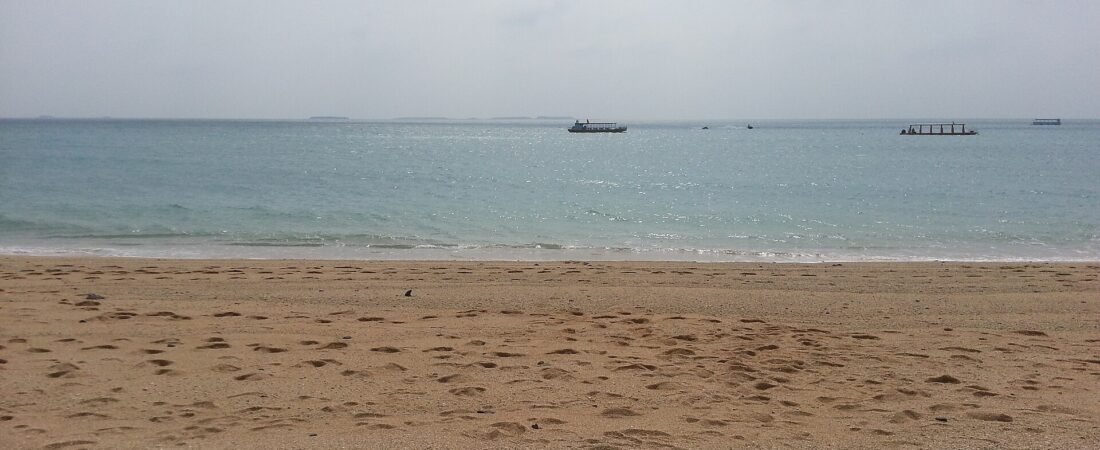
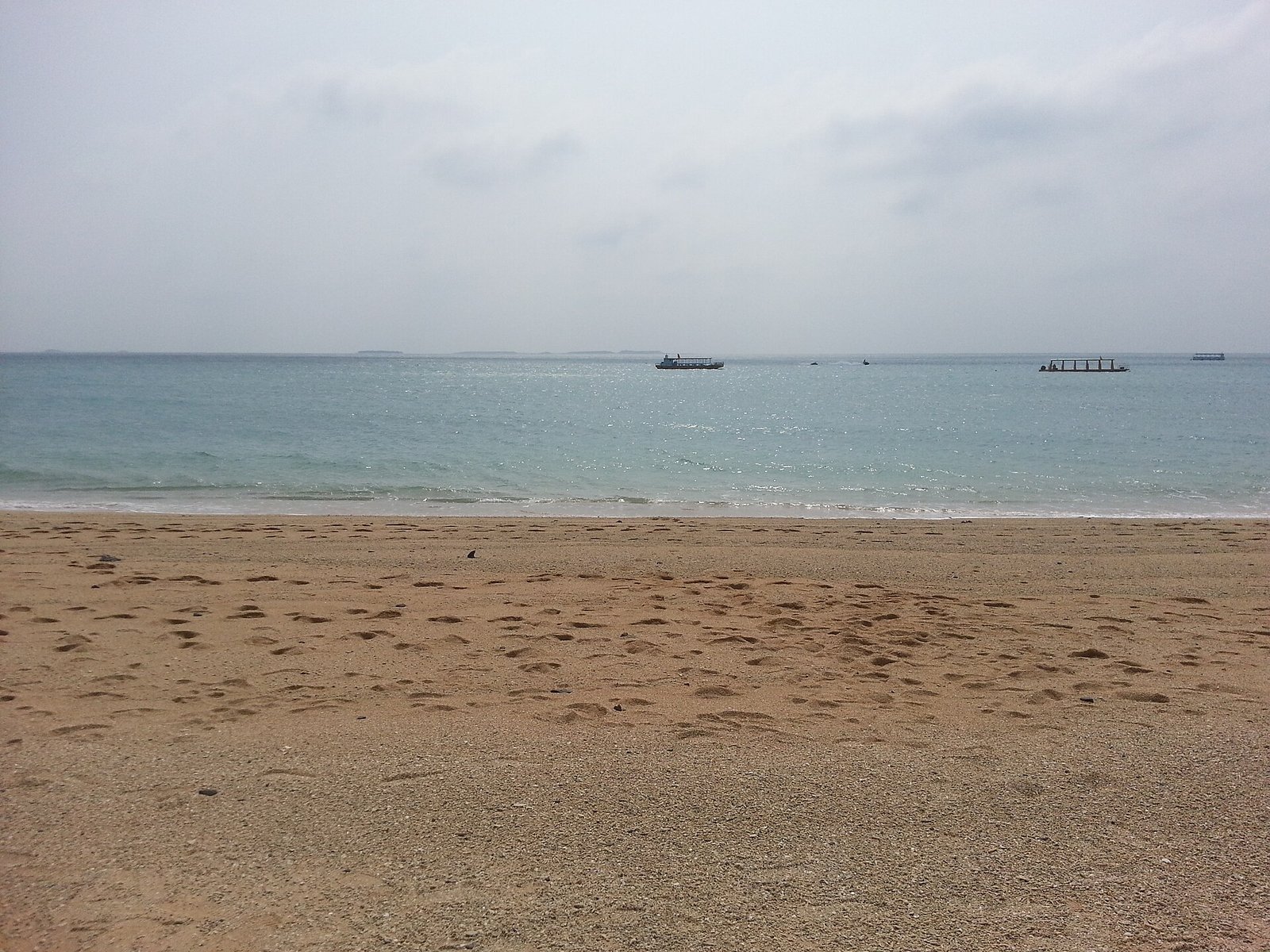
Penghu Islands coastline. Photo: Wikimedia Commons (CC BY-SA 3.0).
Penghu is an archipelago of roughly 90 islands in the Taiwan Strait, known for basalt cliffs, stone fish weirs, temple towns and some of the clearest water within easy reach of Taipei. This guide focuses on Penghu specifically for travellers adding three or four days to a Taiwan itinerary, and it answers the questions that decide whether the trip works: which months to go, how to get there, and which part of the islands to use as a base.
Research-based guide · Transport and seasonal information checked against official Taiwanese tourism sources in September 2026. Ferry and flight schedules change seasonally, so confirm before booking.
Penghu in one paragraph
Go between April and early October, when seas are calm enough for island-hopping boats. Fly into Magong from Taipei Songshan (about 50 minutes) or Kaohsiung (about 35 minutes). Stay in Magong for restaurants and easy transport, or on the quieter Huxi or Baisha coast for sea views. Plan one day for the linked main islands by car or scooter, one for the southern islands (Qimei and Wang’an), and one for the northern sea (Jibei).
When to go: the season decides everything
Penghu’s calendar is split by the monsoon. From roughly October to March, the northeast monsoon brings persistent strong winds, cooler temperatures and rougher seas. Many boat tours to the outer islands operate reduced schedules or pause, and beaches are rarely comfortable for swimming. Windsurfers and kitesurfers, however, consider these months among the best in Asia.
From April to September the wind drops, the water warms and island-hopping boats run daily. Summer brings heat and strong sun, and occasional typhoons between July and September can cancel flights and ferries at short notice. The Central Weather Administration posts typhoon warnings in English. The annual Penghu International Fireworks Festival, usually held over several weeks in spring and early summer, is a highlight but also the busiest period for hotels, so book early if your dates overlap.
How to get to Penghu
Most visitors fly. Penghu Airport, a short drive from Magong, has frequent domestic flights, and the ferry is a good alternative in calm summer months.
| Route | Mode | Typical time | Best for |
|---|---|---|---|
| Taipei Songshan → Magong | Domestic flight | ~50 min | Travellers starting in Taipei |
| Kaohsiung → Magong | Domestic flight | ~35 min | Southern Taiwan itineraries |
| Taichung / Chiayi / Tainan → Magong | Domestic flight | ~30–40 min | Central and southern cities |
| Chiayi (Budai) → Magong | Ferry, seasonal | ~1.5 hours | Summer travellers who prefer the sea |
| Kaohsiung → Magong | Ferry, seasonal | ~4 hours | Budget travellers with time |
Flights sell out on summer weekends and festival dates, and weather cancellations do happen, so avoid scheduling an international connection on the same day you leave Penghu. If you are starting from the capital, our guide to luxury hotels in Taipei pairs well with this trip.
Where to stay: Magong, the main-island coast or the outer islands
Magong is Penghu’s only city and the practical base for a first visit. It has the widest choice of hotels, from larger business-style properties to boutique guesthouses, as well as the night market, seafood restaurants and the harbour where most island-hopping boats depart. You can explore the main islands on day trips and come back to a good dinner each night.
Huxi and the east coast, including the Aimen and Shanshui beach areas, offer beachside guesthouses and small resorts with sea views. You will want your own transport here, but the evenings are quieter and sunsets over the water are the reward. Baisha and Xiyu, linked to the main island by the Penghu Great Bridge, have village homestays near basalt cliffs and the old Erkan settlement, ideal if you want a slower, rural feel.
Outer islands such as Qimei, Wang’an and Jibei have limited, simple guesthouses. Staying overnight lets you see them after the day-trippers leave, but services are basic and boats can be cancelled in poor weather. Penghu does not have international luxury resort brands, so travellers used to five-star island stays should expect comfortable, well-run boutique properties instead. The Penghu National Scenic Area website lists registered accommodation.
A useful way to decide is to think about how you will spend your evenings. If you want a choice of restaurants, bars and a walkable night market, Magong is the obvious answer and the short drives to the beaches are no hardship. If you picture yourself watching sunset from a terrace with nothing else planned, choose a sea-view guesthouse on the Huxi coast or in Xiyu and accept that dinner will usually mean a drive. Couples on a short trip often split the stay: two nights in Magong for convenience, then a final night somewhere quieter. Families generally find Magong easier, as tour pick-ups, pharmacies and convenience stores are all close by. Rates rise sharply during the fireworks festival and on summer weekends, when Taiwanese domestic travellers fill the islands, so midweek arrivals usually offer the best value and the widest choice of rooms.
What to see: main islands and island-hopping
The three largest islands — Magong’s main island, Baisha and Xiyu — are linked by bridges and causeways, so you can drive between them in a day. Most of the famous sights are here.
- Tianhou Temple, Magong: one of the oldest Mazu temples in Taiwan and a designated national monument, surrounded by the lanes of the old town and Central Street.
- Penghu Great Bridge: the long sea bridge linking Baisha and Xiyu, with a small market at the Baisha end.
- Tongliang Great Banyan: a single banyan tree, roughly three centuries old, whose branches spread over a temple courtyard on trellises.
- Erkan Old Residence: a preserved village of coral-stone houses on Xiyu.
- Daguoye Columnar Basalt: a striking wall of basalt columns on Xiyu, part of the islands’ protected basalt landscape.
- Beaches: Shanshui and Aimen on the main island are the most accessible for swimming in summer.
The outer islands are why most people make the trip. Boat tours from Magong’s southern harbour typically combine Qimei, home to the Twin Hearts Stone Weir (a heart-shaped fish trap built from basalt and coral stones), with Wang’an and its traditional Zhongshe village and green turtle conservation centre. Some tours add stops at the South Penghu Marine National Park islands, where boats circle dramatic basalt islets.
Jibei, to the north, is the summer water-sports island, with a long curving sand spit and activities such as snorkelling, banana boats and sea kayaking. Northern boats leave from the Chikan pier on Baisha. Book tours a day or two ahead in summer, carry cash, and check whether landing fees and entry to sites are included in the ticket.
A three-day Penghu plan
- Day 1 – Magong and the old town: arrive, check in, visit Tianhou Temple and the old streets, then walk the harbour at sunset and eat seafood at a local restaurant or the night market.
- Day 2 – Southern islands: a full-day boat tour to Qimei and Wang’an. Return in the late afternoon and drive to Shanshui Beach for a swim.
- Day 3 – North and west: morning boat to Jibei for the sand spit and snorkelling, then drive across the Great Bridge to Tongliang, Erkan and the Daguoye basalt before an evening flight.
- Extra day: add a slow morning on the Huxi coast or a second outer-island trip; it also gives you a buffer against weather cancellations.
Practical tips and how Penghu compares
Renting a car or scooter is the easiest way to explore; foreign visitors need a valid international driving permit recognised in Taiwan. Taxis can be hired by the day, and some guesthouses arrange drivers. Local specialities worth trying include cactus ice, brown sugar cake, squid and fresh oysters. Sun protection is essential: there is little shade on the islands in summer. For broader Taiwan planning, the Taiwan Tourism Administration site has English-language resources.
Penghu also rewards travellers interested in culture rather than just beaches. The islands were among the first parts of Taiwan settled by Han Chinese migrants, and their temples, coral-stone houses and stone fish weirs reflect centuries of fishing life shaped by wind and scarce fresh water. Look for the low coral-stone walls built around vegetable plots to shelter crops from the winter wind, a feature you will notice across the islands. Evenings in Magong are relaxed; the harbour promenade is pleasant for a walk after dinner, and seafood restaurants display the day’s catch on ice so you can choose what to cook and how. Many guesthouses are family-run, and hosts are often the best source of advice on which boat operator is running, which beach is calmest and where locals eat.
If you are weighing Penghu against other East Asian islands, it is less polished than Okinawa or Ishigaki, which have more high-end resorts, and quieter than Jeju. Its advantages are authenticity, low crowds outside festival weeks and easy access from Taiwan’s cities. For a warmer winter alternative with larger resorts, consider Sanya on Hainan.
Frequently Asked Questions
What is the best month to visit Penghu?
May, June and September are often the sweet spot: seas are calm enough for boat trips, and it is less crowded than the peak summer holidays. Avoid October to March if you want beach days.
How many days do I need in Penghu?
Three days covers the main island, one southern boat tour and Jibei. Four days gives a buffer for weather cancellations, which are common enough to plan for.
Can I visit Penghu in winter?
Yes, but expect strong winds and cooler weather. Many outer-island tours run limited schedules. Winter suits windsurfers, kitesurfers and travellers interested in temples and villages rather than beaches.
Are there luxury resorts in Penghu?
Penghu has comfortable boutique hotels and guesthouses but no major international luxury resort brands. Magong offers the widest choice and the best restaurants.
Do I need a car in Penghu?
A car or scooter makes a big difference, because public buses are infrequent. Otherwise, hire a taxi for the day or join organised tours.