Koh Lanta Island Travel Guide 2026
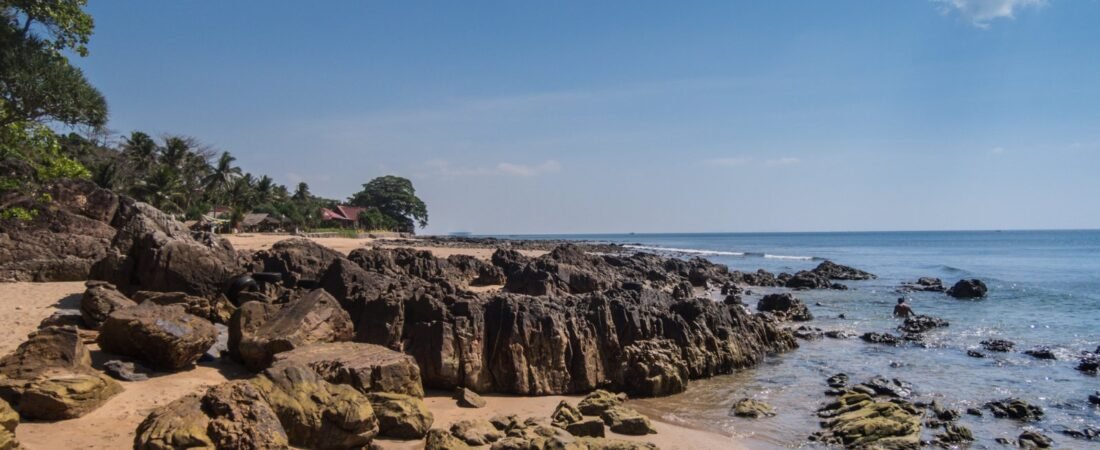
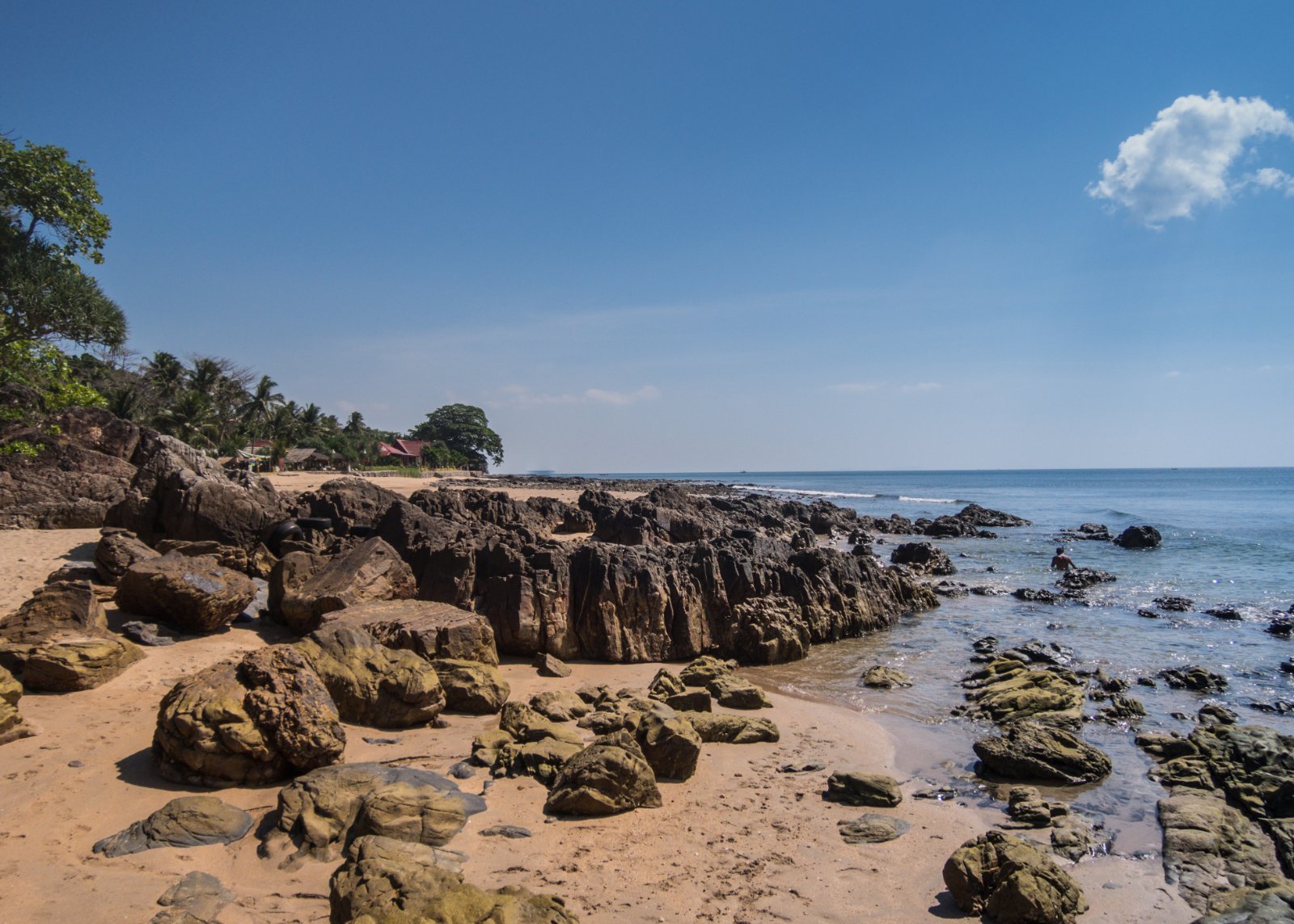
Illustrative photograph of Koh Lanta’s coastline.
This guide focuses on Koh Lanta specifically for travelers who want Krabi-province beach time without the resort density of Phuket or the day-tripper crowds of nearby Koh Phi Phi. Koh Lanta Yai, the main inhabited island in the Ko Lanta archipelago, stretches roughly 25 kilometers along Thailand’s Andaman coast and has grown a loyal following among long-stay travelers, families, and divers heading to Hin Daeng and Hin Muang. Expect a slower pace than Phuket, fewer high-rise resorts, and a beach-to-beach layout that rewards travelers willing to rent a scooter rather than stick to one strip.
Where Koh Lanta Is, and How to Get There and Around
Koh Lanta sits in Krabi province, south of Krabi town and roughly two hours by road and ferry from Krabi International Airport. The island has no airport of its own, so most visitors fly into Krabi (or Phuket, about 3-4 hours away by road and ferry) and connect by minivan-and-ferry combination tickets sold at travel agents island-wide. During the dry season a vehicle car ferry crosses from Ban Hua Hin on the mainland; a bridge connecting Lanta to the mainland via Koh Klang has also shortened the overland route in recent years, so confirm the current fastest option with your accommodation before booking transfers.
Once on the island, Koh Lanta’s single main road runs the length of the west coast, and renting a motorbike or car is the most flexible way to island-hop between beaches, Old Town, and the national park at the southern tip. Songthaews (shared pickup taxis) and pre-booked resort transfers cover the same route for travelers who would rather skip self-driving on Thai roads, and most hotels can arrange a driver for day trips to Old Town or the pier.
Speedboat transfer services also run seasonally between Koh Lanta, Koh Phi Phi, and Phuket, which makes multi-island Andaman itineraries straightforward to piece together without backtracking through Krabi.
Best Beaches on Koh Lanta
The west coast carries almost all of the island’s beaches, running roughly north to south: Klong Dao near the ferry pier is the most developed, with calm shallow water that suits families; Long Beach (Phra Ae) is the longest stretch and the main resort and restaurant strip; Klong Khong draws a laid-back, slightly bohemian crowd with beach bars and yoga studios; Klong Nin is quieter with a handful of boutique resorts; and Kantiang Bay, toward the southern tip, is the most scenic cove, backed by headlands and closer to the national park.
None of these beaches are walking distance from each other, so where you base yourself matters more on Koh Lanta than on a compact island like Koh Phi Phi. Many travelers rent a scooter for a day specifically to beach-hop and compare the stretches before committing to a longer stay further down the coast.
Old Town: Koh Lanta’s Sino-Portuguese Heart
On the island’s calmer east coast, Lanta Old Town (Baan Sang Ka U) is a wooden stilted village of Sino-Portuguese shophouses dating back over a century, built by Chinese, Thai-Muslim, and sea-gypsy (Chao Ley) traders. It’s a good half-day trip from the west-coast beaches for seafood restaurants over the water, small cafes, and a much quieter pace than the beach strips.
Evening is the best time to visit, when the seafood restaurants built on stilts over the water light up and the day-trip crowds have thinned out. It also makes a natural stop on the way to or from the ferry pier at Saladan on the island’s northern tip.
Diving and Snorkeling Around Koh Lanta
Koh Lanta is the main launch point for two of Thailand’s best deep-water dive sites, Hin Daeng and Hin Muang, known for manta ray and occasional whale shark sightings, along with day trips to Koh Rok and Koh Ha for reef snorkeling. Diving here skews toward intermediate and advanced divers because of current and depth; most dive operators run day boats from Saladan pier and Klong Dao. See our Southeast Asia diving season guide for month-by-month visibility notes.
Snorkeling day trips to Koh Rok and the Koh Ha island group are more accessible for non-divers, with clear water and healthy shallow reef close to shore. Most boats combine two or three stops with lunch on a beach, and trips typically run only in the dry season when the crossing is calmer.
Best Time to Visit Koh Lanta
The dry season, roughly November through April, is the reliable window: calm seas, consistent ferry schedules, and full dive-boat operations. The southwest monsoon (May to October) brings heavier rain and rougher Andaman Sea crossings, and a portion of west-coast businesses close or scale back for the low season. If you’re weighing Koh Lanta against a Gulf-coast island for a rainy-season trip, our Southeast Asia rainy season guide covers which coasts stay drier when.
Shoulder months (November and April) can be a reasonable compromise: still mostly dry, with thinner crowds and lower rates than the December-to-February peak. Whatever month you go, verify current ferry schedules and any national park access rules before finalizing dive or snorkel bookings, since both can change with weather and season.
Where to Stay: From Backpacker Bungalows to Luxury Resorts
Accommodation spans simple beach bungalows on Klong Khong and Klong Nin to full-service resorts on Long Beach and the quieter southern coves toward Kantiang Bay, where several higher-end properties sit on their own private bays. Families tend to base at Klong Dao or Long Beach for calm water and walkable restaurants; travelers wanting a quieter, more romantic setting look further south. For a side-by-side of Lanta against its closest rival, see our Koh Phi Phi vs Koh Lanta comparison and our roundup of Koh Lanta’s best luxury resorts.
Booking further south toward Kantiang Bay generally means a quieter, more private stay with fewer walkable restaurants nearby, while Long Beach and Klong Dao trade some of that quiet for convenience and choice.
Costa Lanta and Sri Lanta popularized the barefoot-luxury look on the island’s southern beaches years ago, and that design language (open-air bathrooms, polished concrete, minimal decor) still shapes a lot of newer boutique builds. Pimalai Resort & Spa, set on its own headland near Kantiang Bay, remains the island’s best-known full-service luxury property with a private beach and spa.
Koh Lanta Beaches at a Glance
| Beach | Vibe | Best For | Crowd Level |
|---|---|---|---|
| Klong Dao | Calm, developed, near the pier | Families, first-timers | Moderate-High |
| Long Beach (Phra Ae) | Long sandy strip, restaurants & bars | Most travelers, nightlife | Moderate-High |
| Klong Khong | Laid-back, bohemian | Yoga, longer stays, budget travel | Low-Moderate |
| Kantiang Bay | Scenic cove near the national park | Couples, quiet resorts | Low |
Frequently Asked Questions
Does Koh Lanta have an airport?
No. The nearest airport is Krabi International Airport, roughly two hours away by road and ferry (or bridge crossing), with Phuket International Airport as a secondary option about 3-4 hours away.
Is Koh Lanta expensive compared to Phuket or Koh Samui?
Generally Koh Lanta runs cheaper than Phuket and Koh Samui for equivalent room categories, though prices vary a lot by beach and season, and rates rise sharply during the December-January peak.
What is the best month to visit Koh Lanta?
December through March offers the most reliable combination of dry weather, calm seas for diving, and full ferry service, though it’s also the busiest and most expensive window.
Is Koh Lanta good for families?
Yes, particularly Klong Dao and Long Beach, which have shallow, calm entry points and a wide choice of family-friendly resorts; the southern beaches near Kantiang Bay skew more toward couples.
Can you day-trip to Koh Lanta from Phuket or Krabi?
Krabi is close enough for a long day trip, but most visitors stay at least two to three nights given the travel time and the island’s spread-out beaches; a day trip from Phuket is possible but leaves little time on the ground.
How many days do you need on Koh Lanta?
Three to five nights is a reasonable range: enough time to settle into one beach, take a diving or snorkeling day trip, and fit in a half-day visit to Old Town, without feeling rushed by the travel time it took to get there.