Ishigaki vs Miyako Island 2026: Which to Choose
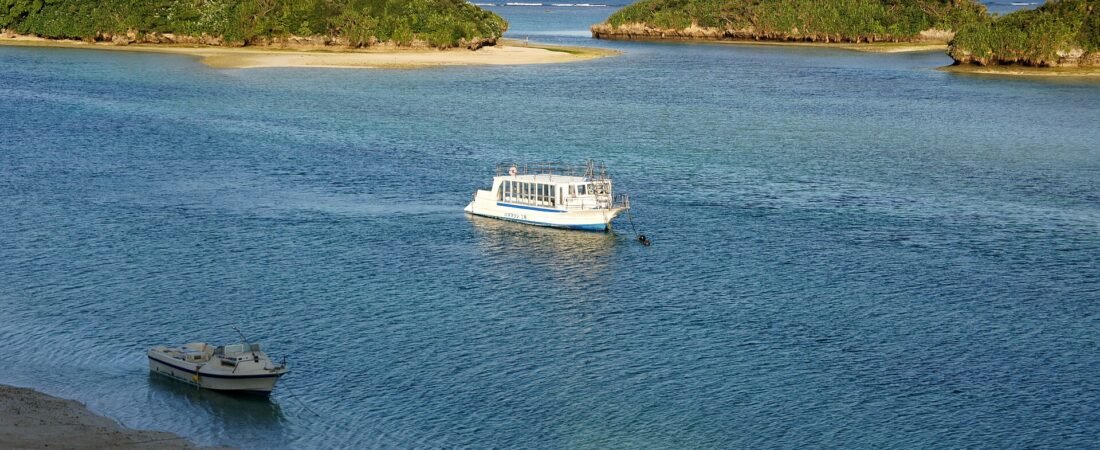
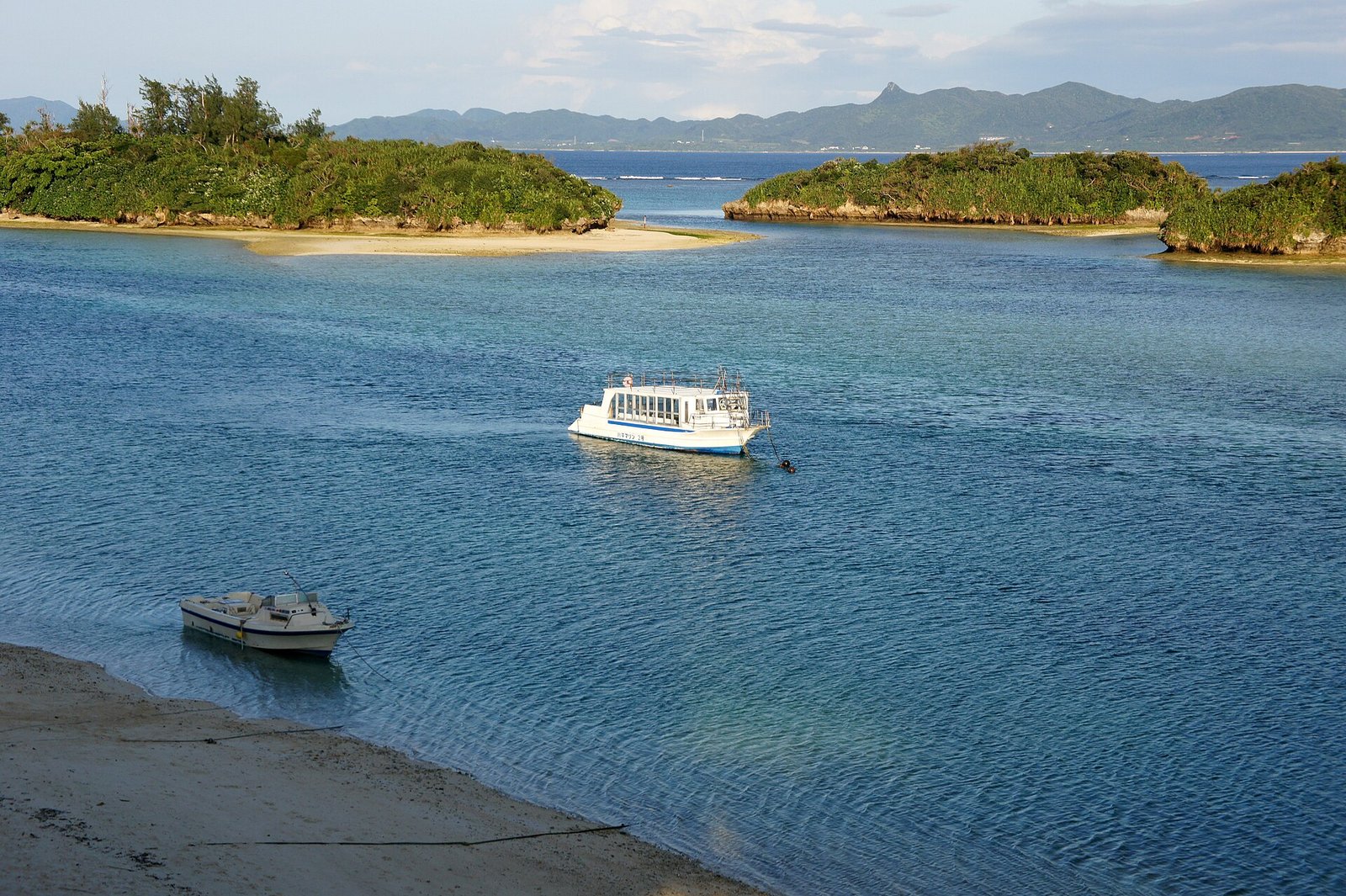
Kabira Bay, Ishigaki. Photo: 663highland, CC BY 2.5, via Wikimedia Commons
Ishigaki and Miyako sit roughly 130 km apart in Okinawa’s far south, share the same subtropical climate and both promise impossibly blue water. Yet they suit very different trips. This guide focuses on choosing between them specifically for first-time visitors to Japan’s southern islands who want one well-chosen base with a comfortable resort, rather than a rushed multi-island loop.
Research-based comparison · Information checked October 2026 against official tourism and transport sources. Not a first-hand stay review; confirm schedules and rates before booking.
The short answer
Choose Ishigaki if you want a lively small town, Ishigaki beef dinners and easy day trips by ferry to Taketomi and Iriomote. Choose Miyako if your priority is beach time: long white-sand strands, bridges you can drive to neighbouring islands and a slower, quieter pace.
Ishigaki vs Miyako at a Glance
Both islands belong to Okinawa Prefecture, but they are different island groups. Ishigaki is the hub of the Yaeyama Islands, which include Taketomi, Iriomote, Kohama and Hateruma. Miyako is the main island of the Miyako Islands, a compact cluster linked to Ikema, Kurima and Irabu by road bridges.
That one difference shapes everything. On Ishigaki, the sea is your highway: fast ferries leave the remote-island terminal in town several times an hour in peak season. On Miyako you drive everywhere, and the island’s flat terrain and bridges make a rental car the single most useful thing you can book.
If you have already read our Okinawa luxury resorts overview, think of this guide as the next step: deciding which of the two most popular outer islands deserves your limited holiday days.
Scale matters too. Ishigaki is the larger and more populous of the two, with a proper town centre, a busy port and a mountainous, forested interior rising to Mount Omoto, the highest peak in Okinawa Prefecture. Miyako is flatter and more agricultural, dominated by sugarcane fields, which is why it lacks rivers and why its surrounding water is often so remarkably clear.
Beaches and Water: Where Miyako Pulls Ahead
Miyako has the stronger reputation for beaches, and it is well earned. Yonaha Maehama runs for several kilometres of fine pale sand on the southwest coast, facing Kurima Island. Sunayama Beach near Hirara is framed by a rock arch, while Aragusuku and Yoshino on the east coast are known for shallow reef snorkelling close to shore.
Ishigaki’s most famous view, Kabira Bay, is spectacular but swimming is not permitted there; visitors see it from glass-bottom boats instead. Swimmable beaches include Yonehara (reef snorkelling, watch the currents), Sukuji and the resort beaches at Maezato and Fusaki. Many visitors find Ishigaki’s best water is actually a ferry ride away, around Taketomi and Kohama.
For divers, the picture flips. Ishigaki is famous for manta ray encounters at sites such as Manta Scramble between Ishigaki and Kohama, and Iriomote’s reefs are close by. Miyako counters with dramatic cave and arch dives around Irabu and Shimoji. Our snorkelling guide for beginners covers gear and safety basics that apply on both islands.
Luxury Resorts Compared
Neither island is short of high-end stays, but the style differs. Ishigaki’s resorts are spread around the coast, with a strong option on a neighbouring island. Miyako has seen a wave of new international-brand openings in recent years, especially around Irabu and Hirara.
Ishigaki and the Yaeyama Islands
- ANA InterContinental Ishigaki Resort – a large beachfront resort at Maezato, a short drive from town; good for families who want pools, restaurants and a club lounge in one place.
- Fusaki Beach Resort Hotel & Villas – on the west coast with a lagoon-style pool and sunset views, convenient for Kabira Bay and the north.
- Club Med Kabira Ishigaki – an all-inclusive set-up on a quieter northern bay, practical for families.
- Hoshinoya Taketomi Island – traditional-style villas with stone walls and red-tiled roofs on Taketomi, about 15 minutes by ferry from Ishigaki; a favourite for couples.
Miyako and its bridged islands
- Iraph Sui, a Luxury Collection Hotel, Okinawa Miyako – a design-led boutique property on Irabu Island, aimed at couples.
- Hilton Okinawa Miyako Island Resort – one of the island’s newer large resorts, close to Hirara’s restaurants and the port.
- Shigira Resort – a sprawling complex on the south coast with several hotels, including suite-and-villa options, plus golf and a hot-spring facility.
- Miyakojima Tokyu Hotel & Resorts – directly on Yonaha Maehama, the classic choice if beach access matters most.
For detailed room-by-room advice, see our best luxury resorts in Ishigaki guide and our Miyako Island trip planner.
Use this table to match each island to your travel style. Ratings are relative to each other, not to Okinawa as a whole.
| Factor | Ishigaki | Miyako |
|---|---|---|
| Best for | Island-hopping, food, culture | Beaches, driving, quiet stays |
| Signature beach | Kabira Bay (viewing only), Yonehara | Yonaha Maehama, Sunayama |
| Diving highlight | Manta rays, Iriomote reefs | Caves and arches off Irabu and Shimoji |
| Getting around | Ferries + taxis, car optional | Rental car strongly recommended |
| Nightlife | Lively town centre | Quiet, centred on Hirara |
| Signature luxury stay | Hoshinoya Taketomi (by ferry) | Iraph Sui on Irabu Island |
| Typhoon impact | Ferries often suspended | Flights affected; bridges may close in strong winds |
Getting There and Getting Around
Both islands have airports with direct flights from Naha (roughly an hour) and seasonal or year-round flights from mainland hubs such as Tokyo and Osaka. Miyako also has Shimojishima Airport, linked by bridge to the main island via Irabu, which handles some low-cost and domestic routes. There is no passenger ferry between Miyako and Ishigaki; if you want both, take the short flight between them.
On Ishigaki you can manage with taxis, buses and ferries if you base yourself in town, although a car helps for the north. On Miyako a rental car is close to essential. The bridge drive is the highlight: Irabu Ohashi, opened in 2015, is about 3.5 km long and one of the longest toll-free bridges in Japan, while Ikema and Kurima bridges offer their own viewpoints.
Check the Visit Okinawa official tourism site for current routes, and the Japan National Tourism Organization for entry and rail-pass information if you are combining the islands with mainland Japan.
Food, Culture and Evenings
Ishigaki town is the clear winner after dark. The covered market streets around the port are packed with izakaya, yakiniku restaurants serving Ishigaki beef, and small bars playing Yaeyama folk music on the sanshin. You can walk between dinner and a nightcap, which is rare in the outer islands.
Miyako’s dining scene is centred on Hirara and is pleasant but more limited; most resort guests eat in-house or drive into town. The island’s own traditions, including Miyako soba and local awamori, are worth seeking out, and the quieter evenings suit travellers whose ideal night is a sunset on the beach and an early start.
Culture lovers on Ishigaki can also visit Taketomi’s preserved village of red-tiled houses, while Iriomote offers mangrove kayaking and jungle trails, experiences Miyako cannot match.
A practical tip for both islands: rental cars sell out in peak weeks such as Golden Week, the summer school holidays and the autumn long weekends. Reserve at the same time as your flights, and bring an International Driving Permit if your licence was not issued in Japan.
When to Go and Weather Risks
Okinawa’s rainy season usually runs from around early May to late June. July is often the most reliably sunny month, but the typhoon season peaks in August and September and can cancel flights and ferries for a day or two. Ishigaki is more exposed to ferry disruption simply because more of its itineraries depend on boats.
October and early November are an excellent shoulder period, with warm sea temperatures and fewer crowds. Winter (December to February) is mild for walking but windy, and many visitors find the water too cool for long swims. Track storms through the Japan Meteorological Agency in the days before travel.
Whichever island you choose, build in a buffer night before any international connection in typhoon months.
Our Verdict: Which Island Should You Book?
Book Ishigaki if you want variety: a walkable town, excellent food, manta dives and the option to hop to Taketomi for a night at Hoshinoya or to Iriomote for a jungle day. It suits couples who like to explore and families who want short, easy outings.
Book Miyako if you want a true beach holiday: drive the bridges, spend afternoons on Yonaha Maehama and stay at a newer resort with fewer day-trippers around. It suits honeymooners and anyone who measures a trip by hours in the water.
With a week or more, do both: four nights on Miyako for the beaches, then three on Ishigaki for food and island-hopping. If you are comparing Asian island regions more widely, our overwater villa alternatives guide is a useful next read.
Frequently Asked Questions
Is Ishigaki or Miyako better for a honeymoon?
Miyako generally suits couples who want beach time and privacy, especially at boutique stays on Irabu. Ishigaki is better if you also want restaurants, nightlife and a night on Taketomi.
Can you visit Ishigaki and Miyako on one trip?
Yes. There is no passenger ferry between them, but short direct flights connect the two islands. Allow at least three nights on each to make the extra flight worthwhile.
Do I need a car on Miyako Island?
In practice, yes. Public transport is limited and the best beaches and bridges are spread across several islands, so a rental car makes the trip far easier.
Can you swim in Kabira Bay?
No. Swimming is not permitted at Kabira Bay because of boat traffic and currents. Visitors enjoy it from viewpoints and glass-bottom boat tours instead.
What is the best month to visit Ishigaki or Miyako?
July and October are often the best balance of sunshine and sea temperature, although July and the following weeks fall within typhoon season, so build flexibility into your plans.
Kabira Bay, Ishigaki. Photo: 663highland, CC BY 2.5, via Wikimedia Commons