Selong Belanak Travel Guide 2026: Lombok’s Surf Beach
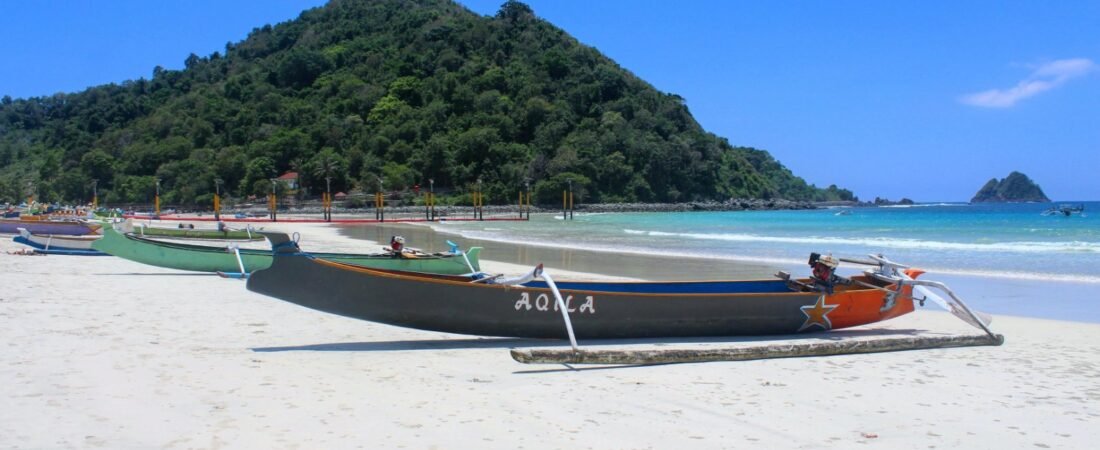
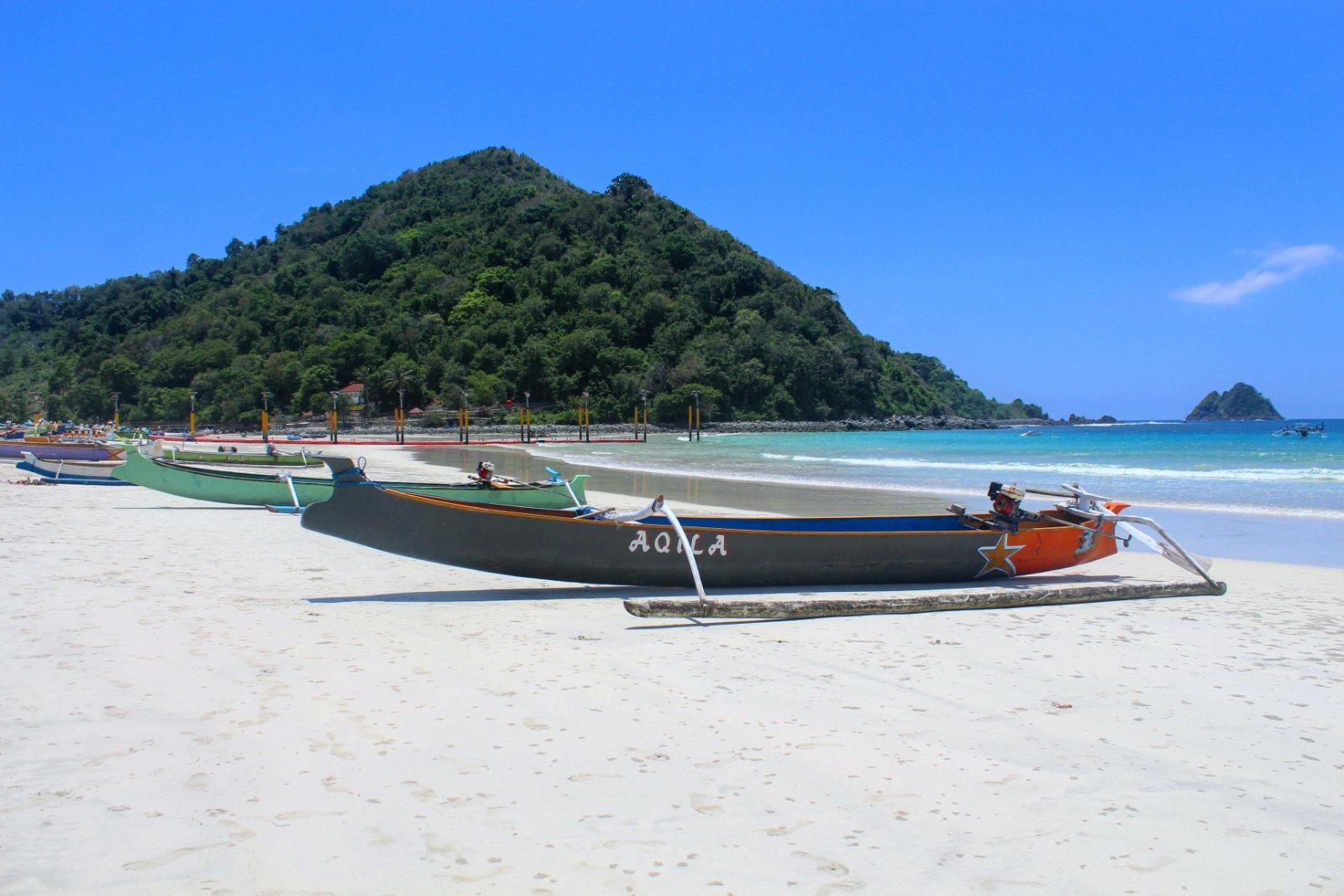
Selong Belanak’s wide bay, home to one of Lombok’s best beginner surf waves.
This guide focuses on Selong Belanak specifically for beginner surfers and first-time visitors to South Lombok who want realistic transport times, lesson costs and seasonal wave conditions before they book a trip around this one bay.
Research-based guide · Sources checked 3 October 2026. This is not a first-hand stay review or a ranking based on guest scores.
Is Selong Belanak Right for Your Trip?
Selong Belanak is a wide, horseshoe-shaped bay in South Lombok built around one thing: a long, gentle, sand-bottom left-hander that is routinely named one of the easiest places in Indonesia to learn to surf. If you already surf intermediate-to-advanced reef breaks, the wave here will feel slow; beginners and returning improvers are the people it suits best. Non-surfing travellers still use it as a calm, scenic stop between Kuta Lombok and the island’s southern coast. The bay is wide enough that surfers, swimmers and people who just want a quiet stretch of sand can share it without feeling crowded, which is unusual for a wave this well known. Fishing boats still launch from the same sand most mornings, a working detail that separates Selong Belanak from the more built-up resort beaches further north on Lombok and in Bali.
How to Get to Selong Belanak
Most visitors base themselves in Kuta Lombok and day-trip or stay out at the bay itself. The drive is roughly 40 to 50 minutes by scooter on a mostly sealed road, or a similar time by car. Scooter rental in Kuta runs about 70,000 to 100,000 IDR a day, while a one-way Grab or Gojek transfer costs roughly 50,000 to 80,000 IDR. Coming straight from Lombok International Airport, budget 70 to 80 minutes and around 200,000 to 300,000 IDR for a direct car transfer, since there is no public bus route that serves the bay directly. Pre-booking that transfer the day before, through your accommodation or a driver contact, avoids relying on patchy mobile signal to hail a ride once you land. Most drivers working the Kuta-to-south-coast route know Selong Belanak by name, so you do not need the exact address, but confirming a return pickup time before you arrive is worth doing since phone signal at the bay itself can be unreliable for calling a new ride later in the day.
If you are also visiting Tanjung Aan or Mawun Beach on the same trip, Selong Belanak sits far enough west of Kuta that it is usually its own half-day or full-day excursion rather than something you combine with the eastern beaches in one outing. Travellers arriving from Bali typically fly into Lombok rather than taking the fast boat and Gili Islands route, since the ferry network around the Gilis does not continue down to the south coast; a direct flight into Lombok International Airport and a single onward car transfer is the simpler routing for this specific beach.
Why Beginners Learn to Surf Here
The wave breaks over a sand bottom rather than reef, which matters for anyone who is going to fall off repeatedly while learning, since a sand-bottom wipeout is far more forgiving than landing on exposed rock or coral. According to independent surf guides covering the spot, the wave peels for roughly 50 to 100 metres and breaks slowly enough that a new surfer has real time to get to their feet before the wave closes out. Just as importantly, the break runs away from the rocky points at either end of the bay, so a wipeout drifts a learner toward open sand rather than toward anything hazardous. This is also why most schools here teach on longboards or foam tops rather than short, performance-oriented boards; a slower, more buoyant board matches the slower wave and gets beginners standing up in fewer sessions than it would at a steeper, faster break elsewhere on the island. Intermediate surfers sometimes use the bay as a warm-up or a rest day between trips to faster breaks further south on Lombok, rather than as their main destination, which is worth knowing if you are planning a longer surf-focused itinerary around the island rather than a single beginner lesson.
Compare Lessons, Boards and Food Costs
| Item | Typical price (IDR) | Notes |
|---|---|---|
| 2-hour surf lesson | 150,000 – 250,000 | Per person, board usually included |
| Board hire | 50,000 – 75,000 / hour | Or 100,000 – 150,000 for a full day |
| Beachfront cafe meal | 30,000 – 80,000 | Sea view, slower service at peak times |
| Village warung meal | 15,000 – 30,000 | Local Sasak dishes, simple seating |
Where to Stay Near Selong Belanak
Accommodation around the bay spans budget guesthouses within walking distance of the sand up to boutique villa resorts such as Selong Selo Resort and Villas, which anchors the upscale end of the bay with private-pool villas, an on-site restaurant and its own surf school for guests who would rather not walk to the public lesson stands on the beach. Staying at the bay itself means walking to the break rather than commuting from Kuta, which matters most if you plan to surf at dawn before the wind picks up, a common pattern at this spot. Local guides to the bay generally recommend booking villa or guesthouse stays well ahead during the June to August peak, since the handful of properties directly on the sand fill up faster than Kuta’s much larger room inventory. Booking three to six months ahead for a July or August stay directly on the bay is a reasonable rule of thumb if a sunrise surf session, rather than proximity to Kuta’s restaurants, is the priority for your trip.
Best Time to Visit: Surf Season
Peak swell runs June through August, when the wave becomes more powerful and more consistent, which also means it is less forgiving for absolute first-timers on the biggest days. The shoulder months of April, May, September and October bring smaller but still very surfable waves, and many beginner-focused schools consider this window the more comfortable learning period precisely because the wave is gentler. Outside of the wave itself, the dry season from roughly May to October gives the most reliable beach weather for a non-surfing day at the bay. The wet season from November through March brings a higher chance of short, heavy afternoon downpours rather than all-day rain, so it rarely cancels a morning surf session outright, but it does make the unsealed sections of the access road slower going and worth allowing extra time for.
A Realistic Day (or Few Days) at the Bay
- Book your first lesson for the morning, before the onshore wind typically picks up and roughens the surface later in the day.
- If you are only staying in Kuta, factor the 40 to 50 minute scooter ride each way into how early you need to leave for a dawn session.
- Carry small denomination cash; cafes and board-hire stands at the bay are not set up for cards.
- Download an offline map of the area before you leave Kuta, since mobile data coverage along the access road is inconsistent in places.
- If you are renting your own scooter rather than booking a driver, check brake condition and tyre tread before setting off, since the road surface changes without much warning on the approach to the bay.
- Ask your lesson provider whether reef shoes are included, since the sand can be hot underfoot around midday even though the break itself is sand-bottomed.
- If swell is at its strongest in July or August, ask your instructor for an honest read on whether the day’s conditions still suit a first-timer rather than assuming every day at a “beginner beach” is automatically easy.
- Pack reef-safe sunscreen and reapply after each session; the bay offers little natural shade between the tree line and the water’s edge.
- If you are travelling with a non-surfing partner or children, ask about the paddleboard and bodyboard rentals available at the same stands that rent surfboards, since the inner part of the bay stays calm enough for both.
Frequently Asked Questions
Do I need surf experience before trying Selong Belanak?
No. The combination of a sand bottom, a slow-breaking wave and a break that runs away from the bay’s rocky points is specifically why this spot is recommended for complete beginners across multiple independent surf guides.
How far is Selong Belanak from Kuta Lombok?
Around 40 to 50 minutes by scooter or car on a mostly sealed road, making it a comfortable half-day or full-day trip from most Kuta accommodation.
Is June to August the best time to go?
It is the most consistent swell window, but the wave is also more powerful then. Absolute beginners may prefer the gentler shoulder months of April, May, September or October instead.
Can non-surfers enjoy a visit?
Yes. The bay itself is scenic and swimmable, with cafes and sun loungers, so it works as a relaxed stop even if nobody in your group surfs.
Is it better to stay at the bay or day-trip from Kuta?
Staying at the bay saves the daily commute and makes dawn sessions realistic; day-tripping from Kuta keeps you closer to a wider choice of restaurants and nightlife in the evenings.
See how this bay compares directly with the busier Kuta Lombok beach scene, check month-by-month surf conditions before booking flights, or plan a wider loop with our South Lombok beaches itinerary. For an island-hopping add-on nearby, see our Gili Trawangan guide. As with any wave that gets recommended heavily for beginners, treat local conditions on the day as the final word over anything written here, since swell, wind and tide all shift the bay’s character from one morning to the next.