Best Places to Stay on Rottnest Island 2026
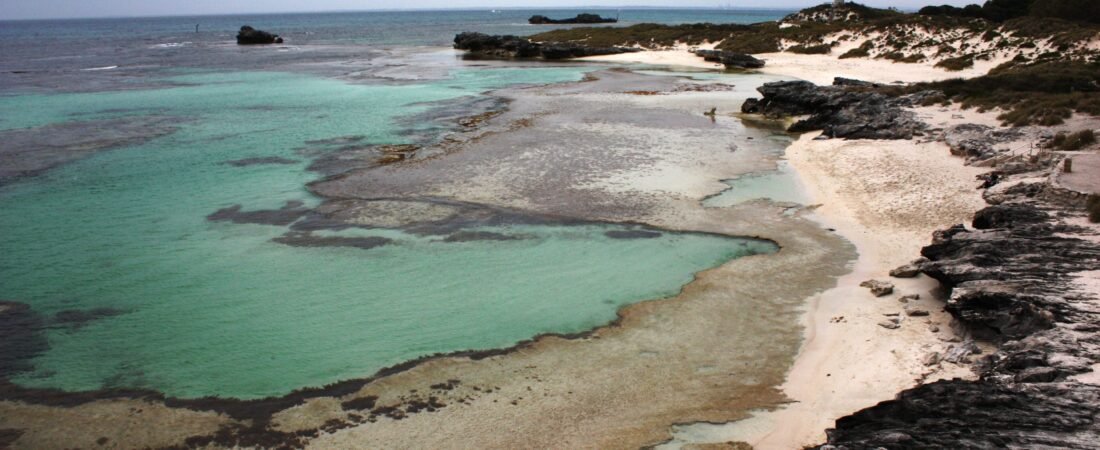
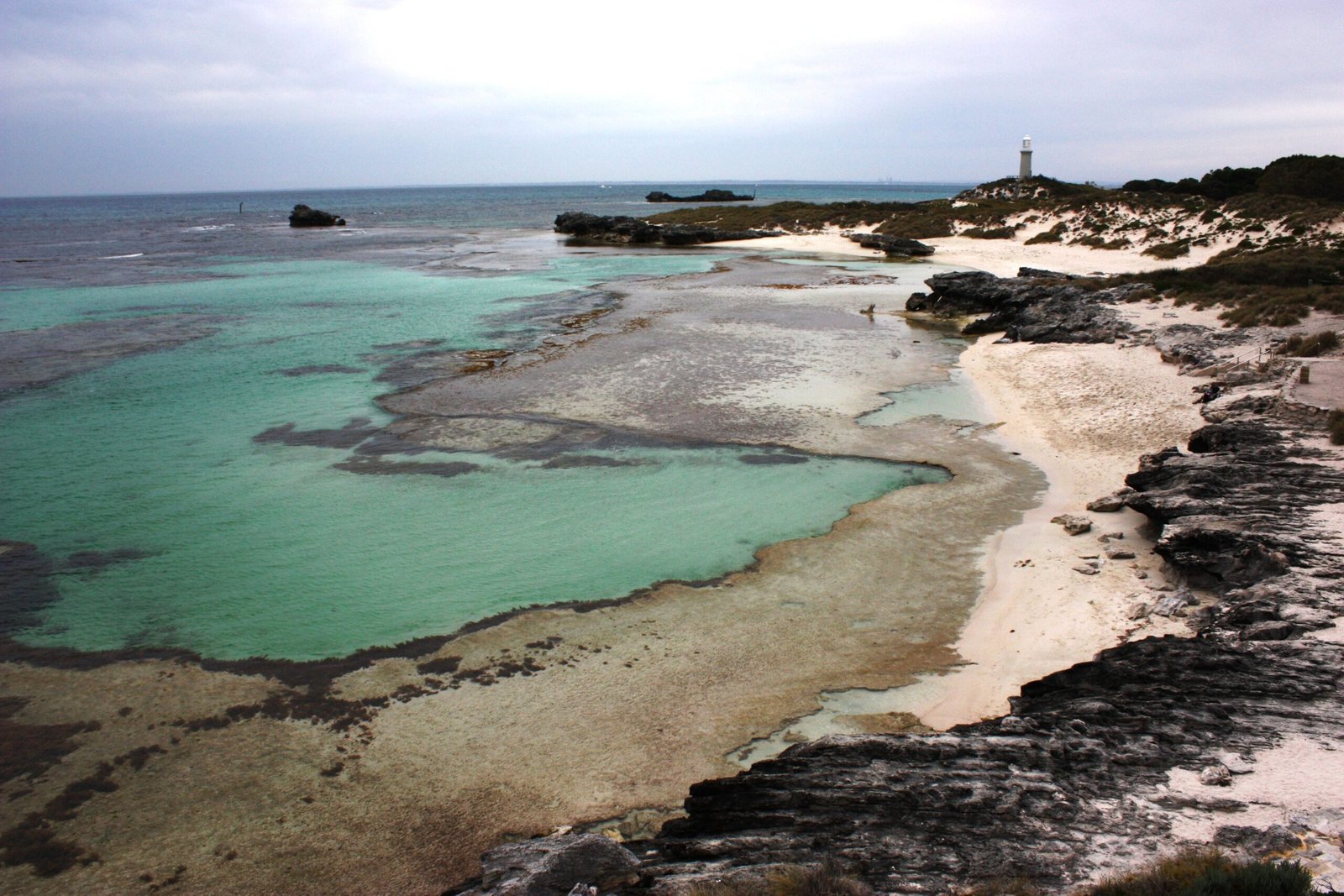
The Basin, Rottnest Island. Photo: Hesperian, CC BY 3.0, via Wikimedia Commons.
Rottnest Island, known to the Whadjuk Noongar people as Wadjemup, lies about 20 kilometres off the coast of Perth. It has more than 60 beaches and bays, water clear enough to see reef from the cliff tops, and its famous residents, the quokkas. Most visitors come for a day, but the island really reveals itself after the last ferry leaves. This guide focuses on where to stay on Rottnest specifically for travellers who want to turn a Perth day trip into a slower one- to three-night island escape.
Accommodation on Rottnest is limited and books out quickly, so choosing the right style matters. Below we rank the main options from most polished to most rustic, compare them in a table, and cover ferries, seasons and the rules that keep the island special. If you are planning a wider Australian island trip, our Lord Howe Island guide covers another beautifully protected island.
The unique angle: on Rottnest, location beats luxury
No property on Rottnest is a five-star resort in the international sense. What separates a good stay from a great one is where you wake up: a beachfront room at Thomson Bay, a tent steps from Pinky Beach, or a cottage on quiet Geordie Bay. Choose the setting first, then the room.
1. Samphire Rottnest: The Most Polished Hotel
Samphire Rottnest is the island’s most contemporary hotel, set right on the beachfront at Thomson Bay, the main settlement where ferries arrive. Rooms are bright and coastal in style, and the property includes a pool and an all-day dining venue with views across the bay. For travellers who want hotel service and the easiest possible arrival, this is the natural first choice.
The trade-off is that Thomson Bay is the busiest part of the island during the day. Once the day trippers leave, however, the bay becomes calm, and sunset drinks with the water in front of you are a highlight. Check room types carefully, as beachfront and garden-facing rooms differ in view and price.
2. Hotel Rottnest: Heritage Charm on the Bay
Hotel Rottnest occupies a historic building on the Thomson Bay foreshore that once served as the summer residence of Western Australia’s governors. Today it is best known for its lively waterfront bar and lawn, which fill with visitors on sunny afternoons. Rooms are a short walk from the ferry jetty and the main shops.
This is a good choice for couples or friends who want a social atmosphere and easy access to food and drinks. Light sleepers should ask about room location, as weekend afternoons on the lawn can be busy.
3. Discovery Rottnest Island: Glamping at Pinky Beach
Discovery Rottnest Island offers eco-style tented accommodation behind the dunes at Pinky Beach, a short walk from Thomson Bay. The tents range from simple options to deluxe versions with ensuite bathrooms, and some have private decks. The resort has a pool and a casual bar and restaurant close to the beach.
It is the best option for travellers who want to feel close to nature without giving up comfort. Pinky Beach is one of the island’s most beautiful swimming spots, and the Bathurst Lighthouse is a short stroll away for sunset photographs. The canvas walls mean you will hear the wind and the sea, which most guests consider part of the charm.
4. Holiday Cottages and Units: Best for Families and Groups
A large share of Rottnest’s accommodation is self-contained holiday cottages, villas and units managed through the island’s official booking system. They are spread across Thomson Bay, Geordie Bay, Longreach Bay and Fay’s Bay, and range from simple heritage cottages to renovated beachfront homes.
Cottages are ideal for families, groups of friends and longer stays, because you can cook, spread out and live like a local. Geordie Bay and Longreach Bay are quieter than Thomson Bay and have calm, sheltered water that is perfect for children. Bring or buy groceries at the settlement shop, and remember that linen and other inclusions vary between properties. Book through the official Rottnest Island website.
5. Camping: Best Value
For the most affordable overnight stay, the island’s campground near Thomson Bay offers tent sites with access to shared facilities. It is a simple, sociable option that suits younger travellers and outdoorsy families. Camping on Rottnest is only permitted in designated areas, and you will need to carry your gear from the ferry, so pack light or use the luggage services offered by ferry operators.
A practical booking tip for every style: start with dates rather than a specific property. Rottnest’s supply is fixed and small, so in busy periods it is easier to secure a good stay by being flexible about the night of the week than by holding out for one particular room. Mid-week stays outside school holidays are noticeably easier to book and often cheaper, and the island is calmer too. If your first choice is full, check again closer to the date, as cancellations do appear, particularly for cottages and glamping tents.
Rottnest Stays Compared
| Option | Location | Best for | Main trade-off |
|---|---|---|---|
| Samphire Rottnest | Thomson Bay beachfront | Couples wanting hotel comfort and a pool | Busy bay during the day |
| Hotel Rottnest | Thomson Bay foreshore | Social stays near the bar and ferry | Can be noisy on weekend afternoons |
| Discovery Rottnest Island | Behind Pinky Beach | Glamping close to the best beach | Tents are less insulated from wind and noise |
| Holiday cottages and units | Thomson, Geordie, Longreach and Fay’s Bays | Families, groups, longer stays | Self-catering; inclusions vary |
| Campground | Near Thomson Bay | Budget and outdoor travellers | Shared facilities; carry your own gear |
How long to stay
One night is enough to experience the island without day crowds: arrive on a morning ferry, cycle in the afternoon, watch the sunset and enjoy a quiet early morning before the first boats arrive. Two nights is the sweet spot for most couples, giving you a full day to ride the loop road to the West End, snorkel at two or three bays and still have time to relax. Families in cottages often stay three to five nights and settle into a routine of beach mornings and lazy afternoons.
A sample two-night stay
Day 1: Mid-morning ferry from Fremantle, collect bikes, check in or drop bags, and cycle to Pinky Beach and the Bathurst Lighthouse. Swim at The Basin in the afternoon and watch sunset over Thomson Bay.
Day 2: Early start to cycle the full loop to Cape Vlamingh at the West End, stopping at Little Salmon Bay and Parakeet Bay to snorkel. Look for seals and, in season, whales from the West End boardwalk. Evening dinner at the settlement.
Day 3: Quiet morning swim at Geordie Bay, a visit to the museum and the Wadjemup history sites, then the afternoon ferry back to the mainland.
Getting There, Getting Around and When to Go
Ferries run to Rottnest from Fremantle, from Perth city via the Swan River, and from Hillarys Boat Harbour in Perth’s northern suburbs. The Fremantle crossing is the quickest, at about 30 minutes. Operators such as Rottnest Express include the island admission fee in the ticket and offer bike hire packages. Book ferries and accommodation together, especially in summer.
There are no private cars on the island. Most visitors cycle, as the island is compact with a 22-kilometre loop road, though some hills on the West End route are steep in the heat. An island bus service links the settlements and major bays, and e-bikes make longer rides easier. Snorkelling at The Basin, Parker Point and Little Salmon Bay is excellent on calm days.
Perth has a Mediterranean climate. Summer, from December to February, brings hot, dry days and the warmest water, but it is also the busiest time. Spring and autumn offer pleasant temperatures and fewer crowds, while winter can be cool, windy and wet but very peaceful. Humpback whales pass the island on their migration in late winter and spring. For broader trip planning, Tourism Western Australia has regional information.
Island etiquette and history
Quokkas are a protected species: never touch or feed them, and keep food secured. Rottnest also has a painful history as a site where Aboriginal men and boys were imprisoned during the colonial era. Take time to learn about Wadjemup’s story at the island museum and interpretive sites, and treat the burial ground and memorial areas with respect.
If Rottnest is part of a longer Australian holiday, pair it with our Tasmania luxury itinerary or our Whitsundays honeymoon planner, and if you are crossing the Tasman, browse our New Zealand luxury lodges.
Frequently Asked Questions
Is it worth staying overnight on Rottnest Island?
Yes, if you can. Day trippers arrive mid-morning and leave mid-afternoon, so staying overnight gives you quiet early mornings, sunset at the West End or Thomson Bay and more relaxed time with the quokkas.
How do you get to Rottnest Island?
Passenger ferries run from Fremantle, Perth city and Hillarys Boat Harbour. The crossing from Fremantle is the shortest, at roughly 30 minutes. The island admission fee is usually included in the ferry ticket.
Can you bring a car to Rottnest Island?
No. Private cars are not allowed. Visitors get around by bicycle, the island bus service, walking or organised tours, which is part of what makes the island so peaceful.
When should we book Rottnest accommodation?
Book as early as possible for summer, Western Australian school holidays and long weekends, when demand is very high. Winter and mid-week stays are much easier to secure.
Can you touch or feed quokkas?
No. Quokkas are a protected species, and touching or feeding them is prohibited. Take photos from a respectful distance, never offer food, and secure your bags and rubbish.
Hero photo: Hesperian (CC BY 3.0) via Wikimedia Commons. Research-based guide; verify prices, schedules and policies with official sources before booking.