Trincomalee vs Pasikudah 2026: East Coast Beaches
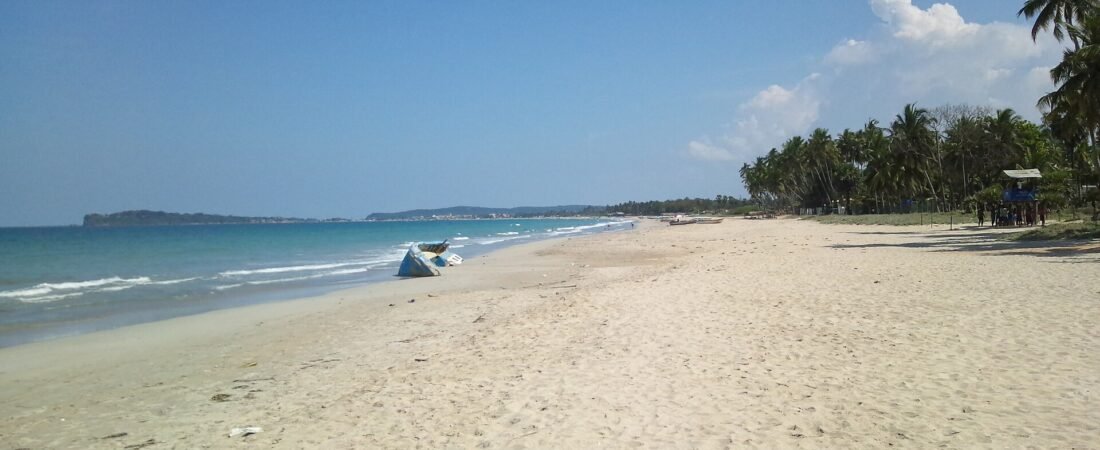
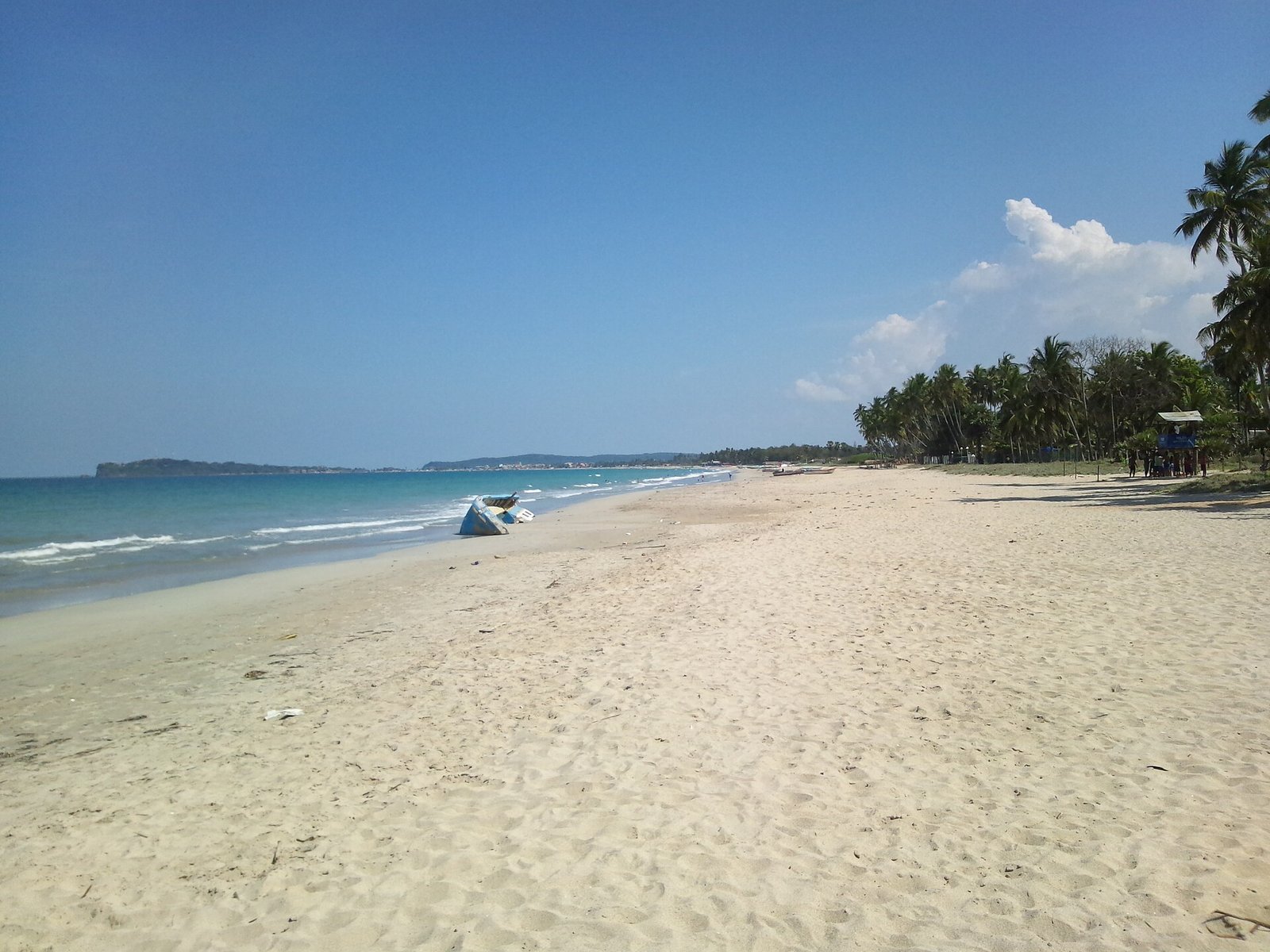
Uppuveli Beach, Trincomalee. Photo: Honeplus / Wikimedia Commons (CC BY-SA 3.0)
TL;DR: Choose Trincomalee for snorkelling at Pigeon Island, temples and more variety; choose Pasikudah for a calm, shallow, swimming-pool-like bay and pure resort relaxation. Both are best from roughly May to September, when the south coast is in monsoon.
When the southwest monsoon rolls into Galle and Mirissa, Sri Lanka’s east coast enters its best months. Two names dominate luxury east-coast planning: Trincomalee, with its deep natural harbour and the beaches of Uppuveli and Nilaveli, and Pasikudah, a reef-sheltered bay so shallow you can wade a long way out at waist depth.
This guide focuses on Trincomalee vs Pasikudah specifically for couples and families planning a May–September beach stay who want upscale resorts rather than budget guesthouses. We compare water conditions, activities, resort quality and logistics, then tell you which to pick for your travel style.
At a Glance: Trincomalee vs Pasikudah
| Factor | Trincomalee | Pasikudah |
|---|---|---|
| Water | Clear, deeper water; good snorkelling | Very shallow, calm, reef-protected bay |
| Main beaches | Uppuveli, Nilaveli, Kuchchaveli | Pasikudah Bay, Kalkudah nearby |
| Activities | Pigeon Island, whale & dolphin trips, temples, diving | Swimming, lazy beach days, spa, cycling |
| Luxury resorts | Jungle Beach by Uga Escapes, Trinco Blu by Cinnamon | Uga Bay, Maalu Maalu, Amethyst, Anantaya |
| Best for | Active couples, divers, culture seekers | Families with young kids, pure relaxation |
| Atmosphere | Small town with some bars and restaurants | Self-contained resort strip, very quiet |
The Beaches and the Water
Trincomalee: Variety and Visibility
Trincomalee isn’t one beach but a string of them. Uppuveli, just north of town, is the most convenient, with a handful of upscale hotels and beachside restaurants. Nilaveli, further north, is broader and quieter and is the jumping-off point for Pigeon Island. Beyond that, Kuchchaveli is home to some of the most secluded stays on the coast.
The water here is generally clearer and deeper than at Pasikudah, which makes it better for snorkelling and diving but less suitable for toddlers who just want to splash.
Pasikudah: The Natural Swimming Pool
Pasikudah’s defining feature is its shallowness. An offshore reef breaks the swell, leaving a long, gently shelving bay where adults can walk far out with the water barely above the waist. It feels almost like a giant lagoon, and on calm mornings the surface is glassy.
That makes Pasikudah outstanding for families and for anyone who wants a stress-free swim. The trade-off: fewer marine-life highlights and a strip that is almost entirely resorts, with limited independent dining.
Things to Do
In and Around Trincomalee
- Pigeon Island National Park — a short boat ride from Nilaveli, known for coral, reef fish, turtles and blacktip reef sharks. Go early to avoid crowds.
- Koneswaram Temple — a Hindu temple on Swami Rock with sweeping views over the ocean.
- Whale and dolphin trips — seasonal boat trips operate off Trincomalee; check current sighting reports with operators.
- Diving — several dive centres run trips to reefs and wrecks in season.
In and Around Pasikudah
- Kalkudah Beach — a wilder, emptier neighbouring beach for long walks.
- Batticaloa — about an hour south, with a Dutch fort and a lagoon-side town.
- Spa and wellness — most resorts have good spas, and Ayurvedic treatments are widely available.
- Cycling — flat roads make gentle bike rides through villages easy.
Luxury Resorts Compared
Trincomalee Picks
Jungle Beach by Uga Escapes in Kuchchaveli is the area’s most secluded upscale option, with cabins set in coastal forest just behind a quiet beach. It suits couples who value nature and privacy over nightlife. Trinco Blu by Cinnamon on Uppuveli Beach is the more social, convenient choice, with a large pool and direct beach access close to town.
Pasikudah Picks
Uga Bay is the boutique standout on the Pasikudah strip, with a stylish, intimate feel. Maalu Maalu Resort & Spa takes inspiration from local fishing-village architecture and has a laid-back atmosphere. Amethyst Resort and Anantaya Resort & Spa offer larger pools and more facilities, which families tend to appreciate.
In both places, choose a beachfront or sea-view room: the difference in experience is noticeable, and east-coast rates are often more moderate than on the south coast in peak months.
What Luxury Looks Like on the East Coast
Set expectations accordingly: the east coast has fewer ultra-luxury, globally branded resorts than the south coast or the Maldives. What it offers instead is space, uncrowded beaches and very good boutique properties, where the staff often know guests by name after a day. Food is a highlight — expect fresh crab, prawns and reef fish, plus Tamil-influenced curries that differ noticeably from the south.
When comparing resorts, look at three practical details: whether the pool is shaded in the afternoon (the east-coast sun is intense in summer), whether the beach in front is maintained daily, and whether the resort can arrange early-morning Pigeon Island boats or private drivers without long waits.
Best Time to Visit the East Coast
The east coast has the opposite weather pattern to the south and west. It is usually driest and calmest from around May to September, with April and October as shoulder months. From roughly November to January, the northeast monsoon brings heavier rain and rougher seas to this side of the island, and some smaller operators scale back.
This seasonal flip is why many travellers combine both coasts: the south for a December–April trip and the east for a summer trip. Compare with our south coast best-time guide and our new Mirissa & Weligama resort ranking.
Getting There and Combining Both
From Colombo airport, a private car to either destination usually takes around 5–6 hours, often broken with a stop in the Cultural Triangle (Sigiriya, Dambulla or Polonnaruwa). Domestic air services, including scheduled and charter flights to airstrips near Trincomalee and Batticaloa, can save time; schedules vary by season, so check availability before planning around them. The Sri Lanka Tourism website lists official travel information.
Trincomalee and Pasikudah are roughly 2–2.5 hours apart by road, so it is easy to split a stay: three nights in Trincomalee for snorkelling and sightseeing, then three in Pasikudah to unwind. For lodges inland, see our best luxury resorts in Sri Lanka, and if you are deciding between countries, read Maldives vs Sri Lanka.
One practical tip: if you are driving from the Cultural Triangle, set off early. Roads are good but slow through towns, and arriving before the late-afternoon heat gives you time for a first swim at sunset.
Verdict: Which Should You Choose?
Pick Trincomalee if you want to snorkel, dive or explore, and you like having restaurants and a bit of town life nearby. Pick Pasikudah if your priority is effortless swimming, a quiet resort bubble and safe water for children. If you have six nights or more, do both — the drive is short, and the contrast makes for a richer trip. First-time visitors may also find our Sri Lanka first-timer’s guide useful for visas, money and transport basics.
Whichever you choose, pack reef-safe sunscreen, a light long-sleeved layer for temple visits and boat trips, and modest clothing for towns — the east coast is more conservative than the tourist hubs of the south. Cash is useful for tuk-tuks and small cafés, although resorts accept cards. Book beachfront rooms early for July and August, which coincide with European school holidays and fill fastest.
Sample 7-Night East Coast Plans
For active couples: four nights in Trincomalee (Nilaveli or Kuchchaveli) with a Pigeon Island morning, a dive day and a sunset at Koneswaram Temple, then three nights in Pasikudah for spa time and swimming.
For families: five nights in Pasikudah, where kids can play safely in the shallows, plus a two-night stop in Trincomalee with one boat trip and a relaxed temple visit.
For culture-first travellers: two nights at Sigiriya, then five nights split between Trincomalee and Pasikudah, keeping the drives short and the afternoons free.
Key Takeaways
- The east coast is best from about May to September — the opposite of the south coast.
- Trincomalee wins for snorkelling (Pigeon Island), diving, temples and variety.
- Pasikudah wins for calm, shallow, family-safe water and pure resort relaxation.
- Jungle Beach by Uga Escapes and Uga Bay are standout boutique luxury picks.
- The two are about 2–2.5 hours apart, so a split stay is easy.
Frequently Asked Questions
Is Trincomalee or Pasikudah better for families?
Pasikudah is usually better for families with young children thanks to its very shallow, calm, reef-protected water. Trincomalee suits older kids who want to snorkel.
When is the best time to visit Trincomalee and Pasikudah?
Roughly May to September is the driest and calmest period on Sri Lanka’s east coast. The northeast monsoon brings rain around November to January.
Can you snorkel in Pasikudah?
There is some snorkelling around the reef, but marine life is more limited than at Trincomalee’s Pigeon Island National Park.
How far is Pasikudah from Trincomalee?
The drive is roughly 2 to 2.5 hours, making it easy to combine both on one trip.
Are there luxury resorts in Trincomalee?
Yes. Jungle Beach by Uga Escapes in Kuchchaveli and Trinco Blu by Cinnamon on Uppuveli Beach are popular upscale choices.
About the Author
This guide was researched by the LuxStay editorial team — curating luxury island and Southeast Asia stays, updated regularly with on-the-ground verification.