
Cu Lao Cham Day Trip from Hoi An 2026
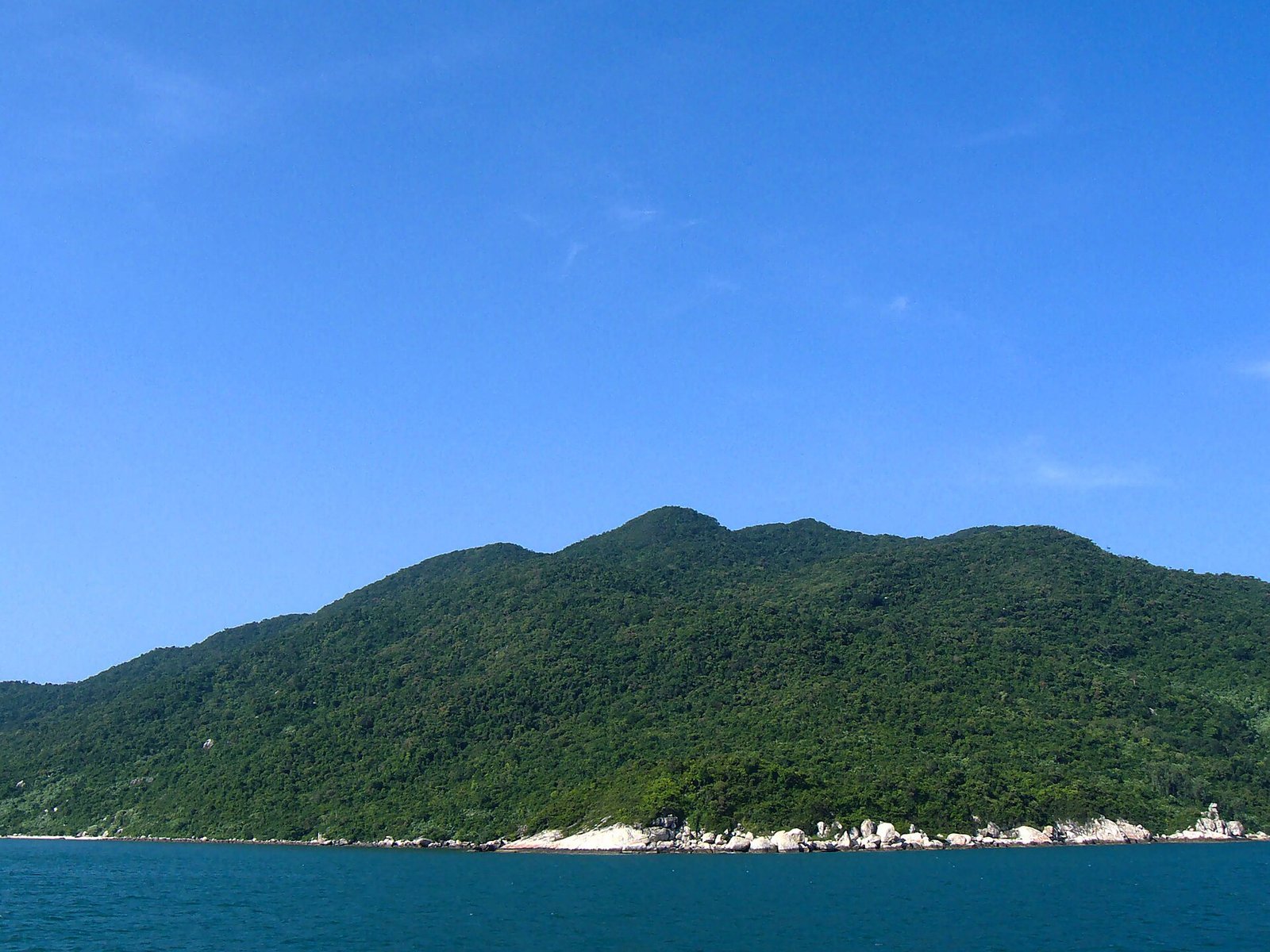
Planning a calm, private-boat escape to the Cham Islands off Vietnam’s central coast. · Photo: Cu Lao Cham Marine Park, Vietnam.jpg — Kok Leng Yeo (CC BY 2.0), via Wikimedia Commons
TL;DR: Cu Lao Cham is a protected island group roughly 15–20 km off Hoi An, reached by speedboat from Cua Dai in about 20–30 minutes. Go between roughly March and August, book a private boat through your resort for an early start, and plan 6–7 hours for snorkelling, a village walk and a seafood lunch.
Hoi An is famous for its lantern-lit old town and tailors, but on clear mornings you can see a line of green islands on the horizon. That is Cu Lao Cham — the Cham Islands — a small archipelago protected as a marine park and recognised by UNESCO as a World Biosphere Reserve.
A day on the islands is the perfect counterpoint to the old town: clear water, simple fishing villages and quiet coves. Done well, it feels like a private escape. Done badly — on a crowded boat at the wrong time of year — it can feel rushed and bumpy. Planning makes all the difference.
This guide focuses on planning a Cu Lao Cham day trip specifically for travellers staying at luxury resorts in Hoi An or Da Nang who want a comfortable, well-timed island day rather than a budget group tour.
Research-based guide · Updated October 2026. Prices, schedules and policies change — confirm directly with operators before booking.
What Is Cu Lao Cham and Why Go?
Cu Lao Cham is a cluster of eight small islands off the mouth of the Thu Bon River. The main island, Hon Lao, has the only significant settlements, with small villages, a pagoda and a handful of beaches. The surrounding waters are part of the Cu Lao Cham Marine Protected Area, and the wider area is part of the Cu Lao Cham – Hoi An Biosphere Reserve under UNESCO’s Man and the Biosphere programme.
Protection has made the islands a rare example of community-led conservation in Vietnam. Islanders have been known for limiting single-use plastic bags, and visitor numbers are managed. For travellers, that means cleaner beaches, gentler snorkelling and a slower rhythm than many Vietnamese beach destinations.
It is not a luxury resort island — there are no five-star hotels on Cu Lao Cham. The luxury comes from how you visit: a private boat, an early start, a good guide and a return to your Hoi An resort in time for a sunset massage.
Best Time to Go and Sea Conditions
Central Vietnam’s weather drives everything. The calmest seas are generally from around March to August, when skies are clearer and boat crossings smooth. From roughly September to December, the wet season brings heavier rain and storms, and boat services to the islands are often suspended for safety. Winter months can also bring choppy seas.
Within the good season, May to August are the warmest months, with excellent water visibility on calm days. Weekends and Vietnamese public holidays are busier, particularly with domestic tour groups, so a weekday trip is usually more peaceful. Our best time to visit Da Nang guide breaks down the regional weather month by month.
If your Hoi An stay falls in the wet season, do not force the trip. Instead, use the days for the old town, cooking classes or a visit to the My Son sanctuary, and save the islands for a return visit. Resort concierges usually have the latest information on whether boats are running and can rebook at short notice if the forecast improves.
| Period | Sea conditions | Recommendation |
|---|---|---|
| March–April | Generally calm, pleasant temperatures | Very good — fewer crowds |
| May–August | Warm, usually calm, best visibility | Best overall for snorkelling |
| September | Increasing rain and storm risk | Possible — keep plans flexible |
| October–December | Rough seas, frequent cancellations | Avoid |
| January–February | Cool, can be choppy | Check forecasts; trips may not run |
Private Boat vs Shared Tour
Speedboats leave from Cua Dai, a short drive from Hoi An’s old town and the beachfront resort area. Shared tours bundle hotel pickup, the boat, snorkelling gear and lunch, and they are good value. But they tend to follow the same timetable, which means arriving at the same snorkelling spot as several other boats.
A private charter, often arranged through resorts such as those in our Hoi An luxury hotels guide or Da Nang and Hoi An resorts guide, lets you set your own schedule. You can leave earlier, request quieter coves and adjust the day if the sea picks up.
| Factor | Shared tour | Private charter |
|---|---|---|
| Cost | Lower, per person | Higher, per boat |
| Departure time | Fixed | Flexible — early starts possible |
| Snorkelling spots | Popular, often busy | Can choose quieter sites |
| Lunch | Set menu, group seating | Choice of village restaurants |
| Best for | Solo travellers, budget-conscious | Couples, families, photographers |
Whichever option you choose, check that the operator provides life jackets for everyone, has a licence for the marine park and keeps groups small at snorkelling sites.
As a rough guide, budget-conscious travellers often choose the shared option and accept a busier day, while couples and families on a luxury itinerary usually find the private boat worth the premium. For a group of four or more, the per-person difference narrows considerably, and the flexibility alone can save the day if a morning squall rolls through.
Snorkelling, Villages and Things to Do
Snorkelling is the highlight. Shallow reefs around Hon Lao and nearby islets host hard and soft corals and reef fish, and the protected status has helped them recover in places. Visibility varies with weather and season, so manage expectations on windy days. Diving is also available through dive centres based in Hoi An.
On land, walk through Bai Lang, the main village, with its small market and fishing harbour. Visit Hai Tang Pagoda on the hillside, and look out for the ancient well that islanders still talk about. Bai Chong and Bai Ong are among the beaches used for swimming and lunch stops; some are calm and shaded, others more developed with deckchairs.
Seafood is the lunchtime star: grilled squid, clams and fresh fish, often served with views over the water. Ask your guide to recommend a family-run restaurant rather than the busiest tour-group venue.
For families, the islands are a gentle introduction to snorkelling: children can float with a life jacket over shallow reef while parents stay close by. Photographers should bring a polarising filter for the turquoise water and plan a few minutes on the boat ride back, when the mountains behind Hoi An and the Marble Mountains often line up on the horizon.
Sample Day Itinerary and Packing List
The schedule below assumes a private charter in the calm season. Shared tours follow a similar shape but usually depart later and spend less time at each stop. If you are staying in Da Nang rather than Hoi An, add roughly 30–45 minutes to the morning transfer and consider leaving a little earlier to keep the same rhythm.
| Time | Activity | Note |
|---|---|---|
| 07:00 | Resort pickup, transfer to Cua Dai | Ask for an early slot |
| 07:45 | Speedboat crossing (about 20–30 minutes) | Sit at the back if you get seasick |
| 08:30 | First snorkel at a quiet reef | Before other boats arrive |
| 10:30 | Bai Lang village and Hai Tang Pagoda | Wear covered shoulders at the pagoda |
| 12:00 | Seafood lunch on the beach | Pre-order to save time |
| 13:30 | Second snorkel or beach time | Shade and water |
| 15:00 | Return boat to Cua Dai | Back at the resort before sunset |
- Reef-safe sunscreen, hat and rash guard
- Dry bag for phones and cameras
- Cash in Vietnamese dong for small purchases
- Motion-sickness tablets if you are prone to seasickness
- Passport or ID — some operators ask for details for the park permit
- A reusable water bottle — island rules discourage single-use plastic
Key Takeaways
- Cu Lao Cham is a protected marine park roughly 20–30 minutes by speedboat from Cua Dai, near Hoi An.
- Visit between roughly March and August; trips are often cancelled from October to December.
- A private charter gives you an early start, quieter reefs and flexible timing.
- There are no luxury hotels on the islands — return to your Hoi An resort the same day.
- Respect island rules on plastic and reef protection.
Frequently Asked Questions
How long does it take to get to Cu Lao Cham from Hoi An?
After a short drive to Cua Dai, the speedboat crossing usually takes about 20–30 minutes, depending on sea conditions.
Is Cu Lao Cham worth visiting?
Yes, in the calm season. It offers clear water, gentle snorkelling and traditional fishing villages — a contrast to Hoi An’s busy old town.
Can I stay overnight on Cu Lao Cham?
Simple homestays and guesthouses exist on the main island, but there are no luxury hotels. Most luxury travellers visit as a day trip.
When are boats to Cu Lao Cham suspended?
Services are commonly suspended in rough seas, especially during the wet season from around October to December. Always check with your operator the day before.
Do I need a permit to visit?
Visitors pay a marine park entry fee, usually included in tour prices. Operators may ask for passport details; confirm requirements when booking.
Is snorkelling suitable for beginners?
Yes. Many sites are shallow and calm in the good season, and operators provide life jackets and masks.
Final Thoughts
A Cu Lao Cham day trip is one of the easiest ways to add a slice of island life to a Hoi An stay. Choose the right month, start early, and consider a private boat — those three decisions turn a standard tour into a memorable day on the water.
For broader trip planning, read our Vietnam winter travel guide and check entry information on the official Vietnam tourism website before you travel.
About the Author
This guide was researched by the LuxStay editorial team — curating luxury island and Southeast Asia stays, updated regularly with on-the-ground verification.