
How to Get to Phu Quy Island 2026: Ferry Guide
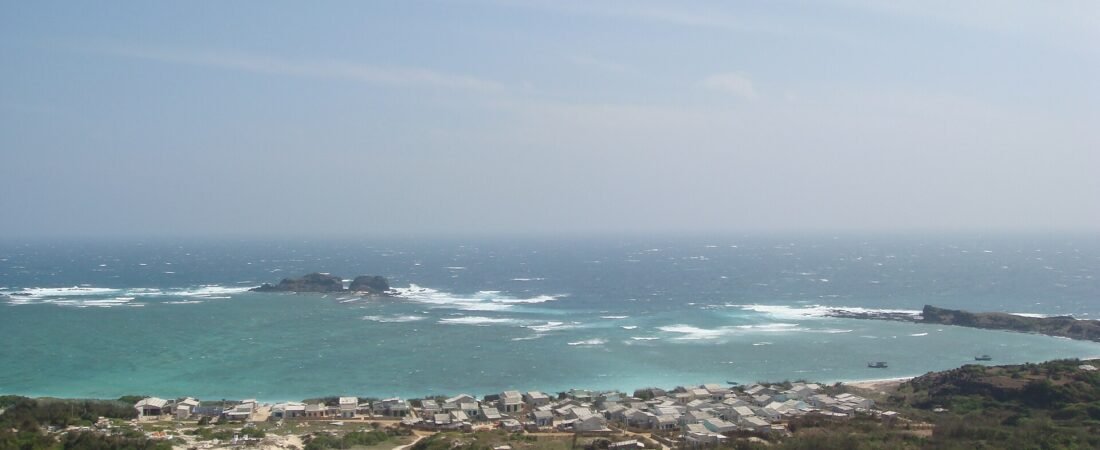
Vietnam’s remote south-central island, step by step from Saigon · Photo: Thái Nhi at vi.wikipedia / Wikimedia Commons, Public domain
TL;DR: Travel from Ho Chi Minh City to Phan Thiet by car, limousine van or train (about 3–4 hours), then take a high-speed ferry from Phan Thiet port to Phu Quy (roughly 2.5–3 hours); go between March and September when seas are calmest, and pair the trip with a luxury stay in Mui Ne.
Phu Quy is one of southern Vietnam’s least-visited inhabited islands: a small volcanic outcrop in the South China Sea, roughly 120 km off the coast of Phan Thiet, with fishing villages, wind turbines on grassy hills and clear water around its rocky headlands. It has become a favourite with domestic travellers looking for an alternative to busier islands, but it still sees very few international visitors.
This guide focuses on how to get to Phu Quy specifically for international travellers starting in Ho Chi Minh City who want a smooth, low-stress route — and who may want to combine the island’s rustic charm with a few nights in a high-end resort on the mainland. We walk through each leg, the ferry options, sea seasons, what to book in advance and how to plan a comfortable trip.
Research-based guide · Sources checked October 2026. Prices, schedules and policies change, so confirm directly before booking.
Phu Quy at a Glance
Phu Quy covers only around 16–17 square kilometres, so the whole island can be explored by scooter in a day. Its appeal is the scenery and atmosphere rather than polished tourism: volcanic rock formations, small sandy coves, temples honouring whales and local legends, and a strong fishing culture. Administratively it has long been linked to Phan Thiet and the former Binh Thuan province; following Vietnam’s 2025 provincial reorganisation, check current local listings as names and authorities may appear differently in booking systems.
Accommodation on the island is simple — family-run homestays, guesthouses and a few mid-range hotels. There are no international luxury resorts. That is why many travellers who care about comfort build the trip around a mainland base in Mui Ne or Phan Thiet, spending one to three nights on Phu Quy itself. For background on the island, the Wikipedia entry on Phu Quy is a helpful primer.
Who is Phu Quy right for? It suits travellers who have already done Vietnam’s classic coastal stops and want somewhere that still feels untouched by mass tourism: photographers, keen snorkellers, food lovers and couples who enjoy a little adventure between resort stays. It is less suitable for travellers with very limited time, those who need step-free access, or anyone who dislikes boats — the sea crossing is unavoidable.
Route Options Compared
The journey has two legs: Ho Chi Minh City to Phan Thiet, then Phan Thiet to Phu Quy by sea. Here is how the main options compare.
| Leg / option | Approx. time | Comfort | Notes |
|---|---|---|---|
| Private car, HCMC → Phan Thiet | ~3–3.5 hours via expressway | High | Most flexible; door to door, ideal with luggage |
| Limousine van, HCMC → Phan Thiet | ~3.5–4.5 hours | Good | Reclining seats; pick-up points vary by operator |
| Train, Saigon → Phan Thiet area | ~4 hours | Good | Scenic and reliable; check station and timetable |
| High-speed ferry, Phan Thiet → Phu Quy | ~2.5–3 hours | Moderate | Fastest sea option; can be cancelled in rough seas |
| Slower cargo/passenger boat | Considerably longer | Basic | Budget option; not recommended for comfort seekers |
Time estimates are indicative and depend on traffic, sea state and the specific vessel. Always confirm current schedules with the operator a few days before travel.
Step 1: Ho Chi Minh City to Phan Thiet
By private car: The fastest and most comfortable choice, especially since the expressway towards Phan Thiet opened, cutting journey times substantially. Your Mui Ne or Phan Thiet resort can usually arrange a private transfer, and it means you can leave at a time that suits the ferry departure.
By limousine van: Several companies run modern 9- to 11-seat vans between Ho Chi Minh City and Phan Thiet or Mui Ne. They are good value and comfortable, though pick-ups can involve waiting while the driver collects other passengers.
By train: Trains on the North–South line serve the Phan Thiet area and are a relaxed way to travel if you book a soft seat or sleeper berth. Check the latest timetables on the Vietnam Railways website, as some services stop at a nearby junction station rather than in central Phan Thiet.
If your ferry leaves early in the morning — as many do — plan to sleep in Phan Thiet or Mui Ne the night before. Our guide to luxury resorts in Mui Ne and Phan Thiet villa resorts list the best places to rest before the crossing.
Step 2: Ferry from Phan Thiet to Phu Quy
Ferries leave from the port in Phan Thiet. High-speed passenger ferries are the best option for most travellers, typically taking around two and a half to three hours. Departures are usually in the morning, with return sailings from Phu Quy later in the day or on following days depending on the timetable and season.
Book tickets in advance during Vietnamese public holidays and summer weekends, when domestic demand spikes. You can book through operator websites, local agents or your hotel. Carry your passport: all passengers need ID, and foreign travellers should expect it to be checked at the port.
The crossing is in open sea, so even on calm days there can be a noticeable swell. If you are prone to seasickness, take medication before boarding, choose a seat towards the middle and lower part of the vessel, and avoid a heavy breakfast. Ferries are cancelled when conditions are unsafe — build at least one buffer day into your plans, especially if you have an international flight to catch.
Best Time to Go and Sea Conditions
Sea conditions are the single most important factor in planning a Phu Quy trip. Roughly from March to September, seas are generally calmer, skies clearer and ferry schedules more reliable; this is when snorkelling around the island’s islets is at its best. From around October to February, the north-east monsoon brings stronger winds and rougher seas, and cancellations become far more common.
Vietnamese school holidays in summer and major public holidays can make the island busy with domestic travellers, filling ferries and homestays. A weekday trip in April, May or September usually hits the sweet spot of calm water and quieter beaches. For general travel information and visa guidance, see the official Vietnam Tourism site.
Getting Around and What to Do on Phu Quy
Most visitors rent a motorbike from their guesthouse; the island’s roads are quiet, though you should only ride if you are licensed and experienced. Alternatively, hire a local driver or join a small tour. Popular stops include:
- Cao Cat Mountain: Grassy slopes and wind turbines with sweeping views over the island and sea — best at sunrise or sunset.
- Linh Son Pagoda: A hillside pagoda with views and a peaceful atmosphere.
- Small islets by boat: Short boat trips take you to clear snorkelling spots and secluded beaches off the main island.
- Whale temples: Fishing communities here have long honoured whales as protectors of seafarers; local temples reflect this tradition.
- Seafood: Expect very fresh, very affordable seafood in local restaurants — one of the island’s simple pleasures.
Where to stay on the island: Choose a guesthouse or small hotel near the main town and harbour area for the easiest access to restaurants, ferries and scooter rental. Air-conditioning, hot water and Wi-Fi are now widely available, but standards vary, so read recent reviews and confirm room details before paying. Book ahead in summer and on holiday weekends, when domestic visitors fill the best rooms quickly.
Keep expectations realistic: services are limited, English is not widely spoken, and cash is essential. That rawness is exactly what makes Phu Quy feel like a genuine discovery compared with busier islands such as Nam Du or the more developed Con Dao. If you enjoy offbeat Vietnamese islands, our Ly Son island transport guide is a natural next read.
A comfortable 5-night plan: one night at a Mui Ne resort after the drive from Ho Chi Minh City; two nights on Phu Quy with a scooter loop, an islet snorkelling trip and a seafood dinner by the harbour; then two final nights back at your mainland resort to unwind with a spa treatment before heading home. This structure keeps the rustic part of the trip short and builds in a natural weather buffer.
Key Takeaways
- Reach Phu Quy in two legs: Ho Chi Minh City to Phan Thiet (about 3–4 hours), then a high-speed ferry (about 2.5–3 hours).
- Stay overnight in Phan Thiet or Mui Ne before early-morning ferries and after your return.
- Travel between March and September for the calmest seas; expect more cancellations from October to February.
- Bring your passport, cash and seasickness remedies, and keep a buffer day before any onward flight.
- Island accommodation is simple, so pair one to three nights on Phu Quy with a luxury mainland base.
Frequently Asked Questions
How long does it take to get from Ho Chi Minh City to Phu Quy?
Allow a full travel day: roughly 3–4 hours by road or rail to Phan Thiet, plus about 2.5–3 hours on a high-speed ferry, not counting waiting time. Most travellers overnight in Phan Thiet or Mui Ne to catch a morning ferry.
Is there an airport on Phu Quy Island?
No. The island is reached by sea from Phan Thiet. Check the latest news on mainland airport developments near Phan Thiet, which could shorten the overall journey in future.
Are ferries to Phu Quy often cancelled?
Cancellations are most common during the north-east monsoon, roughly October to February, when seas are rough. From March to September services are generally more reliable, but weather can still disrupt schedules.
Are there luxury hotels on Phu Quy?
Not in the international sense. The island has homestays, guesthouses and mid-range hotels. Travellers who want luxury usually stay in a Mui Ne or Phan Thiet resort and visit Phu Quy for one to three nights.
Can foreigners visit Phu Quy Island?
Yes, foreign travellers can visit. Carry your passport for ferry check-in and accommodation registration, and confirm any current local requirements with your hotel or ferry operator before travelling.
About the Author
This guide was researched by the LuxStay editorial team — curating luxury island and Southeast Asia stays, updated regularly with on-the-ground verification.