Koh Samui vs Koh Phangan: Which Island Fits?
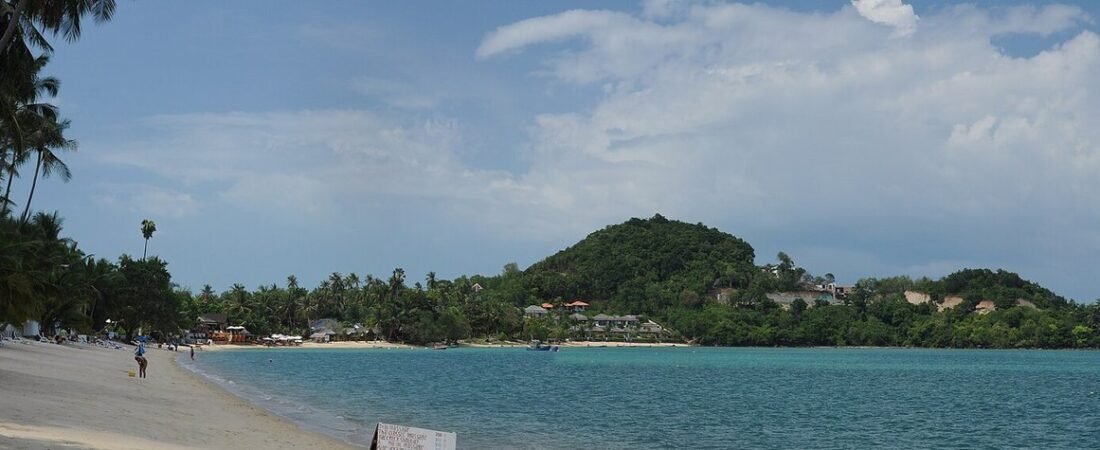
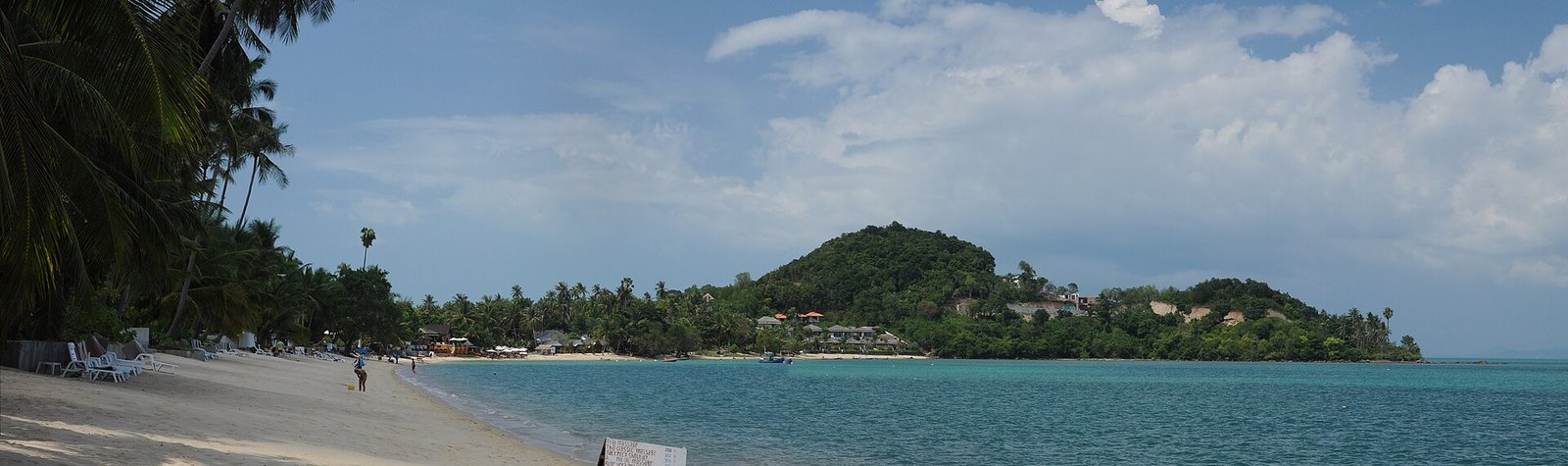
Koh Samui’s coastline. Koh Phangan, the second island compared below, is not pictured.
This guide focuses on Koh Samui versus Koh Phangan specifically for travellers who are choosing between the two neighbouring Gulf of Thailand islands and want a direct, practical comparison rather than a generic “Thailand islands” roundup. Both are reachable from the same stretch of coast and share a ferry network, but they serve almost opposite kinds of trip.
Research-based guide · Compiled from official tourism and transport sources. Verify ferry schedules and hotel availability directly before booking.
Quick Verdict
Choose Koh Samui if you want a direct flight, a wide choice of resorts and family-friendly beaches. Choose Koh Phangan if nightlife, yoga retreats or a slower backpacker pace matter more than convenience. Travellers who want both can island-hop between them in under an hour by high-speed ferry.
Koh Samui at a Glance
Koh Samui is Thailand’s third-largest island and the only one of the two with its own international airport, which keeps transit times short from Bangkok, Singapore and several regional hubs. The east coast around Chaweng and Lamai carries most of the hotel capacity, from beachfront chain resorts to private pool villas, while the north coast around Bophut’s Fisherman’s Village and Maenam is quieter and popular with longer-staying visitors. Samui’s infrastructure, including hospitals, shopping centres and a long-running expatriate community, makes it the more forgiving choice for first-time visitors to Thailand’s islands.
The trade-off is scale and development. Chaweng in particular can feel built-up, with traffic along the beach road during high season, and prices at the better hotels sit closer to Phuket than to Thailand’s smaller islands.
Koh Phangan at a Glance
Koh Phangan is best known internationally for the monthly Full Moon Party at Haad Rin, but the island itself is considerably more varied than that single event suggests. The north and northeast coasts, including Thong Nai Pan and the harder-to-reach Bottle Beach (Haad Khuat), are low-rise and relatively undeveloped, and the island has become a hub for yoga, wellness retreats and long-stay digital nomads outside the party calendar. There is no airport, so every visitor arrives by ferry from Koh Samui, Surat Thani or, less frequently, directly to Koh Tao routes.
Accommodation leans toward bungalow resorts and mid-range guesthouses rather than large international chains, though a smaller number of upscale beachfront properties have opened on the quieter coasts in recent years.
Side-by-Side Comparison
| Factor | Koh Samui | Koh Phangan |
|---|---|---|
| Getting there | International airport on the island | Ferry only, via Samui or Surat Thani |
| Typical pace | Resort-based, family-friendly | Backpacker, wellness and party mix |
| Signature event | None; hotel and spa focus | Monthly Full Moon Party at Haad Rin |
| Hotel range | Budget to five-star international chains | Mostly budget to mid-range bungalows |
| Quiet-coast option | Taling Ngam, Lipa Noi (west coast) | Thong Nai Pan, Haad Yao (north/northeast) |
| Nightlife density | Concentrated in Chaweng | Island-wide around full moon dates |
Nightlife and the Full Moon Party Factor
If the Full Moon Party is the reason for the trip, the decision is effectively made: it runs on Haad Rin beach on Koh Phangan on the night of, or the night closest to, each full moon, and accommodation on that stretch of coast sells out and surges in price around the date. Travellers who want the event but prefer to sleep somewhere calmer often stay on a different part of Phangan, or even in Samui, and take a late ferry or a chartered longtail back. Outside the Full Moon calendar, Phangan’s nightlife is much quieter than its reputation suggests, while Samui’s Chaweng strip runs a more conventional bar and club scene every night of the year. Confirmed party dates and safety advice are published on the event’s own Full Moon Party information site.
Beaches and Water Quality
Both islands have excellent beaches, but the character differs. Samui’s Chaweng and Choeng Mon offer long stretches of fine sand with reliable swimming conditions and a full range of beach-club infrastructure. Lamai is similar but slightly less developed. On Phangan, Haad Yao and Haad Salad on the west coast are calmer and better suited to swimming than Haad Rin, which is primarily a nightlife beach. Snorkelling and diving conditions around both islands are secondary to Koh Tao, roughly 45 minutes further north by boat, which remains the region’s main dive hub.
Getting There and Island-Hopping Between Them
Most international visitors fly into Koh Samui Airport, then connect onward to Koh Phangan by a roughly 20 to 45 minute ferry depending on the operator and departure pier, or reach Samui first by overnight train or bus to Surat Thani followed by a ferry. High-speed catamaran operators such as Lomprayah run multiple daily departures between Samui’s Nathon or Bophut piers and Phangan’s Thong Sala pier, which makes a split stay, a few nights on each island, a realistic option rather than an either-or choice. The Tourism Authority of Thailand publishes general transport and safety advisories worth checking before a multi-island trip.
Who Should Choose Which Island
Families, first-time visitors to Thailand and anyone prioritising direct flights and hospital access generally do better based in Koh Samui, with an optional day trip to Phangan. Younger travellers, long-stay digital nomads, yoga retreat guests and anyone building a trip around the Full Moon Party are usually better served basing themselves on Koh Phangan, with a day or overnight in Samui to use the airport. Readers comparing the wider region can also see how the pair stacks up against Koh Tao versus Koh Phangan or against Phuket versus Koh Samui before deciding where to anchor a longer Thailand itinerary.
Cost is a real factor in that decision. Koh Samui’s cost of travel sits closer to Phuket than to Thailand’s smaller islands, particularly for beachfront hotels in Chaweng and Choeng Mon during the December to March peak, when international chain resorts and private villas command the island’s highest rates. Food and transport costs on Samui also run a little higher than the Thailand average because of its larger international visitor base. Koh Phangan, by contrast, still has a strong base of budget bungalows and mid-range guesthouses, and even its upscale beachfront properties on the quieter north coast tend to undercut comparable Samui resorts. A traveller moving between the two on the same trip will typically notice daily costs drop once the ferry crosses from Samui to Phangan, then rise again for a few nights around any Full Moon Party date, when Phangan’s own rates temporarily spike above its usual level.
The two islands also differ in daily rhythm away from the beach. Samui’s dining scene is broad and international, ranging from beachfront seafood grills to fine-dining rooms attached to its five-star resorts, with Fisherman’s Village in Bophut as the most walkable concentration of restaurants outside the main Chaweng strip. Koh Phangan’s food scene has built its own reputation around health-focused cafes, smoothie bars and vegetarian and vegan menus, driven by the island’s large population of long-stay yoga practitioners and remote workers. That same population has pushed co-working spaces and faster internet into parts of the island that would otherwise still feel like a backpacker outpost, which matters for anyone considering a working stay of a month or more rather than a short holiday.
For couples specifically, Koh Samui’s quieter west and southwest coasts, Taling Ngam and Lipa Noi, together with the boutique hotels of Bophut, generally make a more natural honeymoon base than Koh Phangan, where the accommodation stock still leans toward backpacker and wellness travellers. Phangan is not without romantic options, particularly on its northeast coast around Thong Nai Pan, but couples planning a trip around this archipelago usually do better treating Samui as the anchor and Phangan as a one- or two-night detour rather than the other way around.
One more practical difference worth weighing before booking is medical access. Koh Samui has a well-established private hospital network geared toward international visitors, which matters for families, older travellers or anyone with an existing health condition. Koh Phangan’s medical facilities are smaller in scale, and a serious issue there is usually transferred to Samui by boat, so travellers with specific health concerns may prefer to base themselves on Samui even if most of the planned activities are on Phangan.
Frequently Asked Questions
Can I visit Koh Phangan as a day trip from Koh Samui?
Yes. Several ferry operators run same-day return schedules between Samui and Thong Sala pier on Phangan, and the crossing itself takes roughly 20 to 45 minutes, which is enough time for a half-day or full-day visit without changing hotels.
Is Koh Phangan only about the Full Moon Party?
No. Outside the party dates, large parts of the island, particularly the north and northeast coasts, function as quiet beach and wellness destinations with a noticeably slower pace than Haad Rin on party nights.
Which island is better for families?
Koh Samui is generally the easier choice for families because of its airport, hospital access and wider range of family-oriented resorts, though quieter stretches of Koh Phangan can also suit families who prioritise calm beaches over nightlife.
Do I need to choose only one island?
Not necessarily. Because the ferry crossing is short and frequent, many itineraries split a week between the two islands, using Samui’s airport for arrival and departure and Phangan for a few nights in between.
Is Koh Tao worth adding to this comparison?
If diving or snorkelling is a priority, yes. Koh Tao sits roughly 45 minutes to an hour north of Phangan by boat and is covered separately in our guide to island-hopping between all three islands.
For hotel options on Samui specifically, see our Koh Samui accommodation overview, and compare transport logistics in the wider Thailand island-hopping guide. Always confirm current ferry timetables with the operator before travelling, since schedules change seasonally.