
Best Longhouse Stays in Sarawak 2026
Illustrative island photograph. Not a photograph of the resorts compared below.
This guide focuses on Sarawak’s longhouse regions specifically for travellers who want genuine cultural immersion with an Iban, Bidayuh, Penan or Kenyah community, rather than a staged cultural-park performance. It compares four regions by how accessible they are from Kuching and what kind of visit each one actually offers, so you can match the transfer time and immersion level to how much of your trip you actually want to spend on this one piece of it, and know what respectful visiting looks like before you book anything.
Research-based guide · Sources checked October 2026. Longhouse visiting arrangements change based on community schedules — confirm current programs with Sarawak Tourism Board or an established operator before booking. Treat the region comparisons below as a starting point for a conversation with an operator, not a fixed itinerary to book sight unseen.
What a Longhouse Stay Actually Involves
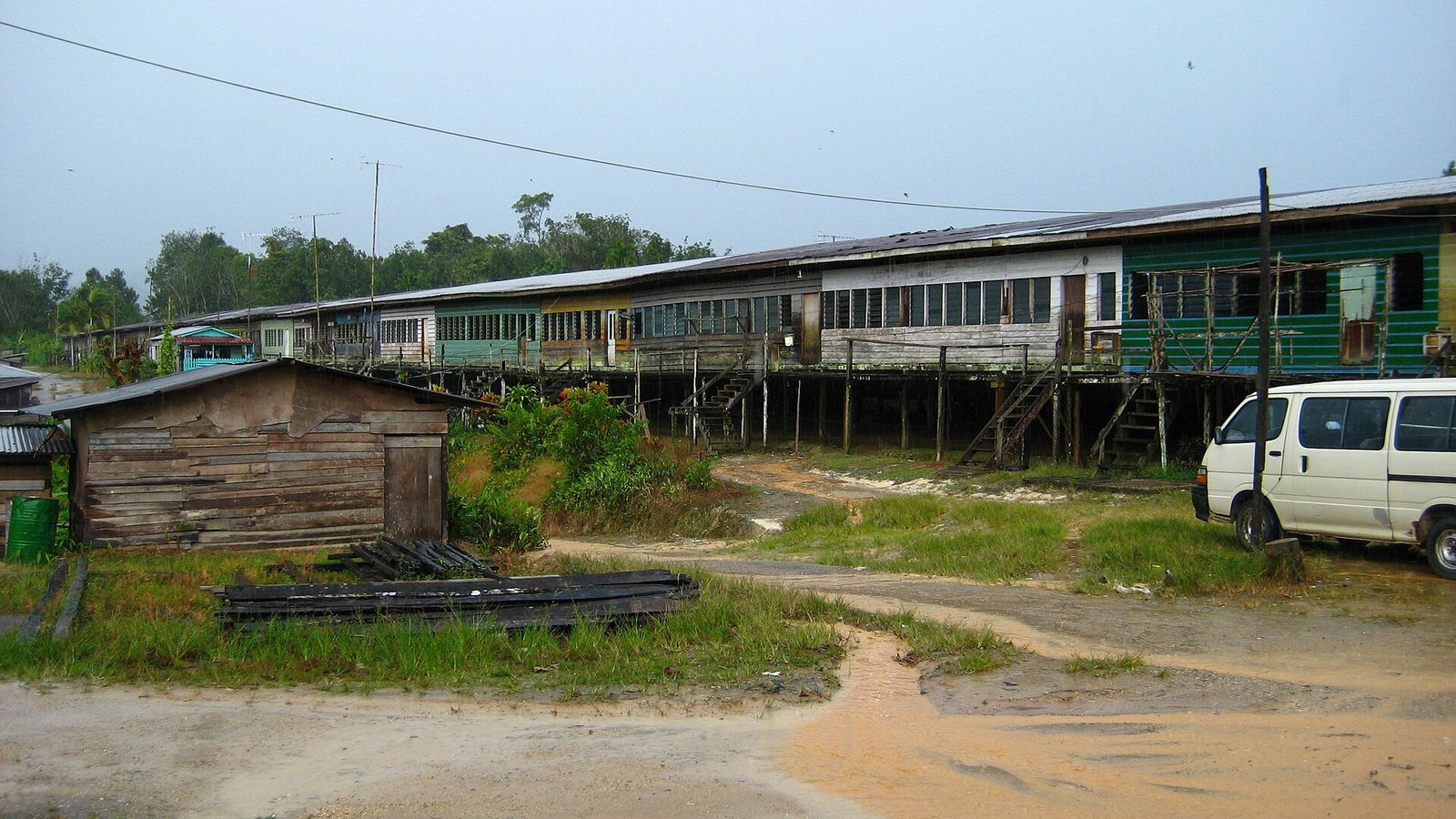
A longhouse is a single elevated building housing multiple families, built around a shared communal gallery called the ruai where daily life, meetings and visitor welcomes happen. A respectful visit is arranged through the community itself or an operator with an established relationship, involves modest dress and asking before photographing people, and treats the visit as entering someone’s home rather than a tourist attraction. This is a working distinction worth repeating: a longhouse is not a museum exhibit, and the best operators structure visits so the community’s daily life continues around you rather than performing for you.
Longhouses vary considerably by ethnic group and region — an Iban longhouse on the Skrang or Batang Ai rivers looks and operates differently from a Bidayuh longhouse like Annah Rais, and both differ again from Penan and Kenyah longhouses further north near Mulu. None of these is more “authentic” than another; they reflect different building traditions, farming and forest-use patterns, and histories of contact with outside visitors, which is part of why this guide treats them as separate regions rather than interchangeable stops on a single “longhouse experience.”
Compare the Four Regions
| Region | Community | From Kuching | Best for |
|---|---|---|---|
| Annah Rais | Bidayuh | ~90 minutes by road | Easiest day trip; hot springs nearby |
| Batang Ai / Ulu Ai | Iban | ~4–5 hours (road + boat) | Deepest immersion; multi-day lodge-based stay |
| Skrang River | Iban | ~3 hours (road + boat) | Mid-length overnight trips, river-based |
| Baram / Mulu region | Penan, Kenyah | Flight to Miri/Mulu plus onward transfer | Combine with a Gunung Mulu trip |
Annah Rais: The Easiest Day Trip
Annah Rais is the most practical choice if your schedule cannot fit an overnight community stay. It is close enough to Kuching for a half-day or full-day trip, and the nearby hot springs make a reasonable add-on after a longhouse walk. Because it receives more day-trip visitors than the more remote regions below, the experience leans slightly more toward a guided walkthrough than a lived-in overnight stay — a fair trade for travellers with limited time, but worth knowing going in. Our Kuching city guide covers how to fit Annah Rais alongside the city’s other day trips.
The hot springs sit a short walk from the longhouse itself and are a genuine local amenity, not a tourist add-on built for visitors — locals use them too, particularly in the early morning and evening. Bring a swimsuit and a towel if you plan to combine both stops, and expect basic, unheated changing facilities rather than a resort-style spa setup.
Batang Ai & Ulu Ai: The Deepest Immersion
Batang Ai, reached via a road transfer followed by a boat ride across Batang Ai Lake into the Ulu Ai region, is where most multi-day, lodge-based Iban cultural programs operate. These trips typically combine longhouse visits with jungle treks and are run by established operators with long-standing community relationships — a structure that tends to produce a more genuine, less rehearsed visit than a single-day stop can. Batang Ai Lake itself was formed by a hydroelectric dam, and several Iban communities resettled around its shores; most lodges and tour operators work with these resettled communities directly, which is part of why relationship continuity with a specific operator matters more here than at a day-trip destination like Annah Rais. Expect limited phone signal and basic facilities; that is part of the experience rather than a shortcoming.
Skrang River: A Middle-Ground Option
The Skrang River region sits between Annah Rais and Batang Ai in both distance and depth of experience — typically a one or two-night program reached by road and a shorter boat ride than Batang Ai requires. It suits travellers who want more than a day trip but cannot commit to the longer Batang Ai transfer, and river travel itself (rather than just the longhouse visit) is a meaningful part of what makes a Skrang trip feel different from Annah Rais.
Baram & the Mulu Region: Pairing Culture With Caves
Travellers already flying to Gunung Mulu for its caves and canopy walk can sometimes combine the trip with a Penan or Kenyah community visit in the Baram river region, though this requires more advance arranging than the Kuching-area options since it depends on a specific operator’s existing relationships in that area. This pairing suits a longer Sarawak itinerary — see our Sarawak travel guide for how a Mulu extension fits into an overall trip length. The Penan in particular have a documented history as one of Borneo’s few remaining semi-nomadic forest communities, and Kenyah longhouse architecture and woodcarving traditions differ noticeably from Iban and Bidayuh styles further south — worth knowing if you are comparing photos from different regions and wondering why the buildings look different.
Etiquette & Responsible Visiting Tips
- Book through the community directly or an operator with a documented, ongoing relationship — a last-minute or unaffiliated visit can be intrusive rather than welcomed.
- Ask before photographing individuals, especially elders; photographing the longhouse exterior or communal gallery generally draws less concern than close portraits of people.
- Dress modestly — covered shoulders and knees — and remove shoes before entering the ruai or any family’s private quarters.
- Accept offered food or tuak rice wine graciously, even if you only take a small amount; refusing outright can read as impolite.
- Bring a modest gift if advised by your operator (practical household items are often more welcome than souvenirs from home), but ask first rather than assuming what is appropriate.
- Do not treat a longhouse stay as a performance you are owed — some visits involve quiet observation rather than staged dance or music, and that is not a lesser experience.
These norms echo broader indigenous-tourism guidance from bodies like the UN Tourism (UNWTO), which emphasises community consent and benefit-sharing as the baseline for any cultural visit — useful context if you want to evaluate an operator’s claims about being “community-based” rather than taking the label at face value.
Choosing the Right Region for Your Trip
If you have one spare day and a Kuching base, Annah Rais is the practical choice — our Sarawak travel guide covers how to sequence it against Bako and Semenggoh in a short trip. If culture is the main point of your Sarawak visit rather than one stop among several, Batang Ai’s multi-day lodge programs give the fullest picture, and are worth prioritising over an extra day in Kuching itself. Travellers torn between Batang Ai and Skrang often default to whichever region their chosen operator works in, which is a reasonable shortcut — the operator relationship matters more to the quality of the visit than the specific river you end up on. Skrang works as a middle option when Batang Ai’s transfer time does not fit, and the Mulu-region option only makes sense if you were already flying out to the caves. For how this fits against a Bako day trip timing-wise, see our Bako transfer guide.
Frequently Asked Questions
Can I visit a longhouse without a guide or operator?
It is strongly discouraged. Longhouses are private homes, and an uninvited or unaffiliated visit can be intrusive rather than welcomed. Book through an established operator or a community-run program listed by Sarawak Tourism Board.
Which longhouse region is best for families with children?
Annah Rais is the most practical for families due to its shorter transfer and the nearby hot springs as a secondary activity. The multi-day Batang Ai and Skrang programs suit older children and adults better than very young kids.
How long should a longhouse visit be?
A half-day to full day works for Annah Rais. The more remote regions — Batang Ai, Skrang and Baram — are built around one or two overnight stays, since the transfer time alone makes a single-day visit impractical.
Is it rude to decline food or rice wine during a visit?
Outright refusal can come across as impolite, but taking a small amount rather than a full serving is generally accepted and understood, especially if you explain a dietary restriction politely in advance through your guide.
What’s the difference between an Iban and a Bidayuh longhouse?
Both are communal elevated buildings, but construction style, farming traditions and dialect differ between the two groups. Bidayuh longhouses like Annah Rais tend to be more accessible for day trips near Kuching, while Iban longhouses dominate the Batang Ai and Skrang regions further out.
For hotel-based stays in Kuching once your longhouse trip is done, see our Kuching and Sarawak hotel guide. Confirm current community visiting programs and operator credentials with Sarawak Tourism Board, and research any operator’s community relationships — through reviews or direct questions — before booking a multi-day longhouse program. Background on Sarawak’s indigenous groups is also available through the Sarawak Museum Department.