Panglao vs Siquijor: Which Philippine Island Should You Choose?
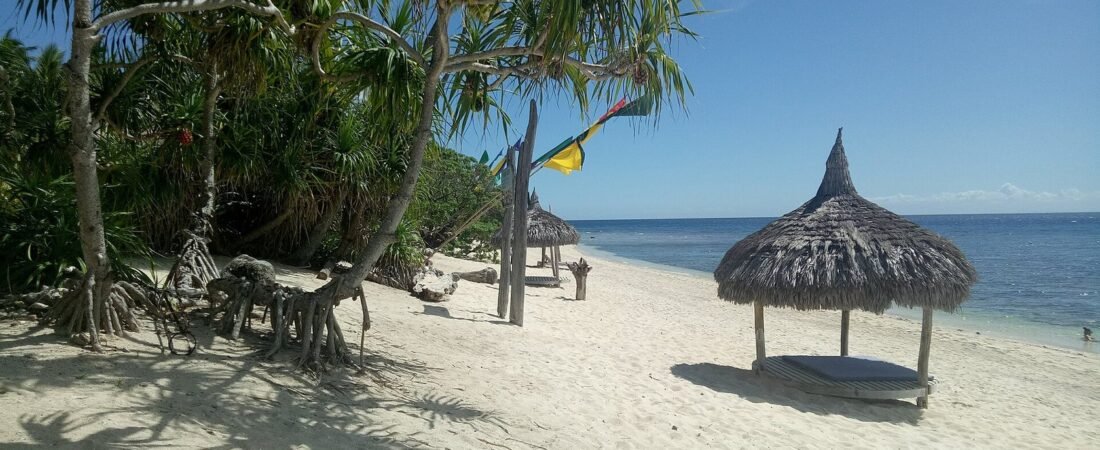
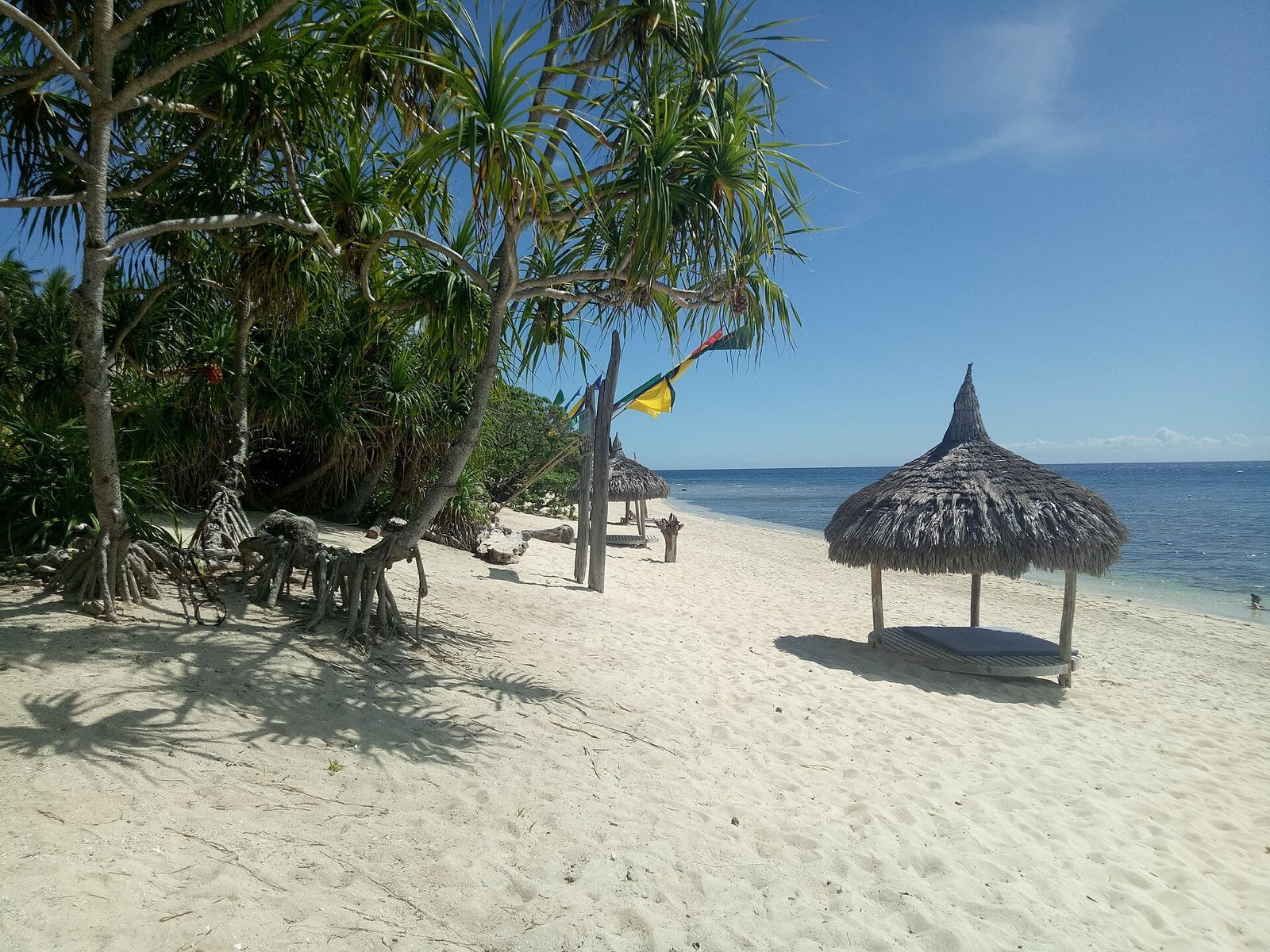
Illustrative photograph of the destination area.
Both islands sit in the same stretch of the Bohol Sea and are often cross-shopped by the same travelers, but they differ sharply in how you get there and what kind of trip they suit. This guide focuses on comparing Panglao and Siquijor specifically for travelers picking a single base — not planning a multi-island itinerary that visits both.
Research-based guide · Sources checked October 2026: Wikipedia, ferry-operator schedule aggregators, Boston Globe feature reporting on Siquijor tourism. Not a first-hand stay comparison.
Start With How You’re Arriving
Panglao has its own international airport (TAG), with multiple daily flights from Manila, as documented on Wikipedia. Siquijor has no airport at all and is reached only by ferry — commonly from Cebu City, Dumaguete, or Bohol itself. If a direct flight matters to your trip, that alone settles the choice for many travelers before any other factor.
Panglao and Siquijor Compared
| Factor | Panglao | Siquijor |
|---|---|---|
| Access | Direct flights via Bohol–Panglao Airport (TAG) | Ferry only — from Cebu, Dumaguete or Bohol |
| Vibe | Developed resort strip, organized day tours | Quieter, slower-paced, less built-up |
| Known for | Diving, Alona Beach, Chocolate Hills day trips | Folk-healer (“mananambal”) folklore, waterfalls |
| Resort range | Budget to upscale, concentrated at Alona Beach | Mostly budget to mid-range, more spread out |
| Crossing between them | ≈2 hours by fastcraft, Tagbilaran–Siquijor | |
Panglao: Infrastructure and Easy Logistics
Panglao’s airport, concentrated Alona Beach resort strip, and standardized day-tour circuit (Chocolate Hills, Loboc River, Tarsier Sanctuary) make it the lower-friction choice for travelers who want diving or sightseeing without arranging their own transport. Dive shops, currency-exchange counters and English-speaking tour operators are easy to find around Alona Beach itself, and the province’s tourism numbers — over 1.4 million arrivals in 2025 — reflect how established that infrastructure already is.
Siquijor: Folklore, Quiet Beaches and a Slower Pace
Siquijor’s tourism identity leans heavily on its reputation for folk healers and witchcraft lore — a pitch that international press has covered as recently as 2025 — alongside waterfalls, mangrove-lined beaches and a noticeably smaller resort scene than Panglao’s. With no airport, it also sees fewer day-tripping crowds, which suits travelers prioritizing quiet over convenience. Our full Siquijor travel guide covers its beaches and villages in more depth.
Can You Combine Both?
Yes. A roughly two-hour fastcraft crossing connects Tagbilaran (Bohol/Panglao) and Siquijor, and additional ferry links run from Siquijor to Cebu and Dumaguete, so a Panglao-plus-Siquijor itinerary is a realistic add-on rather than an either/or decision for travelers with enough time — typically five or more nights across both islands. Confirm current schedules directly with the ferry operator before booking, since frequency and fares change seasonally.
Price and Value Differences
Panglao’s resort market spans budget guesthouses through cliff-top upscale properties, with the widest selection concentrated around Alona Beach; Siquijor’s accommodation is generally weighted more toward budget and mid-range stays, with fewer large-scale resorts. Day-tour pricing also differs in structure: Panglao’s circuits (Chocolate Hills, Loboc River, Tarsier Sanctuary) are sold as standardized packages by dozens of competing operators, while Siquijor’s smaller tourism scene means more informal, negotiated tricycle or habal-habal (motorbike) tours to its waterfalls and beaches.
Food and Everyday Logistics
Panglao’s Alona Beach strip has the denser restaurant scene, with options ranging from backpacker cafes to resort fine dining; Siquijor’s dining is more spread out and resort- or homestay-centered. Both islands use the Philippine peso, and neither has widespread ride-hailing apps, so expect tricycles, habal-habal or resort transport on either island rather than Grab.
A Week on Panglao vs a Week on Siquijor
A week on Panglao typically fills with one or two organized day trips (Chocolate Hills/Loboc River, Balicasag diving), a Pamilacan whale-watching morning if the season fits, and the rest spent around Alona Beach’s restaurants and dive shops — a schedule that leans on booked tours and a fairly structured pace. A week on Siquijor leans more toward self-directed exploring by rented motorbike or tricycle: waterfalls, mangrove boardwalks, quiet beaches, and fewer fixed-departure group tours, which suits travelers who prefer figuring out their own days over following a set itinerary.
Families and Group Travel
Panglao’s larger, family-oriented resorts, standardized day-tour vans, and wider range of kid-friendly activities (the Tarsier Sanctuary, the Loboc River cruise, shallow-water snorkeling) make it the more straightforward choice for families and larger groups who want activities with minimal custom planning. Siquijor can still work for families comfortable arranging their own transport and a slower-paced itinerary, but it has fewer resorts built specifically around family amenities.
Solo Travelers and Backpackers
Both islands are manageable solo, but for different reasons: Panglao’s Alona Beach strip has enough shared tours, dive shops and hostels that solo travelers can easily join group activities and meet other travelers, while Siquijor’s smaller, more spread-out scene suits solo travelers who are comfortable renting a motorbike and exploring independently rather than joining scheduled group tours.
Honeymoons and Couples Trips
Panglao’s upscale cliff-top and private-cove resorts give couples a wider choice of higher-end, more private properties, while Siquijor’s smaller scale and quieter beaches appeal to couples who want fewer other tourists around rather than a specific luxury property. Many honeymoon itineraries in this part of the Philippines use Panglao as the main base with a short Siquijor add-on for a change of pace, rather than choosing one island exclusively.
Which Fits Which Traveler
Divers and first-time Philippines visitors who want an airport, an established resort strip and organized tours generally do better on Panglao. Travelers prioritizing a quieter, less commercial island, a slower pace, and lower day-tripper crowds — and who don’t mind a ferry transfer — tend to prefer Siquijor. Couples splitting the difference often spend the bulk of a trip on Panglao with a two- or three-night Siquijor add-on, and some extend further to Dumaguete and Apo Island on the same ferry network.
Frequently Asked Questions
Is it cheaper to fly or ferry to this part of the Philippines?
Flying to Panglao is usually the simpler option from Manila; reaching Siquijor by ferry from Cebu or Dumaguete is often the cheaper route overall once you factor in domestic flight costs, though total price depends on your starting point.
Which island has better diving, Panglao or Siquijor?
Panglao’s Balicasag and Cabilao sites have a more established dive-shop scene and are generally better known internationally; Siquijor has its own dive sites but a smaller operator base.
Is Siquijor actually dangerous because of its witchcraft reputation?
No — the folklore is a cultural and tourism-marketing identity, not a safety concern. Standard Philippines travel precautions apply on both islands.
How long does the ferry between Panglao/Bohol and Siquijor take?
Around two hours on the faster fastcraft services; slower alternatives can take closer to three hours. Always check current timetables before planning a same-day connection to a flight.
Can first-time Philippines visitors handle Siquijor without an airport?
Yes, but it takes more planning than flying directly into Panglao — build in a buffer day around the ferry crossing in case of weather delays.
Neither island is the objectively “better” choice — they’re built for different kinds of trips. Panglao rewards travelers who want infrastructure, choice and convenience in one place; Siquijor rewards travelers willing to trade some of that convenience for a quieter, more self-directed island. If you’re still undecided, the ferry connection between them means you don’t have to choose permanently — a short add-on in either direction is a realistic way to sample both without overhauling your itinerary.
Read the full Siquijor travel guide or the standalone Panglao travel guide before deciding, and check seasonal timing for both.