How to Get to Panglao & Bohol from Manila and Cebu
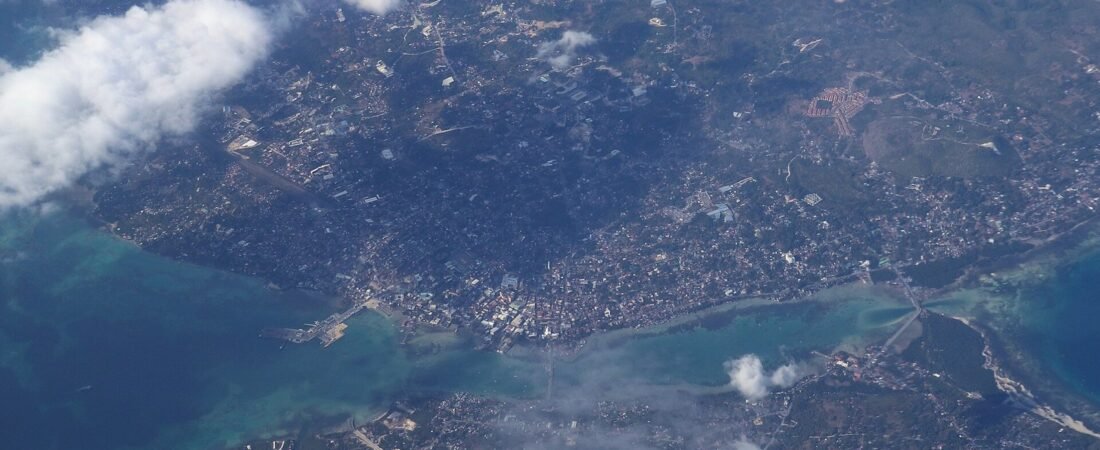
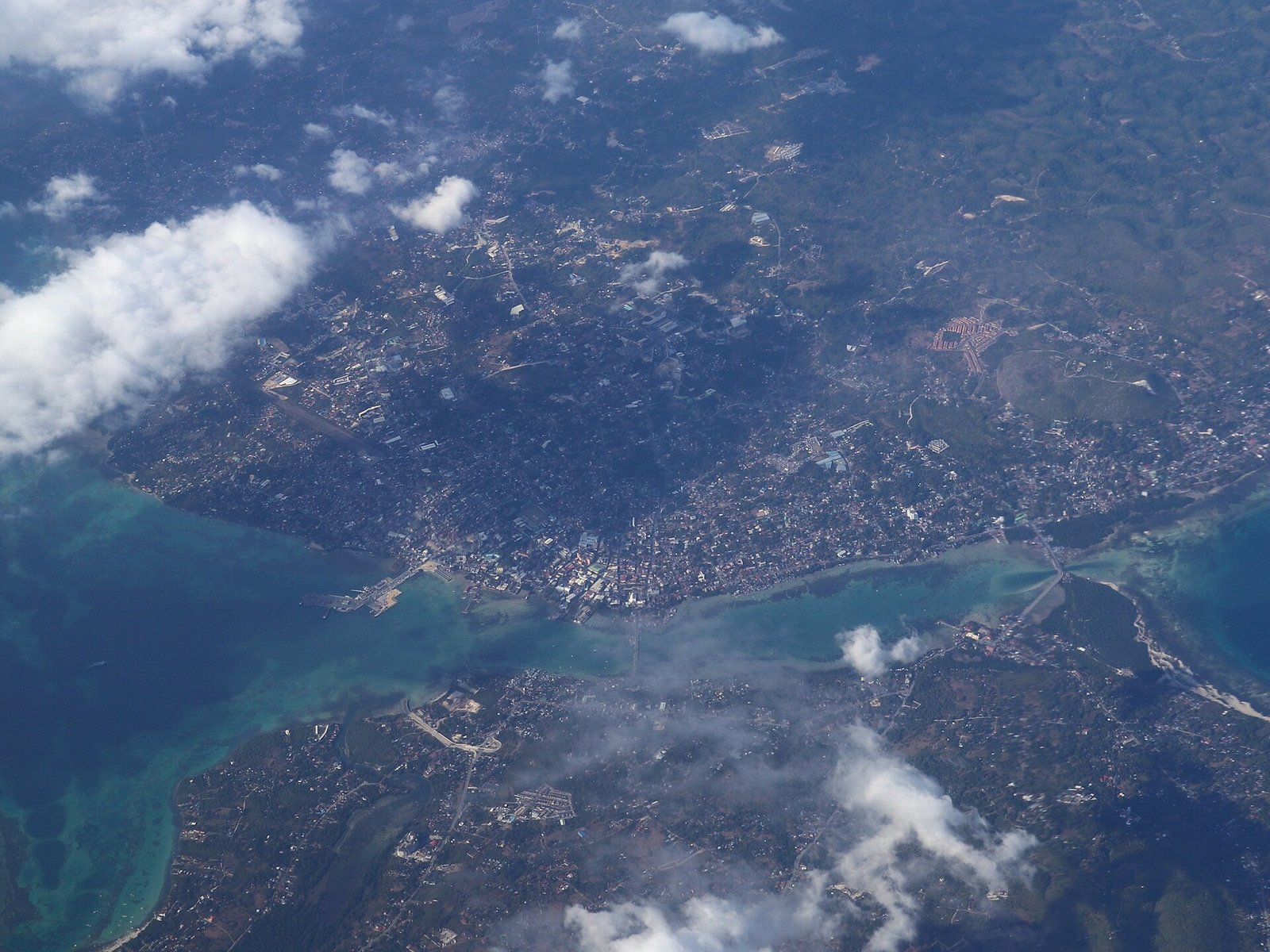
Illustrative photograph of the destination area.
There are really only two practical ways into this part of the Philippines: fly directly into Panglao, or ferry across from Cebu. This guide focuses on the transport decision specifically for travelers starting in Manila or Cebu, not on inter-island hopping once you’ve already arrived.
Research-based guide · Sources checked October 2026: airline route information and ferry-operator schedule aggregators. Flight schedules and ferry fares change seasonally — confirm current details before booking.
Two Ways In: Fly or Ferry
From Manila, flying into Bohol–Panglao International Airport (TAG) is the standard route — there’s no practical ferry alternative over that distance. From Cebu, most travelers take a fastcraft across the Bohol Strait rather than flying, since no significant direct Cebu–Bohol flight route exists. Background on the airport and the island it sits on is covered on Wikipedia’s Panglao Island page.
From Manila: Flying Into Bohol–Panglao Airport (TAG)
Philippine Airlines, Cebu Pacific and AirAsia Philippines all operate multiple daily flights between Manila and TAG, which sits on Panglao Island itself, replacing the old Tagbilaran City airport in 2018. Cebu Pacific also runs routes to Davao, Iloilo and Clark. A handful of seasonal international charters (historically including South Korean carriers) have also served TAG directly — check current schedules on the airline sites rather than assuming a seasonal route still runs, especially given how fast Bohol’s visitor numbers have been growing, per 2025 tourism-office reporting.
From Cebu City: Fastcraft Ferry Across the Bohol Strait
Fastcraft operators run frequent daily departures from Cebu City Pier to Tagbilaran, with a crossing time of roughly two hours. If you’re traveling with a vehicle, RoRo ferry operators serve Tubigon in northern Bohol instead of Tagbilaran, on a longer crossing. Fares and schedules shift seasonally — check current Cebu–Bohol ferry schedules before booking, rather than relying on a fixed departure time.
From Siquijor or Dumaguete
Direct ferry links also run from Siquijor and from Dumaguete to Tagbilaran, useful if you’re combining Panglao with either destination rather than starting fresh from Manila or Cebu. See Siquijor–Bohol ferry schedules for current operators and timings, and our Panglao vs Siquijor comparison if you’re deciding whether to combine both, or our Dumaguete & Apo Island guide for that connection.
Route Comparison
| Route | Mode | Approx. time | Notes |
|---|---|---|---|
| Manila → Panglao (TAG) | Flight | ≈1.5 hrs | Multiple daily flights, several airlines |
| Cebu City → Tagbilaran | Fastcraft ferry | ≈2 hrs | Frequent daily departures, passengers only |
| Cebu City → Tubigon | RoRo ferry | ≈4.5 hrs | Takes vehicles; north Bohol, not Tagbilaran |
| Siquijor → Tagbilaran | Fastcraft ferry | ≈2 hrs | Daily; slower operators also run this route |
From the Airport or Pier to Your Resort
Grab and similar ride-hailing apps are not available anywhere in Bohol province, so plan on a resort shuttle, a fixed-rate tourist van, or a tricycle for short hops. Tagbilaran’s pier and Panglao’s airport are both roughly 20–30 minutes by road from most Alona Beach resorts, traffic depending. Confirm your transfer arrangement with your resort before arrival, especially for late flights or ferries.
Money and Connectivity on Arrival
Bring cash: the airport has currency-exchange counters but no ATMs beyond the security checkpoint, and smaller tour operators and tricycles often don’t take cards. A local SIM or eSIM is worth arranging before arrival if you need to coordinate pickup with a driver who may not speak much English, and it’s useful for booking day tours and dive trips once you’re settled in.
Travel Insurance and Document Checks
Whichever route you take, confirm passport validity and any visa-on-arrival conditions for your nationality well before departure, and consider travel insurance that covers both flight delays and ferry cancellations — small-boat crossings to Balicasag or Pamilacan, and even the Cebu–Bohol fastcraft, can be postponed in rough Amihan-season weather. If your itinerary depends on a tight same-day connection between a ferry and a flight, build in a buffer rather than booking back-to-back departures.
Packing and Trip-Length Notes
Because most onward travel from the airport or pier relies on resort shuttles, fixed-rate vans or tricycles rather than self-drive, pack with easy transfers in mind — a hard-shell suitcase is less convenient than a duffel on a tricycle sidecar. For trip length, flying in from Manila makes a shorter three- or four-night trip workable, while the Cebu ferry route is generally more worthwhile as part of a longer Visayas itinerary that also includes Cebu City or another island, given the added crossing time on both ends of the trip.
Combining a Flight and a Ferry in One Trip
A common pattern for a wider Visayas itinerary is flying Manila–Cebu or Manila–Panglao on one leg and taking the fastcraft on the other — for example, flying into Cebu, ferrying to Tagbilaran, and flying home from Panglao (or the reverse). This avoids backtracking and works well if you’re also adding Siquijor or Dumaguete via the same ferry network partway through the trip.
Booking Flights and Ferries: What to Check
For flights, compare Philippine Airlines, Cebu Pacific and AirAsia Philippines directly on their own booking sites rather than relying on a single aggregator, since route frequency on Manila–Bohol changes with demand. For the ferry, check the operator’s own schedule close to your travel date rather than an old timetable, since fastcraft operators adjust departures seasonally and around holidays; booking a day or two ahead is usually enough outside peak periods, but earlier is safer around Christmas and Holy Week when both flights and ferry seats fill up.
If Your Flight or Ferry Is Delayed
Amihan-season wind (roughly November–February) and Habagat-season storms (roughly June–September) are the two periods most likely to disrupt either a flight or a ferry crossing. Keep your resort’s contact details handy to update a pickup time, and avoid booking a same-day onward flight immediately after a ferry arrival during these windows — a half-day buffer avoids turning a routine weather delay into a missed connection.
Frequently Asked Questions
Is it faster to fly or ferry from Cebu to Bohol?
Flying is not a practical option on this short route since there’s no significant direct Cebu–Bohol flight; the roughly two-hour fastcraft is the standard way to cross.
Can I bring a car on the ferry to Bohol?
Not on the Cebu City–Tagbilaran fastcraft routes, which are passenger-only. Vehicle-carrying RoRo ferries instead run to Tubigon in northern Bohol, a longer crossing and a different port from Tagbilaran.
Does Grab work in Bohol or Panglao?
No. Ride-hailing apps are not available in Bohol province; use your resort’s shuttle, a fixed-rate tourist van, or a tricycle instead.
Are there ATMs at Bohol–Panglao Airport?
Currency-exchange counters are available, but ATMs beyond the security checkpoint are limited — bring enough cash to cover your transfer and first day.
How far in advance should I book the Cebu–Bohol ferry?
For routine travel a day or two ahead is usually enough, but book further in advance around Philippine holidays (Christmas, Holy Week) when both seats and sailings fill up.
The short version: fly Manila–Panglao directly if your trip starts in Manila, and ferry from Cebu City to Tagbilaran if you’re already in the Visayas or building a multi-island itinerary. Either way, budget a buffer around the Amihan and Habagat months, bring enough cash for your first day, and confirm your resort’s pickup arrangement before you land or dock.
Once you’ve arrived, start with the full Panglao travel guide, jump straight to things to do beyond Alona Beach, or check when to go.