
Ari Atoll vs Baa Atoll 2026: Which Maldives Atoll?
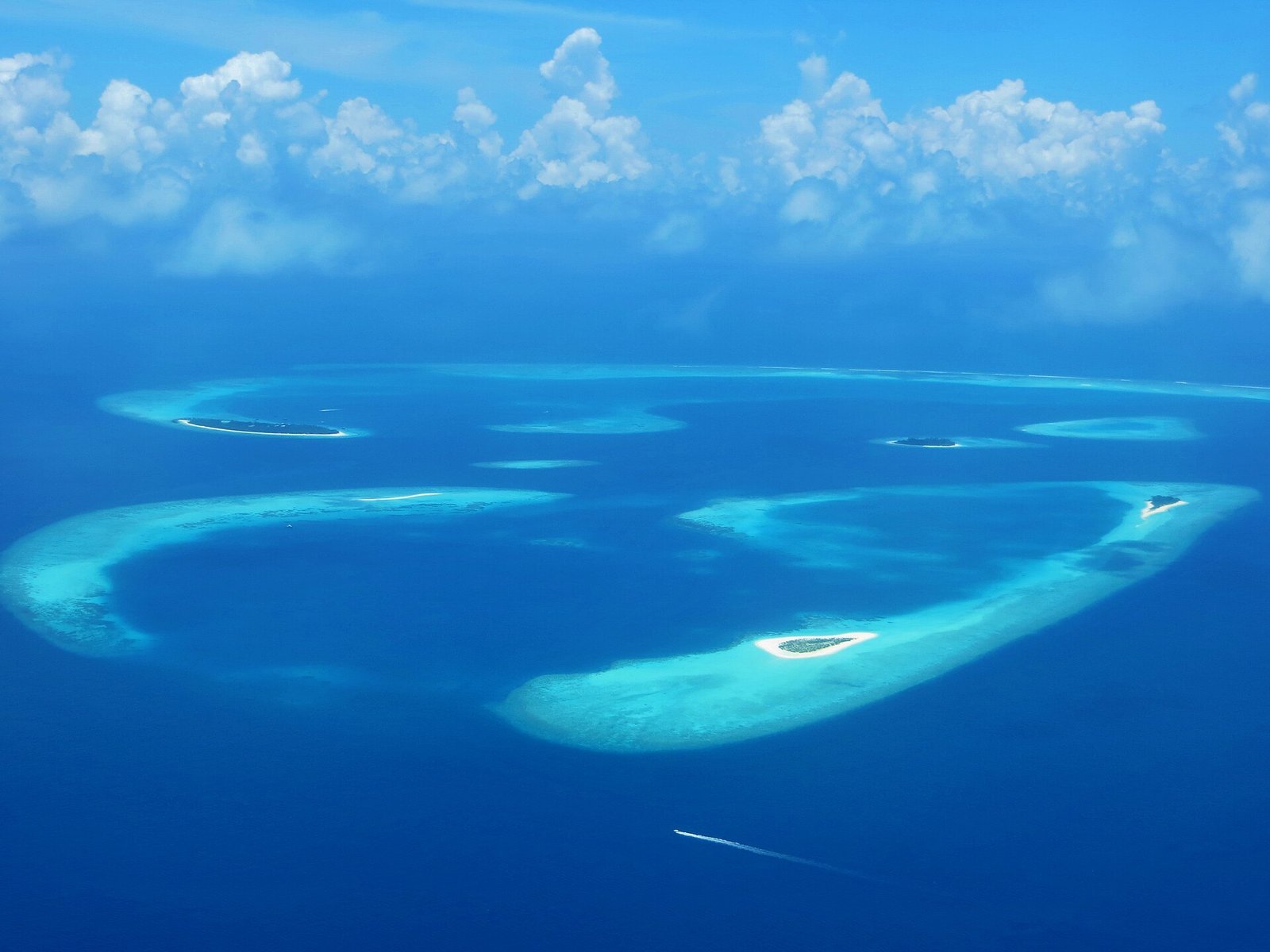
Baa Atoll, Maldives. Photo: Frédéric Ducarme via Wikimedia Commons (CC BY-SA 4.0).
TL;DR: Pick Ari Atoll if you want year-round whale shark encounters and a wide range of resort prices; pick Baa Atoll if you are travelling roughly June to November and want the chance to snorkel with feeding manta rays at Hanifaru Bay inside a UNESCO Biosphere Reserve.
This guide focuses on Ari Atoll versus Baa Atoll specifically for travellers who want wildlife to decide where they stay in the Maldives — and who are unsure which of the two famous marine atolls fits their travel dates.
Both atolls appear on almost every “best of the Maldives” list, but for different reasons. Ari, west of Malé, is the country’s whale shark capital, with a protected reef where sharks are seen throughout the year. Baa, to the north, is a UNESCO Biosphere Reserve best known for the seasonal manta ray aggregations at Hanifaru Bay. Choosing between them is less about which is “better” and more about when you can travel and what you most want to see.
Below we compare the two head-to-head on marine life, seasonality, access, resort styles and cost, then give a clear recommendation for different types of traveller.
Ari vs Baa: Quick Comparison
Here is the short version before we get into detail. Both atolls offer five-star resorts, overwater villas and excellent snorkelling; the differences come down to signature wildlife, timing and the feel of the resorts.
| Factor | Ari Atoll | Baa Atoll |
|---|---|---|
| Signature wildlife | Whale sharks (South Ari), mantas, thilas | Manta aggregations at Hanifaru Bay |
| Best season for the headline encounter | Year-round | Roughly June to November, peaking mid-season |
| Protection status | South Ari Marine Protected Area (since 2009) | UNESCO Biosphere Reserve (since 2011) |
| Seaplane from Malé | About 25–35 minutes | About 30–40 minutes |
| Domestic airport option | Maamigili | Dharavandhoo |
| Resort range | Broad: all-inclusive to iconic five-star | Skews towards ultra-luxury and eco-luxury |
| Best for | Snorkellers, divers, families, value seekers | Couples, eco-minded travellers, manta lovers |
Marine Life: Whale Sharks vs Manta Rays
Ari Atoll is the place for whale sharks. The southern outer reef of South Ari is protected as a marine area largely because of its resident population of juvenile whale sharks, which are recorded across the year. Ari also has well-known manta cleaning stations and many thilas — submerged pinnacles that attract sharks, turtles and schooling fish. Read our full South Ari Atoll guide for how whale shark trips work.
Baa Atoll is the place for manta rays. During the southwest monsoon, plankton is pushed into Hanifaru Bay, a small reef-enclosed bay, and on the right days dozens — occasionally many more — of manta rays gather to feed, sometimes joined by whale sharks. Access is strictly managed: the bay is snorkel-only, numbers are limited and visits are run by licensed operators. Our Baa Atoll and Hanifaru Bay guide explains the rules in detail.
Beyond Hanifaru, Baa’s designation as a biosphere reserve under the UNESCO Man and the Biosphere programme reflects its reefs, seagrass and mangrove systems, and several resorts run active marine biology programmes. If you want to read more about the animals themselves, the manta ray entry is a good primer.
Responsible Encounters in Both Atolls
Whichever atoll you choose, the same principles apply. Never touch, chase or block the path of a whale shark or manta, keep a respectful distance of several metres, and skip flash photography. Choose operators who limit the number of swimmers in the water, brief guests properly before entry and manage boat speed around feeding animals — boat strikes are one of the main threats to whale sharks in particular.
It also helps to be honest about your swimming ability. Encounters happen in open water, sometimes in current, and you will be swimming steadily to keep up with a moving animal. A well-fitting mask, fins and a rash guard make the experience far more comfortable, and a lifejacket or buoyancy vest is no embarrassment if you are less confident. Many resorts in both atolls employ marine biologists who give free talks before excursions; attending one will make the encounter more meaningful and help you understand how your visit supports ongoing research and protection.
Finally, remember that wildlife never follows a schedule. Build some flexibility into your plans by booking excursions early in your stay, so a cancelled trip because of weather or a quiet day on the reef can be rescheduled before you fly home.
Seasonality: When Each Atoll Shines
Timing is the deciding factor for many travellers. The Maldives has a drier northeast monsoon (roughly December to April) and a wetter, windier southwest monsoon (roughly May to November).
Ari’s whale sharks are present in both seasons, so you can plan around school holidays, budget or weather preference. The northeast monsoon usually gives calmer seas for snorkelling; the southwest monsoon brings lower prices and, on the western side of the atoll, often good manta activity.
Baa’s headline event is strongly seasonal. The Hanifaru aggregations depend on southwest monsoon currents and the lunar cycle, so they are most likely from around June to November, with no guarantee on any given day. Travelling to Baa in February for mantas would be a mistake; travelling in August could be the trip of a lifetime. For general month-by-month conditions see our guide to the best time to visit the Maldives for a honeymoon.
Getting There and Getting Around
Both atolls are reached from Velana International Airport in Malé. Ari is slightly closer: seaplanes typically take around 25–35 minutes, and there is a domestic airport on Maamigili for evening arrivals. Baa seaplane flights usually take around 30–40 minutes, and Dharavandhoo airport offers a domestic-flight-plus-speedboat alternative.
In practice the difference in journey time is small. More important is whether your international flight lands in daylight: seaplanes do not fly at night, so late arrivals to either atoll may involve a domestic flight or an overnight stop near Malé. Check current entry requirements and transport information on the official Visit Maldives website before you travel.
Resort Styles and Budget
Ari has one of the broadest mixes of resorts in the country. At one end are long-established icons such as Conrad Maldives Rangali Island, home to the undersea Ithaa restaurant; at the other are well-regarded all-inclusive properties that make total trip costs more predictable. That breadth makes Ari a strong choice for families and for travellers who want luxury without the very top price tier.
Baa leans towards the high end. The atoll is home to several of the Maldives’ best-known ultra-luxury and eco-luxury resorts, including Soneva Fushi and Four Seasons Resort Maldives at Landaa Giraavaru, along with design-focused newer arrivals. Expect strong sustainability credentials, marine programmes and correspondingly high rates.
In both atolls the true cost includes transfers, meal plans, service charge and green tax. Compare totals, not headline rates. If you are travelling with children, our best luxury family resorts in the Maldives list covers options in both atolls and beyond; if you want water beneath your bed, see the best overwater bungalows.
Which Atoll Should You Choose?
- Choose Ari if your dates fall between December and May, you want whale sharks, you are travelling with family, or you want the widest range of price points.
- Choose Baa if you can travel between roughly June and November, manta rays are your dream encounter, and you value eco-luxury and marine conservation programmes.
- Combine both on a longer trip of ten nights or more — a split stay is entirely doable with a transfer via Malé, letting you chase both whale sharks and mantas.
For more context on the atoll system as a whole, the Baa Atoll and Ari Atoll Wikipedia entries are helpful background reading.
Key Takeaways
- Ari Atoll = year-round whale sharks and the widest range of resort prices.
- Baa Atoll = seasonal manta aggregations at Hanifaru Bay, roughly June to November, in a UNESCO Biosphere Reserve.
- Transfer times from Malé are similar (about 25–40 minutes by seaplane); daylight arrival matters more than distance.
- Baa skews to ultra-luxury and eco-luxury; Ari offers more all-inclusive and mid-luxury options.
- On a trip of ten nights or more, a split stay lets you experience both atolls.
Final Verdict: Ari or Baa?
If you have flexible dates and one wish — to swim beside a whale shark — Ari Atoll is the safer bet, because its sharks are present all year and its resorts suit a wide range of budgets. If your trip falls in the southwest monsoon and the idea of a bay full of feeding mantas excites you, Baa Atoll is hard to beat, especially if you value sustainability and are comfortable at the top end of the price scale. Either way, plan the wildlife first and the villa second, and you will end up in the right atoll.
Frequently Asked Questions
Is Ari or Baa Atoll better for snorkelling?
Both are excellent. Ari offers year-round whale shark snorkelling and many reef sites, while Baa offers the seasonal chance to snorkel with feeding manta rays at Hanifaru Bay. Your travel dates usually decide which is better for you.
When is manta season in Baa Atoll?
Manta aggregations at Hanifaru Bay are most likely during the southwest monsoon, roughly June to November. Numbers vary daily with currents and the lunar cycle, so sightings are never guaranteed.
Can you see whale sharks in Baa Atoll?
Whale sharks are occasionally seen in Baa, sometimes feeding alongside mantas at Hanifaru. However, South Ari Atoll is far more reliable for whale sharks because a resident population is recorded there year-round.
Which atoll is closer to Malé?
Ari is slightly closer, with seaplane flights of about 25–35 minutes versus about 30–40 minutes to Baa. Both atolls also have domestic airports for flight-plus-speedboat transfers.
Can I visit both Ari and Baa on one trip?
Yes. A split stay is common on longer trips. You would usually transfer back via Malé between resorts, so allow a half day for the change and check seaplane schedules.
About the Author
This guide was researched by the LuxStay editorial team — curating luxury island and Southeast Asia stays, updated regularly with on-the-ground verification.