
Camotes Islands Travel Guide 2026
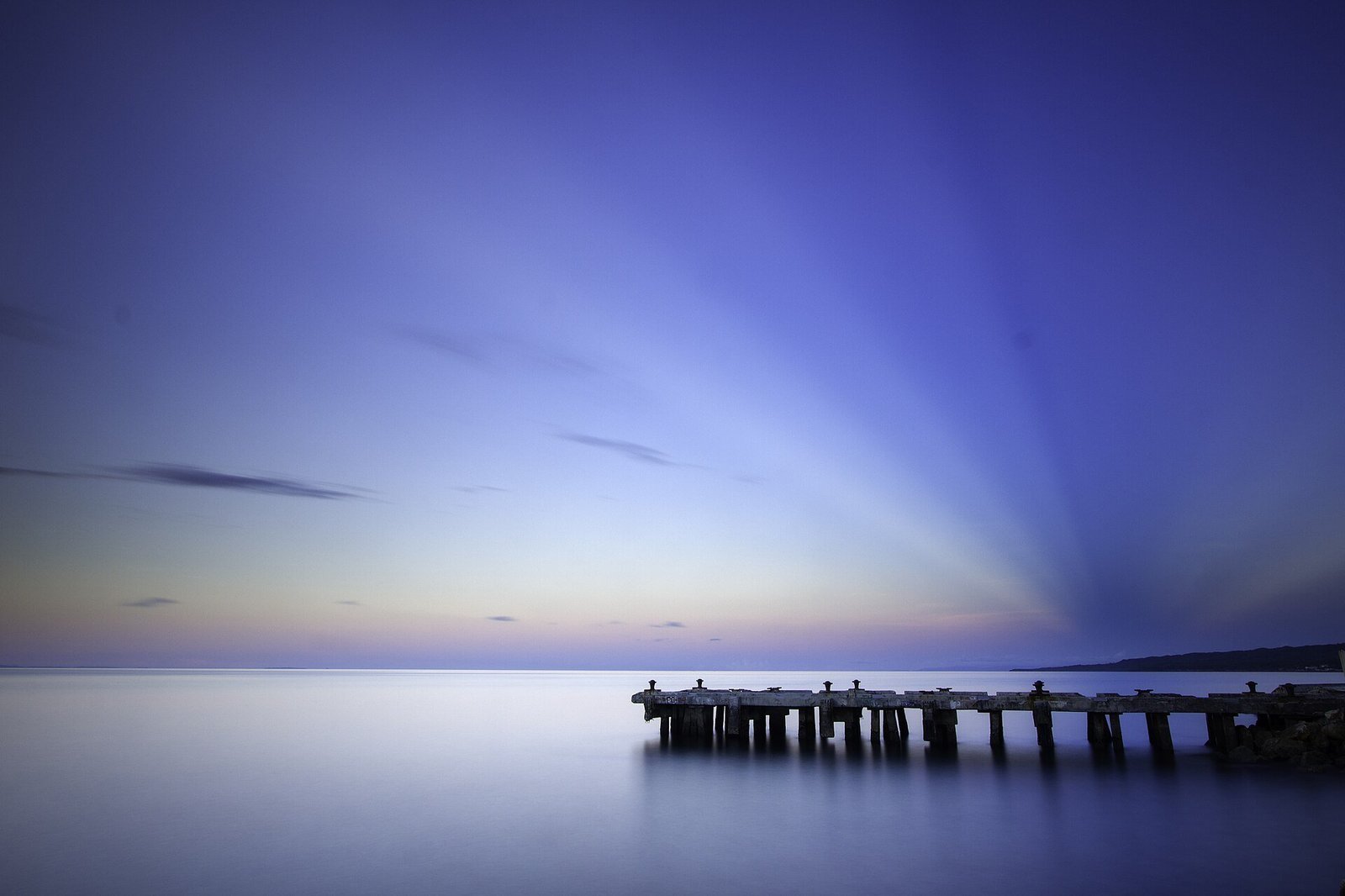
Illustrative pier scene in the Camotes Islands; not a specific resort or operator shown below
The Camotes Islands are a cluster of four linked islands in the Camotes Sea, between mainland Cebu and Leyte, reached by fast craft from Cebu City, Mactan or Danao rather than by bridge or road. This guide focuses on Camotes specifically for travellers who want a quiet, low-key island base within day-trip range of Cebu City, rather than a full-service resort island with nightlife, spas and brand-name hotels. It works from ferry operator information, provincial tourism listings and recent traveller write-ups rather than a first-hand stay, so treat the fares, schedules and resort rates below as a starting point and confirm them before you book.
Research-based guide · Official and operator sources checked 16 October 2026. This is not a first-hand stay review, and ferry schedules in particular change often enough that you should re-confirm them close to your travel date.
Four Islands, Four Towns
Camotes is really a small archipelago rather than one island. The group has two larger islands, Pacijan and Poro, plus the smaller Ponson and Tulang, and is divided into four municipalities: Poro, Tudela, Pilar and San Francisco. San Francisco, on Pacijan Island, is the main tourist base and holds Santiago Bay, the beach most visitors come for. Pacijan and Poro are connected to each other by a bridge, so you can move between the two largest islands by tricycle or habal-habal without a boat. Pilar, on Ponson Island, sits apart from the other three and is reachable only by boat, including a direct route from Ormoc on Leyte.
Knowing this layout matters before you book anything, because a room in San Francisco puts you near Santiago Bay and the Mangodlong area, while a stay in Poro or Tudela puts you closer to the island’s inland sights — Lake Danao, Timabu Cave and the Camotes caves — and to the Poro Port ferry terminal.
The islands are small enough that none of this separation is extreme — most of Camotes’ sights are within an hour’s tricycle or habal-habal ride of San Francisco — but it still shapes which town makes sense as a base. Travellers who want beach time first and inland sights as a single day trip generally do better basing themselves in San Francisco; those who want to split their stay evenly between beach and interior sometimes choose a Poro-side guesthouse instead, trading a slightly longer tricycle ride to Santiago Bay for easier access to the lake and caves.
Getting There From Cebu or Danao
There is no single best route; which one works depends on where you are starting from on Cebu and how much time you want to spend getting there. The three main approaches are a fast craft direct from Cebu City or Mactan, a shorter crossing from Danao north of Cebu City, and a boat from Ormoc on Leyte if you are coming from that direction instead.
| Route | Operator(s) | Approx. duration | Approx. one-way fare |
|---|---|---|---|
| Cebu City / Mactan → Consuelo | OceanJet (fast craft, 2x daily); Jomalia Shipping | About 1.5–2 hours | From roughly ₱350–500+ |
| Danao → Consuelo | Local ferry operators, frequent sailings 5:30am–9pm | About 2 hours | From roughly ₱200 |
| Ormoc (Leyte) → Pilar | Public boat | About 1 hour | Varies by operator |
| Cebu City → Danao (connection) | Multicab or bus | About 1 hour | From roughly ₱30 |
Danao is the budget-conscious option: it is about an hour north of Cebu City by multicab or bus, and ferries to Consuelo Port in San Francisco run through most of the day. The direct Cebu City/Mactan fast-craft routes cost more but save you the overland leg to Danao. If your trip starts on Leyte rather than Cebu, the Ormoc–Pilar boat avoids backtracking through Cebu entirely, though Pilar is the most remote of the four towns and has the least tourist infrastructure.
Getting Around the Islands
There is no island-wide public bus network. Tricycles and habal-habal (single motorcycles that take a passenger behind the driver) handle most short trips, and a half-day motorcycle tour covering several inland sights is a common way to see Lake Danao, Timabu Cave, the Baywalk, Buho Rock and Bukilat Cave in one outing. Because Pacijan and Poro share a bridge, a driver based in San Francisco can usually take you across to Poro’s attractions in the same half-day without a separate boat.
Bring more cash than you think you need. Multiple traveller accounts describe only one ATM on the islands, and card acceptance away from the larger resorts is limited, so plan for cash at ferry terminals, tricycle fares and most resorts.
Mobile signal is generally workable in San Francisco and along the main roads between towns, though it thins out around the lake and some of the caves. If you need to stay reachable for work, confirm your carrier’s coverage rather than assuming it matches mainland Cebu, and don’t count on fast data speeds once you’re away from the larger towns.
Where to Stay: Santiago Bay vs Elsewhere
Santiago Bay, in San Francisco on Pacijan Island, has the heaviest concentration of places to stay and the beach most photos of Camotes show. Mangodlong, a short ride away, pairs a rock formation with a quieter beach and a dedicated resort. Budget and mid-range guesthouses on the island have historically started well under ₱2,000 a night, though you should treat any specific rate as a starting point rather than a current quote, since island accommodation prices move with demand and season.
What to Do Beyond the Beach
Camotes’ appeal is split fairly evenly between its coastline and its interior. On the water, diving, freediving and snorkelling operators run out of San Francisco, and island-hopping day trips cover the smaller islets around Pacijan and Poro. Inland, Lake Danao is the signature stop — a freshwater lake ringed by hills — alongside Timabu Cave, Bukilat Cave in Tudela, Guadalupe Cave and the Busay Waterfalls. Several hilltop viewpoints, including Alta Vista and the Kalbaryo site, add a lookout stop to an inland day without much extra driving.
None of this requires more than a couple of days to cover at an easy pace, which is part of why Camotes works well as a long weekend from Cebu City rather than a standalone week-long trip for most visitors.
Dining options cluster around San Francisco and Santiago Bay, running mostly to simple Filipino seafood and grill carinderias rather than destination restaurants, with a handful of resort kitchens offering a slightly more varied menu. That’s consistent with the island’s overall character: Camotes is a place to slow down rather than a place built around activities and amenities, and travellers who come expecting a packed schedule of organised tours are more likely to be disappointed than those who come expecting a quiet beach and a short list of inland sights to see at their own pace.
A Realistic Itinerary Length
Two full days and two nights is enough to see Santiago Bay, do one inland motorcycle tour, and add a half-day of diving or island-hopping if you want it. Three nights gives you room to split time between San Francisco and the Poro/Tudela side without rushing the ferry connections on either end. Longer stays suit travellers who want to dive multiple sites or who are combining Camotes with a Leyte leg via the Ormoc–Pilar boat.
For a wider comparison of nearby Cebu-area islands before you commit to Camotes, the Bantayan vs Malapascua guide and the Malapascua diving guide cover two other low-key options with different strengths.
Pairing Camotes With the Rest of Cebu
Because the ferries run from both Cebu City/Mactan and Danao, Camotes slots naturally onto either end of a longer Cebu itinerary. Travellers heading south toward Moalboal for sardine-run diving can see our Moalboal 3-day itinerary, while those wanting a second low-traffic island stop nearby might compare Camotes against Kalanggaman Island, which is a day-trip destination rather than an overnight base. If a full-service resort stay elsewhere in Cebu is also on your list, see our roundup of best luxury resorts in Cebu for the contrast.
For background on the islands themselves, the Wikipedia entry on the Camotes Islands covers geography and administrative divisions, the Lakwatsero Camotes travel guide has a detailed first-hand ferry and resort breakdown, and Philippine Beaches’ Camotes tips page covers practical details like cash access.
Frequently Asked Questions
Is Camotes a single island or several?
Several. The group has two larger islands, Pacijan and Poro, plus the smaller Ponson and Tulang, split across four towns: Poro, Tudela, Pilar and San Francisco.
Which port should I use from Cebu?
Cebu City or Mactan gives a faster, pricier fast-craft crossing to Consuelo; Danao, about an hour north of Cebu City, is slower but cheaper and has frequent sailings through the day.
Do I need cash on Camotes?
Yes. Traveller accounts describe only one ATM on the islands, so bring enough cash for ferries, tricycles, resorts and meals rather than relying on cards.
How long should I stay?
Two to three nights covers Santiago Bay, an inland motorcycle tour, and a half-day of diving or island-hopping without rushing either ferry connection.
Can I combine Camotes with Leyte?
Yes, via the Ormoc–Pilar boat route on Ponson Island, which avoids backtracking through Cebu if Leyte is part of your trip.
Camotes rewards travellers who are comfortable with a slower pace and a short, slightly fiddly ferry connection in exchange for a beach that isn’t shared with tour buses. If that trade doesn’t sound appealing, Cebu has busier, better-connected islands nearby that suit a shorter visit.