Biliran Island Travel Guide 2026: Falls & Hot Springs
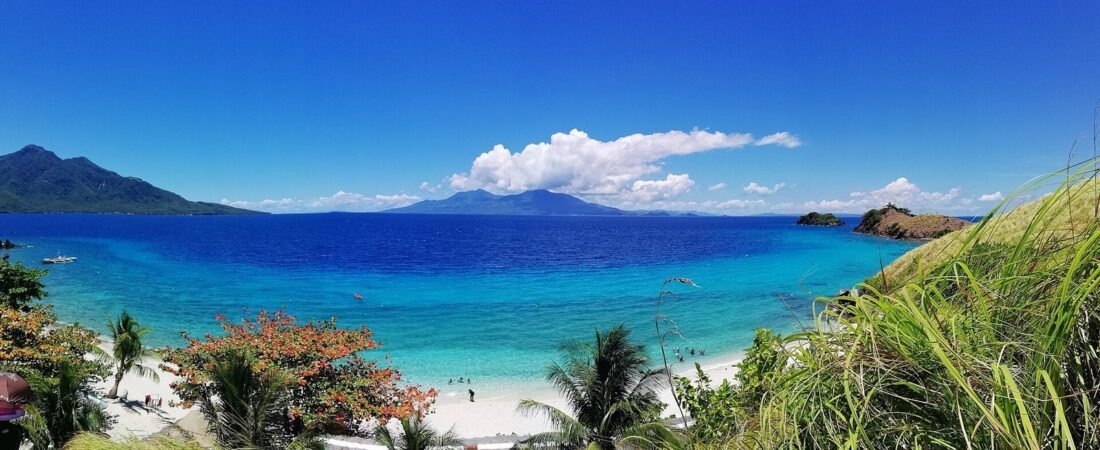
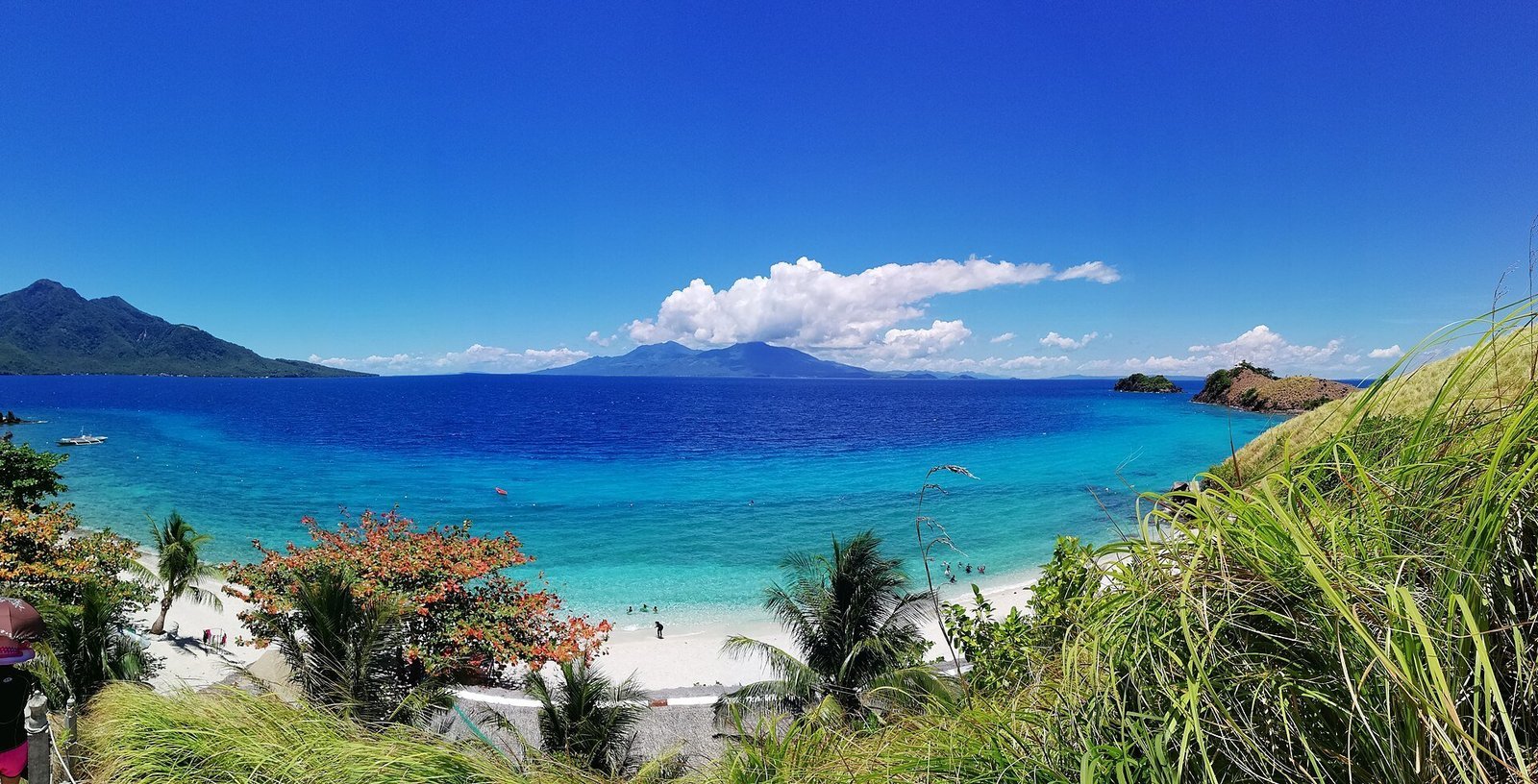
Illustrative island viewpoint near Biliran province; not a specific resort shown below
Biliran is a small island province just off the northern tip of Leyte, connected across the Biliran Strait by the Biliran Bridge rather than reachable by its own airport or a direct ferry from Cebu. This guide focuses on Biliran specifically for travellers already routing through Tacloban or Leyte who want a waterfall-and-hot-spring detour that sees a fraction of the visitors of islands further south in the Visayas. It draws on provincial tourism listings and recent traveller itineraries rather than a first-hand stay, so confirm transport times, entrance fees and boat charter rates before you go.
Research-based guide · Provincial tourism and traveller-reported details checked 16 October 2026. This is not a first-hand stay review; fares, fees and boat charter rates in particular should be reconfirmed locally.
Where Biliran Is, How to Get There, and Its Layout
Biliran lies less than a kilometre north of Leyte across the Biliran Strait, linked by the Biliran Bridge, a bridge-causeway that crosses Poro Island on its way from the town of Biliran to the Leyte mainland. There is no airport on Biliran itself, so the usual gateway is Tacloban City, served by Philippine Airlines, AirAsia and Cebu Pacific from Manila and Cebu. From Tacloban, a van from the Tacloban Grand Terminal (or the Van Van / Dup Tours terminal downtown) runs to Naval, Biliran’s capital, in about 2.5 hours for roughly ₱120; a local bus covers the same route for travellers who don’t mind a slower ride. Travellers coming by sea from Cebu can take a fast craft to Ormoc or Palompon on Leyte and continue by van to Tacloban or directly toward Biliran.
Flight connections into Tacloban are worth booking with some buffer, since Biliran has no airport of its own to serve as a backup; a delayed or rescheduled flight pushes your entire itinerary back by the length of the next available van or bus to Naval rather than offering an easy local alternative.
Naval, on Biliran’s western coast, is both the provincial capital and the island’s most populous town, and is the natural base for exploring the rest of the province. Biliran covers 536 square kilometres and is mountainous at its core, with only Naval and Caibiran having enough flat land for significant farming. The province is made up of eight municipalities: Almeria, Biliran, Cabucgayan, Caibiran, Culaba, Kawayan, Maripipi and Naval, with Maripipi sitting apart as a smaller island to the northwest. That layout matters for planning: Naval puts you closest to the Sambawan Island boat options and within range of several waterfalls by tricycle, while the falls in Caibiran, Cabucgayan and Almeria sit further out and are easier to cover as a dedicated day loop than as scattered half-day trips.
Quick Answer: Biliran in Three Things
Mainit Hot Spring for an easy soak, one or two of the province’s dozen-plus waterfalls (Tinago is the most-mentioned), and a day trip to Sambawan Island for the best beach and viewpoint combination in the province.
Mainit Hot Spring and the Waterfalls
Mainit Hot Spring is Biliran’s best-known easy stop, requiring little more than a short ride from Naval. The province’s real draw for many visitors, though, is its waterfalls — at least ten are named across local listings, including Tinago Falls, Bagongbong Falls, Ulan-ulan Falls, Recoletos Falls, Kasabangan Falls, Casiawan Falls, Karaha Falls, Tomalistis Falls, Pondol Falls and Saad Falls, spread across Caibiran, Cabucgayan, Almeria and other towns. Tinago Falls, in Caibiran, is the most frequently recommended of the group in traveller write-ups, but a Naval-based tricycle or motorbike driver can usually piece together two or three falls in a single day depending on which towns you want to cover.
None of these falls have the large-scale tourist infrastructure of better-known Philippine waterfalls — expect basic paths, modest or no entrance fees, and few facilities beyond a changing area at most. That’s part of the appeal for travellers specifically seeking Biliran out, but it also means wearing proper footwear and bringing your own water and sun protection, since none of this is guaranteed to be available on site.
Mainit Hot Spring works well as a short add-on to a waterfall day rather than a destination in its own right; most visitors treat it as an easy, low-effort stop to end an otherwise active day of hiking and swimming rather than a half-day activity on its own.
Sambawan Island Day Trip
Sambawan Island, off Biliran’s eastern side, is the province’s signature side trip: a small island with a viewpoint hill, several coves and clear water, reachable a few different ways. A jeepney from Naval to Kawayan costs around ₱35, after which a chartered boat to Sambawan runs roughly ₱1,000 for up to five people or ₱3,000 for up to ten, taking 45 minutes to an hour. Alternatively, a boat from Naval to Maripipi leaves daily except Sunday at around 10AM, from where a short motorbike ride and a further boat reach Sambawan. A direct charter straight from Naval has been quoted at around ₱10,000 for 10–15 people, rising for larger groups. Expect an entrance fee of around ₱100 per person and an open-air cottage for about ₱500; power on the island runs on solar from around 6PM to 6AM only, so plan charging accordingly if you’re staying overnight.
| Route | Approx. cost | Approx. time |
|---|---|---|
| Naval → Kawayan (jeepney) + charter boat | ₱35 + ₱1,000–3,000 (boat) | 45–60 min boat leg |
| Naval → Maripipi (daily boat, not Sunday) + onward boat | Varies | Motorbike + short boat |
| Direct charter from Naval | From roughly ₱10,000 (10–15 people) | Variable |
Solo travellers and couples will generally find the Kawayan jeepney-plus-shared-charter route the most cost-effective, since splitting a ₱1,000 boat across even two or three people keeps the per-person cost modest, while the Maripipi route suits travellers who want to see a second small island along the way rather than those purely optimising for cost or speed.
Best Time to Visit
Local guidance points to the dry months, roughly April to July, as the most reliable window for both waterfall access (some falls are more dramatic, others harder to reach safely, in heavy rain) and the boat crossing to Sambawan. As with the rest of the eastern Visayas, the September–November stretch carries the highest typhoon risk, which can disrupt both the Tacloban flight connections and the inter-island boats that reach Sambawan and Maripipi.
December through March tends to sit between the two extremes: generally calmer than the September–November peak, with occasional rain that rarely shuts down the falls or the Sambawan crossing for more than a day. If your dates are fixed outside the April–July window, this shoulder period is a reasonable second choice, with the same caveat as always about reconfirming boat availability close to your travel date.
Planning a Realistic Visit
Two to three nights based in Naval is enough to cover Mainit Hot Spring, two or three waterfalls and a full-day Sambawan trip without rushing. Because Biliran has far less tourist infrastructure than Cebu’s islands, book boat charters a day ahead where possible and carry cash, since card acceptance is limited outside Naval’s town centre.
Pack as you would for a wet, humid hiking day even in the dry months: closed-toe sandals or light trail shoes, a dry bag for electronics on the Sambawan crossing, and a basic first-aid kit for the less-maintained waterfall trails. There is little in the way of guided tourism infrastructure here, so travellers who prefer a fully organised itinerary with English-speaking guides at every stop may find Biliran more work to arrange than a mainstream Philippine beach destination.
If you’re routing through the Visayas more broadly and want a beach-island comparison point, our Camotes Islands travel guide and Camotes vs Bantayan comparison cover a different, more beach-focused side of the region, and our Malapascua diving guide and best luxury resorts in Cebu roundup cover more developed alternatives if Biliran’s limited infrastructure isn’t what you’re after.
Sources
Transport and attraction details here come from the Biliran provincial government’s tourism page, Lakwatsero’s Biliran travel guide and its companion Sambawan Island itinerary, with geography background from the Wikipedia entry on Biliran.
Frequently Asked Questions
Does Biliran have an airport?
No. The usual gateway is Tacloban City on Leyte, followed by a roughly 2.5-hour van ride to Naval, Biliran’s capital.
How is Biliran connected to Leyte?
By the Biliran Bridge, a bridge-causeway crossing Poro Island that links the town of Biliran to the Leyte mainland across the Biliran Strait.
What is Biliran best known for?
Mainit Hot Spring, more than a dozen named waterfalls spread across its towns, and the Sambawan Island day trip off its eastern coast.
How do I get to Sambawan Island?
Via a jeepney from Naval to Kawayan plus a chartered boat (roughly ₱1,000–3,000), or via a daily boat (except Sunday) from Naval to Maripipi followed by a motorbike and short boat ride.
When is the best time to visit?
Roughly April to July for drier conditions and steadier boat access; September to November carries the highest typhoon risk in the wider region.
Biliran won’t suit travellers looking for a resort strip, but for a waterfall-and-hot-spring detour off the usual Visayas beach circuit, it’s one of the least-visited options still within easy reach of a regional airport.