Babymoon in Bali: Best Areas and What to Pack
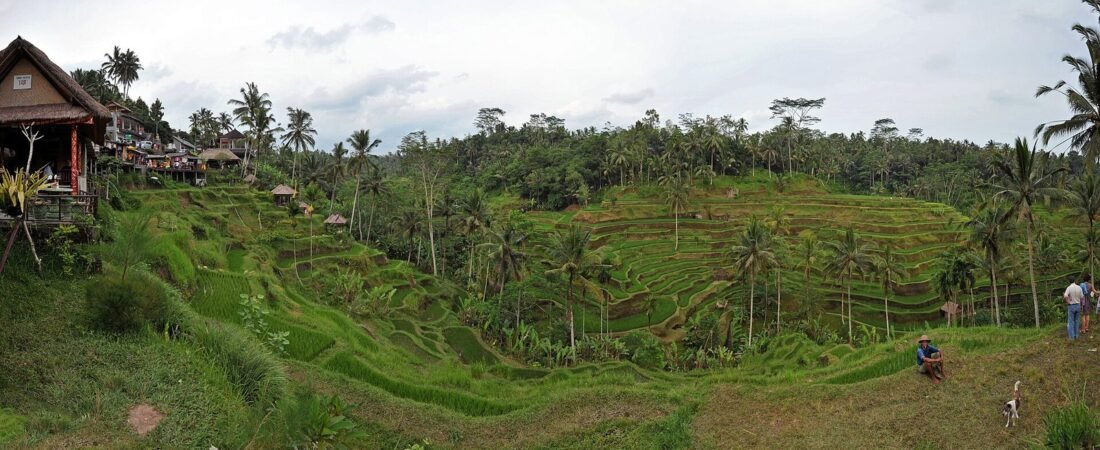
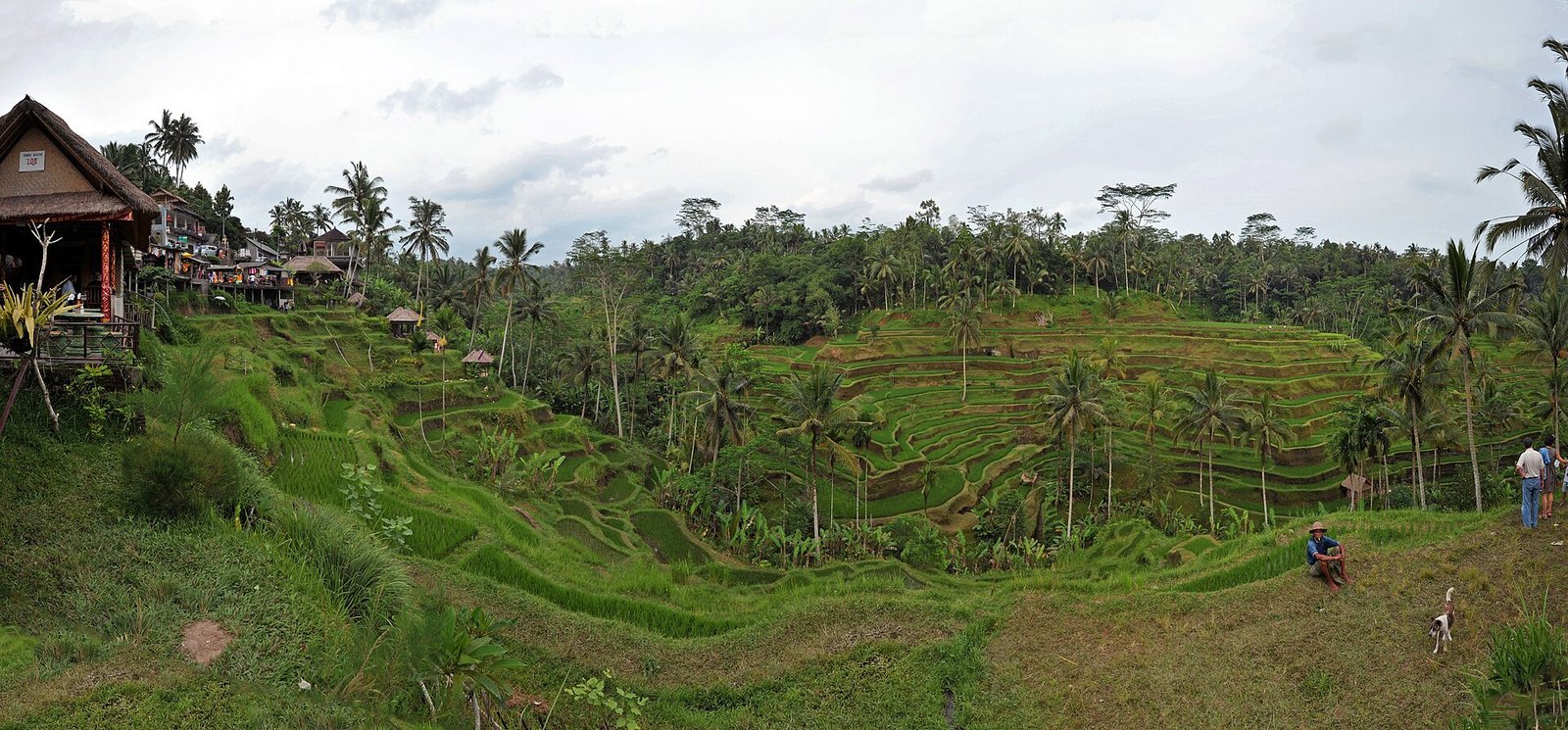
Illustrative Bali landscape. Not a photograph of a specific resort.
A babymoon is a trip taken during pregnancy, usually in the second trimester, before travel becomes less comfortable and before a newborn makes any trip more complicated. This guide focuses on Bali specifically for expecting parents weighing where to stay, what is realistic to do while pregnant, and what to pack, rather than general Bali sightseeing advice aimed at any traveler. It covers area selection, spa and food precautions, a packing list, and the practical questions worth settling with a doctor before booking anything.
Research-based guide · Checked October 2026. This is travel planning information, not medical advice, and it does not replace a conversation with your own obstetric provider. Confirm fitness to travel, vaccination needs and any activity restrictions with your own doctor before booking, and again closer to departure if anything about your pregnancy has changed.
Start with Your Doctor and Your Trimester
Most airlines and obstetric guidance treat the second trimester, roughly weeks 14 to 27, as the most comfortable window for long-haul travel, though every pregnancy is different and some are considered higher risk regardless of timing. Check your airline’s own policy on how late in pregnancy they allow travel, and get a travel clearance note from your doctor if you are visibly pregnant or past that window; some carriers require this documentation at check-in and will deny boarding without it. The American College of Obstetricians and Gynecologists and the CDC’s travel health site are both useful starting points for general pregnancy travel guidance before you book, including vaccine and malaria-prevention advice that differs for pregnant travelers compared with the general population.
Compare Where to Stay in Bali for a Babymoon
| Area | Vibe | Why it works for a babymoon |
|---|---|---|
| Ubud | Rice terraces, yoga and wellness culture | Quiet, inland, strong spa and healthy-food scene |
| Seminyak | Beach clubs, restaurants, boutique shopping | Easy airport access, wide dining choice without long drives |
| Nusa Dua | Gated resort enclave, calm beaches | Predictable resort infrastructure and calmer swimming conditions |
| Uluwatu | Cliff-top views, surf beaches | Scenic but hillier terrain; better for a short add-on than a full stay |
Why Bali Works for a Babymoon
Bali’s combination of direct flights from several regional hubs, a mature wellness and spa industry, and a wide range of accommodation prices makes it an easier babymoon destination than islands with longer connecting itineraries or more limited medical infrastructure. Villas with private pools are common and let you set your own schedule rather than sharing resort facilities, which matters more than usual when you are tired earlier in the day or need to rest between activities rather than keep to a fixed resort timetable.
Hospitals with international-standard maternity and emergency care exist in the main tourist areas, which is worth knowing even if you do not expect to need one; ask your accommodation for the nearest option on arrival as a precaution, even if you do not expect to need it, so you are not searching for that information under stress later. General background on the island is available on Wikipedia’s Bali entry and Indonesia’s official tourism portal, Indonesia.travel, both useful for checking current entry requirements before you travel. Travel insurance that explicitly covers pregnancy-related care is worth the extra cost for this trip in particular.
Best Areas and Resorts to Consider
Ubud suits a babymoon well because its wellness infrastructure is built around exactly the kind of slow, restorative days that work during pregnancy: gentle yoga classes, healthy-focused restaurants, and spas that are used to prenatal requests. The trade-off is more driving for anything beyond the immediate area, since Ubud sits inland and away from the beach; see our Ubud luxury resorts guide and Bali wellness retreats guide for specific options.
Seminyak is the better choice if you want restaurants and some nightlife for a partner while keeping your own days low-key, since its beachfront location and dense restaurant scene mean less driving for daily needs. Compare both bases directly in our Ubud vs Seminyak guide. If privacy and a private pool matter more than resort facilities, a villa stay is worth considering too, since you can control the temperature, food and rest schedule entirely yourself without working around a shared pool or restaurant hours; see our Bali private-pool villa guide. Nusa Dua’s gated resort format is a reasonable middle ground if you want calmer beach access without Seminyak’s busier streets, and its all-inclusive-style resorts can simplify meal planning when you are being more careful about food.
Spa, Food and Activity Precautions
Tell the spa in advance that you are pregnant; most reputable spas in Bali offer a specific prenatal massage protocol that avoids certain pressure points and essential oils, but a standard massage booking will not automatically account for this, and a therapist who is not told may use techniques not recommended during pregnancy. Avoid saunas, steam rooms and very hot springs, skip activities with a fall or impact risk such as surfing lessons or long motorbike rides, and be cautious with street food and tap water as you would on any trip, since food-borne illness is harder to manage while pregnant and some treatments for it are not recommended during pregnancy without medical advice.
Confirm any medication, including common anti-nausea or altitude remedies, with your doctor before you travel rather than relying on advice from the resort or pharmacy staff, since over-the-counter guidance abroad may differ from what your doctor recommends at home. Pack a basic understanding of where the nearest clinic or hospital is relative to your accommodation, and keep your travel insurance details somewhere easy to find rather than only on your phone, in case you need them without access to charge it. It is also worth asking your resort or villa host, on arrival, which local doctors or clinics they would recommend for a pregnant guest, since staff who deal with visitors regularly often know which options are used to international patients.
What to Pack for a Babymoon in Bali
- Compression socks for the flight, plus a doctor’s travel clearance letter if you are visibly pregnant, since some airlines ask for one at check-in and will deny boarding without it.
- A copy of your prenatal records and your doctor’s contact details, in case you need care while away; a printed copy is a useful backup if your phone runs out of battery or signal.
- Loose, breathable clothing and swimwear that fits comfortably; Bali’s heat and humidity are more noticeable during pregnancy, and natural fabrics tend to be more comfortable than synthetic ones in that climate.
- A refillable water bottle and electrolyte sachets, since staying hydrated matters more in a hot, humid climate and dehydration can be harder to notice early on.
- Any prescribed prenatal vitamins and medications in their original packaging, with enough supply for the full trip plus a buffer in case of delays, split between carry-on and checked luggage.
- A light cardigan or wrap for air-conditioned villas and the flight, since temperature swings can be larger than expected between an outdoor pool and an air-conditioned room.
- A supportive pillow or small travel cushion if you already use one at home; long flights and unfamiliar beds can be harder on your back and hips during pregnancy.
- Comfortable, non-slip sandals for wet pool decks and uneven paths, since balance can feel different than usual as pregnancy progresses.
Frequently Asked Questions
What is the best trimester for a Bali babymoon?
Most guidance points to the second trimester, roughly weeks 14 to 27, as the most comfortable window for travel, though you should confirm your own fitness to travel with your doctor regardless of timing, especially if your pregnancy is considered higher risk for any reason.
Is it safe to get a massage while pregnant in Bali?
Many reputable Bali spas offer a specific prenatal massage protocol, but you should tell the spa you are pregnant before booking so they can adjust pressure points and avoid certain oils; if a spa seems unfamiliar with prenatal requests, it is reasonable to choose a different one rather than proceed with a standard treatment.
Which area of Bali is calmest for a babymoon?
Ubud is generally the calmest choice, with an inland, wellness-focused atmosphere, while Nusa Dua offers calmer beaches within a gated resort setting if you prefer coastal scenery over Ubud’s rice-terrace surroundings.
Do I need a doctor’s letter to fly while pregnant?
Policies vary by airline and by how far along you are. Many airlines require a letter confirming fitness to fly once you are visibly pregnant or past a certain week, and some will not allow travel at all beyond a set week count; check your specific airline’s policy before booking rather than assuming it matches another carrier’s rules.
What activities should I avoid while pregnant in Bali?
Skip high-impact or fall-risk activities such as surfing lessons, long motorbike rides and very hot springs or saunas. Choose gentler activities like short walks, prenatal yoga and calm swimming instead, and build more rest into the schedule than you would on a typical trip.
A babymoon works best as a low-pressure trip rather than a packed itinerary; building in unscheduled rest time tends to matter more than fitting in every sight on a list. For the trip before this one, see our Bali honeymoon packing list, and check seasonal conditions in our Bali weather guide before choosing your dates, since heat and humidity vary noticeably across the year. Confirm all medical and travel details with your own doctor and airline before booking, and reconfirm them again closer to your travel date if your pregnancy status or trimester has changed since you first planned the trip.