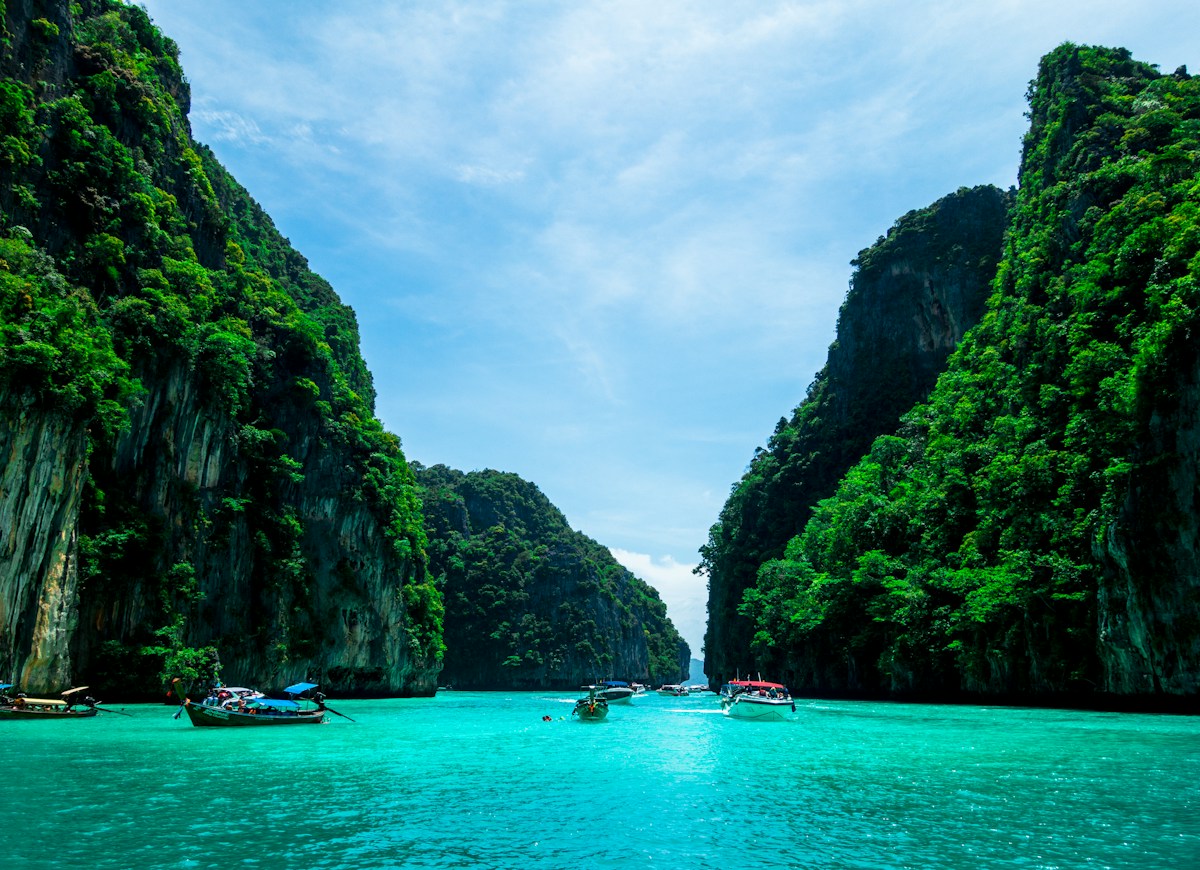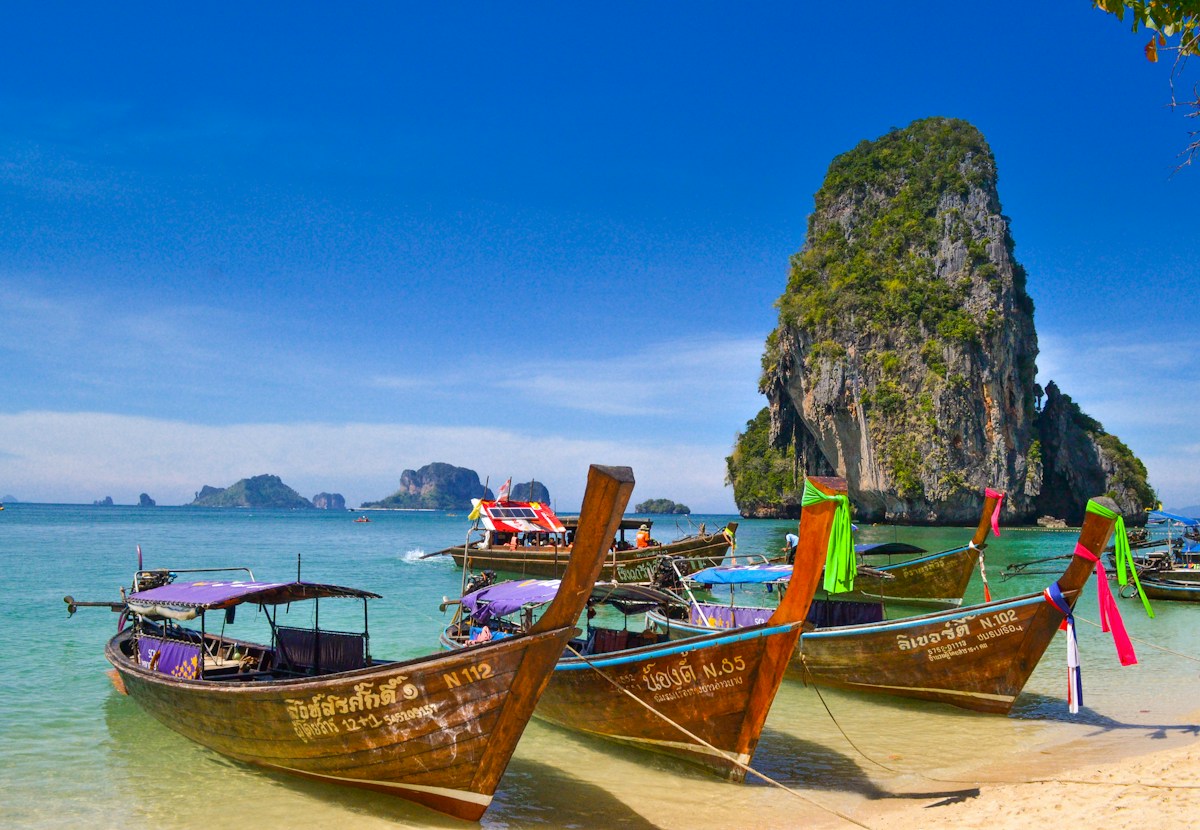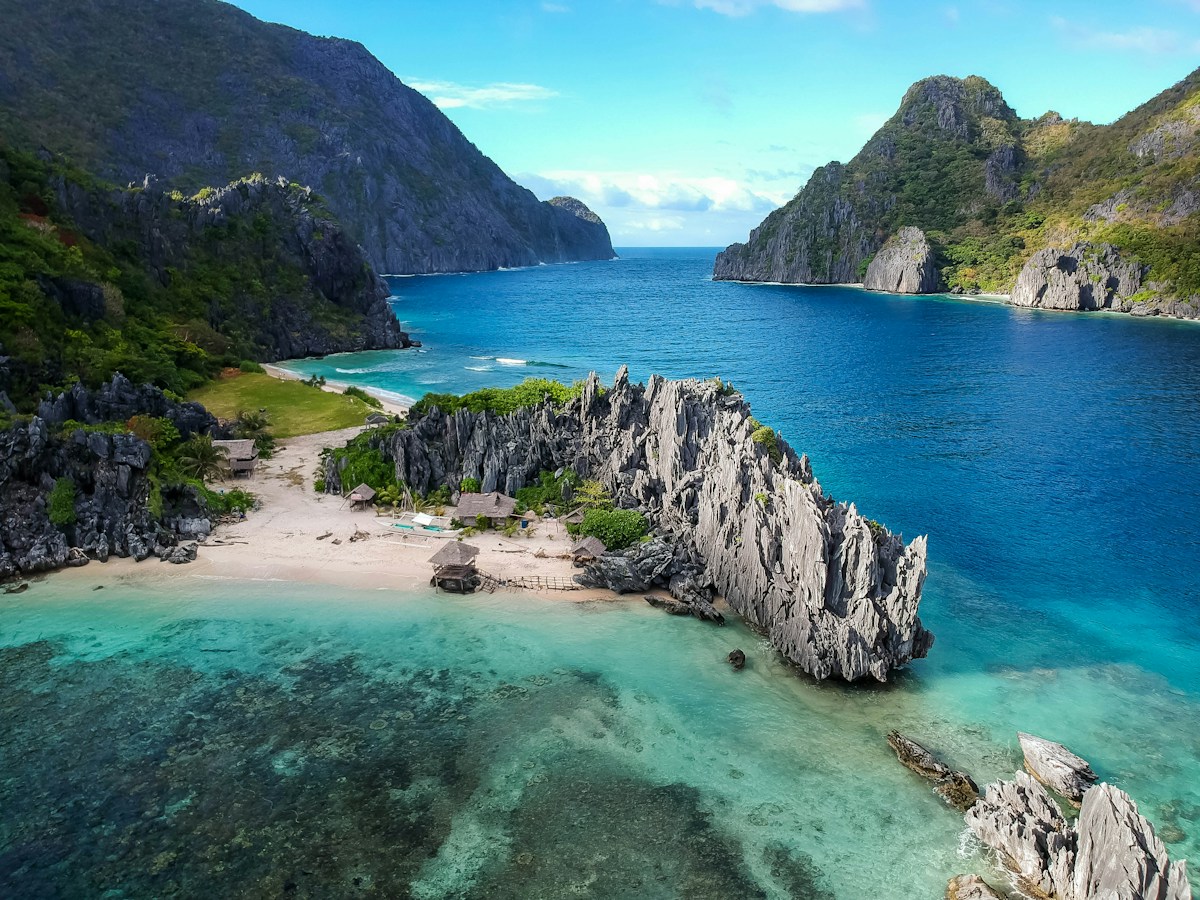
Beyond Ubud rice terraces and Seminyak beach clubs, Bali has a different face — ancient villages, forgotten temples, and black-sand beaches almost free of tourists. Here's the insider luxury guide for 2026.
Bali receives 6 million international visitors annually. The majority concentrate in a 20km corridor from Kuta to Ubud — a zone that contains extraordinary cultural and natural wealth, but also the highest tourist density in Indonesia. The rest of the island — east Bali's ancient kingdoms, the north coast's diving villages, the Buleleng highlands, the Nusa Penida cliffs — receives a fraction of this attention, and for travellers willing to look past the standard circuit, delivers Bali at its most authentic.
This guide is for luxury travellers who have already done the standard Bali itinerary — or who want to do it differently the first time.
East Bali: The Ancient Kingdoms
East Bali — Karangasem regency — is where the island's Hindu-Balinese royal tradition has been best preserved. The Karangasem royal family maintained power through the colonial period; their water palaces, traditional compounds, and sacred spring temples are among Bali's most historically significant sites, visited by a fraction of the tourists who crowd Ubud.
Tirta Gangga Water Palace (Karangasem)
A royal water palace built by the last King of Karangasem in 1946 — stone carved mythological figures framing pools fed by a sacred spring, in a garden of flowering frangipani and koi. The morning light at Tirta Gangga (arrive 7–8am before tour buses) is extraordinary — mist rising from the pools, birds calling from the rice paddies beyond, almost no other visitors.
The surrounding villages — Abang, Budakeling, Bebandem — are traditional Balinese communities where the traditional calendar still governs daily life. Temple festivals (odalan) occur on a rotating schedule; a local guide can identify which village is celebrating on any given day.
Amed and the Jemeluk Bay Dive Sites
Amed — a string of fishing villages on Karangasem's northeast coast — is one of Bali's best-kept diving secrets. The USAT Liberty wreck (a US cargo ship torpedoed in 1942) sits in 5–30m of water off Tulamben beach, 45 minutes from Amed — one of the world's most accessible and biodiverse wreck dives. The Jemeluk Bay house reef has excellent coral coverage; the clear east Bali water (visibility typically 15–25m) makes snorkelling as rewarding as diving.
Where to stay: Aas Bali Resort (Amed) — boutique clifftop eco-property above Jemeluk Bay; 12 villas, private plunge pools, the best views of the volcanic Agung silhouette at dawn.
Rate range: USD 180–350/night
Alila Manggis (Karangasem)
The most luxurious base for east Bali exploration — a beachfront resort 2 hours east of Kuta, surrounded by organic rice paddies, traditional villages, and temples. Alila's local guide program at Manggis is the island's best for cultural access: cooking with Balinese grandmothers in village kitchens, participation in temple ceremonies with appropriate guidance, mountain trekking from the foothills of Agung.
Rate range: USD 300–700/night
North Bali: The Undiscovered Coast
The north Bali coast — Singaraja and the Buleleng regency — is where Dutch colonial influence left its deepest architectural imprint, where the Bali Aga (pre-Hindu original Balinese) villages survive in the highlands, and where the quality of diving (Menjangan Island, Pemuteran) rivals Bali's east coast without the east coast's infrastructure.
Menjangan Island (West Bali National Park)
A small uninhabited island in the West Bali National Park — accessible by boat from Banyuwedang pier (30 minutes). The diving at Menjangan is Bali's finest — vertical walls dropping 40m+, with extraordinary coral coverage and visibility frequently exceeding 30m. The national park's protection has maintained Menjangan's reef in dramatically better condition than most of Bali's dive sites.
Above water, the island's deer population (menjangan = deer in Balinese) and the Pura Segara temple on the beach provide wildlife and cultural interest.
Where to stay: Menjangan Dynasty Resort (Banyuwedang) — a large eco-resort on the national park boundary, with direct dive boat access to Menjangan and a restoration program for the surrounding mangrove forest.
Rate range: USD 150–400/night
Pemuteran: Community Tourism Model
A small fishing village 45 minutes west of Lovina — one of Borneo's most acclaimed community-based conservation success stories. The Reef Gardeners biorock project, established in 2000, has restored the coral reef around Pemuteran using electrical current technology; the reef is now in dramatically better condition than when the project began, and the village's fishing community manages the conservation program collectively.
For: Travellers who want to combine diving with a genuine conservation and community tourism experience — the Pemuteran model has been studied internationally as a successful local reef restoration initiative.
Where to stay: Taman Selini Beach Bungalows (boutique family-run property on the beach, USD 80–180/night) or the Mimpi Resort Menjangan (USD 180–350/night).
For Reef Gardeners Biorock information: Reef Gardeners Pemuteran
The Bali Aga Villages
The Bali Aga are the island's original pre-Hindu inhabitants — their villages maintain traditions completely distinct from the mainstream Balinese Hindu culture. Three are accessible as day trips from either Ubud or east Bali bases:
Tenganan Pegringsingan (near Karangasem): The most famous Bali Aga village — a walled community that maintains a unique double-ikat textile tradition (geringsing weaving, using threads dyed before weaving, one of only three places in the world where this technique survives). The village calendar includes the mekare-kare pandanus leaf war festival (June–July) — a ritual combat that is one of Bali's most extraordinary cultural events.
Trunyan (Lake Batur): A remote village on Batur caldera's east shore, accessible only by boat across the lake. The Trunyan people do not cremate their dead — bodies are laid in bamboo cages beneath a sacred banyan tree (Taru Menyan) and allowed to decompose naturally. Visitors approach with genuine respect; the village experience is anthropologically significant and spiritually challenging.
Sidatapa and Cempaga (Buleleng): Twin Bali Aga villages in the north Bali highlands — weaving traditions, traditional architecture, and a bamboo gamelan music form (gamelan jegog) not found elsewhere in Bali.
Hidden Temples Beyond the Circuit
Pura Lempuyang Luhur (Karangasem): The highest temple complex in Bali — a series of seven temple precincts ascending to the summit of Mount Lempuyang (1,175m). The "Gates of Heaven" photo (the gate frames Agung across the valley) is now reproduced everywhere; the experience of reaching the upper precincts (2–3 hour climb) with almost no other visitors at dawn is entirely different from the Instagram queue below.
Pura Besakih (Karangasem): Bali's "Mother Temple" on the slopes of Agung — a complex of 86 temples across a sacred mountain landscape. The pilgrimage atmosphere during the major annual ceremony (Eka Dasa Rudra, held once per century — next in 2079, but monthly ceremonies are accessible) is Bali's most profound religious experience. Visit without a tour group; arrive before 9am.
Pura Segara Rupek (West Bali): A small sea temple on the north coast near Menjangan — accessible by a 20-minute forest walk from the main road. At dawn, with the Java-facing Bali Strait visible beyond the temple's split gates, it is one of Bali's most atmospherically powerful sacred spaces.
Practical Notes for Off-the-Beaten-Path Bali
Hire a local driver-guide: The east and north Bali circuit requires a private car and a guide who understands the cultural protocols for temple visits, village entry, and ceremony attendance. A good guide knows the ceremony calendar and can position you at the right village on the right day. Budget THB 80–120 USD/day for a quality English-speaking guide with a vehicle.
Temple dress: A sarong and sash are required for all temple entry — most temples have rental sarongs available; a good guide will carry spares. The more conservative north and east Bali communities appreciate appropriately modest dress beyond the sarong requirement.
Early starts: The most significant cultural and natural experiences in off-circuit Bali are best experienced before 9am — sunrise at the lake, dawn at Tirta Gangga, pre-crowd temple visits. Plan accommodation that allows early departures.
For Bali tourism and temple calendar information: Bali Tourism Board
Explore our guides to Bali honeymoon resorts, Bali surf guide, Bali vs Lombok comparison, and Ubud wellness retreats for more Bali luxury inspiration.
Filed under: