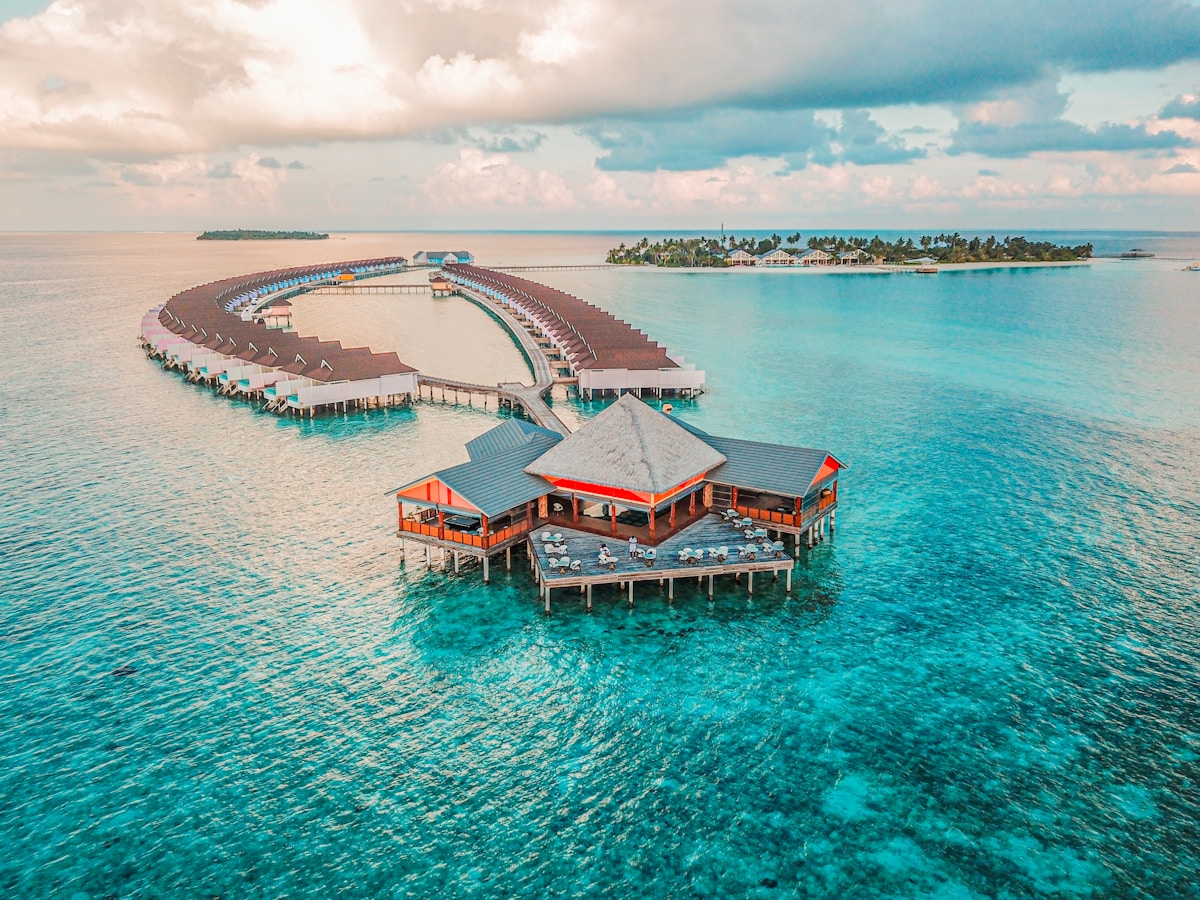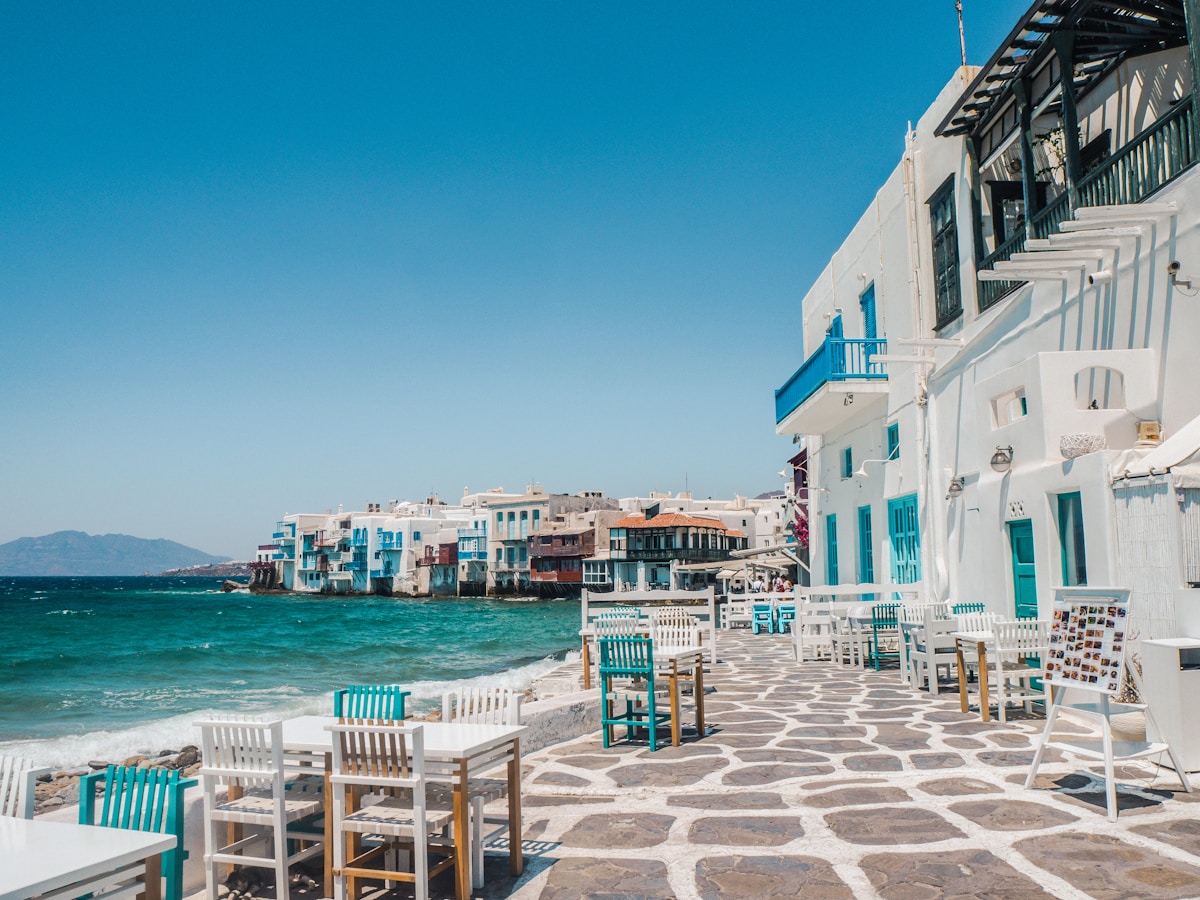
Bali and Phuket are Asia's most popular honeymoon destinations — but they deliver very different experiences. Here's a definitive 2026 comparison to help you choose the right one.
Bali and Phuket are the two most searched honeymoon destinations in Southeast Asia — and for good reason. Both offer extraordinary natural beauty, world-class luxury hotels, remarkable food, and warm-water beaches. But they are fundamentally different in character, and the right choice depends entirely on what kind of honeymoon you want.
This guide does not declare a winner. It identifies which destination wins on each factor that matters most to honeymooners, so you can make the decision that matches your priorities.
At a Glance
| Bali | Phuket | |
|---|---|---|
| Character | Spiritual, cultural, artistic | Beach resort, nightlife, island-hopping |
| Beach quality | Variable (best at Seminyak, Uluwatu) | Excellent (Andaman coast quality) |
| Cultural depth | Deep — temples, ceremonies, arts | Shallow — primarily resort-focused |
| Private villa options | Best in Southeast Asia | Good but fewer than Bali |
| Nightlife | Seminyak and Canggu active | Very strong (Patong, beach clubs) |
| Wellness/spa | Outstanding (Ubud especially) | Good hotel spas, fewer standalone |
| Island hopping | Limited (day trips to Nusa islands) | Excellent (Phi Phi, Racha, Similan) |
| Price | USD 300–2,000/night (villas) | USD 250–3,500/night (resort) |
| Best season | April–October | November–April |
| Flight access | Direct from most Asian hubs | Direct from most Asian hubs + Europe |
Bali: The Cultural Honeymoon
What Bali Does Better
Private villa experience: Bali's private villa market — 3,000+ licensed properties — is the world's most developed. The combination of a private pool, resident staff (butler, cook, housekeeper), outdoor living pavilion, and tropical garden creates a honeymoon setting that no hotel room can replicate. At USD 600–1,200/night, the space and privacy exceed what USD 1,500–2,000 buys in a Phuket luxury hotel.
Cultural immersion: Bali is the only Hindu island in the world's largest Muslim nation. The temple ceremonies, daily offerings (canang sari), traditional dance performances (kecak, legong), and the sacred calendar that structures Balinese daily life create a cultural context that makes every aspect of a Bali visit feel meaningful. A Phuket visit can be almost entirely resort-contained; a Bali visit, almost inevitably, intersects with something extraordinary.
Ubud: There is no Phuket equivalent of Ubud — a highland town surrounded by rice terraces, sacred forest (Monkey Forest), traditional healer villages (Mas, Penestanan), and a contemporary arts scene that draws international artists and wellness practitioners. For couples who want a honeymoon that combines beach time with genuine discovery, Bali's Ubud leg is irreplaceable.
Wellness: Ubud is Southeast Asia's most concentrated wellness destination — yoga shalas, Ayurvedic clinics, traditional Balinese healing (balian practitioners), and spa facilities at every price point. The Four Seasons Sayan in Ubud (rated among the world's top 10 hotel spas) and COMO Shambhala Estate represent the pinnacle.
Bali's Limitations for Honeymooners
Traffic: Bali's road infrastructure has not kept pace with tourism growth. Kuta-Seminyak-Canggu congestion is severe during peak season (July–August). A journey between Seminyak and Ubud (35km) can take 2 hours. Plan accordingly; don't try to cover too much ground.
Beach variance: Bali's best beaches (Seminyak, Nyang Nyang, Balangan) are excellent — but the island's position relative to the Indian Ocean swell means some west-coast beaches are not swimmable year-round. The east-coast (Sanur, Nusa Dua) and the Nusa islands offer calmer conditions.
Crowds at key sites: Tegallalang Rice Terraces, Tanah Lot, and Uluwatu Temple are the most visited points in Bali — dawn arrival (pre-6am) is essential to experience them without significant tourist density.
Phuket: The Beach Honeymoon
What Phuket Does Better
Andaman coast beach quality: The beaches on Phuket's west coast (Surin, Kamala, Bang Tao, Kata Noi) are consistently excellent — fine white sand, Andaman blue water, and (outside the May–October wet season) calm, swimmable conditions every day. Karon and Kata beaches have a slightly more resort-dominated atmosphere; the northern beaches (Bang Tao, Natai) are quieter and more genuinely luxurious.
Island hopping: Phuket sits at the hub of Thailand's most spectacular island network. Phi Phi Islands (1 hour by speedboat), Ko Racha Yai (45 minutes), Similan Islands (2 hours), Phang Nga Bay (1.5 hours), and Ko Yao Noi (30 minutes) are all accessible as day trips or multi-day extensions. No Bali equivalent exists for this island variety.
Beach clubs: Phuket invented the Southeast Asian beach club category — Catch Beach Club, Dream Beach Club, Café del Mar, and Baba Beach Club represent a beach-to-cocktail-at-sunset culture that Bali's Seminyak replicates to a degree but Phuket perfected.
Luxury hotel portfolio: The Banyan Tree Phuket, Amanpuri (the first Aman property globally, 1988), Trisara, Rosewood Phuket, and The Nai Harn represent a luxury hotel portfolio that matches Bali's best. The Andaman position gives most west-coast properties sunset-facing rooms — consistently cited as the defining advantage.
Phuket's Limitations for Honeymooners
Cultural shallowness: Phuket's culture is primarily Thai Buddhist — the Big Buddha, Wat Chalong, and the Old Town's Sino-Portuguese architecture are genuinely interesting, but they don't generate the immersive cultural experience that Bali's Hindu ceremonies create daily. A Phuket honeymoon is primarily a beach and island escape; cultural discovery is a bonus rather than a core feature.
Patong: Phuket's most famous beach strip is also its most problematic — a dense commercial beach zone with bars, nightclubs, and a tourist infrastructure that is antithetical to honeymoon atmosphere. The best Phuket resorts (Surin, Bang Tao, Cape Panwa) position guests as far from Patong as possible. Choose the hotel location carefully.
Wet season severity: The Andaman coast wet season (May–October) is more severe than Bali's. Rough seas, daily heavy rain, and some resort closures (Rayavadee Krabi closes entirely) make the timing constraint more significant than Bali's more nuanced seasonal pattern.
The Verdict: Which to Choose?
Choose Bali if:
- You want the most distinctive honeymoon experience — something that feels genuinely unlike any other destination
- Cultural depth matters: you want to encounter something that changes how you see the world
- Private villa privacy is the priority — your own pool, your own garden, your own cook
- Wellness is central: yoga, Ayurveda, traditional healing, spa immersion
- Your budget is flexible but not unlimited (Bali delivers exceptional value per square metre of accommodation)
- You're travelling April–October (Bali's dry season)
Choose Phuket if:
- You want consistently excellent beach conditions and warm, calm, swimmable water every day
- Island hopping is on the agenda — Phi Phi, Phang Nga Bay, the Similans
- Sunset cocktails at a beach club facing the Andaman is the image you're working toward
- The Western-standard luxury hotel experience (big brands, points programs, gym) is important
- You're travelling November–April (Andaman coast dry season)
- Nightlife access matters, even if only occasionally
The Ideal Solution: Both
A 12–14 day combined itinerary — 6–7 nights Bali (3 nights Seminyak villa, 3–4 nights Ubud) followed by 5–7 nights Phuket (beachfront resort or Phi Phi/Krabi extension) — is one of Southeast Asia's finest honeymoon itineraries. The two destinations are complementary, not competing. Bangkok Airways and AirAsia operate Bali–Phuket direct (2.5 hours); the logistics are straightforward.
For Bali, tourism information: Bali Tourism Board
For Phuket, tourism information: Tourism Authority of Thailand
Explore our guides to Bali honeymoon resorts, Phuket family resorts, Krabi luxury resorts, and Ubud wellness retreats for more inspiration.
Filed under: