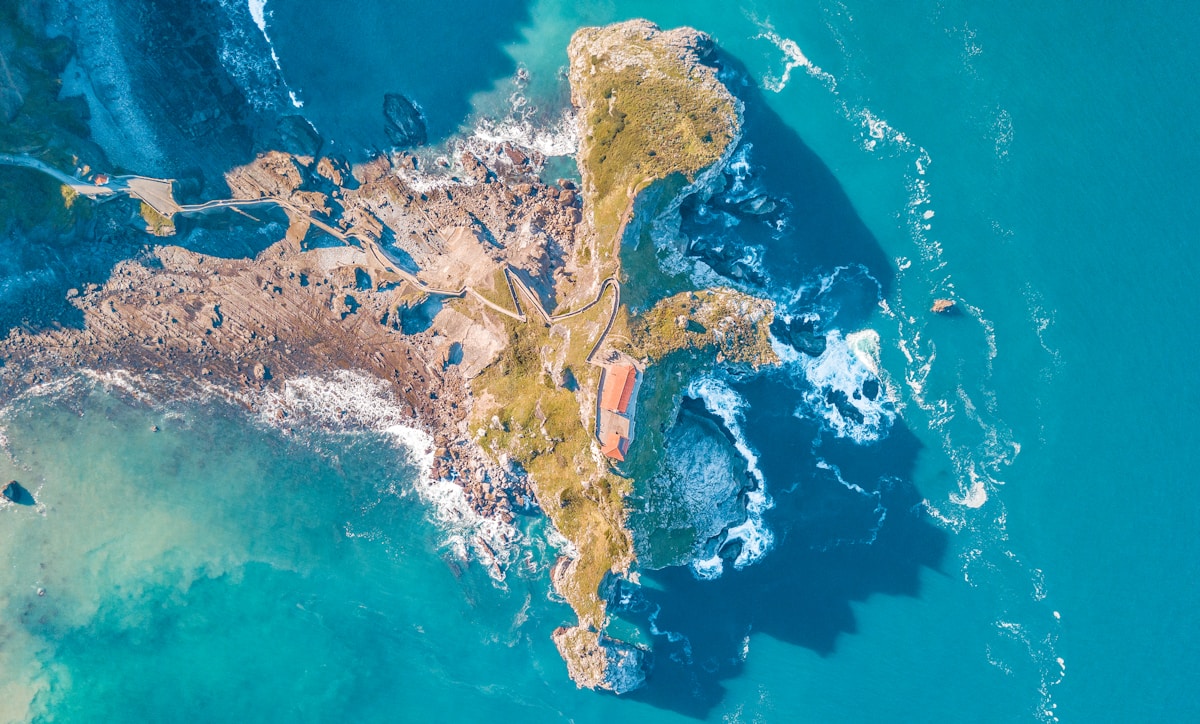
Costa Rica pioneered eco-luxury. Nayara Tented Camp, Lapa Rios, and Pacuare Lodge define a new standard where sustainability and five-star service coexist in the world's most biodiverse country. The definitive guide.
Costa Rica contains 5% of the world's biodiversity within a country the size of West Virginia. The 26 national parks and biological reserves (covering 26% of the national territory — the highest protected land percentage of any country in the Americas) shelter 900 bird species (more than the entire North American continent), 220 reptile species, 170 amphibian species, and megafauna — jaguars, tapirs, harpy eagles, scarlet macaws, and all four sea turtle species — in accessible, well-managed protected areas. The luxury eco-lodge scene pioneered what is now called "sustainable luxury" globally: properties like Lapa Rios (opened 1993) and Pacuare Lodge (opened 1995) demonstrated 30 years ago that world-class hospitality and genuine ecological commitment could coexist — a model now imitated worldwide but still most authentically expressed in Costa Rica.
Why Costa Rica for Luxury Eco-Travel?
Costa Rica's commitment to sustainability is constitutional: the country generates 99%+ of its electricity from renewable sources (hydroelectric, geothermal, wind, solar), has pledged carbon neutrality by 2050, and pays landowners to keep forest standing through the Pagos por Servicios Ambientales programme — the world's first national payment for ecosystem services system. The tourism infrastructure is the most developed in Central America — English is widely spoken in tourist zones, road access to most luxury lodges is manageable in a 4WD vehicle, and the health system (ranked above the US in some WHO metrics) provides medical security unavailable in most adventure destinations. The "pura vida" cultural ethos — a genuine national philosophy of appreciating what you have — creates warmth in service interactions that is fundamentally different from the transactional hospitality of mass-market destinations.
The 5 Best Luxury Eco-Lodges in Costa Rica 2026
1. Nayara Tented Camp
Location: Arenal Volcano, La Fortuna | Price: From €800/night
The finest luxury camp in the Americas and the most romantic hotel in Costa Rica — Nayara Tented Camp's 35 tented pavilions are suspended in the cloud forest canopy above the Arenal Volcano (one of the world's most active volcanoes, its lava cone rising perfectly symmetrical to 1,670m), with the volcano visible from each tent's private plunge pool and deck. The tents deliver genuine glamping luxury: king beds with cotton percale linens, hardwood floors, open-air showers with rainforest views, and 24-hour butler service. The Amor Secreto restaurant (Costa Rica's most romantic dining room — open sides, volcano view, howler monkeys occasionally passing through the canopy overhead) serves contemporary Costa Rican cuisine using ingredients from the lodge's own farm. Nayara Hotels owns three adjacent properties on the Arenal grounds. The sister property Nayara Springs (adults-only, hot spring pools fed by Arenal's geothermal water) provides the spa and hot spring access for Tented Camp guests.
Best for: The most romantic hotel in Costa Rica; Arenal Volcano views from the plunge pool; honeymoons; couples; canopy-level wildlife (howler monkeys, toucans, sloths from the tent deck); hot spring access at sister property; guests who want luxury camping without sacrificing any comfort
2. Lapa Rios Ecolodge
Location: Osa Peninsula, Corcovado National Park | Price: From €500/night (all-inclusive)
The lodge that invented sustainable luxury in the Americas — Lapa Rios was built in 1993 on a private 1,000-acre rainforest reserve adjacent to Corcovado National Park (described by National Geographic as "the most biologically intense place on Earth"). 17 bungalows in primary rainforest canopy; the all-inclusive rate covers all meals and guided wildlife tours (scarlet macaw flocks, white-faced capuchins, spider monkeys, peccaries, and occasional tapir sightings from the forest trails); the community development programme employs 35 local families and funds the Matapalo school. Lapa Rios has won the Costa Rica Tourism Board's Certificate of Sustainable Tourism (5-leaf, the maximum rating) every year since 1996. Corcovado's jaguar population — the largest remaining on the Pacific coast — makes this the highest-probability jaguar habitat in Central America.
Best for: Serious wildlife travellers (Corcovado access — the world's most biodiverse national park); the lodge that pioneered eco-luxury; scarlet macaw flocks (100+ birds pass the lodge at dawn daily); community tourism model; guests with 3+ nights on the Osa Peninsula; birdwatchers
3. Pacuare Lodge
Location: Pacuare River Gorge, Caribbean slope | Price: From €700/night (all-inclusive, includes rafting)
The most adventurous luxury lodge in Costa Rica and the only property in the world accessible primarily by Class III–IV whitewater rafting — guests arrive at Pacuare Lodge by a 2-hour raft descent through the Pacuare River gorge (the finest whitewater in Central America, UNESCO-nominated for protection), arriving at a lodge of 20 riverside bungalows perched above the river in primary rainforest. The all-inclusive rate covers the arrival and departure rafting, all meals (Caribbean-Costa Rican cuisine using river-sourced fish and rainforest ingredients), guided wildlife hikes (poison dart frogs, Jesus Christ lizards, river otters, and jaguars), and the Pacuare Reserve's indigenous Cabécar community visits. Pacuare Lodge is independently owned. The suspension bridge walk over the river gorge at dawn — howler monkeys in the canopy, river mist rising, spider monkeys passing overhead — is the most extraordinary lodge experience in Costa Rica.
Best for: Adventure travellers who want luxury after whitewater (the only lodge arriving by raft); the most dramatic lodge location in Costa Rica (river gorge, primary rainforest); Cabécar indigenous community cultural immersion; birdwatchers (500+ species on the Caribbean slope); guests who want adventure combined with genuine comfort
4. Hacienda AltaGracia — Auberge Resorts
Location: Pérez Zeledón, South Pacific | Price: From €600/night
The most complete luxury wellness ranch in Costa Rica — Hacienda AltaGracia's 50 casitas on a 930-acre working ranch in the Chirripó foothills deliver an equestrian-centred wellness experience anchored by the programme's three pillars: movement (horse riding, hiking, zip-lining), nourishment (farm-to-table from the hacienda's own gardens and cattle), and restoration (the Apoteka spa, incorporating local medicinal plants and Costa Rican botanical treatments). Auberge Resorts applies the brand's wellness-first philosophy. The hacienda's horse breeding programme (Costa Rican Paso Fino horses — a gait breed producing an extraordinarily smooth ride) allows even non-riders to experience the ranch landscape without discomfort. Cerro Chirripó (3,821m — the highest peak in Central America) is accessible by guided 2-day ascent from the lodge.
Best for: Equestrian travellers (Costa Rican Paso Fino horses); wellness-focused guests; Auberge Resorts members; guests wanting the ranch/hacienda experience over jungle lodge; Cerro Chirripó trekking (highest peak in Central America); farm-to-table cuisine from a working hacienda
5. Playa Cativo Lodge
Location: Golfo Dulce, Osa Peninsula | Price: From €400/night (all-inclusive)
The finest solar-powered all-inclusive lodge in Costa Rica and the gateway to the Golfo Dulce's extraordinary marine life — Playa Cativo's 9 rooms and villas on a private 1,000-acre reserve on the Golfo Dulce (a tropical fjord — one of only four in the world, where warm Pacific water trapped between the Osa Peninsula and the mainland creates exceptional dolphin, whale, and bull shark habitat) operate entirely on solar energy, rainwater collection, and on-site composting. The chef's garden provides 90% of the restaurant's produce; the bottlenose dolphins in the Golfo Dulce approach the lodge's private dock daily; humpback whales are resident July–October and December–April (two breeding seasons — one of the longest humpback seasons anywhere in the Pacific). Playa Cativo is independently owned.
Best for: Marine wildlife (year-round dolphins; two humpback whale seasons; bull sharks in the Golfo Dulce); 100% solar-powered operation; the smallest and most intimate Osa lodge (9 rooms only); guests combining Osa wildlife with marine mammal focus; photographers
Costa Rica Experience Guide
| Experience | Location | Notes |
|---|---|---|
| Scarlet Macaw Flock | Osa Peninsula/Carara | Dawn and dusk; flocks of 100+; Lapa Rios and Carara NP |
| Corcovado Day Hike | Osa Peninsula | Ranger-guided; jaguar habitat; tapirs; all 4 monkey species |
| Arenal Hot Springs | La Fortuna | Baldi, Tabacón, or Nayara Springs geothermal pools |
| Tortuguero Turtle Nesting | Caribbean coast | Jul–Oct; green and leatherback sea turtle nesting |
| Monteverde Cloud Forest | Central Cordillera | Quetzal habitat; canopy walkways; zip-lining |
| Whale Watching, Golfo Dulce | Osa Peninsula | Humpbacks Jul–Oct and Dec–Apr; dolphins year-round |
Costa Rica Must-Experiences
- Resplendent Quetzal Sighting: The resplendent quetzal — considered the most beautiful bird in the Americas by ornithologists, with 60cm tail feathers, emerald green plumage, and a crimson breast — inhabits the cloud forests of Monteverde, San Gerardo de Dota, and the Talamanca Range between 1,500–3,000m elevation. The breeding season (February–April) is the most reliable viewing period. Savegre Mountain Lodge in San Gerardo de Dota is the finest quetzal-viewing base in Costa Rica — the lodge's resident birding guide locates quetzal nests daily during season.
- Corcovado National Park Ranger-Guided Hike: Corcovado requires an official ranger guide (park policy since 2014, limiting access to protect the ecosystem). The Sirena Station trail system (accessed by boat from Drake Bay) provides the highest probability of jaguar, tapir, peccary, and all four Costa Rican monkey species in a single day. ACOSA manages permit bookings — essential to reserve 2–3 months ahead in dry season (December–April). The guide to animal encounter ratio is extraordinary: most visitors see 30+ species in 6 hours.
- Tortuguero Leatherback Nesting: The Tortuguero National Park on Costa Rica's Caribbean coast hosts one of the world's most important nesting beaches for green sea turtles (July–October) and leatherback sea turtles (February–July). Night tours (6pm–midnight) with certified guides from ATEC or Caribbean Conservation Corporation follow nesting females from the sea to the nest site — watching a 500kg leatherback excavate a nest and deposit 80 eggs is among the most powerful wildlife encounters in Central America.
- Pacuare River Rafting: The Pacuare River gorge (50km, Class III–IV rapids through primary rainforest) is rated among the top 10 whitewater runs in the world by adventure travel publications. Rios Tropicales is the longest-operating and most safety-conscious operator, running day trips from San José (3 hours) and multi-day trips camping on the river (a budget alternative to Pacuare Lodge). The gorge walls — 200m limestone cliffs draped in primary forest — cannot be accessed by road; the river is the only way in.
Getting to Costa Rica
Juan Santamaría International Airport (SJO): San José. Copa Airlines and American Airlines dominate US connections. Direct flights from: Miami (2h45m), New York (5h30m, American/JetBlue), Los Angeles (5h30m), Houston (3h30m), Amsterdam (11h, KLM), London (11h30m via connection). Liberia Airport (LIR): Guanacaste, North Pacific — closer for Guanacaste beach resorts; direct US connections via American and United. Domestic flights within Costa Rica: Sansa operates daily prop flights from SJO to Drake Bay (Osa Peninsula — 1h), Puerto Jiménez, Quepos, Tortuguero, and 12+ destinations; essential for reaching Osa Peninsula lodges efficiently.
Best Time to Visit Costa Rica
| Season | Months | Notes |
|---|---|---|
| Dry Season (High) | Dec–Apr | Pacific coast sunny; Caribbean can rain; highest rates; wildlife active |
| Green Season | May–Nov | Pacific afternoon rains; Caribbean dry (Sep–Oct); 30–40% lower rates; lush |
| Turtle Nesting | Jul–Oct | Tortuguero green turtles; Ostional olive ridley mass nesting (Sep–Oct) |
| Humpback Whales | Jul–Oct, Dec–Apr | Two seasons; Golfo Dulce and Drake Bay |
| Quetzal Breeding | Feb–Apr | San Gerardo de Dota; early mornings only |
*More eco-luxury and adventure luxury guides:* Best luxury hotels Patagonia 2026 | Best luxury hotels Iceland 2026 | Best luxury hotels St. Lucia 2026
Filed under: