Cusco is one of the world's great historic cities — the former capital of the Inca Empire, built in the shape of a puma at 3,400 metres in the Andean highlands. Here's where to stay in luxury, how to acclimatise, and what to experience in 2026.
# Best Luxury Hotels in Cusco 2026: The Inca Imperial Capital
Cusco was the centre of the world. For the Inca, Qusqu (navel of the earth) was not merely a capital city — it was the axis around which the known universe turned, the point from which the four great roads of Tawantinsuyu radiated to the four corners of the empire. The Spanish conquistadors arrived in 1533, destroyed the Inca temples, and built their colonial baroque city on top of the Inca foundations — which proved indestructible. Walk through the San Blas neighbourhood today and you walk on walls fitted by Inca stonemasons 600 years ago without mortar, aligned with such precision that a sheet of paper cannot be slipped between the stones.
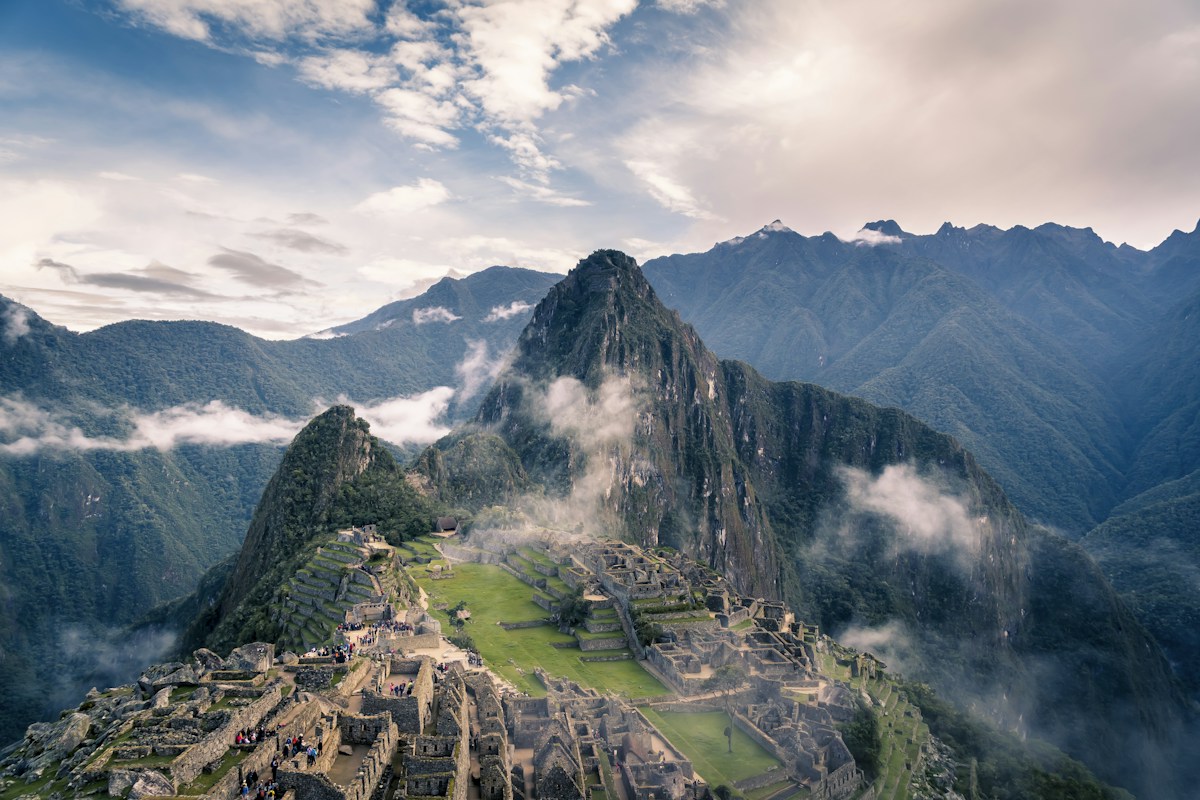
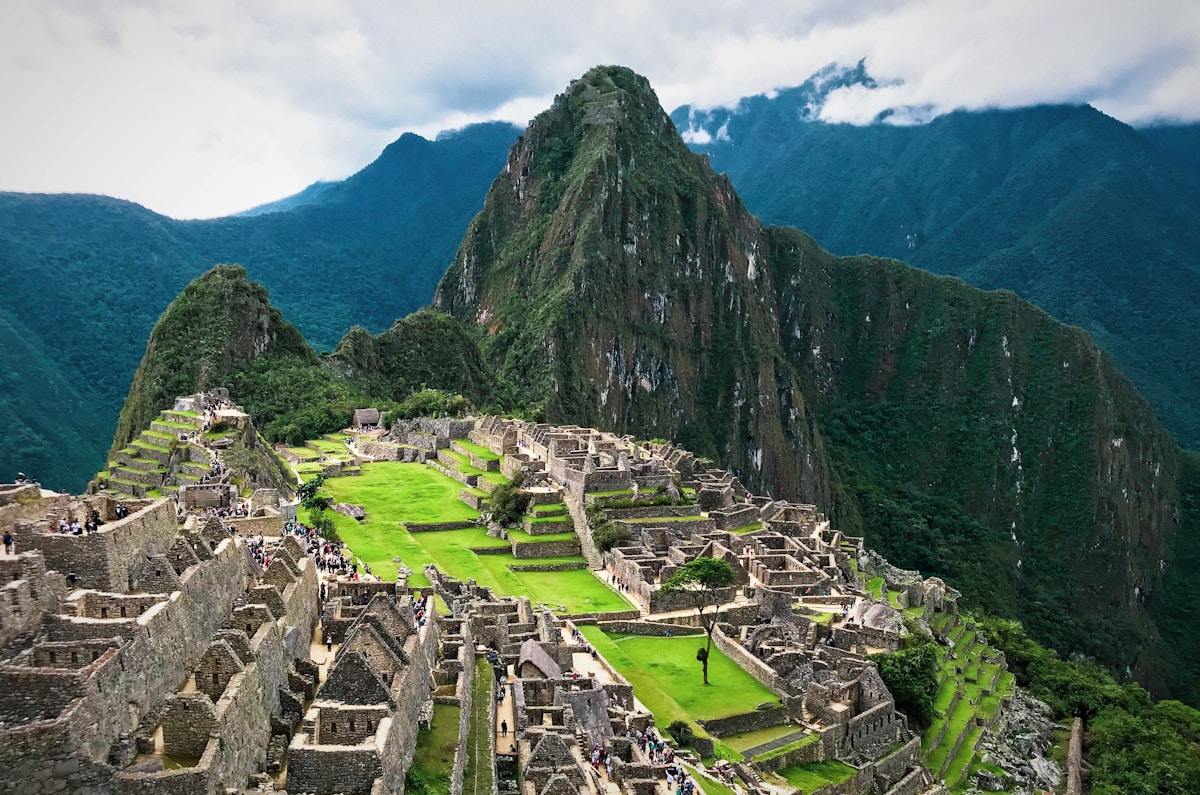
At 3,400 metres above sea level in the Andean highlands, Cusco is the gateway to Machu Picchu (90 minutes by train), the Sacred Valley (45 minutes by road), Rainbow Mountain (2 hours), and the Amazon headwaters (8 hours by road to Puerto Maldonado). But Cusco itself — with its Plaza de Armas, colonial convents, vibrant San Pedro Market, and remarkable collection of Inca-foundation restaurants and hotels — rewards several days of unhurried exploration.
Altitude & Acclimatisation
Cusco sits at 3,399 metres — altitude sickness (soroche) affects most visitors in the first 24–48 hours. Symptoms: headache, fatigue, nausea, shortness of breath. Essential protocol:
- Rest on arrival: Do not hike or exert yourself on day one
- Coca tea (mate de coca): Available everywhere in Cusco — the traditional Andean remedy; genuinely effective for mild symptoms
- Hydration: Drink 3–4 litres of water daily at altitude
- Acetazolamide (Diamox): Prescription medication that accelerates acclimatisation; consult your doctor before departure
- Ascend gradually: If coming from sea level, consider one night in Ollantaytambo (2,792m) or Urubamba (2,863m) in the Sacred Valley before ascending to Cusco
The CDC Travel Health advice for Peru provides current altitude sickness guidance.
Best Luxury Hotels in Cusco
Belmond Hotel Monasterio — **Editor's Pick**
The finest hotel in Cusco and one of the most extraordinary historic hotels in the Americas. The Monasterio occupies a 16th-century Augustinian monastery built on the foundations of the Inca palace of Amaru Qhala — the Inca stonework is visible in the courtyard walls and throughout the lower floors. The monastery's baroque chapel contains original 17th-century paintings from the Cusqueño school (the most important colonial art tradition in the Americas).
The oxygen: Belmond's most famous innovation — enriched oxygen piped to all rooms (30% above ambient levels) to counteract altitude effects. The difference is noticeable: guests wake without the headaches that afflict visitors in standard hotels. A genuine luxury at 3,400 metres.
The cloister: The central courtyard — a 400-year-old cedar tree at its centre — is one of the most beautiful hotel spaces in South America. The baroque arches, colonial tilework, and carved stonework are immaculate.
Dining: Illariy restaurant serves contemporary Peruvian cuisine with Andean highland ingredients — quinoa, kiwicha, purple corn, and the extraordinary potato diversity of the highlands (over 3,000 varieties grown in the Cusco region).
Rates: €420–850/night. Direct booking at Belmond Hotel Monasterio.
Inkaterra La Casona, Cusco
The finest boutique hotel in Cusco — an 11-suite colonial mansion on the Plaza de las Nazarenas, one of the city's most beautiful squares, a 3-minute walk from the Plaza de Armas. La Casona was built in the 16th century on Inca foundations; the conversion preserves the original vaulted stone ceilings, hand-carved wooden balconies, and carved doorways while adding contemporary Peruvian craft details in each suite.
The Inkaterra philosophy: Inkaterra is Peru's leading eco-luxury brand — operating also at Machu Picchu Pueblo and in the Amazon. The company funds significant conservation and reforestation programmes across Peru. Guests at La Casona can arrange visits to Inkaterra's agricultural terraces in the Sacred Valley.
Rates: €380–680/night. Inkaterra La Casona.
Palacio del Inca (Luxury Collection), Cusco
The most centrally located luxury hotel — directly on the Plaza de Armas, in a building with documented history from the 16th century, housing the Marriott Luxury Collection's Cusco flagship. The 203 rooms vary significantly in character; the colonial-wing rooms with Inca foundation walls and original timber ceilings are the most atmospheric.
Best rooms: The Superior Colonial rooms in the original building — stone walls, colonial furniture, Plaza de Armas views from the balcony.
Rates: €280–480/night.
Casa Cartagena Boutique Hotel, Cusco
A smaller boutique alternative — 16 suites in a converted 16th-century colonial mansion in the San Blas neighbourhood, Cusco's most authentic artisan quarter. The climb to San Blas (an extra 50 metres of altitude above the Plaza de Armas) is challenging on arrival day but rewards with neighbourhood character that the centre lacks: ceramic workshops, weavers, and the finest view of the city from the San Blas Church plaza.
Rates: €250–420/night. Casa Cartagena.
Cusco Essential Experiences
Qorikancha (Temple of the Sun): The most important temple in the Inca Empire — the walls were once lined with 700 sheets of solid gold. The Spanish built the Church of Santo Domingo directly on top of the Inca foundation; the 1950 earthquake collapsed much of the colonial structure and revealed the Inca stonework underneath. The juxtaposition is extraordinary. Managed by Ministerio de Cultura Perú.
San Blas Quarter: The hillside artisan neighbourhood above the Plaza de Armas — cobbled alleys, Inca walls, master woodcarvers, and textile workshops. The San Blas Church contains one of the most ornate carved pulpits in the Americas (17th century, carved from a single cedar trunk).
San Pedro Market: Cusco's central food market — chicharrón stalls, fresh ceviche, the extraordinary potato and corn varieties of the highlands, herbal medicine sellers, and the city's best juices. Go before 10am.
Sacsayhuamán: The massive Inca ceremonial complex above the city — three zigzag terraces of limestone blocks weighing up to 125 tonnes each, fitted without mortar. The views over Cusco from the ramparts are extraordinary. 20-minute uphill walk from the Plaza de Armas or taxi (S/5).
Day Trip to Sacred Valley: Pisac market (Tuesdays, Thursdays, Sundays) and ruins, Ollantaytambo fortress, Moray circular terraces, and the Maras salt evaporation ponds — all reachable in one day with a private driver (USD 80–120).
Cusco Practical Information
Getting there: Alejandro Velasco Astete Airport (CUZ) in Cusco is served from Lima (1.5 hrs, 8+ daily flights via LATAM, Avianca, Sky Airline). Most international travellers fly Lima first, then connect. There are no direct international flights to Cusco.
Altitude: 3,399 metres. Build in 24–48 hours of rest on arrival. Most luxury hotels offer oxygen enrichment — confirm when booking.
Best time: May–October (dry season) for clear skies, good hiking conditions, and the Inti Raymi festival (June 24 — the Inca Festival of the Sun, spectacular). November–April is the wet season — lush green landscapes, fewer tourists, some trail closures.
Currency: Peruvian Sol (PEN). USD widely accepted at hotels. ATMs available throughout the city.
*More Peru luxury guides:* Best luxury hotels Lima 2026 | Best luxury hotels Machu Picchu 2026 | Best luxury Amazon river cruises 2026
Filed under: