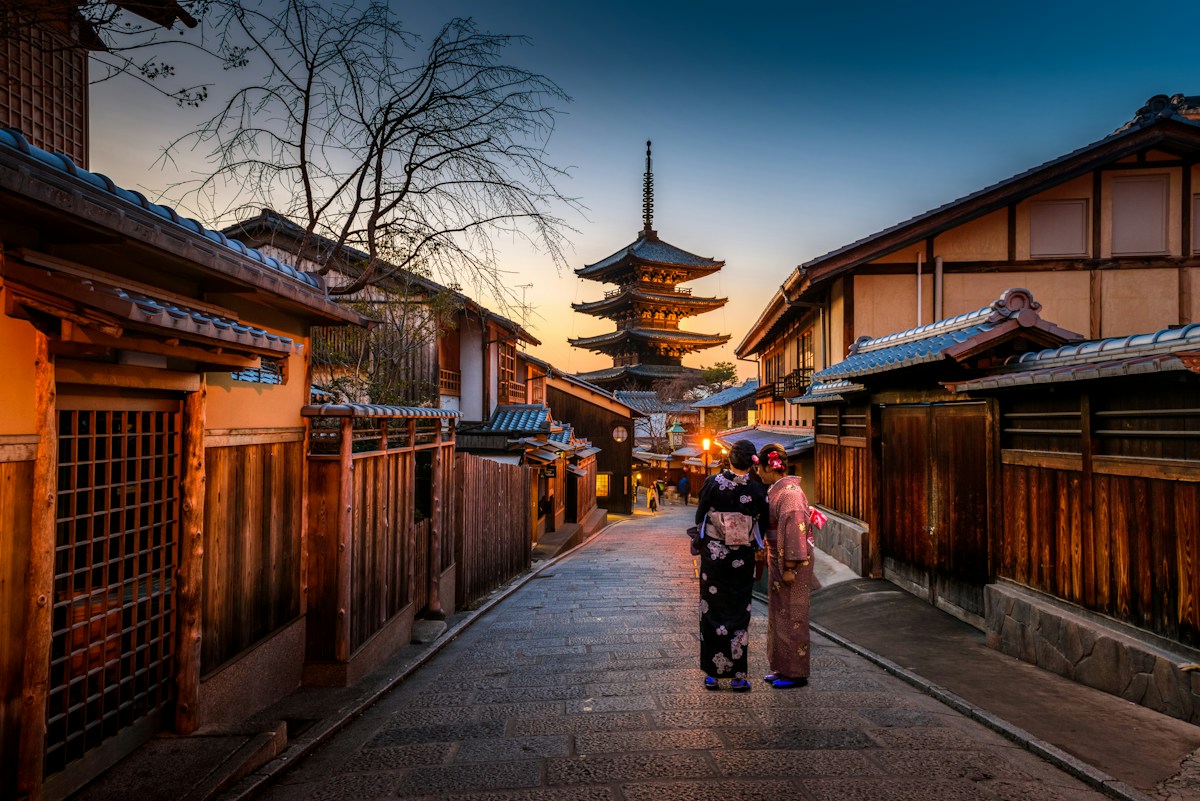
From Higashiyama historic district machiya to Fushimi waterfront ryokan and contemporary design hotels — the finest places to stay in Kyoto for 2026.
Kyoto: Japan's Capital of Refined Luxury
Kyoto served as Japan's imperial capital for over 1,000 years — and despite ceding political primacy to Tokyo in 1869, has never relinquished its cultural and spiritual authority. The city of 1.5 million holds 17 UNESCO World Heritage Sites (UNESCO), more Michelin-starred restaurants per capita than any city outside Japan's major urban centres, and a luxury hospitality tradition — the ryokan (traditional inn) — that predates the European hotel concept by centuries. Kyoto City Tourism reports over 50 million annual visitor-nights, peaking during cherry blossom (late March–early April) and autumn foliage (mid-November). Booking luxury accommodation 3–6 months ahead for these periods is not optional — it is essential.
The Best Luxury Hotels in Kyoto
1. Aman Kyoto
Location: Okitayama, Northern Higashiyama | Price: From ¥200,000/night (~€1,200)
Aman's Kyoto property — opened 2019 — occupies a secret garden in the northern reaches of the Higashiyama mountains, accessed via a private lantern-lit stone path. 26 pavilion suites set among 3,200-year-old camphor trees and traditional moss garden; each suite has a private outdoor bath (rotenburo). The restaurant serves contemporary kaiseki cuisine using Kyoto's extraordinary market ingredients (nishiki-ichi market is the city's culinary benchmark). The garden — designed by Kerry Hill Architects to appear entirely natural — is one of the world's great hotel landscapes. Aman brings its signature ultra-privacy ethos to Japan's most culturally significant city. Closeness to Kinkaku-ji (Golden Pavilion) and Ryoan-ji (karesansui rock garden) is exceptional.
Best for: Guests for whom price is not a constraint; absolute privacy; moss garden and forest immersion; rotenburo outdoor bathing; golden pavilion proximity; the definitive Aman Japan experience
2. The Ritz-Carlton Kyoto
Location: Nakagawa-cho, Nakagyō (Kamogawa riverfront) | Price: From ¥80,000/night (~€480)
The Ritz-Carlton Kyoto — opened 2014 on the Kamogawa River — occupies a purpose-built property that successfully integrates contemporary luxury with traditional Kyoto aesthetic principles: shoji screens, engawa verandas, and washi paper light fittings throughout. 134 rooms; the Kamogawa-facing rooms deliver the quintessential Kyoto waterscape — the river below, the Higashiyama mountains beyond. Mizuki (Japanese cuisine, refined kaiseki-influenced menus), The Bar (excellent Japanese whisky programme), and La Locanda (Italian) form the hotel's diverse food and beverage offer. The outdoor pool (seasonal) overlooks the Kamogawa. Ritz-Carlton STARS benefits apply.
Best for: Families (Ritz-Carlton Kids Club, larger rooms); Kamogawa river view rooms; guests who want international service standards with strong Japanese aesthetic integration; Japanese whisky bar; pool access
3. SOWAKA (Higashiyama)
Location: Nishi-iru, Furumonzen-dori, Higashiyama | Price: From ¥60,000/night (~€360)
A 2020 conversion of a Meiji-era townhouse complex in the Higashiyama historic preservation district — SOWAKA consists of 24 rooms across multiple traditional machiya (town house) buildings connected by garden pathways. The location is extraordinary: 50 metres from Shoren-in (Blue Heron Temple, 800-year-old camphor trees), 400 metres from the Gion geisha district, and within the district where Kyoto's ancient street pattern survives intact. The in-house restaurant Ohara serves contemporary Kyoto cuisine (kyo-ryori). Preferred Hotels & Resorts member.
Best for: Higashiyama neighbourhood immersion; guests who want to walk to Gion, Kiyomizudera, and Ninen-zaka from the hotel door; machiya (traditional townhouse) architectural experience; intimate scale; moderate luxury price point relative to Aman
4. Tawaraya Ryokan
Location: Fuyacho-Oike, Nakagyō | Price: From ¥80,000/night (~€480) per person
The definitive traditional Japanese ryokan experience — Tawaraya has operated continuously since 1716 and is recognised as Japan's finest inn by virtually every authority that rates such things. 18 rooms only (all traditional tatami-mat, futon sleeping, private garden); meals served in-room (kaiseki dinner, Japanese breakfast). Guests who have stayed include Steve Jobs, the Rolling Stones, and multiple Japanese prime ministers. There is no lobby, no gym, no pool — only one of the world's most refined hospitality experiences, unchanged in essential character for 300 years. Reservations via travel agent or direct email only; not bookable through OTA channels. Japan Ryokan & Hotel Association provides context on the ryokan tradition.
Best for: Once-in-a-lifetime ryokan experience; guests who have researched traditional Japanese hospitality; kaiseki cuisine in-room; tatami sleeping culture; Nishiki Market proximity (5-minute walk)
5. Hotel The Mitsui Kyoto
Location: Nijojo-mae, Nakagyō | Price: From ¥70,000/night (~€420)
Opened 2020 on the grounds of the former Mitsui family estate — a 164-room property combining contemporary architecture by Kengo Kuma (Japan's most celebrated living architect) with historic garden elements from the original estate. The spa and outdoor onsen pool deliver a genuine Japanese hot spring experience within the city. SENTO & Spa is Kyoto's finest hotel wellness facility. Nijo Castle — a UNESCO World Heritage Site — is immediately adjacent, providing the most extraordinary hotel neighbour in the city. The Japanese and Western restaurant options both deliver Michelin-quality menus. Hyatt loyalty benefits apply via the Hyatt affiliation.
Best for: Kengo Kuma architecture enthusiasts; Nijo Castle proximity; onsen pool experience; spa guests; Hyatt loyalty members; guests who want new construction with genuine Japanese design integrity
Kyoto's Luxury Hotel Neighbourhoods
| Neighbourhood | Character | Key Proximity |
|---|---|---|
| Higashiyama | Historic, preserved streetscape | Kiyomizudera, Ninen-zaka, Gion, Shoren-in |
| Gion | Geisha district, teahouses | Hanamikoji Street, Yasaka Shrine, kabuki at Minamiza |
| Nakagyō (Central) | Hotels, Nishiki Market | Nijo Castle, Nishiki ichiba, Kamogawa river |
| Arashiyama | Bamboo grove, temples | Tenryu-ji, bamboo forest, Togetsukyo Bridge, monkey park |
| Northern Higashiyama | Mountain temples, Aman | Kinkaku-ji, Ryoan-ji, Ninna-ji, quiet forest |
| Fushimi | Southern, Inari shrine | Fushimi Inari (10,000 torii gates), sake breweries |
Kyoto Dining Scene
Kyoto holds 96 Michelin stars (2026) across the city and greater Kyoto prefecture — the highest starred restaurant density of any city relative to population in the world. Kikunoi Honten (3 stars, Chef Murata Yoshihiro — the definitive kaiseki tasting menu experience), Kichisen (3 stars — reserve a year ahead), and Nakamura (300-year-old kaiseki institution) represent the pinnacle. Michelin Guide Kyoto Osaka Kobe Nara publishes the full Kyoto list. Nishiki Market (the "Kyoto Kitchen") — a 400-metre covered shopping street with 130 stalls selling tofu, pickles, matcha, and seasonal vegetables — is essential for food culture immersion. Kyoto Nishiki Market provides stall and seasonal information.
Getting to Kyoto
Kyoto Station (JR): Kyoto's primary arrival point — no airport serves the city directly. From Osaka Itami Airport (ITM): Airport Limousine Bus — 75 minutes, ¥2,800. From Kansai International Airport (KIX): Haruka Express — 75 minutes, ¥3,690. From Tokyo: Tokaido Shinkansen — 2h15, ¥13,320 (Nozomi). JR Pass covers the Shinkansen for international visitors — highly recommended for multi-city Japan itineraries. From Kyoto Station, the city's bus and subway system reaches all temple and hotel districts within 20–40 minutes.
Best Time to Visit Kyoto
| Season | Months | Notes |
|---|---|---|
| Cherry Blossom | Late Mar–early Apr | Japan's most celebrated event; book 6 months ahead; peak prices |
| Early Summer | May–Jun | Green season; fewer crowds; beautiful temple gardens |
| Summer | Jul–Aug | Gion Matsuri festival (July); humid (35°C+); traditional events |
| Autumn Foliage | Mid-Nov | Second peak season; maple colours; book 3–6 months ahead |
| Winter | Dec–Feb | Snow on temples (Kinkaku-ji in snow is iconic); lowest rates; quiet |
Best value months: May–June and January–February offer Kyoto's best combination of cultural access, manageable crowds, and hotel availability. Japan Meteorological Agency provides seasonal forecasts. Cherry blossom timing varies by ±2 weeks annually — Weathernews Cherry Blossom Forecast tracks bloom progression in real time.
*More Japan luxury hotel guides:* Best luxury ryokan Japan Kyoto Hakone 2026 | Best luxury hotels Tokyo Japan 2026 | Best luxury hotels Singapore 2026
Filed under: