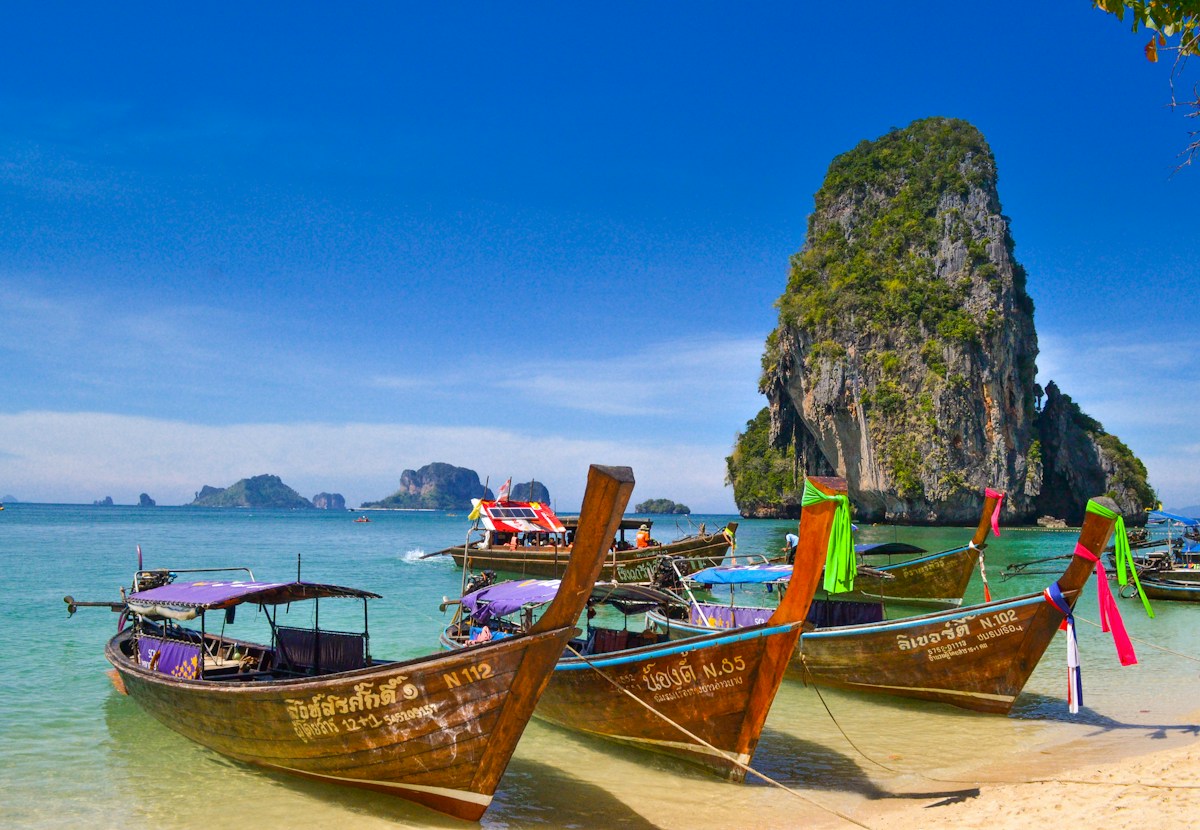
Sri Lanka's luxury scene spans colonial forts, ancient rock citadels, elephant-filled national parks, and endless Indian Ocean coastline. Amanwella, Cape Weligama, and Ceylon Tea Trails define the island's finest addresses.
Sri Lanka is the Indian Ocean's most diverse island — a country the size of Ireland that contains ancient royal capitals (Anuradhapura, 3rd century BCE; Polonnaruwa, 12th century CE; Kandy, the last Buddhist kingdom — all UNESCO World Heritage), the world's most spectacular rock fortress (Sigiriya — a 5th-century palace on a 200m vertical granite monolith), 26 national parks including Yala (the world's highest leopard density per square kilometre), and an extraordinary tea-growing landscape (the central highlands produce the finest high-grown Ceylon tea at elevations of 1,800m, with morning mist and colonial bungalows preserved from the British plantation era). The luxury hotel scene is led by three Aman properties (Amanwella, Amangalla, Amangiri) and a growing number of boutique properties that rival the best in Southeast Asia.
Why Sri Lanka for Luxury Travel?
Sri Lanka's post-civil war tourism recovery (the 26-year conflict ended in 2009) has produced a hospitality infrastructure that combines the refinement of established destinations with the authenticity of a country still discovering its tourism identity. Prices remain 30–40% below comparable Thai or Balinese luxury. The cultural circuit (Colombo → Negombo → Sigiriya → Dambulla → Kandy → Nuwara Eliya tea country → Ella → Yala → Galle) constitutes one of the world's great two-week travel itineraries, combining ancient civilisations, wildlife, landscape, and beach in a logical circuit. The cuisine — rice and curry (the daily staple, its complexity determined by the number of curries accompanying the rice; a luxury hotel lunch might include 12 separate preparations), hoppers (bowl-shaped fermented rice flour pancakes), kottu (chopped roti stir-fried with vegetables and egg), and the coconut sambol variations — is one of Asia's most underrated culinary traditions.
The 5 Best Luxury Hotels in Sri Lanka 2026
1. Amanwella
Location: Tangalle Beach, South Coast | Price: From €700/night
The finest hotel in Sri Lanka and one of the great Aman properties worldwide — Amanwella's 30 pool suites on Tangalle's wild beach (a 2km arc of golden sand backed by coconut palms, with no development beyond the Aman property) deliver the Aman signature: generous space (each suite is 120+ sq metres), complete privacy (no other guests visible from any suite terrace), an 80m infinity pool facing the Indian Ocean, and the marine environment of the South Coast's reef system. The restaurant (the finest in the Tangalle region) serves Sri Lankan and international cuisine using local seafood; the diving and snorkelling from the beach accesses the reef at 5–20m depth year-round. Aman applies its full standard. The turtle nesting season (November–March) brings olive ridley and leatherback turtles to the beach.
Best for: Aman devotees; guests who want the finest beach in southern Sri Lanka (Tangalle is less developed than Unawatuna or Mirissa); turtle nesting season; complete privacy; Indian Ocean diving and snorkelling
2. Cape Weligama
Location: Weligama Bay, South Coast | Price: From €500/night
The most dramatic hotel setting in Sri Lanka — Cape Weligama's 39 suites and villas are distributed across a private cape (a rocky headland projecting into Weligama Bay) with 180° Indian Ocean views from every room, a clifftop infinity pool, and the extraordinary Taprobane Island visible from the breakfast terrace (a privately owned island 200m offshore, once owned by Count de Mauny, the inspiration for Paul Bowles's *Without Stopping*). The restaurant serves Sri Lankan coastal cuisine — fresh lagoon crab, southern fish curry, coconut sambol, and hoppers prepared at the table. Cape Weligama is independently owned. The Weligama Bay location provides easy access to both surf (Weligama is Sri Lanka's most accessible beginner surf break) and the Mirissa whale watching (blue whales, year-round, 30 minutes east).
Best for: The most dramatic coastal hotel setting in Sri Lanka (cape + 180° ocean views); blue whale watching from Mirissa (30 minutes); surfing at Weligama Bay; Taprobane Island views; couples and honeymooners; the finest southern coastal cuisine
3. Amangalla
Location: Galle Fort, South Coast | Price: From €600/night
The most atmospheric heritage hotel in Sri Lanka and the finest hotel within a UNESCO World Heritage site — Amangalla occupies the 1684 Dutch colonial building (originally the Dutch Governor's residence, later the Grand Oriental Hotel — the oldest hotel in Sri Lanka) inside the Galle Fort, a 36-hectare Dutch colonial fortification on a promontory above the Indian Ocean. The fort walls (intact since 1663, manned by Portuguese, Dutch, and British in succession) enclose a perfectly preserved colonial town of Dutch gabled buildings, churches, mosques, and residential streets unchanged since the 18th century. The 30 rooms maintain Dutch colonial aesthetics (teak floors, four-poster beds, colonial antiques) without modernising the architecture. Aman manages the property. The Galle Fort evening walk (when the local community uses the ramparts as a promenade at sunset) is the most civilised public space in Sri Lanka.
Best for: Heritage and colonial architecture travellers; Aman devotees; guests combining beach (Amanwella, 45 minutes east) with Galle Fort cultural immersion; the Dutch colonial building (1684 — the oldest Aman property in Asia); the rampart sunset walk; Sri Lanka's most atmospheric urban setting
4. Ceylon Tea Trails
Location: Hatton, Dimbula Tea Country | Price: From €600/night (all-inclusive, 4 bungalows)
The most unique accommodation in Sri Lanka and one of the world's great historic hotel experiences — Ceylon Tea Trails operates four British colonial tea plantation bungalows (built 1890–1920 for the estate superintendents, the "Planter's Bungalows" of the British tea era) on working tea estates in the Dimbula tea region at 1,500m elevation. Each bungalow sleeps 6–10 guests exclusively (the entire bungalow is booked as a unit — no shared accommodation) with a dedicated butler, cook, and housekeeper. The all-inclusive rate covers all meals (silver service, using the estates' own tea throughout), estate walks, tea factory tours, and a boatman on Castlereagh Reservoir (the most beautiful body of water in the Sri Lanka hill country). Ceylon Tea Trails is independently Sri Lankan-owned. The tea-picking season (year-round — Sri Lanka is one of very few tea-producing countries with no distinct plucking season) allows guests to pick, wither, roll, and fire their own tea leaves with the estate's master taster.
Best for: Groups booking an entire bungalow (6–10 guests — perfect for families or friend groups); the most historically authentic British colonial bungalow experience in Asia; tea-making with the master taster; the Dimbula tea country landscape (mist, rolling hills, tea bushes to the horizon); guests combining Sri Lanka's Cultural Triangle with hill country before the coast
5. Wild Coast Tented Lodge — Yala
Location: Yala National Park, South | Price: From €400/night (all-inclusive)
The finest safari lodge in Sri Lanka and the gateway to the world's highest leopard density — Wild Coast Tented Lodge's 30 tented suites on the Yala National Park boundary (the Palatupana area, the least-visited section of Yala's vast reserve) deliver direct leopard, elephant, and sloth bear access from an Indian Ocean beach camp — the only tented lodge in Asia where guests can watch wildlife on the park boundary and swim in the Indian Ocean on the same property. The tents (circular, 70 sq metres, elevated on wooden platforms) face the Indian Ocean; the wildlife drives enter Yala through the private gate. Wild Coast is independently owned. Sri Lankan leopard sightings in Yala Block 1 (the main circuit) average 2–3 per day during dry season (May–September) — a sighting frequency unavailable anywhere else in Asia.
Best for: Wildlife enthusiasts (the highest leopard density per sq km in the world; Yala also has sloth bears, elephants, crocodiles, and 250+ bird species); the unique combination of wildlife + Indian Ocean beach; guests combining the south coast circuit with Yala (Amanwella → Wild Coast → Galle circuit); families (child-friendly tented format)
Sri Lanka Experience Guide
| Experience | Location | Notes |
|---|---|---|
| Sigiriya Rock Fortress | Cultural Triangle | 5th-century palace on 200m rock; frescoes; lion staircase |
| Yala Leopard Safari | South Coast | World's highest leopard density; May–Sep best |
| Kandy Temple of the Tooth | Kandy | Buddha's tooth relic; Esala Perahera (Jul–Aug festival) |
| Blue Whale Watching | Mirissa | Year-round; largest animals on Earth; 30+ seen per day |
| Tea Country Train | Kandy to Ella | Slowest most scenic train in Asia; 6-hour journey |
| Galle Fort Walk | Galle | UNESCO; Dutch colonial; rampart sunset; boutiques |
Sri Lanka Must-Experiences
- Sigiriya at Dawn: The Sigiriya rock fortress (5th century CE, built by King Kashyapa on a 200m granite inselberg that rises vertically from the surrounding jungle) is best climbed at 7am opening — the lion paws gateway, the mirror wall (covered in graffiti from visitors in 600–1400 CE — 700 years of visitors left their thoughts in verse), and the frescoes (18 surviving out of 500 original "cloud maidens" painted on the rock face) are experienced in golden light with minimal crowds. The summit palace ruins and the 360° view of the Sri Lankan jungle (with Pidurangala Rock visible 1km north — the alternative viewpoint for Sigiriya photographs) justify the 30-minute climb.
- Kandy to Ella Train: The 6-hour train journey from Kandy to Ella (or Badulla) through the Dimbula, Nuwara Eliya, and Uva tea estates is the most scenic train journey in Asia — the route passes through 46 tunnels, crosses 93 bridges, and runs through tea estates at 1,500–2,000m elevation, with the entire southern hill country visible on clear days. Book second-class reserved seats (the open windows allow photography; first class is air-conditioned and less atmospheric) through Sri Lanka Railways or the Bookaway platform 2–3 months ahead. The Demodara Loop (the track that crosses over itself in a loop — the only such civil engineering feat in Asia) occurs 15 minutes before Ella.
- Mirissa Blue Whale Watching: The waters off Mirissa (on the south coast, 130km from Colombo) contain one of the world's largest concentrations of blue whales (Balaenoptera musculus — the largest animal in Earth's history, up to 30m and 150 tonnes). Year-round sightings (peak season November–April) with sperm whales, spinner dolphins, and Bryde's whales as by-catch. Whale Watch Sri Lanka operates the most responsible boats (maintaining minimum distances and maximum time limits). The size of blue whales — incomprehensible until you see the full body length from a boat — is the defining marine wildlife encounter in Sri Lanka.
- Colombo Food Tour: The Pettah market district of Colombo — a grid of streets specialising in single commodities (spice street, fabric street, electronics street, Hindu temple street) connecting to the covered Pettah Market — is the most intense sensory environment in Sri Lanka. The kottu being chopped on a flat griddle (the metallic chopping rhythm is the signature sound of Sri Lanka), the hoppers fresh from the iron wok, the pol sambol (freshly grated coconut with red onion, lime juice, and chilli) prepared at breakfast speed — are all accessible at the street food level for under LKR 200 (€0.50) per item. Colombo Food Tours guides the market and the Maradana district's best kottu vendors.
Getting to Sri Lanka
Bandaranaike International Airport (CMB): Colombo, west coast. Sri Lankan Airlines is the national carrier. Direct flights from: London Heathrow (10h30m, Sri Lankan/British Airways), Dubai (4h, Emirates), Singapore (3h30m, Singapore Airlines), Kuala Lumpur (3h30m, AirAsia), Mumbai (2h30m). The airport is 35km north of Colombo city (45 minutes by expressway); the Galle face hotels are a further 15 minutes from the city. Galle Fort is 2.5 hours south by expressway from the airport — a direct transfer without Colombo city is recommended for guests beginning with the south coast.
Best Time to Visit Sri Lanka
Sri Lanka's two monsoon systems (the southwest monsoon June–October, and the northeast monsoon December–February) create distinct regional seasonality — the country has no single "best time" that applies everywhere:
| Region | Best Months | Avoid |
|---|---|---|
| West & South Coast (Galle, Weligama) | Nov–Apr | May–Sep (SW monsoon) |
| East Coast (Trincomalee, Arugam Bay) | May–Sep | Oct–Jan (NE monsoon) |
| Cultural Triangle (Sigiriya, Kandy) | Year-round | Apr–May heaviest rain |
| Hill Country (Tea Trails, Ella) | Jan–Apr, Jul–Sep | SW monsoon heaviest May–Jun |
| Yala (Leopard Safari) | May–Sep (dry season) | Oct–Jan (park partially closes) |
*More South & Southeast Asia luxury guides:* Best luxury hotels Bali 2026 | Best luxury hotels Maldives 2026 | Best luxury hotels Vietnam 2026
Filed under: