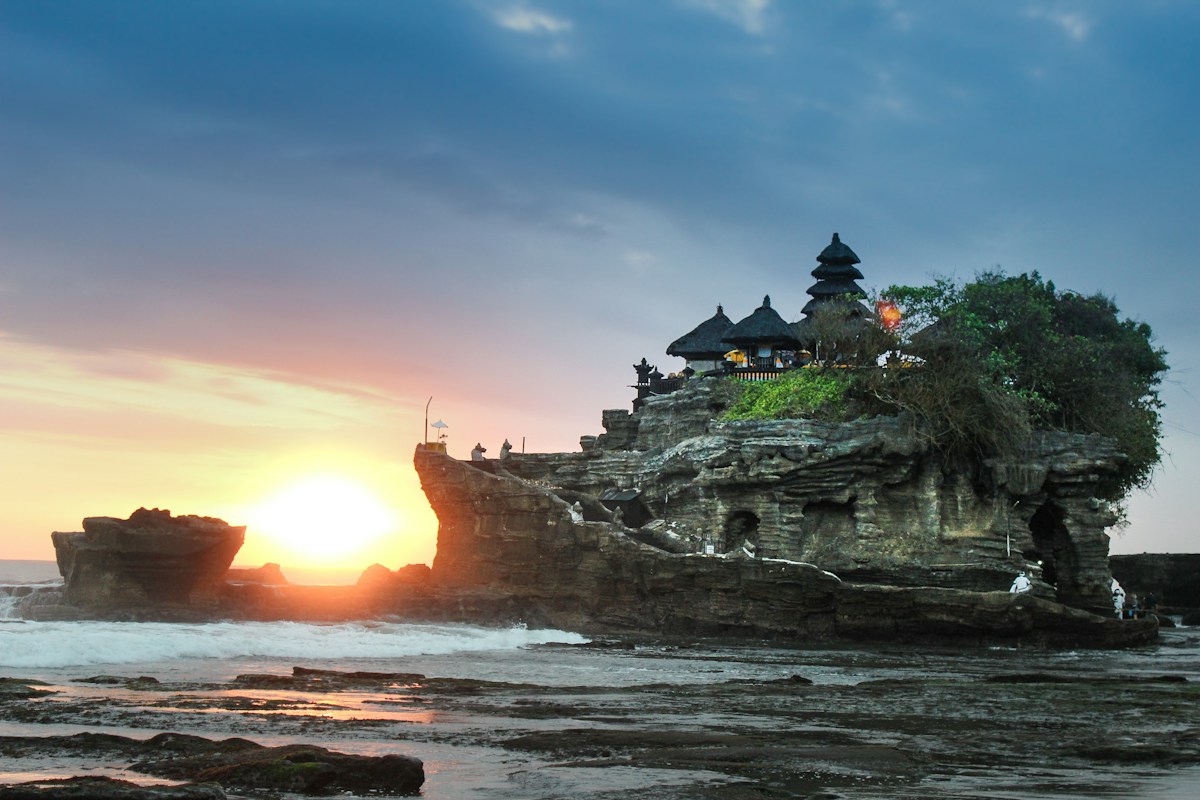
The Batanes Islands — the northernmost province of the Philippines, closer to Taiwan than Manila — are among Southeast Asia's most dramatic and culturally distinct destinations. Rolling green hills, ancient Ivatan stone houses, towering Pacific cliffs, and a UNESCO World Heritage nomination make Batanes a bucket-list Philippine experience.
# Best Luxury Resorts in the Batanes Islands, Philippines 2026
The Batanes Islands sit at the northern tip of the Philippine archipelago — 162 km south of Taiwan, 400 km north of Luzon, buffeted by both the Pacific Ocean and the South China Sea. The northernmost island, Y'ami, is the northernmost point of the Philippines. The Batanes group comprises 10 islands; only three are inhabited: Batan (the main island with the capital Basco), Sabtang, and Itbayat.
The Ivatan people who inhabit Batanes are culturally and linguistically distinct from other Philippine groups — closer in some ways to the indigenous Taiwanese Austronesian peoples with whom they share ancient trade routes. Their architecture is unique in Southeast Asia: the *vakul* (traditional grass raincoat) and *rawis* (woven cap) are worn against the island's fierce typhoon winds, and their limestone and cogon-grass stone houses — *sinadumparan* — are built to withstand Pacific typhoons with walls 60–90 cm thick.
This is the Philippines' most remote and least touristed province — and arguably its most beautiful.
Why Choose Batanes?
- UNESCO World Heritage nomination — Ivatan cultural landscape is a candidate for inscription
- Unique Ivatan culture — ancient stone architecture, distinctive language, living typhoon-resistant traditions
- Dramatic Pacific and South China Sea coastlines — towering cliffs, sea arches, and rolling green hills unlike anywhere in the Philippines
- Extreme seclusion — only 20,000 residents; tourist infrastructure deliberately limited
- Lighthouse and lighthouse-keeper culture — Naidi Hills Lighthouse is one of the Philippines' most photographed landmarks
Top Luxury Stays in Batanes
1. Batanes Resort — Basco
The most established resort on Batan Island, Batanes Resort sits on a rise above Basco with views across the straits. 22 rooms in Ivatan-influenced design — thick stone-effect walls, cogon-grass roof elements, local hardwood furniture. The resort is the base for the island's only accredited guide team who run the circuit of Batan's key landmarks: Naidi Hills Lighthouse, Marlboro Country (rolling hills overlooking Basco Bay), Valugan Boulder Beach, and the Basco town Heritage Village.
Highlights: 22 rooms, Ivatan design, accredited guide team, Basco Bay views, landmark circuit access
Best for: First-time Batanes visitors, couples, travelers wanting organized cultural immersion
2. Rakuh-a-Payaman (Marlboro Country) Eco Camp
In the hills above Batan's west coast — the elevated grassland that social media has dubbed "Marlboro Country" for its resemblance to old cigarette advertisements — this eco camp of 8 tent-bungalows offers the most dramatic setting on the island. Guests sleep in the rolling hills with Pacific Ocean views on three sides; the Milky Way is visible on clear nights with zero light pollution. A local Ivatan family manages the camp and prepares traditional meals: *uvud balls* (dried flying fish rissoles), *uved* (taro bread), and *minanok* (Ivatan chicken stew).
Highlights: 8 tent-bungalows, Marlboro Country hilltop, Pacific Ocean panoramas, zero light pollution, Ivatan cuisine
Best for: Photographers, nature lovers, adventurous couples, stargazers
3. Fundacion Pacita — Sabtang Island
The most celebrated boutique stay in all of Batanes, Fundacion Pacita occupies the former home of artist Pacita Abad on Sabtang Island — accessible only by the traditional *falowa* wooden boat from Batan (30 minutes, weather permitting). The foundation has preserved Abad's art studio and installed a collection of her boldly patterned *trapunto* paintings throughout the property. 10 rooms in a restored Ivatan compound with a clifftop garden overlooking the sea. Sabtang's traditional villages (Chavayan, Savidug) are the best-preserved Ivatan stone house settlements in the archipelago.
Highlights: Artist's home, Pacita Abad collection, 10 rooms, Sabtang Island exclusivity, Chavayan/Savidug village access, cliff garden
Best for: Art lovers, cultural travelers, those wanting the most authentic Ivatan experience
4. Villa Hontomin — Batan Island
A family-run guesthouse of 10 rooms in Basco town, Villa Hontomin is managed by the Hontomin family — one of the oldest Ivatan clans on Batan. The patriarch, Mang Elias, is a retired Ivatan fisherman and guide who has documented 45 years of changing weather patterns in the Bashi Channel. His spoken history of the island — the Japanese occupation, the typhoons, the vanishing traditional fishing boats — is an extraordinary oral history available over dinner.
Highlights: Ivatan family-run, oral history access, 10 rooms, Basco town location, authentic local meals
Best for: Cultural enthusiasts, writers, independent travelers
5. Basco Seaside Lodge
A newer boutique property on Basco's harbor front with 15 rooms and a rooftop bar overlooking the strait toward Itbayat Island. The lodge's owner is a Batanes-born architect who designed the building using traditional Ivatan construction principles: walls poured from lime mortar and volcanic stone, narrow windows facing the prevailing wind, and a low silhouette that has survived two typhoons without structural damage since opening in 2022.
Highlights: 15 rooms, harbor-front location, Itbayat strait views, Ivatan construction principles, rooftop bar
Best for: Design travelers, architecture enthusiasts, couples seeking dramatic sea views
The Ivatan Cultural Landscape
Sabtang Island Villages: Chavayan and Savidug are the best-preserved Ivatan stone house clusters — villages where 16th–18th century *sinadumparan* stone houses (walls 60–90 cm thick, cogon grass roofs) stand inhabited today. The falowa wooden sailing boats (rare traditional double-outriggers) are still built in Sabtang. Sabtang is accessible only by the traditional falowa from Ivana Port, Batan — a 30-minute crossing that is weather-dependent (often cancelled November–February).
Naidi Hills Lighthouse: Built in 1954, the white colonial-era lighthouse on Naidi Hill above Basco has become the symbol of Batanes — its silhouette against the South China Sea, with Mount Iraya volcano behind, is among the Philippines' most iconic landscapes.
Marlboro Country (Rakuh-a-Payaman): Rolling grass-covered hills on Batan's west coast, dotted with grazing cows against the Pacific horizon — a landscape of extraordinary beauty that resembles the Scottish Highlands more than any tropical island.
Valugan Boulder Beach: A black-sand beach covered in enormous volcanic boulders tumbled by Pacific waves over millennia — no swimming, but extraordinary visual drama.
Mount Iraya (1,009m): An active stratovolcano dominating northern Batan. The summit trekking (4–5 hours) is guided by DENR-accredited local guides and offers 360° views of the Batanes Islands, Taiwan's mountains, and — on exceptional days — Luzon's northern coast.
Getting to Batanes
By air from Manila: Philippine Airlines and SkyJet operate propeller aircraft to Basco Airport (BSO) — 1.5 hours flight. This is the only practical access route. Schedules are limited (2–4 weekly flights depending on season) and cancellations due to weather are frequent. Book both inbound and outbound flights with maximum flexibility in your dates.
Check Philippine Airlines for Batanes schedules — they are the most reliable operator on the route.
No ferry access: The Bashi Channel is one of the world's most dangerous straits. There is no commercial ferry service to Batanes.
Key planning note: Build 1–2 extra days on either side of your Batanes trip for weather-related flight cancellations. This is not optional — it is standard practice for Batanes travelers.
Visa: Philippines visa-free for 157 nationalities (30 days, extendable). Check Philippine Bureau of Immigration.
Practical Information
Currency: PHP. One ATM in Basco (BDO) — bring sufficient cash from Manila.
Language: Ivatan, Filipino, English.
Best time: March–May (calmest, clearest weather). June–October: typhoon season — flights frequently cancelled; not recommended for first-time visitors.
Climate: Subtropical, cooler than the rest of the Philippines — bring a light jacket even in summer.
Internet: Limited 4G in Basco; no coverage elsewhere on the islands.
External Resources
- UNESCO World Heritage — Batanes Cultural Landscape nomination — Heritage status and cultural significance
- Philippine Airlines — Batanes schedules — The primary carrier for Basco flights
- Philippine Bureau of Immigration — Visa and entry requirements
*More Philippines destination guides:* Best luxury resorts Panglao Island Bohol 2026 | Best luxury resorts Dumaguete & Apo Island 2026 | Best luxury resorts El Nido Palawan 2026
Filed under: