The Gili Islands and Lombok offer a slower, more romantic alternative to Bali — car-free islands, world-class snorkelling, and intimate luxury resorts perfect for honeymooners in 2026.
The Gili Islands — Gili Trawangan, Gili Meno, and Gili Air — are three small coral islands off the northwest coast of Lombok, collectively forming one of Southeast Asia's most popular island escapes. No motorised vehicles on any of the islands (horse carts and bicycles only), no nightclubs on Gili Meno and Gili Air, and some of the most accessible sea turtle snorkelling in Indonesia. For honeymooners and couples seeking island tranquillity, the Gili-Lombok combination is Indonesia's most romantic itinerary outside the Maldives.
The Gili Islands: Which Island?
Gili Trawangan (Gili T): The largest and most developed — beach bars, live music venues, sunset strips, and a growing selection of boutique luxury properties. The most social of the three islands. Best for: couples who want luxury with nightlife access.
Gili Meno: The smallest and most tranquil. No nightlife, minimal development, the best turtle snorkelling in the Gili group (the Turtle Sanctuary is based here), and the most intimate romantic atmosphere. Best for: honeymoons, couples who want complete quiet.
Gili Air: The middle ground — more character than Gili T (quieter, smaller), more facilities than Gili Meno. A growing luxury villa scene. Best for: active couples (yoga, diving, cycling) who want tranquillity without total isolation.
Top Luxury Resorts in the Gili Islands
1. Kelapa Luxury Villas (Gili Trawangan)
The gold standard of Gili Trawangan luxury — nine private pool villas on the island's quiet north coast, away from the main beach strip. Each villa is a fully private residence with a large garden, plunge pool, and outdoor dining sala.
Standout: The north coast location provides genuine quiet without sacrificing Gili T's dining and social options (15 minutes by bicycle from the main strip). The coral reef directly in front of the villas is snorkelable from the beach at any tide.
Rate range: USD 400–900/night
2. Desa Dunia Beda Beach Resort (Gili Trawangan)
A bohemian-luxury property on Gili T's quieter northeast coast — traditional Lombok architecture (bamboo, alang-alang grass thatch, volcanic stone) with a sophisticated spa program and direct beach access.
Standout: The resort's commitment to traditional Sasak (indigenous Lombok) architectural materials gives it a textural warmth that concrete-and-infinity-pool properties on the island lack. The spa uses traditional Sasak herbal medicine techniques.
Rate range: USD 200–500/night
3. Karma Reef (Gili Meno)
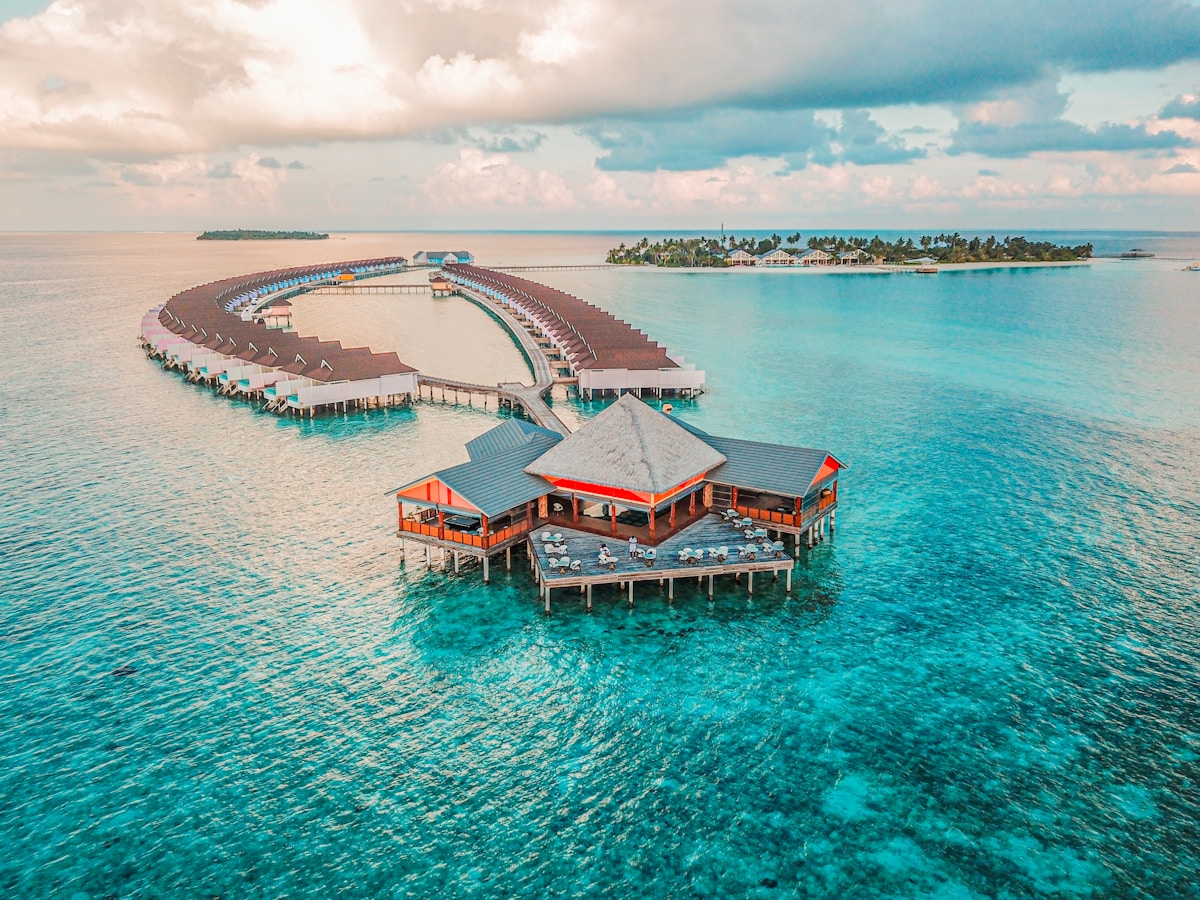
Gili Meno's most refined luxury property — 10 overwater bungalows built on stilts over the lagoon, plus a small number of beachfront villas. The overwater bungalows are genuine (not pontoon-style) — built on coral rubble foundations with glass floors.
Standout: Gili Meno's turtle sanctuary is a 5-minute snorkel from the Karma Reef jetty. Green and hawksbill turtles are reliably present year-round. The silence of Gili Meno at night — no nightclubs, no motor vehicles, just frogs and the ocean — is extraordinary.
Rate range: USD 300–700/night
4. Gili Lankanfushi (Gili Lankanfushi, off Gili T)
Technically not one of the main three Gili Islands — Gili Lankanfushi is a private coral island 10 minutes by boat from Gili Trawangan, operated as an exclusive resort property. Among the finest overwater villa resorts in Southeast Asia.
Room highlights: Overwater villas ranging from 340 sqm "Villa Suites" to the 1,800 sqm "Private Reserve" — a separate island within the island with its own pool, beach, staff villa, and dedicated boat. All villas are built on stilts over the lagoon with direct water access.
Standout: The "no news, no shoes" philosophy is genuine — barefoot living in an environment so private that even binoculars from passing boats can't penetrate the villa vegetation. The house reef around Gili Lankanfushi has been protected since the resort's opening; it is among the healthiest coral environments in the Gili area.
For sustainable resort practices and marine protection: Gili Lankanfushi
Rate range: USD 1,200–8,000/night
Lombok: Beyond the Gili Islands
Lombok itself — separated from the Gili Islands by a short boat ride — is a destination worth at least 2–3 days alongside the Gili islands. The island is larger and less developed than Bali, with the active volcano Gunung Rinjani (3,726m) dominating the north and the Kuta coast in the south offering wild, uncrowded surf beaches.
Amanjiwo (Gunung Rinjani Foothills)
Aman's Lombok property sits at the foot of Gunung Rinjani — a mountain retreat rather than a beach resort, with rice paddy and jungle views from every villa. The property is the departure point for Aman's private Rinjani trekking expeditions.
For: Couples and travellers who want to combine Gili island time with a mountain interlude — the contrast between the lagoon-blue Gilis and the volcanic highland of Rinjani is one of Indonesia's most compelling double acts.
Rate range: USD 1,500–4,000/night
Qunci Villas (Mangsit, North Lombok)
A boutique beachfront property on Mangsit Beach — Lombok's most beautiful north coast beach stretch, 20 minutes from the Lombok International Airport and 30 minutes from the Bangsal ferry pier for Gili islands.
Standout: The rice paddy views from the hilltop pool villas — with Gunung Rinjani visible above the treeline on clear mornings — combine the best of Lombok's landscape in a single vista.
Rate range: USD 180–450/night
Snorkelling & Diving
Gili Turtle Point (All Three Islands)
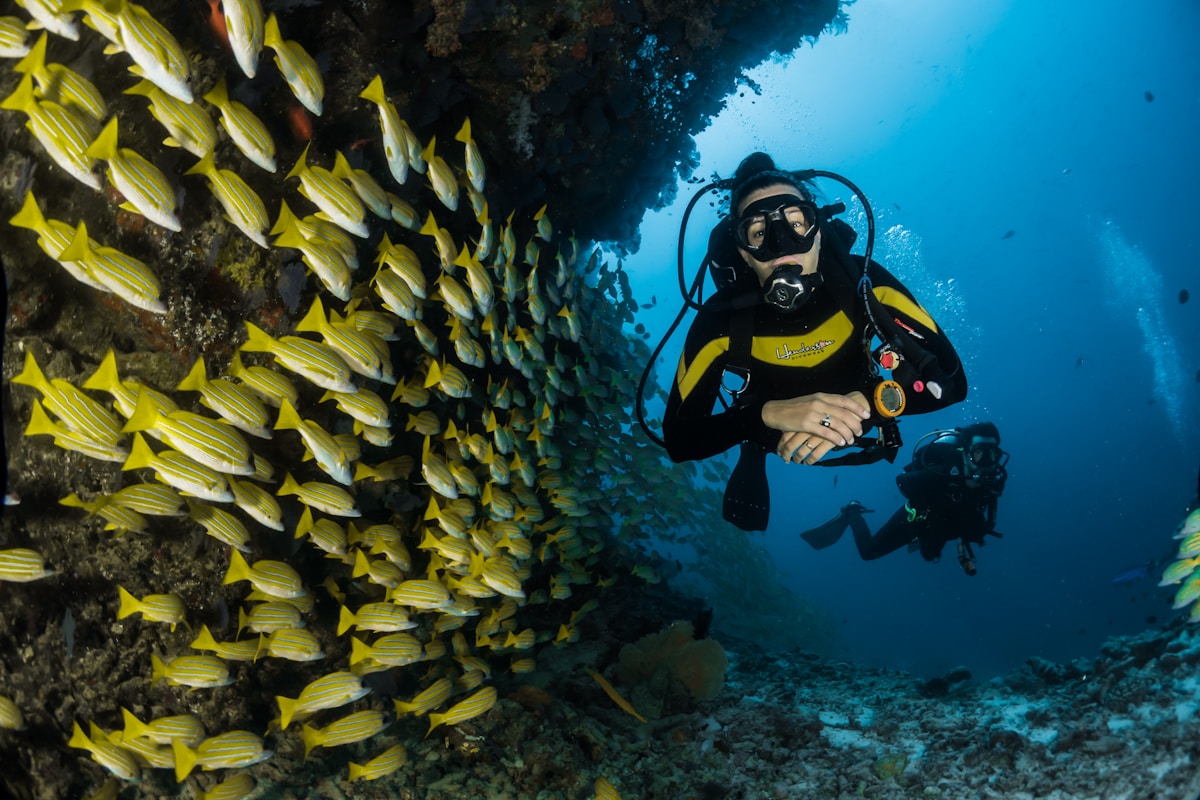
Sea turtles — green and hawksbill — are found year-round at snorkelling depth (2–6m) around all three Gili Islands. The highest density is consistently at Gili Meno's Turtle Sanctuary, where turtles gather at the resident artificial reef structures.
Shark Point (Gili Trawangan)
Whitetip reef sharks and blacktip reef sharks rest on the sandy bottom at 10–18m — approachable by experienced snorkellers at low tide. A reliable shark encounter at recreational depth is rare in Southeast Asia; Gili T's Shark Point is consistently cited as one of the region's best.
Biorock (Gili Trawangan)
An experimental coral restoration project using low-voltage electrical current to accelerate coral growth — the Biorock structures have become the most biodiverse snorkelling sites around Gili Trawangan. Visit for the conservation angle and the density of reef fish.
For dive site information and PADI certification: PADI
For Gili marine conservation: Gili Eco Trust
Getting to the Gili Islands
From Bali (most common route):
- Fast boat from Padang Bai (east Bali) to Gili Trawangan: 1h45m–2h15m. Eka Jaya, Scoot, and Blue Water Express operate multiple daily departures.
- Fast boat from Sanur to Gili Trawangan: 2h–2h30m.
- Ticket price: approx. IDR 350,000–600,000 (USD 21–37) per person.
From Lombok:
- Public ferry from Bangsal pier to Gili Trawangan: 40 minutes (public boat, cheap). Private charter: 20 minutes.
- Lombok International Airport (LOP) has direct flights from Bali (30 minutes), Jakarta (2h), and Kuala Lumpur (2h30m).
For Indonesia visa information: Directorate General of Immigration Indonesia
When to Visit
May–September (dry season): The best season for the Gili Islands and Lombok — the southeast trade winds bring dry, sunny weather and good visibility for snorkelling and diving. July–August is busiest; May, June, and September offer excellent conditions with fewer visitors.
October–April (wet season / shoulder): Wetter and more humid, particularly December–February. The Gili Islands remain open year-round; diving conditions are generally still good (visibility may reduce slightly). Rates drop 20–30%.
Explore our guides to Lombok luxury resorts, Bali honeymoon resorts, and Raja Ampat diving for more Indonesia island inspiration.
Filed under: