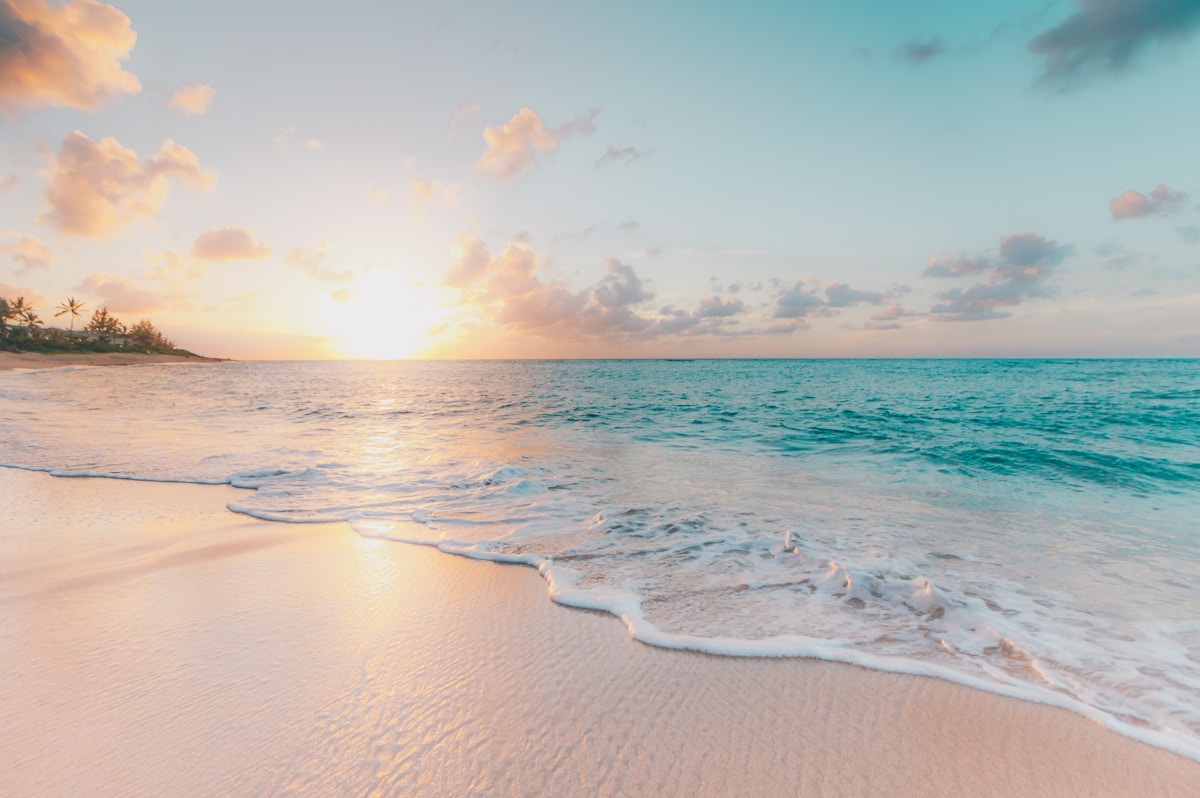
Europe's grey winters align perfectly with Southeast Asia's driest, sunniest season. Here's exactly where to go — and when — for guaranteed sun from December through February.
December through February is the golden window for Southeast Asia travel. The northeast monsoon has swept the peninsula clean, skies are postcard-perfect, and hotels roll out their finest seasonal packages for the flood of European and North American guests arriving to escape winter. But not everywhere is dry at the same time — knowing which coast is in peak condition in which month is the difference between a sunlit holiday and a rain-soaked disappointment.
Why December–February Is the Prime Season
Southeast Asia's weather is governed by two competing monsoon systems. The northeast monsoon (November–March) delivers dry, settled weather to Thailand's Andaman coast, Vietnam's southern tip, and the Malay Peninsula — exactly the window that Northern Hemisphere travellers need most. The key nuance: the Gulf of Thailand side and the Andaman Sea side have different peak months, and Vietnam's various coasts have their own patterns entirely.
1. Phuket & Krabi, Thailand — November to April
Best months: December–February
Rain risk: Very low
Sea conditions: Calm Andaman Sea, 20–25m underwater visibility
Phuket and Krabi sit on Thailand's Andaman coast, sheltered from the northeast monsoon. December, January and February deliver consistently sunny skies, sea temperatures around 28–30°C, and the calmest Andaman seas of the year. Island-hopping tours to Phi Phi Don, Bamboo Island, and the Four Islands are at their absolute best.
Where to stay: COMO Point Yamu in Phuket offers Phang Nga Bay panoramas from every suite and is widely regarded as the island's finest boutique property. For Krabi, Rayavadee occupies a private headland on Railay Beach — accessible only by longtail boat and entirely car-free.
Practical tip for Western visitors: Book flights arriving after December 26 to sidestep the Christmas week premium. The same villa that costs $600/night on December 24 often reverts to $380–420 from December 27 onward — conditions identical.
2. Koh Samui, Thailand — January to March
Best months: January–March
Rain risk: Low (note: November–December are wetter on this coast)
Sea conditions: Calm Gulf of Thailand
Koh Samui sits in the Gulf of Thailand, which operates on the *opposite* monsoon cycle to the Andaman. While Phuket peaks in November–December, Samui is still catching late northeast monsoon rain. Come January, the Gulf dries out and delivers three superb months — uncrowded beaches, blue skies, and the island at its most appealing.
Where to stay: Conrad Koh Samui perches on southwest cliffs above Aow Thai Bay, with infinity pools and private villa terraces overlooking Koh Tao. Six Senses Samui on the northeast coast offers a more wellness-oriented alternative with panoramic Gulf views.
Best beaches: Chaweng Noi (quieter than main Chaweng), Bophut Fisherman's Village for boutique hotel character, and remote Taling Ngam on the west coast for sunsets.
3. Phu Quoc, Vietnam — November to April
Best months: November–April
Rain risk: Very low
Sea conditions: Calm Gulf of Thailand
Vietnam's southernmost island is the country's luxury-resort breakout of the past decade. Unlike Da Nang or Ha Long Bay — which have more complex weather windows — Phu Quoc's position in the Gulf of Thailand means it catches the same dry northeast winds that make Phuket excellent. Pristine Long Beach, turquoise Sao Beach, and a growing suite of five-star resorts make this an increasingly compelling alternative to Thailand.
Where to stay: JW Marriott Phu Quoc Emerald Bay occupies a purpose-built resort enclave on the south coast with water parks, overwater bungalows, and multiple restaurant concepts. Salinda Resort offers a more intimate boutique option with a strong food programme.
Best activity: Snorkelling day trips to the An Thoi Islands off the south coast — among Vietnam's finest reef systems.
4. Bali, Indonesia — Manageable in Dec–Feb, Better April–October
Best months overall: April–October (dry season)
December–February: Warm and lush, with afternoon showers
Rain risk: Moderate — expect 2–3 hour afternoon downpours most days
Bali sits closer to the equator and runs a wet/dry cycle rather than a dramatic monsoon. December–February is technically wet season, but 3–5 million annual visitors prove the island's year-round appeal. Wet-season Bali rewards with lush emerald rice terraces, fewer dusty road days, and rates 20–30% below August peak. If your travel window is fixed to this period, the cultural richness of Ubud and the surf at Uluwatu justify the trip regardless of weather.
Where to stay: Four Seasons Sayan (Ubud, jungle river gorge) or Alila Villas Uluwatu (cliff-top infinity pool) deliver maximum luxury with spectacular settings. For families, Mulia Resort Nusa Dua has the most sheltered, calm-water beach.
Pro tip: Base yourself in Ubud during wet months — the jungle is at its most cinematic, and afternoon showers rarely last more than 90 minutes.
5. The Maldives — December to April
Best months: November–April
Rain risk: Minimal
Sea conditions: Calmest Indian Ocean of the year, 25–30m diving visibility
The Maldives' dry northeast monsoon aligns perfectly with European and North American winter travel. December–February deliver exceptional underwater visibility, near-zero rain, and the warmest welcome from resort staff who are in peak-season mode. The price premium is real — Christmas week can double overwater villa rates — but the conditions are unmatched.
Where to stay: Soneva Jani (North Malé Atoll, retractable-roof villas over the lagoon), Velaa Private Island (ultra-luxury with an 85,000-bottle wine cellar), or Six Senses Laamu (eco-focused, with a resident marine biologist running daily reef programs).
Best value: Book November for near-peak conditions at 20–30% below December rates. Late October arrivals enjoy empty lagoons and attentive service at low-season prices.
Quick Comparison: December vs January vs February
| Destination | December | January | February |
|---|---|---|---|
| Phuket / Krabi | ★★★★★ | ★★★★★ | ★★★★★ |
| Koh Samui | ★★★ | ★★★★★ | ★★★★★ |
| Phu Quoc | ★★★★★ | ★★★★★ | ★★★★★ |
| Bali | ★★★ | ★★★ | ★★★ |
| Maldives | ★★★★★ | ★★★★★ | ★★★★★ |
Getting There from Europe & North America
From London: Non-stop to Bangkok (Thai Airways, British Airways), Singapore (Singapore Airlines), or Kuala Lumpur (Malaysia Airlines). All three hub cities connect to Phuket, Koh Samui, Phu Quoc, and Bali in 1–2 hours.
From New York / Los Angeles: Singapore Airlines via Singapore, Cathay Pacific via Hong Kong, and JAL via Tokyo are the most reliable long-haul options with seamless SEA connections.
Booking window: For December–January travel, book flights and hotels 4–6 months ahead — top properties sell out in October for the Christmas-New Year period. February has more availability; 6–8 weeks is usually sufficient outside school holidays.
*Browse our regional guides:* Phuket luxury resorts | Koh Samui luxury resorts | Maldives overwater villas
Filed under: