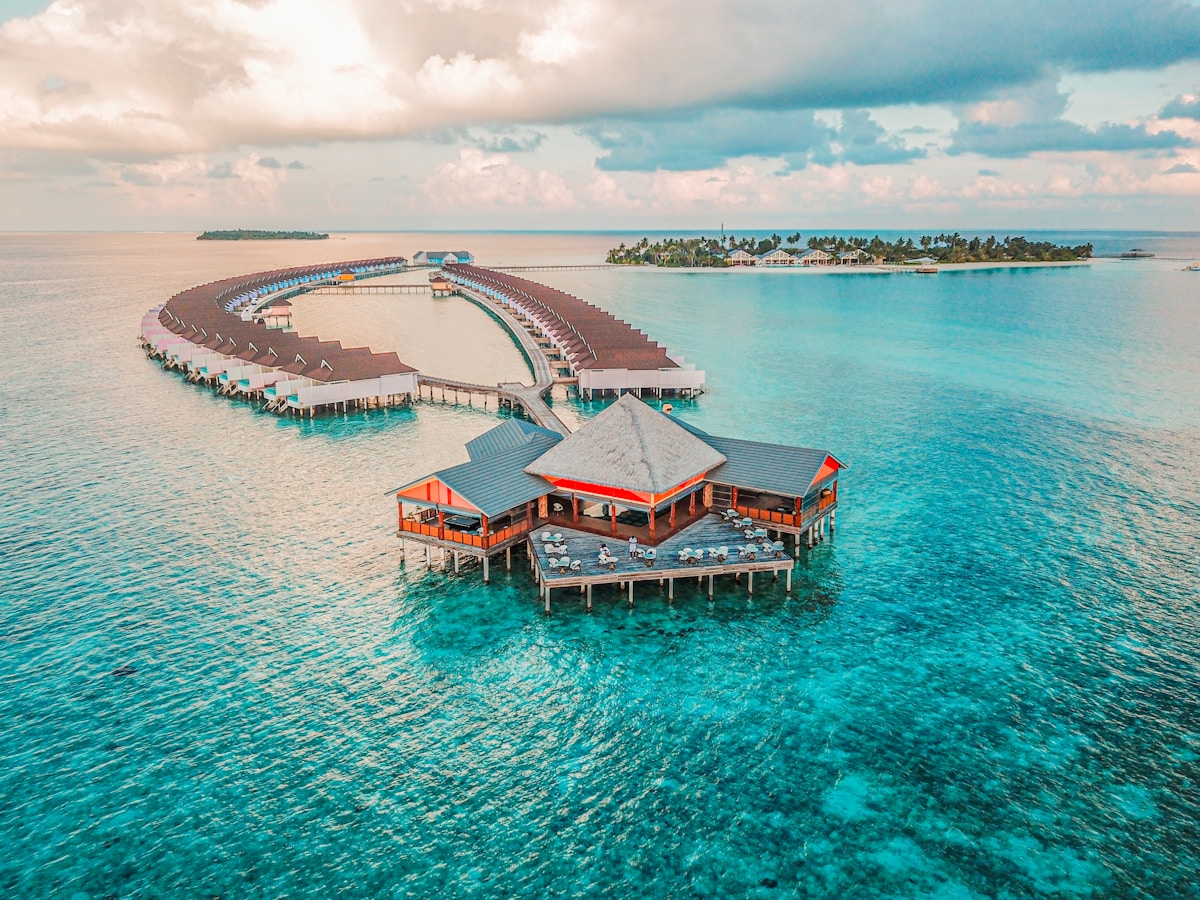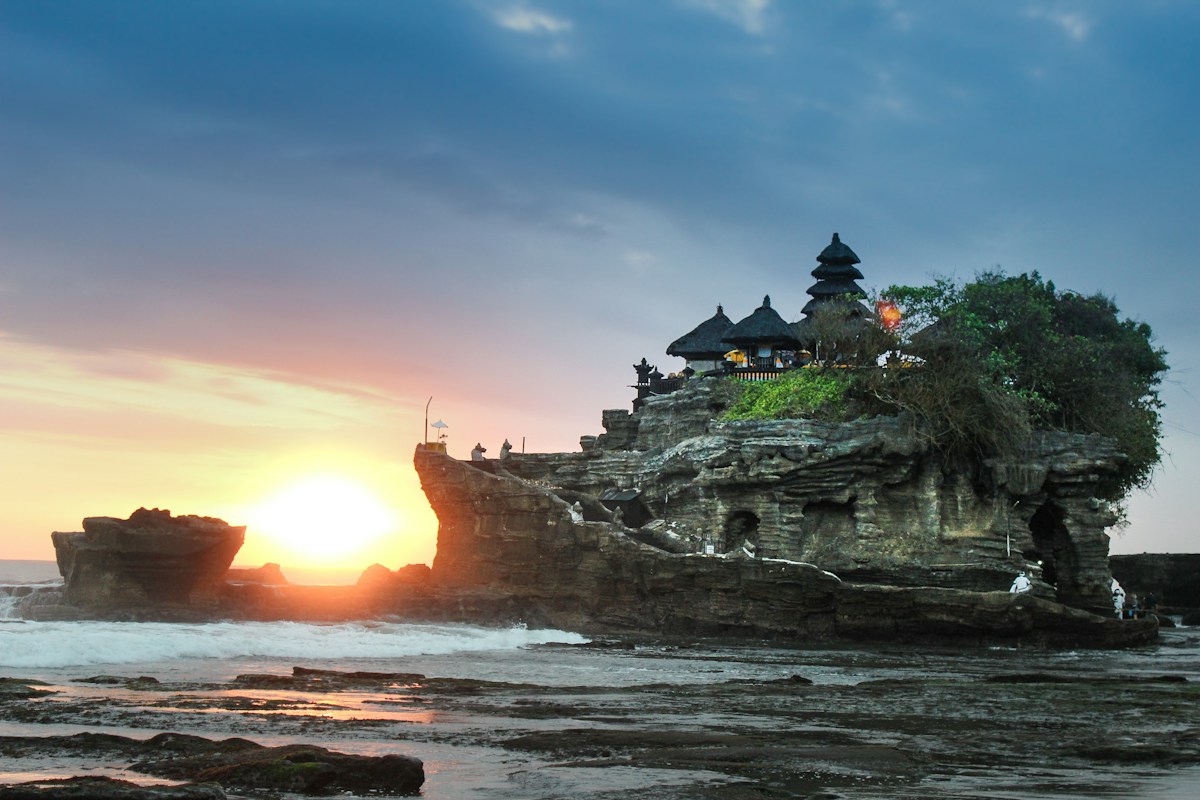
Complete month-by-month guide to Bohol weather, Chocolate Hills, whale shark season, and when to visit for the best conditions and value.
Bohol is one of the Philippines' most rewarding destinations — home to the Chocolate Hills, tarsiers, Panglao Island beaches, and some of the best diving in the Visayas. Unlike El Nido, Bohol is accessible year-round, but the difference between dry and wet season is significant enough to plan around.
Bohol's Two Seasons
Dry season (November–May): Northeast monsoon brings clear skies, calm seas, and ideal conditions for diving, island-hopping, and the Chocolate Hills. Peak season December–March.
Wet season (June–October): Southwest monsoon brings rain and rougher seas. Diving continues at sheltered sites. Prices drop 20–30%.
Key fact: Bohol sits in the rain shadow of Leyte and Samar, making it drier than much of the Visayas. Even wet season is manageable compared to other Philippine destinations.
Month-by-Month Breakdown
November: Dry Season Returns — Best Value
Weather: 27–30°C, decreasing rain, seas calming
Crowds: Low-moderate
Hotel rates: Shoulder (70–80% of peak)
Diving: Good, improving visibility
November is one of Bohol's best-value months. Conditions improve rapidly through the month — by mid-November, Panglao's beaches are reliably sunny and the Chocolate Hills are at their greenest after the wet season rains. Alona Beach is uncrowded and accommodation prices are well below peak.
Best for: Value-conscious travellers, divers, those wanting good weather without peak crowds.
December–January: Peak Season
Weather: 26–30°C, minimal rain, calm seas
Crowds: High (Christmas/New Year very high)
Hotel rates: Peak
Diving: Excellent — 20–25m visibility
December and January deliver Bohol at its best. Panglao's white sand beaches are pristine, the Chocolate Hills are brown and photogenic (dry season colour), and diving visibility peaks. Christmas week sees the highest prices and most visitors — book 2–3 months ahead.
Best for: First-time visitors, families, divers, beach holidays.
February–March: Peak Season Continues
Weather: 26–30°C, minimal rain, calmest seas
Crowds: High
Hotel rates: Peak (softening slightly in March)
Diving: Best of the year
February and March are arguably Bohol's finest months. Seas are at their calmest, visibility is exceptional, and the Chocolate Hills are at their most dramatic brown colour. Whale shark interactions at Oslob (Cebu, 2 hours away) are at peak season — easily combined with a Bohol trip.
Best for: Divers, snorkellers, couples, anyone wanting the best conditions.
April–May: Late Dry Season
Weather: 28–33°C, minimal rain, calm seas
Crowds: Moderate (Holy Week spike in April)
Hotel rates: Moderate (Holy Week premium)
Diving: Excellent
April is hot — midday temperatures hit 32–33°C — but conditions remain excellent. Holy Week (April 2026: 5–12 April) brings a surge of domestic tourists; outside Holy Week, April is quieter than December–March with near-identical weather. May is the transition month — still mostly dry but with increasing cloud cover.
Best for: Late dry season value, diving, beach holidays outside Holy Week.
June–October: Wet Season
Weather: 27–31°C, regular rain, rougher seas
Crowds: Low
Hotel rates: Low season (20–30% below peak)
Diving: Good at sheltered sites (Balicasag Island remains diveable)
Bohol's wet season brings regular afternoon rain and occasionally rougher seas. However, Bohol is less typhoon-prone than northern Philippines. Balicasag Island diving remains excellent even in wet season due to its sheltered position.
Best for: Budget travellers, divers targeting Balicasag, those who don't mind rain.
Chocolate Hills: Best Time to Visit
The Chocolate Hills look different depending on the season:
- Dry season (December–May): Hills turn brown — the classic "chocolate" look. Best for photography.
- Wet season (June–November): Hills are green and lush. Less dramatic but still impressive.
Best months for Chocolate Hills photography: February–April (peak brown colour, clear skies).
Diving in Bohol
Balicasag Island is the star — a marine sanctuary with exceptional wall diving, sea turtles, and schooling fish. Visibility 15–25m in dry season.
Best diving months: November–May (dry season). Balicasag remains diveable year-round.
Frequently Asked Questions
What is the best month to visit Bohol?
February and March offer the best combination of weather, diving conditions, and manageable crowds. December–January is excellent but more expensive and crowded.
Is Bohol good in April?
Yes — outside Holy Week (5–12 April 2026), April offers excellent conditions with fewer crowds than peak season. Holy Week itself is very busy with domestic tourists.
Does it rain a lot in Bohol?
Bohol is drier than much of the Philippines. Dry season (November–May) sees minimal rain. Wet season (June–October) brings regular afternoon showers but rarely all-day rain.
How many days do you need in Bohol?
3–4 days covers the main highlights: Chocolate Hills, tarsier sanctuary, Loboc River, and 1–2 days on Panglao Island beaches. Add 2 days for diving at Balicasag.
Filed under: