Complete month-by-month breakdown of Coron weather, diving conditions, wreck diving season, and hotel rates. Find the perfect time for your Palawan adventure.
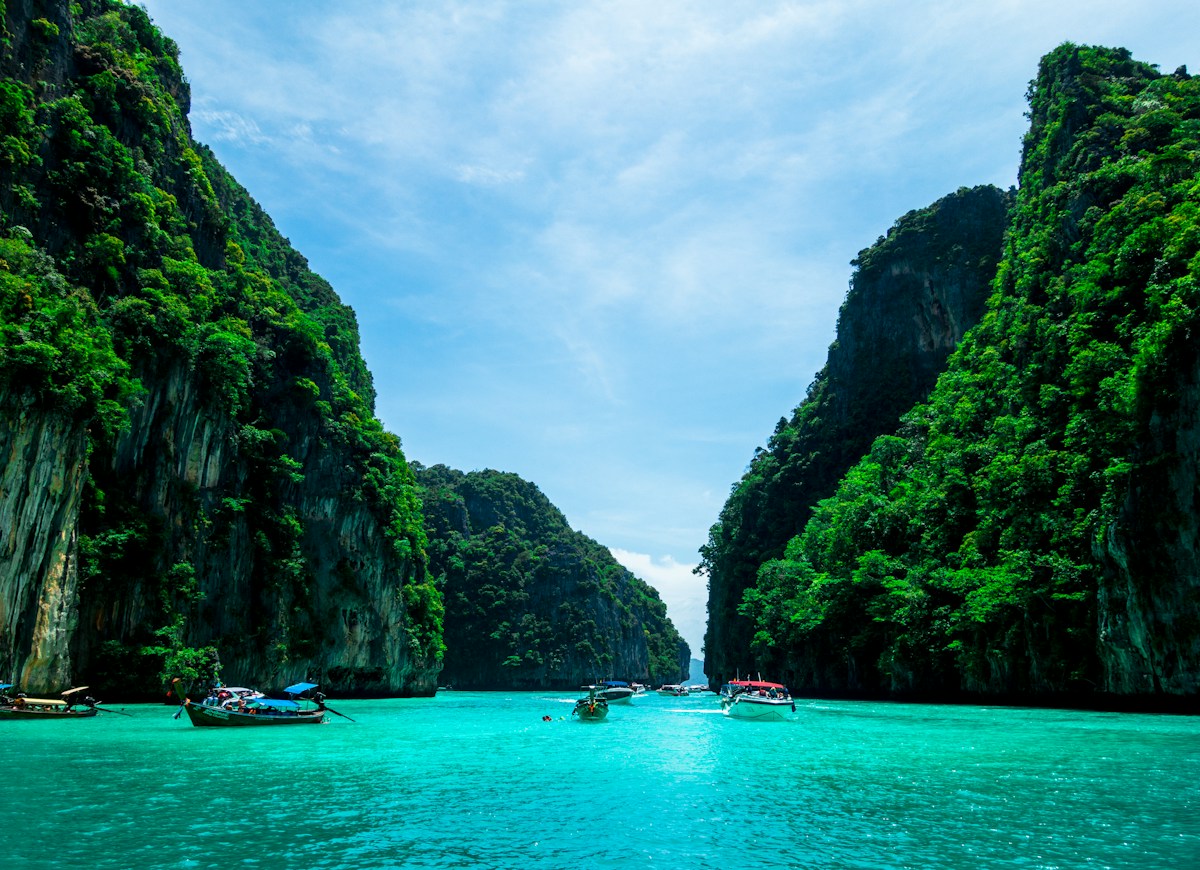
Coron is the wreck diving capital of the Philippines — home to a fleet of Japanese warships sunk during World War II, now encrusted with coral and teeming with marine life. Beyond the wrecks, Coron offers stunning limestone karst scenery, crystal-clear lakes, and some of the most beautiful island-hopping in Southeast Asia.
Coron's Climate
Coron sits in northern Palawan and shares the same climate pattern as El Nido — a dry season driven by the northeast monsoon (amihan) and a wet season brought by the southwest monsoon (habagat).
Dry season (November–May): Clear skies, calm seas, excellent diving visibility. Peak season December–March.
Wet season (June–October): Southwest monsoon brings rain and rougher seas. Diving continues but conditions are less reliable.
Month-by-Month Breakdown
November–December: Dry Season Begins
Weather: 26–32°C, decreasing rain, calm seas
Crowds: Low-moderate (building toward peak)
Hotel rates: Shoulder-high
Diving: Excellent — visibility improving to 15–25m
November marks the transition to dry season. Conditions improve rapidly — seas calm, visibility clears, and the wreck sites become accessible again after wet season. December sees the first surge of visitors. Christmas week is busy — book ahead.
Best for: Divers, value seekers, those avoiding peak crowds.
January–March: Peak Season
Weather: 25–30°C, minimal rain, calm seas
Crowds: High
Hotel rates: Peak pricing
Diving: Best of the year — 20–30m visibility
January–March are Coron's finest months. Calm seas, clear skies, and exceptional underwater visibility make this the optimal window for wreck diving. The Japanese wrecks (Okikawa Maru, Irako, Kogyo Maru) are at their most spectacular. Island hopping to Kayangan Lake and Twin Lagoon is at its best.
Best for: Wreck divers, first-time visitors, island hopping.
April–May: Still Excellent
Weather: 27–34°C, minimal rain, warm
Crowds: Moderate
Hotel rates: High (softening)
Diving: Excellent
April and May maintain excellent conditions with fewer crowds. April is hot but sea breezes keep it manageable. May sees the first signs of the southwest monsoon approaching — late May can bring occasional afternoon showers.
Best for: Divers, budget-conscious travellers seeking peak conditions.
June–October: Wet Season
Weather: 25–31°C, heavy rain, rougher seas
Crowds: Very low
Hotel rates: Lowest of the year (30–40% below peak)
Diving: Variable — some wrecks accessible, others not
June–October brings the southwest monsoon. Rain is frequent, seas are rougher, and some dive sites become inaccessible. However, Coron Bay itself is sheltered — many wreck sites remain diveable even in wet season. Island hopping is weather-dependent.
Best for: Budget divers, those with flexible itineraries.
Best Wreck Dive Sites in Coron
Okikawa Maru: Largest wreck in Coron — 160m tanker at 15–47m depth. Penetration diving through engine rooms and cargo holds. Intermediate-advanced.
Irako: Refrigeration supply ship at 20–42m. Exceptional marine life — lionfish, batfish, sea turtles. One of the most beautiful wrecks in Asia.
Kogyo Maru: Engineering supply ship at 10–40m. Machinery, tools, and vehicles still visible. Good for beginners (shallow sections).
Olympia Maru: Cargo ship at 18–30m. Covered in soft corals and sea fans. Excellent for underwater photography.
Skeleton Wreck: Unidentified wreck at 18–28m. Named for the human remains found during early dives. Atmospheric and eerie.
Coron vs El Nido: Which to Choose?
| Coron | El Nido | |
|---|---|---|
| Best for | Wreck diving, lakes | Coral reefs, island hopping |
| Diving | World-class wrecks | Diverse reef diving |
| Scenery | Limestone karst, lakes | Dramatic karst, lagoons |
| Development | Less developed | More tourist infrastructure |
| Getting there | Flight from Manila (1hr) | Flight from Manila (1hr) |
Many visitors do both — a Coron-to-El Nido (or reverse) island-hopping trip takes 3–4 days by boat.
Frequently Asked Questions
Do I need advanced certification to dive the wrecks?
Most Coron wrecks are accessible to Open Water certified divers (shallow sections). Advanced certification opens up deeper penetration diving. A wreck specialty course is recommended for the best experience.
Is Coron good for non-divers?
Yes. Kayangan Lake (one of Asia's clearest lakes), Twin Lagoon, Barracuda Lake, and island hopping tours are excellent for snorkellers and non-divers.
How long should I spend in Coron?
Minimum 4–5 days for divers (to cover the main wrecks). 3 days is sufficient for non-divers doing island hopping.
Filed under: