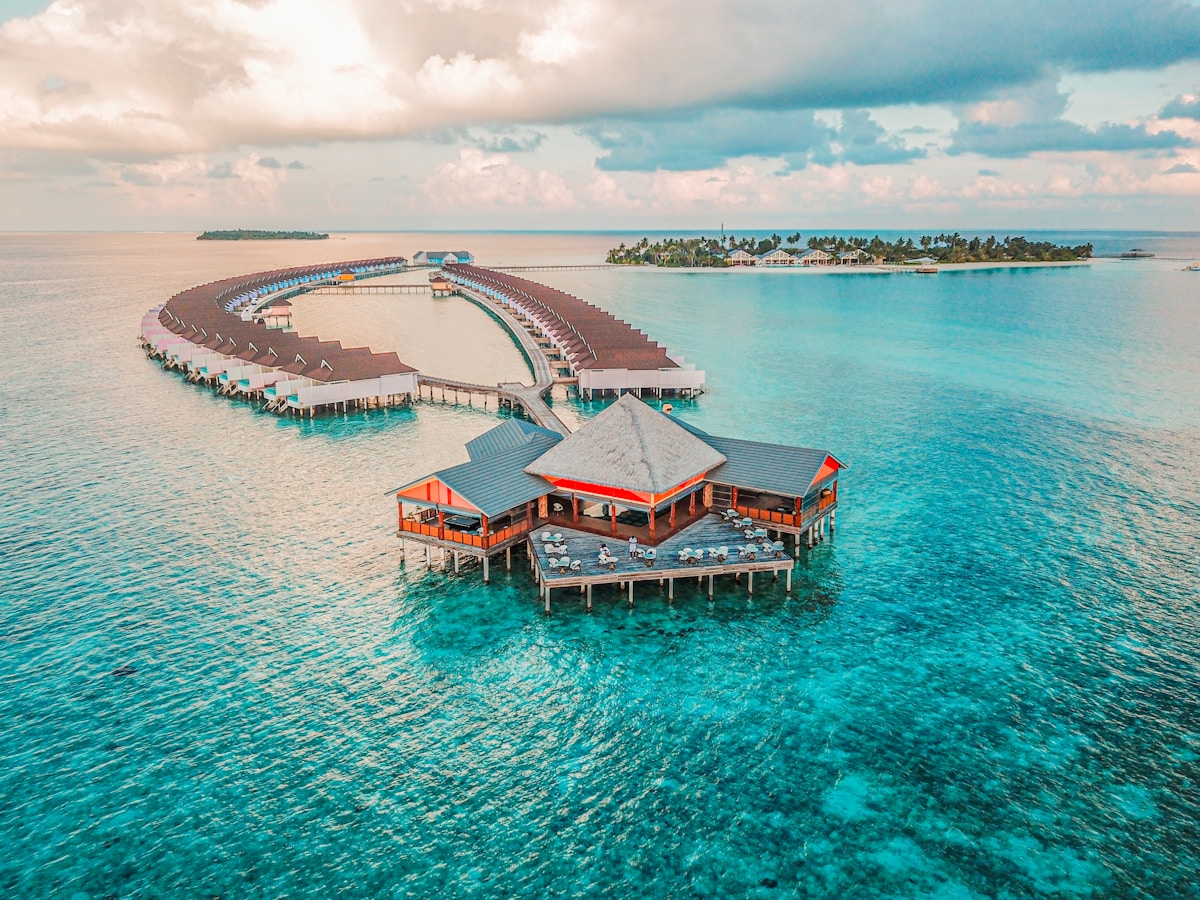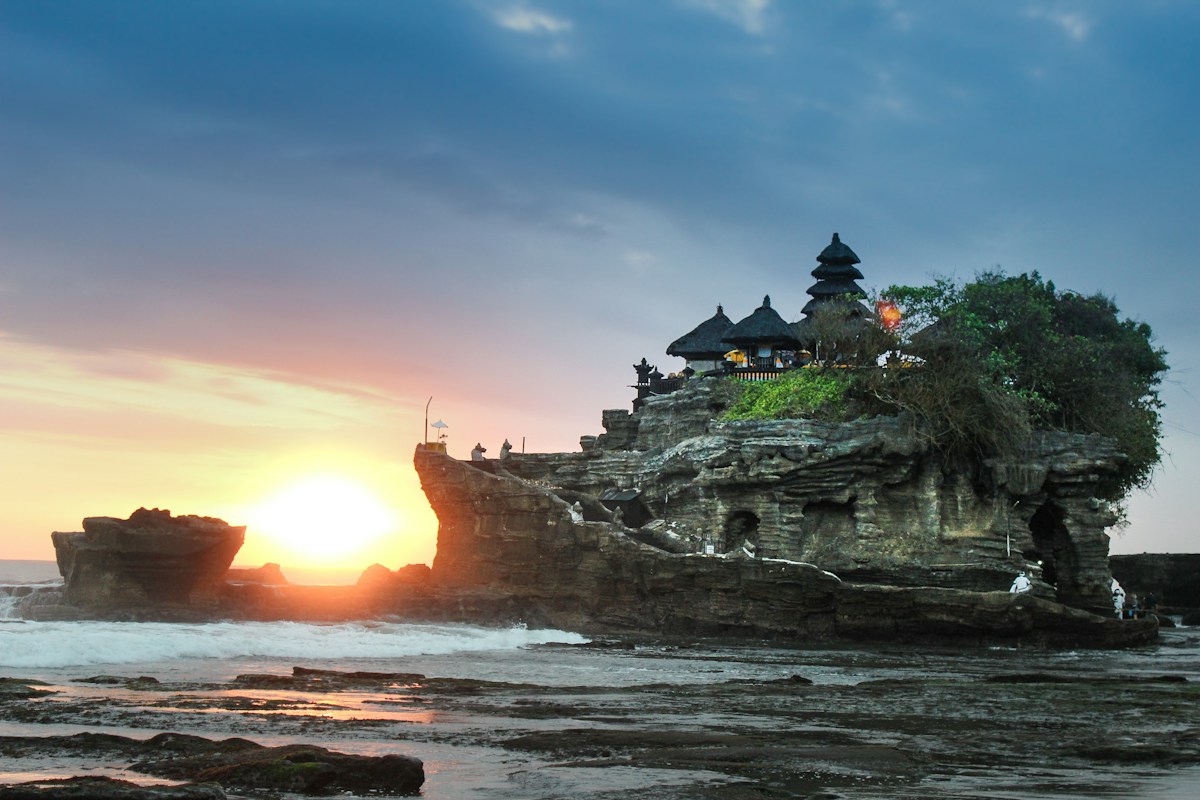
Complete guide to diving in El Nido, Palawan — best dive sites, marine life, visibility, dive operators, and the best time to dive in the Bacuit Archipelago.
El Nido sits at the northern tip of Palawan, surrounded by the Bacuit Archipelago — 45 islands and islets rising dramatically from the Sulu Sea. Above water, the limestone karst scenery is world-famous. Below the surface, El Nido offers some of the Philippines' most diverse and pristine diving.
Why Dive El Nido?
El Nido's diving is defined by variety rather than a single signature experience. Within a 30-minute boat ride from town, you can dive:
- Coral gardens with hard and soft coral coverage among the best in the Philippines
- Walls and drop-offs plunging to 40m+
- Swim-throughs and caverns carved into the limestone karst
- Wrecks from World War II
- Seagrass beds hosting dugongs and sea turtles
- Open water for pelagic species including thresher sharks (seasonal)
The Bacuit Bay Marine Reserve protects much of the diving area — meaning fish populations are healthier than at more heavily dived Philippine destinations.
Best Dive Sites in El Nido
Dilumacad Island (Helicopter Island)
Depth: 5–25m | Level: All levels
The most popular dive site in El Nido. A sloping coral garden with exceptional hard coral coverage, sea turtles, and abundant reef fish. The shallow section (5–12m) is ideal for beginners and snorkellers. Deeper sections reveal bumphead parrotfish and occasional reef sharks.
Miniloc Island — Twin Rocks
Depth: 8–30m | Level: Intermediate
Two limestone pinnacles rising from the seafloor, covered in soft corals and sea fans. Strong currents bring pelagic fish — trevally, barracuda, and occasional thresher sharks. Best dived on an incoming tide.
Shimizu Island
Depth: 5–35m | Level: All levels
One of El Nido's most beautiful sites. A coral-covered slope descending to a sandy bottom, with exceptional visibility (20–30m on good days). Nudibranchs, sea horses, and blue-ringed octopus are regularly spotted. Turtles are almost guaranteed.
Nat-Nat Beach — The Cathedral
Depth: 3–18m | Level: All levels
A dramatic swim-through cavern carved into the limestone cliff. Natural light filters through openings in the rock, creating cathedral-like light shafts. Bats roost in the upper chambers. Unique and unmissable.
Lagen Island — South Wall
Depth: 15–40m+ | Level: Advanced
A sheer wall dropping into the deep blue. Large sea fans, black coral, and pelagic species including grey reef sharks and occasional hammerheads. Strong currents — advanced divers only.
Matinloc Island — Secret Beach Approach
Depth: 5–20m | Level: All levels
The underwater approach to El Nido's famous Secret Beach. Coral gardens, sea turtles, and the dramatic limestone walls continuing below the waterline. Often combined with a surface swim into the hidden lagoon.
Marine Life Highlights
Sea turtles: Green and hawksbill turtles are seen on almost every dive. Shimizu Island and Dilumacad are the most reliable sites.
Reef sharks: Whitetip and blacktip reef sharks are common at deeper sites. Grey reef sharks at Lagen South Wall.
Thresher sharks: Seasonal (November–April) at Twin Rocks and open water sites. Not guaranteed but regularly reported.
Dugongs: Rare but present in the seagrass beds around Miniloc and Lagen. Sightings are special — report to your dive operator if you see one.
Nudibranchs: El Nido is excellent for macro photography. Shimizu Island and the muck diving sites near town have exceptional nudibranch diversity.
Whale sharks: Occasional sightings in the open water between El Nido and Coron, particularly March–May. Not a reliable El Nido dive experience.
Best Time to Dive El Nido
Peak diving season: November–May
The northeast monsoon (amihan) brings calm seas, clear skies, and the best underwater visibility. November–May is the optimal diving window.
- November–February: Excellent visibility (15–25m), calm seas, best conditions overall
- March–May: Still excellent, slightly warmer water (28–30°C), whale shark season
- June–October: Southwest monsoon (habagat) brings rougher seas and reduced visibility (8–15m). Some sites become inaccessible. Diving continues but conditions are less reliable.
Water temperature: 26–30°C year-round. A 3mm wetsuit is comfortable for most divers.
Dive Operators in El Nido
El Nido has 15–20 dive operators ranging from budget to premium. Key considerations:
- Group size: Smaller groups (4–6 divers) mean better divemaster attention and less reef impact
- Equipment quality: Check regulator service dates and BCD condition
- Divemaster experience: Ask how long they've been diving El Nido specifically — local knowledge matters
- Boat quality: Longer bangka boats are more stable; check safety equipment
Recommended operators (based on consistent reviews):
- El Nido Resorts Dive Centre (premium, resort guests only)
- Submariner Diving (independent, strong reputation)
- Planet Action (PADI 5-star, good for courses)
Dive Courses in El Nido
El Nido is a good place to learn to dive — calm, warm water and exceptional marine life make for memorable first dives.
- Discover Scuba Diving (DSD): 1 day, no certification required, ~₱3,500–4,500
- PADI Open Water: 3–4 days, full certification, ~₱18,000–22,000
- PADI Advanced Open Water: 2 days, ~₱12,000–15,000
Note: Complete your Open Water course before arriving if possible — El Nido's best sites require certification, and spending your first days doing pool sessions means missing the best diving.
Frequently Asked Questions
Is El Nido good for beginner divers?
Yes. Sites like Dilumacad, Shimizu, and The Cathedral are suitable for newly certified divers. The calm conditions November–May make El Nido particularly good for beginners.
How does El Nido diving compare to Coron?
Coron is famous for World War II wreck diving — some of the best in Asia. El Nido has better coral reefs and more diverse marine life. Many visitors do both on a Palawan trip.
Can you dive and do island hopping on the same day?
Technically yes, but not recommended — nitrogen narcosis risk from diving then snorkelling in shallow water. Most operators run morning dive trips; island hopping tours are afternoon-focused.
What visibility can I expect?
15–25m in dry season (November–May), 8–15m in wet season (June–October). Visibility varies by site and tidal conditions.
Filed under: