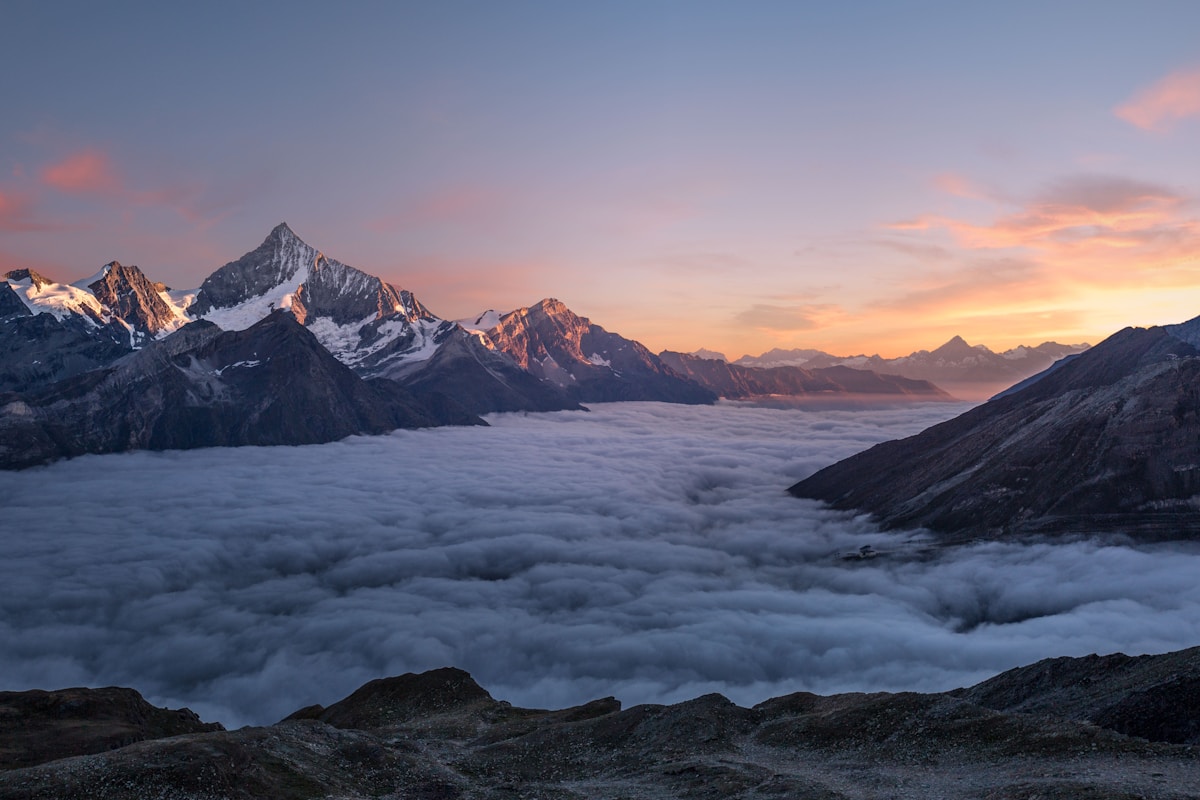
Asia has the world's greatest trekking landscapes — the Himalayas, Sapa's rice terraces, Bhutan's mountain valleys. Here are the best luxury lodges that combine serious hiking with genuine five-star comfort.
The assumption that trekking and luxury are incompatible has been systematically dismantled over the past decade. Asia's mountain destinations have developed a category of accommodation that delivers proper trekking access — meaningful trail distances, genuine altitude, wildlife encounters, local cultural depth — alongside hot showers, excellent food, and beds that are genuinely comfortable after a long day's hiking.
This guide covers the best properties across Asia's premier trekking destinations for luxury-minded hikers who refuse to choose between the trail and the thread count.
What Makes a Luxury Trek?
The defining characteristics:
- Accommodation quality: A proper bed, hot shower, temperature control, and food that is nutritious rather than just edible
- Guide quality: Knowledgeable local guides who provide ecological and cultural context, not just trail navigation
- Trail access: Genuine elevation gain, meaningful scenery, wildlife or cultural encounter opportunities that repay the effort
- Support logistics: Good equipment sourcing, clear emergency protocols, and acclimatisation awareness at altitude
- Rest day programming: Activities for non-hiking days that are as rewarding as the trail days
Vietnam: Sapa and the Hoang Lien Son Mountains
Topas Ecolodge (Sapa Region)
The benchmark luxury trekking base in northern Vietnam — a hilltop eco-lodge of 33 bungalows on a ridge above the Muong Hoa Valley, 18km from Sapa town. The lodge's position (1,400m elevation) provides panoramic views over the terraced valley floor, with the Fansipan massif (3,143m) visible to the northwest.
Trekking from Topas: The lodge's guide team runs treks into the Hoang Lien Son Nature Reserve — from half-day rice paddy walks through H'mong and Dao villages to 2-day Fansipan ascent programs (the mountain is also accessible by cable car from Sapa, but the guided trek via the reserve's trail system is a completely different experience). Trail difficulty ranges from accessible paddy walks to demanding 1,400m elevation gain in a single day.
Cultural depth: The lodge's direct relationship with the Ta Van village community (established over 15 years) means the village visits have genuine cultural exchange rather than a show-for-tourists dynamic. Overnight in a Dao village homestay is available as an extension.
Rate range: USD 180–350/night
For Fansipan and Hoang Lien Son Nature Reserve information: Vietnam National Administration of Tourism
Hotel de la Coupole MGallery (Sapa Town)
For travellers who want Sapa's cultural and culinary depth alongside more comfortable urban accommodation before and after trekking days — the Hotel de la Coupole's rooftop pool with Fansipan visible on clear mornings provides the mountain perspective without the altitude. A more practical base for day hikes than for multi-day trail programs.
Rate range: USD 150–400/night
Nepal: Himalayan Luxury Lodges
Dwarika's Resort (Dhulikhel, near Kathmandu)
A Himalayan spa resort 30km from Kathmandu, at 1,500m elevation — the resort's ridge position provides panoramic Himalayan views (on clear days, 13 peaks above 6,000m are visible including Langtang, Dorje Lakpa, and Gauri Shankar). The base for Dhulikhel day hikes and the easier routes of the Kathmandu Valley rim.
For: Travellers who want the Himalayan vista and a taste of mountain hiking without the commitment of a full trekking program. The 2–3 day Dhulikhel circuit is accessible to non-trekkers and genuinely rewarding.
Rate range: USD 200–500/night
Tiger Mountain Pokhara Lodge (Pokhara)
An eco-lodge on a ridge above Pokhara — 13 stone cottages with direct Annapurna panorama views (the Annapurna massif and Machhapuchhre/Fish Tail are within 35km). The property operates as both a luxury base for Annapurna Circuit trekkers (who use it as a before/after comfort bookend) and as a standalone experience for those who want the Himalayan atmosphere without technical trekking.
Trekking access: The property is positioned above the Pokhara-Baglung Highway — the standard Annapurna Circuit trailhead. Day hikes to Sarangkot (1,592m sunrise viewpoint) and the Australian Base Camp (Mardi Himal foothills) are accessible directly from the property.
Rate range: USD 250–450/night
For Nepal trekking permits and Annapurna Circuit information: Nepal Tourism Board
Bhutan: The Himalayan Kingdom's Luxury Trails
The most comprehensively managed luxury trekking destination in the world — Bhutan's Sustainable Development Fee (USD 100/day) effectively creates a curated trekking environment where trail density is low and guide quality is regulated.
Six Senses Paro (Paro Valley)
The Six Senses' Paro property — with its private meditation room facing Tiger's Nest — is the ideal base for the Tiger's Nest monastery trek (3–4 hours return, 900m elevation gain). The Six Senses' in-house trekking team arranges private ascents timed for dawn light, avoiding the midday crowd that the standard tour departure creates.
Extended trekking: The Six Senses operates a 5-valley circuit (staying at different Six Senses properties in each valley) that covers the kingdom's best cultural and landscape highlights over 10–14 nights.
Rate range: USD 1,200–2,500/person/night
Amankora Punakha (Punakha Valley)
Aman's Punakha lodge provides access to the Limbukha trail — a full-day village circuit through rice paddy terraces, Gasa hot springs, and traditional farmhouses. The trail is genuinely remote by any trekking destination's standards; Aman's private guides provide cultural context that independent trekkers cannot access.
Standout: The suspension bridge crossing to the Amankora Punakha's private meditation and spa pavilion (the only access is on foot across the bridge) creates a daily mindfulness ritual that integrates the Bhutanese landscape philosophy with the wellness program.
Rate range: USD 1,500–3,000/person/night
For Bhutan trekking programs and permits: Tourism Council of Bhutan
Thailand: Doi Inthanon and Chiang Mai Highlands
Anantara Golden Triangle (Chiang Rai)
The Golden Triangle's highland ecosystem — tea plantations, bamboo forests, and the tri-border mountain landscape — provides day hiking from the resort that is genuinely varied without requiring the physical commitment of Himalayan trekking. The mahout walking program (accompanying elephants on their morning forest walk) combines wildlife encounter with a forest hiking experience.
Rate range: USD 350–1,200/night
Zara's Hill Resort (Doi Inthanon National Park)
A boutique property at 1,500m elevation adjacent to Doi Inthanon National Park — Thailand's highest mountain (2,565m). The park's bird diversity (over 380 species recorded, including Himalayan migrants not found elsewhere in Thailand) makes it the country's premier birding destination. The hilltop resort position delivers cool temperatures (15–22°C year-round) and panoramic views over the western Thailand highlands.
Rate range: USD 120–280/night
For Doi Inthanon National Park visitor information: Thailand DNP
Indonesia: Mount Rinjani, Bali's Caldera & Flores
Ecolodge Sembalun (Mount Rinjani, Lombok)
The basecamp property for Rinjani summit attempts — a small eco-lodge in the Sembalun Valley at 1,156m elevation, 2km from the Rinjani summit trail trailhead. Rinjani (3,726m, active volcano) is one of Southeast Asia's most rewarding summit treks; the 3-day/2-night program delivers Indonesia's finest volcanic mountain experience. The lodge's comfort is limited by mountain standards but functional.
Summit trek: Day 1 (trailhead → Pos 3 camp, 6–7 hours, 1,600m gain); Day 2 (crater rim at 2,700m → Segara Anak crater lake, optional summit push to 3,726m at 3am start); Day 3 (descent to Senaru side, 5–6 hours). The crater lake and its hot spring, framed by the summit cone above, is one of Southeast Asia's most extraordinary geological landscapes.
For Rinjani National Park information: Rinjani National Park
Practical Advice for Luxury Trekkers
Altitude preparation: Destinations above 2,500m (Bhutan, Nepal, Sapa) require acclimatisation planning. A minimum of 2–3 days at intermediate altitude before major elevation gain; symptoms of altitude sickness (headache, nausea, shortness of breath at rest) require descent, not aspirin.
Guide selection: At every destination in this guide, the guide quality determines the experience quality. Private guides (booked through the lodge) consistently outperform group tour guides on knowledge depth and flexibility. Budget approximately USD 80–150/day for a quality private guide.
Equipment: Most destinations in this guide have equipment rental or purchase available locally. Trekking poles (significantly reduce knee impact on descents), good boots (waterproof, with ankle support), and a down layer (even in tropical countries, mountain tops can be cold) are worth bringing from home rather than renting.
Explore our guides to Bhutan luxury lodges, Vietnam north travel guide, Borneo wildlife lodges, and Southeast Asia wellness retreats for more Asia adventure and nature luxury inspiration.
Filed under: