Malaysia is Southeast Asia's most underrated luxury destination — from duty-free beach resorts in Langkawi to Penang's UNESCO food city and Borneo's orangutan encounters. Here's how to experience all three.
Malaysia is Southeast Asia's most underrated luxury destination. Between the duty-free beaches of Langkawi, Penang's UNESCO-listed cultural city, and Sabah's world-class dive sites and orangutan encounters on Borneo, Malaysia offers a diversity that rivals Thailand — with a fraction of the crowds.
Why Malaysia for Luxury Travel?
Malaysia combines strong luxury hotel infrastructure with exceptional value. A five-star resort room in Langkawi or Kota Kinabalu costs 30–40% less than a comparable property in Bali or Phuket. The country is also one of Southeast Asia's most accessible for Western visitors: English is widely spoken, infrastructure is excellent, and the food scene rivals anywhere in Asia.
Best season: November–March for Langkawi and Penang (sheltered from the northeast monsoon by the Thai peninsula). Sabah (Borneo) is best March–October, with diving and wildlife encounters peaking April–June.
Langkawi: The Jewel of Kedah
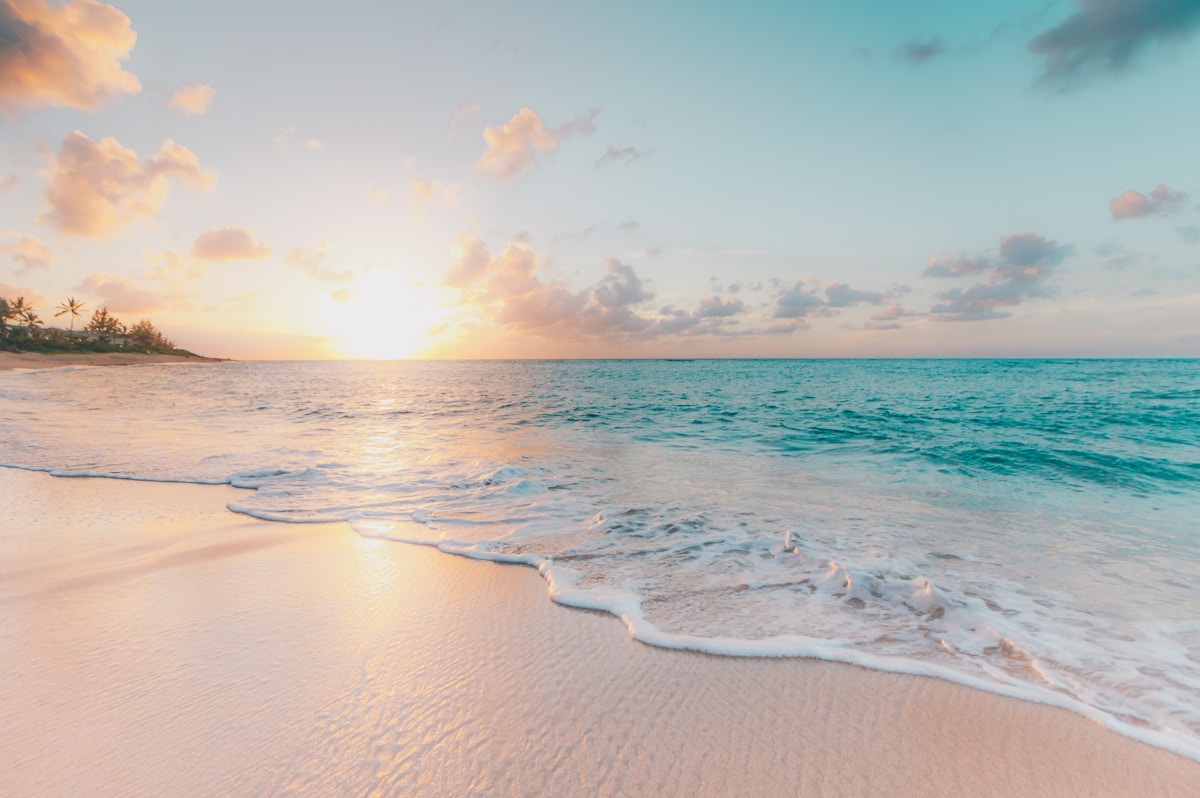
Langkawi is a duty-free archipelago of 99 islands off Malaysia's northwest coast, separated from southern Thailand by just 45 minutes of shoreline. Its beaches rank among Southeast Asia's finest, and the luxury resort corridor centres on Datai Bay in the north and Pantai Tengah on the west coast.
Where to Stay
The Datai Langkawi is consistently ranked among Asia's top 10 resorts: a 118-villa rainforest retreat set inside a 10-million-year-old rainforest above a private beach. Guided rainforest walks with the resident naturalist, a Spa Village delivering traditional Malay treatments, and a Par-72 jungle golf course make this a destination in itself. Even guests who never leave the property come away with extraordinary memories.
The Andaman, a Luxury Collection Resort offers cliff-facing rooms above Datai Bay — the coral reef directly offshore is among the most intact in Malaysia, accessible for snorkelling straight from the beach without a boat.
What to Do
- Cable Car & SkyBridge: The Langkawi Cable Car ascends Mat Cincang mountain (708m) with views across the Andaman Sea. The 125-metre curved SkyBridge suspension walkway at the top is one of Southeast Asia's most photographed structures.
- Island hopping: Day trips visit the Dayang Bunting (Pregnant Maiden) freshwater lake island and the eagle-feeding spectacle at Pulau Singa Besar. Boat rentals and private charters are easily arranged.
- Duty-free shopping: Alcohol, chocolate, and electronics are significantly cheaper in Langkawi than anywhere else in Malaysia — stock up at Cenang Mall or the Bon Ton waterfront stores.
Penang: Southeast Asia's Food Capital
Penang's UNESCO-listed George Town is the most concentrated showcase of Southeast Asian cultural and culinary heritage anywhere in the region. Chinese, Malay, Indian, and Peranakan (Straits Chinese) food traditions have evolved here over 400 years into something genuinely extraordinary.
Where to Stay
The Eastern & Oriental Hotel (E&O) is Penang's grande dame — an 1885 colonial seafront property fully restored to its original elegance. Teak floors in the suites, a seafront Verandah with planter's chairs for afternoon high tea, and a swimming pool terrace overlooking the Penang Strait. The E&O is one of Southeast Asia's great historic hotels.
Cheong Fatt Tze — The Blue Mansion offers a contrasting experience: a restored 38-room Penang-Chinese indigo-blue heritage mansion with inner courtyards, carved teak screens, and period furniture. The guided architecture tour alone is worth the stay.
What to Eat
Penang is the reason most food writers rank Malaysian cuisine among the world's finest. The essential dishes:
- Char kway teow: Flat rice noodles wok-fried with prawns, cockles, Chinese sausage, and bean sprouts over fierce charcoal heat
- Penang laksa: Sour tamarind-fish broth noodle soup with mint, onion, and chilli — nothing like the coconut laksa found elsewhere in Malaysia
- Curry mee: Yellow noodles in a rich curry-coconut broth with tofu puffs and blood cockles
The best stalls operate from 6am to noon and sell out. Gurney Drive hawker centre and New Lane (Lorong Baru) are the main evening circuits.
Cultural Highlights
George Town's UNESCO heritage zone spans 4 square kilometres of pre-war shophouses. Armenian Street is the epicentre of the famous street-art murals (the wire-bicycle children by Lithuanian artist Ernest Zacharevic is the most photographed). Khoo Kongsi clan house, Kuan Yin Teng Temple, and the Peranakan Mansion museum are the cultural essentials.
Kota Kinabalu & Sabah: Borneo's Wild Coast
Sabah sits on Borneo's northern tip — one of the last places on earth where wild orangutans, pygmy elephants, proboscis monkeys, and sun bears share a continuous rainforest corridor.
Where to Stay
Gaya Island Resort is a 15-minute boat transfer from Kota Kinabalu's city waterfront, set within the Tunku Abdul Rahman Marine Park. Five surrounding islands offer excellent snorkelling and diving; the resort's Eco Centre runs orangutan conservation programs and guided nature walks.
Shangri-La Rasa Ria Resort (30 minutes from KK city) sits on a private 64-acre rainforest reserve with a resident orangutan rehabilitation centre — guests encounter resident orangutans during ranger-led morning feeding sessions directly from the resort grounds.
Kinabatangan River Wildlife Safari
A 2-hour drive from Sandakan brings you to the Kinabatangan River, one of Southeast Asia's finest wildlife corridors. Proboscis monkeys (found nowhere else on earth), Bornean pygmy elephants, saltwater crocodiles, and wild orangutans congregate along the riverbanks at dawn and dusk. Sukau Rainforest Lodge, upriver from the main Bilit village, is the finest lodge in this area — river-facing rooms, guided boat safaris, and exceptional birding.
Sipadan Diving
Sipadan Island is one of the world's top-five dive sites. The drop-off — a limestone pinnacle rising from 600m depth to just below the surface — hosts one of the most concentrated marine animal densities on earth. Hovering inside a 2,000-strong barracuda tornado while green turtles cruise below you is one of diving's peak experiences. Day trips depart from Semporna; Mabul Water Bungalows and Sipadan Kapalai Dive Resort are the closest overnight options to the site.
Practical Guide for Western Travellers
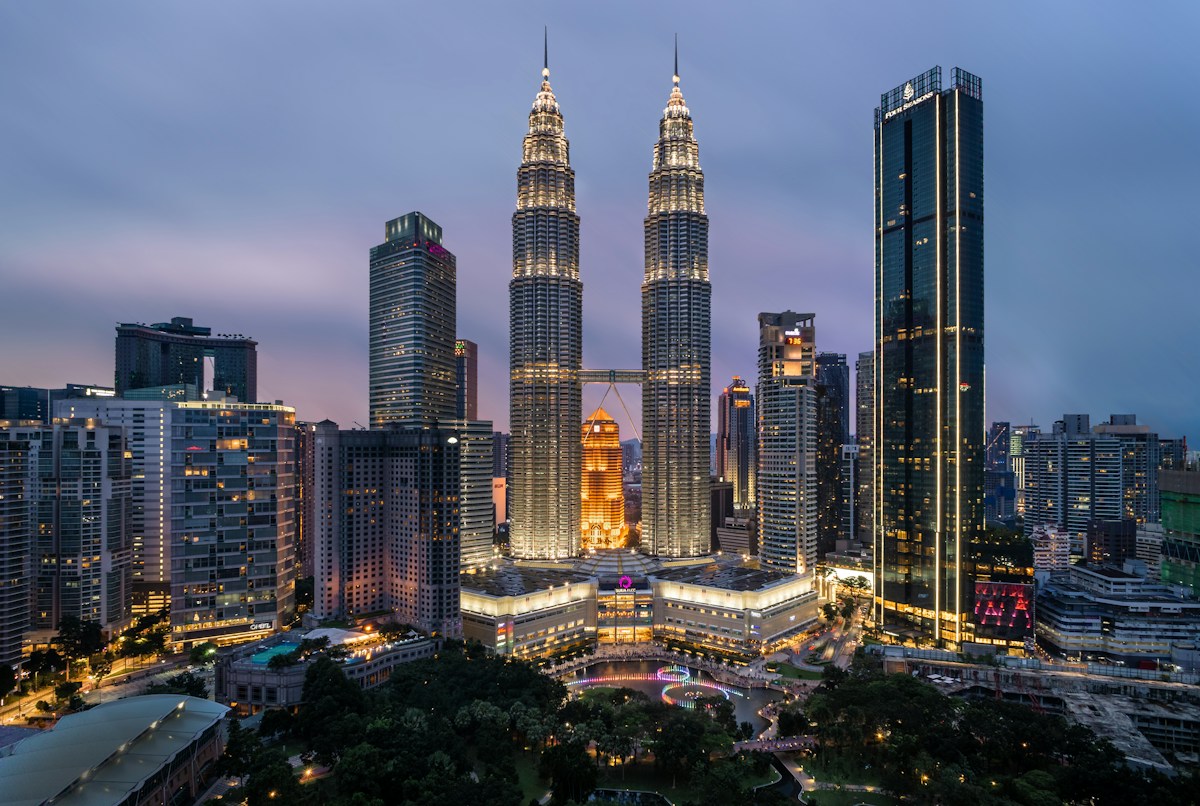
Getting there: Kuala Lumpur International Airport (KLIA) is the main long-haul entry point. Malaysia Airlines, Singapore Airlines, Qatar Airways, and Turkish Airlines serve KL from major European and North American cities. Kuala Lumpur itself warrants 1–2 nights as a stopover — the Petronas Towers, Bukit Bintang, and Batu Caves are worth a half-day each.
Domestic connections: AirAsia dominates domestic routes. Key flight times: KL–Langkawi (1 hour), KL–Penang (1 hour), KL–Kota Kinabalu (2.5 hours).
Visa: Most Western passport holders receive a 90-day visa-free entry to Malaysia on arrival.
Currency: Malaysian Ringgit (MYR). All luxury resorts accept major credit cards; bring cash for hawker centres and markets. Exchange rates are favourable for USD and EUR.
For Couples and Honeymooners
Malaysia's diversity makes it ideal for multi-destination honeymoons. A 10-day itinerary pairing Langkawi (4 nights at The Datai) with Sabah (4 nights combining KK and the Kinabatangan) delivers beach luxury and genuine wildlife immersion — two experiences that complement each other perfectly.
Malaysia proves that a destination can be both sophisticated and underrated. Come before the rest of the world catches up.
Filed under: