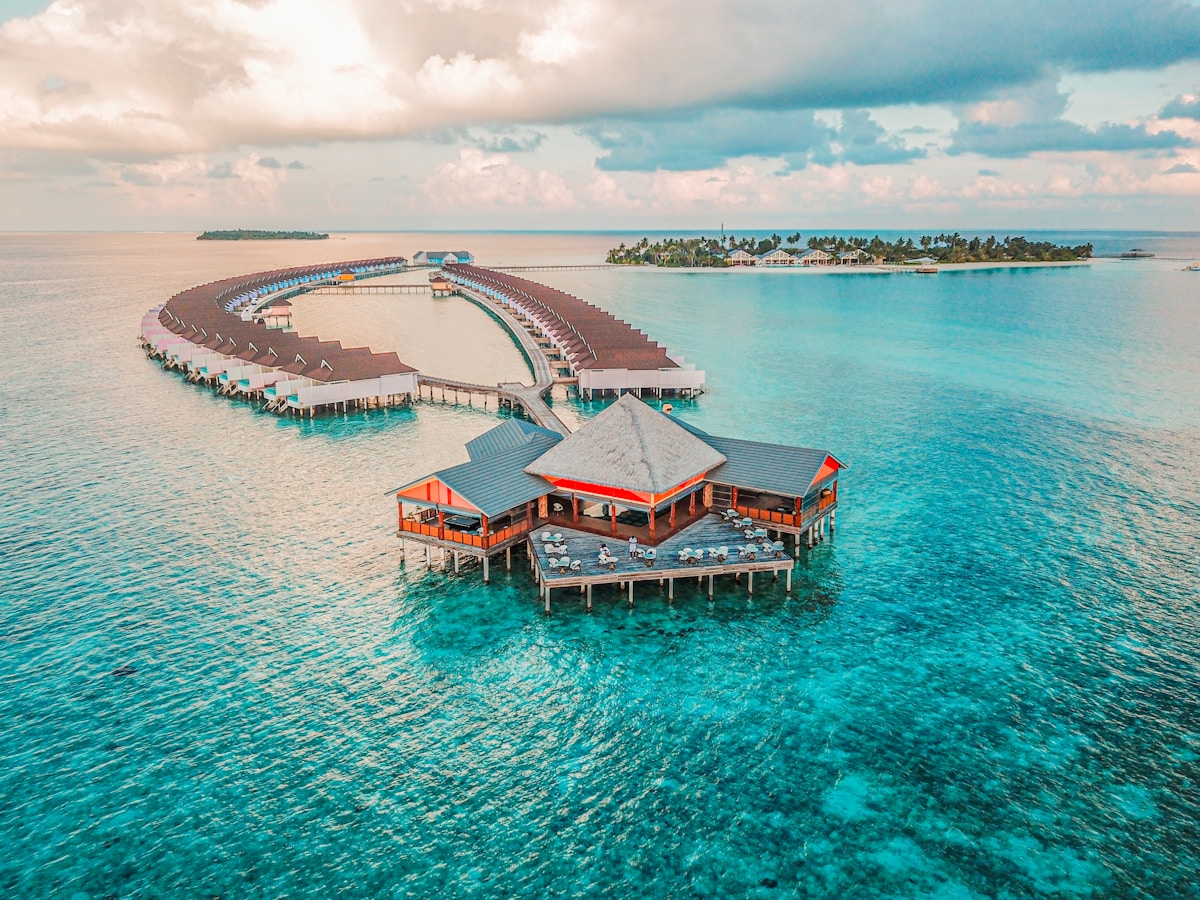
Complete guide to diving and snorkeling in Phu Quoc — An Thoi Islands, best dive sites, coral reefs, and the best time to dive Vietnam's largest island.
Phu Quoc is Vietnam's largest island and its fastest-growing dive destination. The An Thoi Archipelago — a cluster of 15 islands off Phu Quoc's southern tip — offers some of the best diving in the Gulf of Thailand, with healthy coral reefs, diverse marine life, and excellent visibility during dry season.
An Thoi Archipelago
The An Thoi Islands are Phu Quoc's diving hub. Protected as part of Phu Quoc National Park, the archipelago offers 20+ dive sites ranging from shallow coral gardens to deeper walls and pinnacles.
What makes An Thoi special:
- Protected marine park status since 2001
- Healthy hard and soft coral coverage
- Diverse marine life including reef sharks, rays, and turtles
- Accessible by day trip from Phu Quoc (30–45 minutes by boat)
- Less developed than Thai dive destinations
Official information: Phu Quoc National Park - Vietnam National Parks
Best Dive Sites
Fingernail Island (Hon Mong Tay)
Depth: 5–18m | Level: All levels
Phu Quoc's most popular dive site. Sloping coral garden with excellent hard coral coverage. Sea turtles are regularly spotted. Clownfish, lionfish, and moray eels are common. Good for beginners and snorkellers.
Turtle Island (Hon Doi Moi)
Depth: 8–22m | Level: Intermediate
Named for the resident green turtles. Coral-covered pinnacles rising from sandy bottom. Blacktip reef sharks patrol the deeper sections. Excellent visibility (20–25m in dry season).
Dry Island (Hon Kho)
Depth: 10–25m | Level: Intermediate-Advanced
A series of underwater pinnacles with strong currents. Pelagic species including trevally, barracuda, and occasional eagle rays. Best dived on an incoming tide.
Pineapple Island (Hon Thom)
Depth: 5–15m | Level: All levels
Shallow coral gardens perfect for snorkelling and beginner dives. Abundant reef fish. The nearby cable car (world's longest over-sea cable car) makes this a popular day-trip destination.
May Rut Island
Depth: 8–20m | Level: All levels
Coral bommies and swim-throughs. Nudibranchs, sea horses, and octopus make this excellent for macro photography. Less crowded than Fingernail Island.
Marine Life Highlights
Sea turtles: Green and hawksbill turtles are common at Turtle Island and Fingernail Island.
Reef sharks: Blacktip reef sharks are regularly spotted at deeper sites. Not guaranteed but sightings are frequent.
Coral coverage: An Thoi has some of the healthiest coral in the Gulf of Thailand — protection since 2001 shows.
Macro life: Excellent for underwater photography — nudibranchs, sea horses, and octopus are common.
Best Time to Dive Phu Quoc
Best visibility: November–April
The northeast monsoon brings calm Gulf of Thailand conditions and the best underwater visibility (15–25m). December–March is peak season.
Wet season (May–October): Southwest monsoon brings rougher seas and reduced visibility (8–15m). The west coast (Long Beach) is particularly rough. The east coast remains calmer. Some operators suspend trips during the wettest months (July–September).
Water temperature: 27–30°C year-round. A 3mm wetsuit is comfortable.
Weather forecast: Check Vietnam Meteorological and Hydrological Administration for current conditions.
Snorkeling in Phu Quoc
An Thoi Islands are excellent for snorkelling. Most day trips include snorkelling stops at Fingernail Island and May Rut Island. The shallow coral gardens (3–8m) are accessible to snorkellers.
Day trip operators:
- John's Tours (established operator)
- Rainbow Divers (PADI 5-star)
- Flipper Diving Club (budget option)
Prices: ~500,000–800,000 VND per person including lunch and equipment.
Dive Courses in Phu Quoc
Phu Quoc has 10+ dive schools, mostly concentrated in Duong Dong (Long Beach area).
- PADI Open Water: 3–4 days, ~$300–400
- PADI Advanced Open Water: 2 days, ~$250–350
- Discover Scuba Diving: 1 day, ~$80–120
Most courses include dives at An Thoi Islands.
Frequently Asked Questions
Is Phu Quoc good for experienced divers?
Phu Quoc suits beginners and intermediate divers. Experienced divers seeking challenging sites should consider Nha Trang (better wreck diving) or Con Dao (more pelagic species).
How does Phu Quoc compare to Koh Tao for diving?
Koh Tao has more dive schools and cheaper courses. Phu Quoc has healthier coral and fewer divers. Phu Quoc is less developed — better for those seeking a quieter diving experience.
Can I dive Phu Quoc in wet season?
Yes, but conditions are less reliable. The east coast remains calmer than the west. Visibility drops to 8–15m. Some operators suspend trips during the wettest months (July–September).
Filed under: