Two of Southeast Asia's most popular island destinations — Vietnam's Phu Quoc and Indonesia's Bali — offer very different luxury experiences. A detailed comparison to help you choose.
Phu Quoc and Bali are two of Southeast Asia's most compelling island destinations — but they offer fundamentally different experiences. Bali is a cultural powerhouse with 20 years of luxury infrastructure; Phu Quoc is a rapidly developing Vietnamese island that has attracted major international resort brands in the past five years. Choosing between them depends on what you're looking for.
At a Glance
| Phu Quoc | Bali | |
|---|---|---|
| Country | Vietnam | Indonesia |
| Size | 574 km² | 5,780 km² |
| Best season | Nov–Apr | Apr–Oct (south), Nov–Mar (north) |
| Luxury resorts | 15–20 international brands | 100+ luxury properties |
| Cultural depth | Moderate | Exceptional |
| Nightlife | Limited | Extensive (Seminyak, Canggu) |
| Diving/snorkelling | Good (An Thoi archipelago) | Moderate (Nusa Penida excellent) |
| Visa | E-visa (USD $25, 90 days) | Visa on arrival (USD $35, 30 days) |
Luxury Hotels: Phu Quoc
Phu Quoc's luxury scene is concentrated on the island's west coast (Long Beach and Ong Lang Beach) and the southern tip (An Thoi).
JW Marriott Phu Quoc Emerald Bay is the island's flagship property — a 244-room resort designed by Bill Bensley as a fictional 19th-century French university, with a 5-hectare pool complex, private beach, and the Chanterelle restaurant serving refined French-Vietnamese cuisine. The most theatrical resort in Vietnam.
InterContinental Phu Quoc Long Beach occupies a prime west-coast position with 459 rooms and villas, a 1km private beach, and the island's best spa. The Club InterContinental floor offers butler service and private lounge access.
Fusion Resort Phu Quoc takes a wellness-first approach — all-inclusive spa treatments are included in the room rate, a unique offering in Vietnam. 82 pool villas on a quiet stretch of Ong Lang Beach.
Premier Village Phu Quoc offers 84 beachfront villas with private pools — the best option for families, with direct beach access and a kids' club.
Luxury Hotels: Bali
Bali's luxury market is more mature and diverse — from Ubud's jungle retreats to Seminyak's beach clubs and Nusa Dua's resort corridor.
Four Seasons Resort Bali at Sayan (Ubud) — 18 suites and 42 villas in a jungle valley above the Ayung River. The lotus pond reception and the river-level spa are among Bali's most iconic experiences.
Aman Bali (Ubud) — 30 pavilions on a ridge above the Campuhan Valley, with the finest spa in Bali and a 25-metre pool overlooking the jungle. The gold standard for Ubud luxury.
The Mulia Bali (Nusa Dua) — 526 rooms and villas on a 10-hectare beachfront estate. The Mulia Spa is the largest in Bali; the Sunday brunch at Soleil is a Bali institution.
Potato Head Studios (Seminyak) — a design-forward property for travellers who want Bali's beach club scene with boutique hotel comfort. 168 studios with a rooftop pool and direct access to the Potato Head Beach Club.
Culture and Experiences
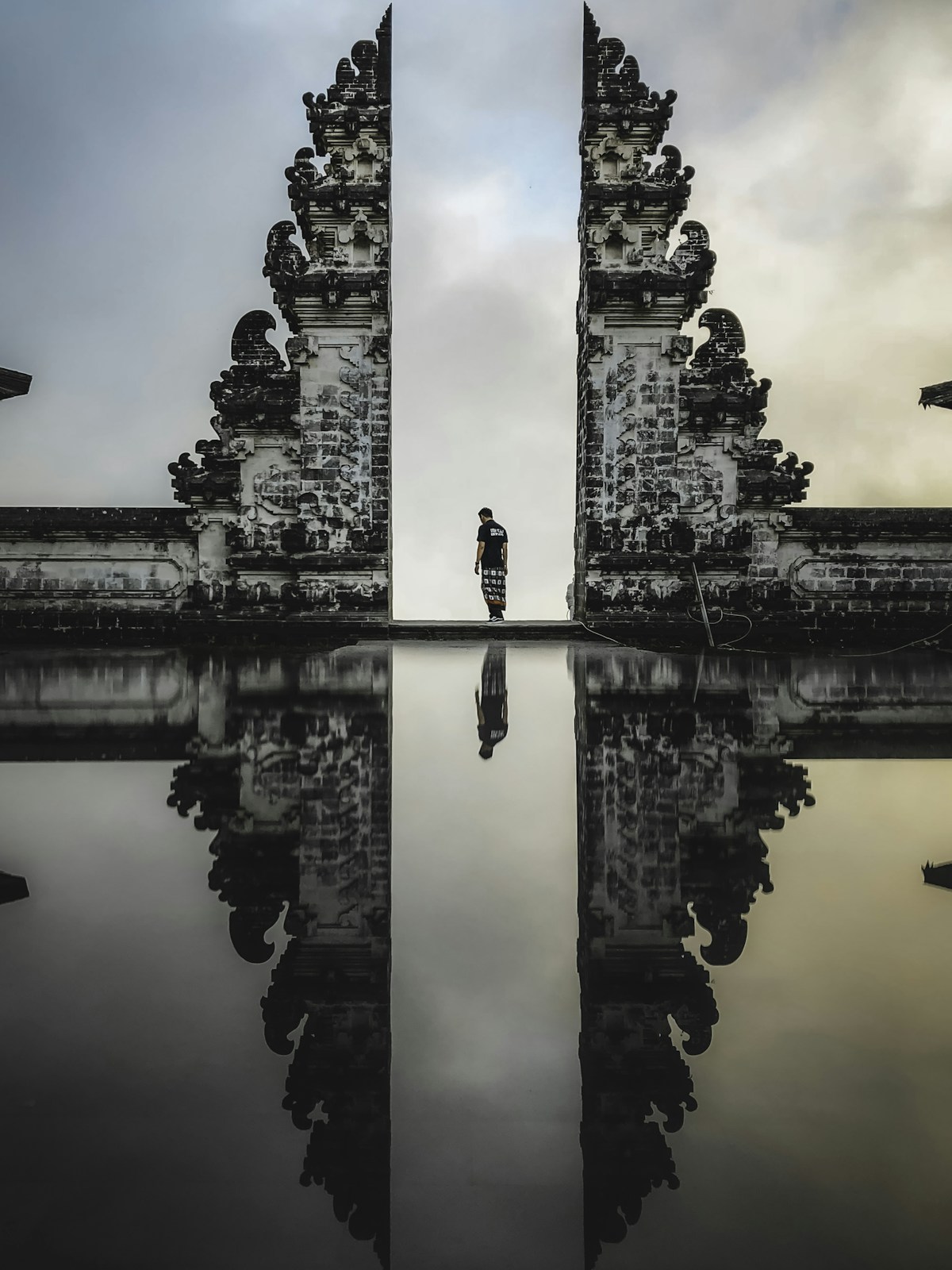
Bali wins decisively on cultural depth. The island has a living Hindu culture — daily temple offerings, cremation ceremonies, traditional dance performances, and a thriving arts scene centred on Ubud. The rice terraces of Tegallalang, the sea temples of Tanah Lot and Uluwatu, and the volcanic landscapes of Mount Batur and Mount Agung provide a richness of experience that Phu Quoc cannot match.
Phu Quoc's cultural offering is more limited — the island's main attractions are its beaches, the An Thoi archipelago (excellent snorkelling and diving), the Phu Quoc National Park (covering 50% of the island), and the pepper plantations and fish sauce factories that made the island famous before tourism arrived. The Phu Quoc National Park is a genuine highlight — 31,422 hectares of primary forest with hiking trails and wildlife.
Beaches
Phu Quoc has some of Southeast Asia's finest beaches — Long Beach (Bai Truong) stretches 20km down the west coast with calm, clear water; Sao Beach on the south coast is consistently ranked among Vietnam's most beautiful. The water is cleaner and less crowded than Bali's main beaches.
Bali's beaches vary enormously — Seminyak and Kuta are crowded and have strong surf (not ideal for swimming); Nusa Dua has calm, protected water; Sanur is quiet and family-friendly. For Bali's best snorkelling and diving, you need to travel to Nusa Penida (1-hour fast boat) or Amed on the northeast coast.
Verdict: Phu Quoc for beaches; Bali for diving variety.
Food and Dining
Both islands have excellent food scenes, but in different ways.
Bali has a more developed international dining scene — Seminyak and Canggu have dozens of world-class restaurants (Locavore in Ubud holds a Michelin star equivalent), beach clubs with celebrity chefs, and a thriving café culture. The local Balinese cuisine (babi guling, bebek betutu, lawar) is exceptional.
Phu Quoc excels at Vietnamese seafood — the island's fish sauce (nuoc mam) is Vietnam's most prized, and the seafood restaurants at Ham Ninh fishing village serve the freshest crab, lobster, and sea urchin at a fraction of Bali prices. The resort restaurants at JW Marriott and InterContinental are genuinely excellent.
Which Should You Choose?
Choose Phu Quoc if:
- You prioritise pristine beaches and calm water over cultural experiences
- You want a newer, less-crowded destination
- You're combining with Ho Chi Minh City or Hanoi
- Budget matters — Phu Quoc's luxury resorts offer better value than comparable Bali properties
Choose Bali if:
- Cultural immersion is important to you
- You want a wider range of experiences (temples, rice terraces, volcano trekking, arts)
- You're travelling with a group with varied interests
- You want a more developed nightlife and dining scene
The ideal trip: Combine both — 4 nights in Phu Quoc for beach relaxation, then 5 nights in Bali for culture and adventure. Both islands are served by direct flights from Singapore, Kuala Lumpur, and Bangkok.
Filed under: