Phuket and Koh Samui are Thailand's two biggest island destinations — but they suit different travellers at different times of year. Here's the 2026 comparison to help you choose the right one.
Phuket and Koh Samui are the two pillars of Thai island luxury — between them they contain the vast majority of Thailand's five-star beach resort inventory. Both have international airports (a major advantage over the ferry-dependent southern islands), both have developed beach club cultures, and both have been destinations for international luxury travellers since the 1980s. But they are counter-seasonal and fundamentally different in character — the right choice is determined first by when you're travelling, and then by what you want.
The Critical Difference: Opposing Seasons
This is the single most important factor in the Phuket vs Koh Samui decision:
Phuket (Andaman coast): Best November–April. Wet season May–October.
Koh Samui (Gulf of Thailand): Best February–October. Wet season November–January.
Translation: If you're travelling in January, Phuket is excellent and Koh Samui is in its wettest month. If you're travelling in August, Koh Samui is excellent and Phuket is in its wet season.
The only months where both destinations are in genuinely good condition simultaneously: February–April (Phuket late dry season, Koh Samui pre-rainy season).
Phuket: The Andaman Coast Classic
What Phuket Does Better
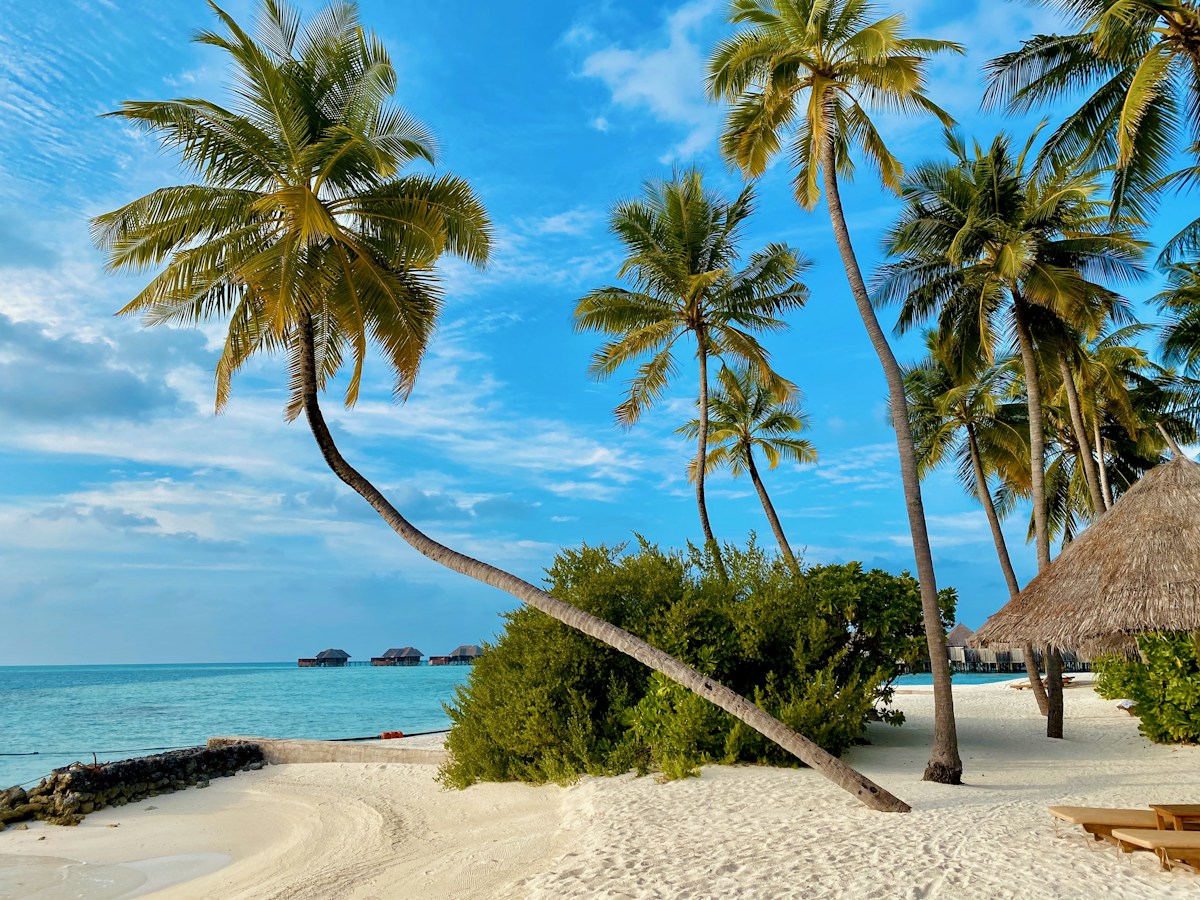
Beach quality (in season): The Andaman coast beaches — Surin, Kamala, Bang Tao, Kata Noi — deliver postcard-quality fine white sand with intensely turquoise water in dry season. The clarity and colour of the Andaman Sea in November–March is exceptional by global standards.
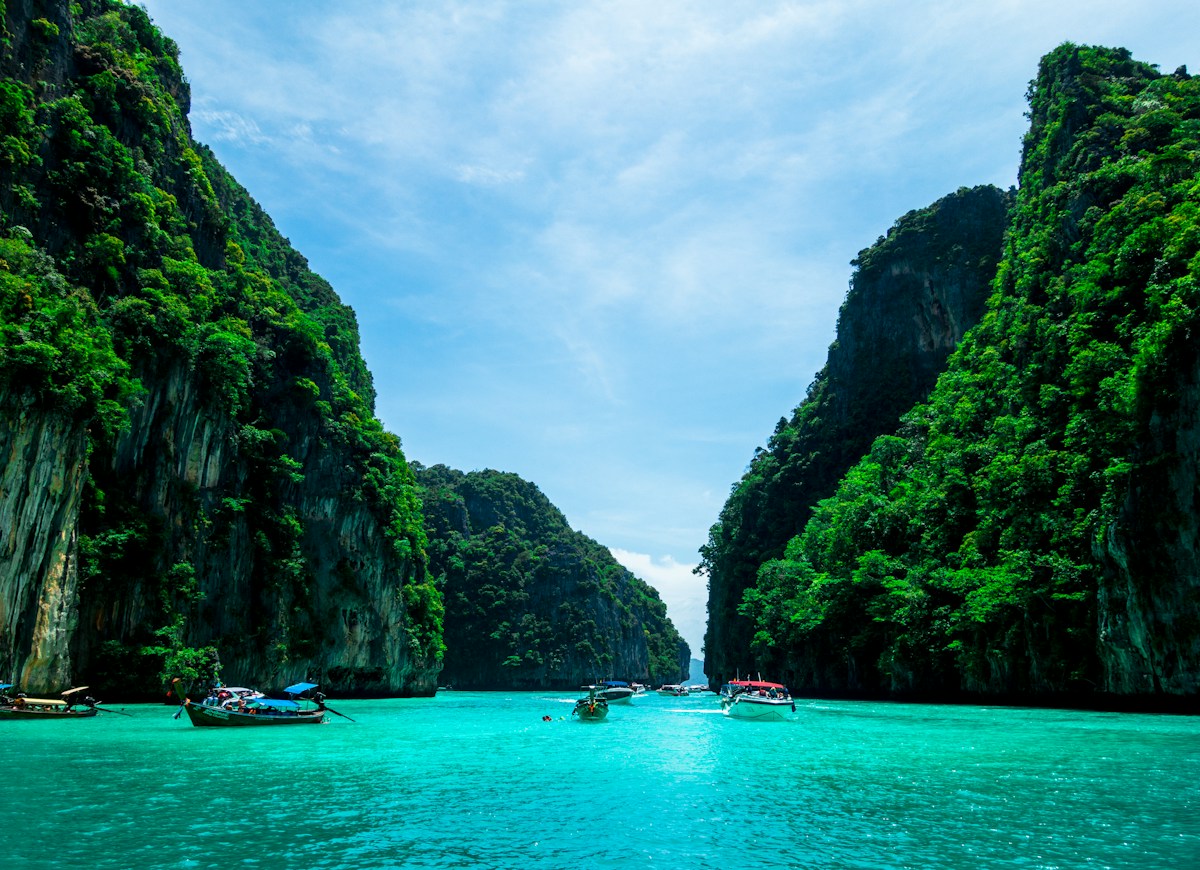
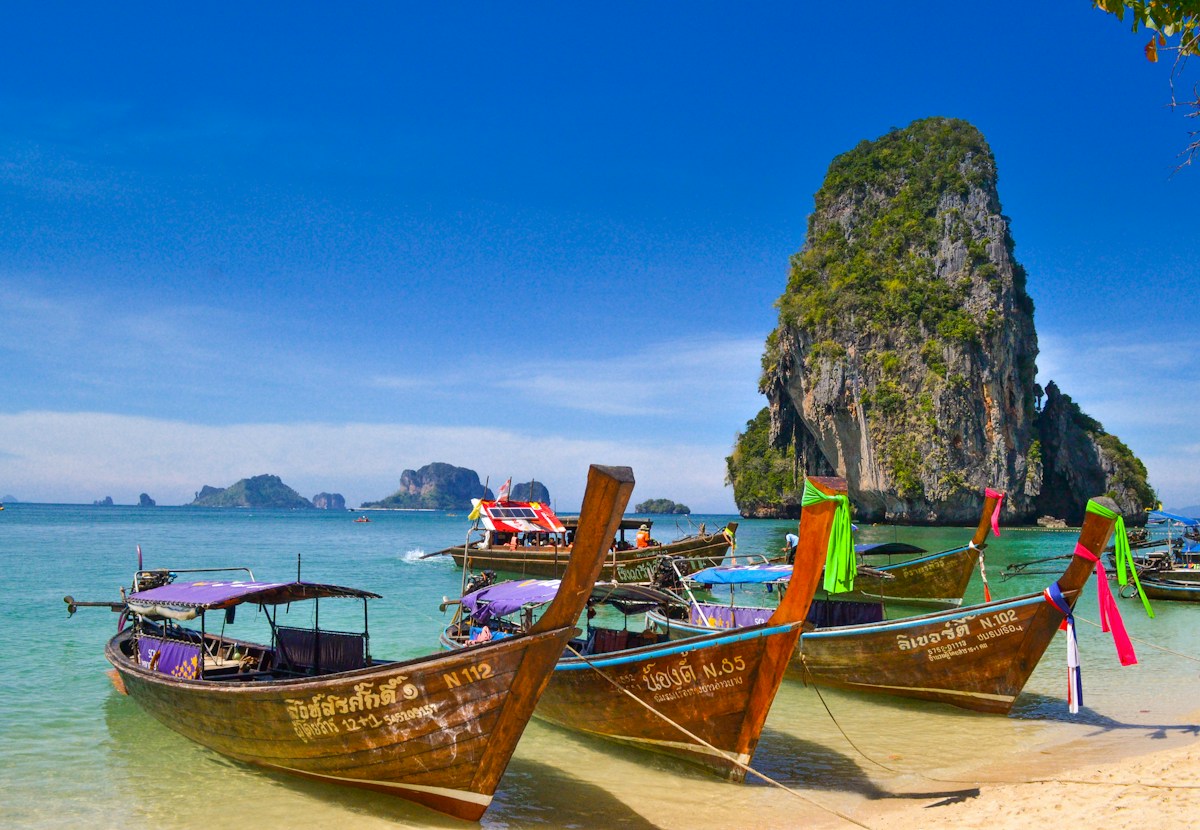
Island hopping: Phuket's position makes it the hub of Thailand's most spectacular island network — Phi Phi (1h speedboat), Racha Yai (45min), Phang Nga Bay (1h, James Bond Island, kayaking through limestone caves), and the Similan Islands (2h, UNESCO marine sanctuary) are all accessible. No Koh Samui equivalent for this range.
Amanpuri: Thailand's most famous luxury property — the first Aman resort (1988), sitting above a private beach on Phuket's north coast with 40 pavilions and 30 villas. The property that defined Andaman coast luxury.
Luxury hotel density: Phuket has Thailand's highest concentration of branded five-star hotels — The Ritz-Carlton, Anantara Layan, Trisara, Rosewood Phuket, Banyan Tree, and the COMO Point Yamu cluster at Cape Yamu deliver a choice unmatched in the region.
Beach clubs: Phuket's beach club culture (Catch Beach Club at Surin, HQ Beach Lounge at Kata, Baba Beach Club at Cape Yamu) is the most developed in Thailand — a full day of pool, sun, and cocktails at a high standard.
Phuket's Limitations
Size and traffic: Phuket is a large island (575 sq km) — without the MRT or ferry connections of other destinations, getting between areas (Patong to Surin, Kata to Rawai) requires taxis or rental transport. Traffic in Phuket Town and the Patong strip is significant in peak season.
Patong: The most visited beach on the island is its most problematic — a dense tourist strip with nightclubs, beach hawkers, and the infrastructure of mass tourism. Quality luxury properties avoid Patong; travellers staying at Surin, Bang Tao, or Cape Yamu are unlikely to visit. But its existence shapes perceptions.
Koh Samui: The Gulf Coast Alternative
What Koh Samui Does Better
Year-round flexibility (with caveats): Koh Samui's Gulf coast position provides good conditions February–October — a longer window than Phuket's November–April optimal period. For travellers planning summer visits (June–September), Koh Samui is the clear choice.
Atmosphere: Koh Samui has a more intimate scale than Phuket — 228 sq km versus Phuket's 576 sq km. The main beach areas (Chaweng, Bophut, Mae Nam, Chaweng Noi) are accessible within 30–45 minutes of each other. The Fisherman's Village in Bophut (Friday night walking street market, local restaurants in converted Sino-Portuguese shophouses) gives the island a sense of local character that the more resort-dominated Phuket beach strips lack.
Six Senses Samui: The clifftop resort on the northeast coast with its natural rock sea pool carved from the granite cliff and its comprehensive wellness program is among Thailand's finest luxury properties.
Four Seasons Koh Samui: Private pool villa estate on the north coast — 60 individual villa residences, each a freestanding property, on a hillside above a private beach. One of Thailand's most complete luxury resort experiences.
Value: Koh Samui's luxury hotels are generally 10–20% cheaper than Phuket equivalents — the smaller market and less international profile creates a modest competitive advantage for travellers.
Koh Samui's Limitations
November is a problem: Koh Samui's wettest month is November — the northeast monsoon hits the east coast directly. The island sees flooding in some years during this period. This is the most common source of dissatisfied traveller reviews for Koh Samui.
Island hopping is more limited: Koh Samui's surrounding islands — Koh Phangan (30min), Koh Tao (1h30min), Koh Nang Yuan — are excellent but fewer in number than Phuket's extensive Andaman circuit. Ang Thong Marine National Park (45 min, the model for the fictional Ko Phi Phi in The Beach novel) is the standout day trip.
Beach water clarity: The Gulf of Thailand water is generally slightly less dramatically clear than the Andaman — still excellent, but the deep turquoise colour of the Andaman coast in dry season is a distinctive advantage for Phuket.
Head-to-Head Decision Guide
| You should choose Phuket if: | You should choose Koh Samui if: |
|---|---|
| Travelling November–April | Travelling May–October |
| Island hopping is on the agenda | Intimate resort atmosphere matters |
| Beach club culture is important | Wellness retreat is the focus |
| Amanpuri or Trisara is the hotel | Six Senses or Four Seasons is the hotel |
| You want the widest luxury hotel choice | You want a quieter, more local character |
| February–March specifically | June–September specifically |
What Both Destinations Share
- Direct international airport (no ferry required from mainland)
- Extensive luxury hotel portfolio with international brand representation
- Developed restaurant and bar scenes
- Well-organised private transfer infrastructure
- Thailand's standard healthcare (regional hospitals of decent standard in both)
- Similar climate at equivalent seasons
Practical Planning Notes
Phuket peak: December–February is the busiest period and the most expensive. Book 3–4 months ahead for Amanpuri, Trisara, and Ritz-Carlton in this window.
Koh Samui peak: January–March and July–August are the busiest. Six Senses and Four Seasons book up 2–3 months ahead in these windows.
Combining: A 10–12 night Thailand itinerary can include both — Bangkok (3 nights) + Phuket (4 nights, dry season) or Bangkok (3 nights) + Koh Samui (4 nights, wet season counter-seasonal). Phuket–Koh Samui is not a practical one-day journey (no direct flights; requires Bangkok stopover or overnight ferry via Surat Thani), so the combination is usually done as separate trips.
For Thailand tourism information: Tourism Authority of Thailand
For Thailand e-Visa: Thailand e-Visa Portal
Explore our guides to Phuket beach clubs & nightlife, Koh Samui luxury resorts, Krabi luxury resorts, and Thailand island hopping for more Thailand island inspiration.
Filed under: