Southeast Asia contains some of the richest marine biodiversity on Earth. From Raja Ampat's world-record reef to the Maldives' whale shark routes — the ten best dive destinations for every level of experience.
Top 10 Diving Destinations in Southeast Asia
Southeast Asia is home to the Coral Triangle — the world's centre of marine biodiversity, encompassing Indonesia, the Philippines, Malaysia, and Papua New Guinea. This region contains more species of coral, fish, and marine life than anywhere else on Earth. Combined with the Maldives to the west and the Andaman Sea to the north, Southeast Asia offers some of the world's best and most varied diving experiences.
Here are the ten destinations that belong on any serious diver's list.
1. Raja Ampat, Indonesia — The World's Richest Reef
Raja Ampat in West Papua hosts more marine species per square metre than anywhere on Earth. Over 1,500 species of fish, 700 species of mollusc, and 600 species of coral have been recorded in its waters. The diving ranges from shallow macro photography sites (nudibranchs, pygmy seahorses, walking sharks) to epic drift dives through channels filled with schools of barracuda and hammerheads.
Best time: October–April. Level: Intermediate to advanced for the strong drift sites; beginners can dive the sheltered bays. Browse Raja Ampat hotels.
2. Palawan, Philippines — Shipwrecks and Reefs
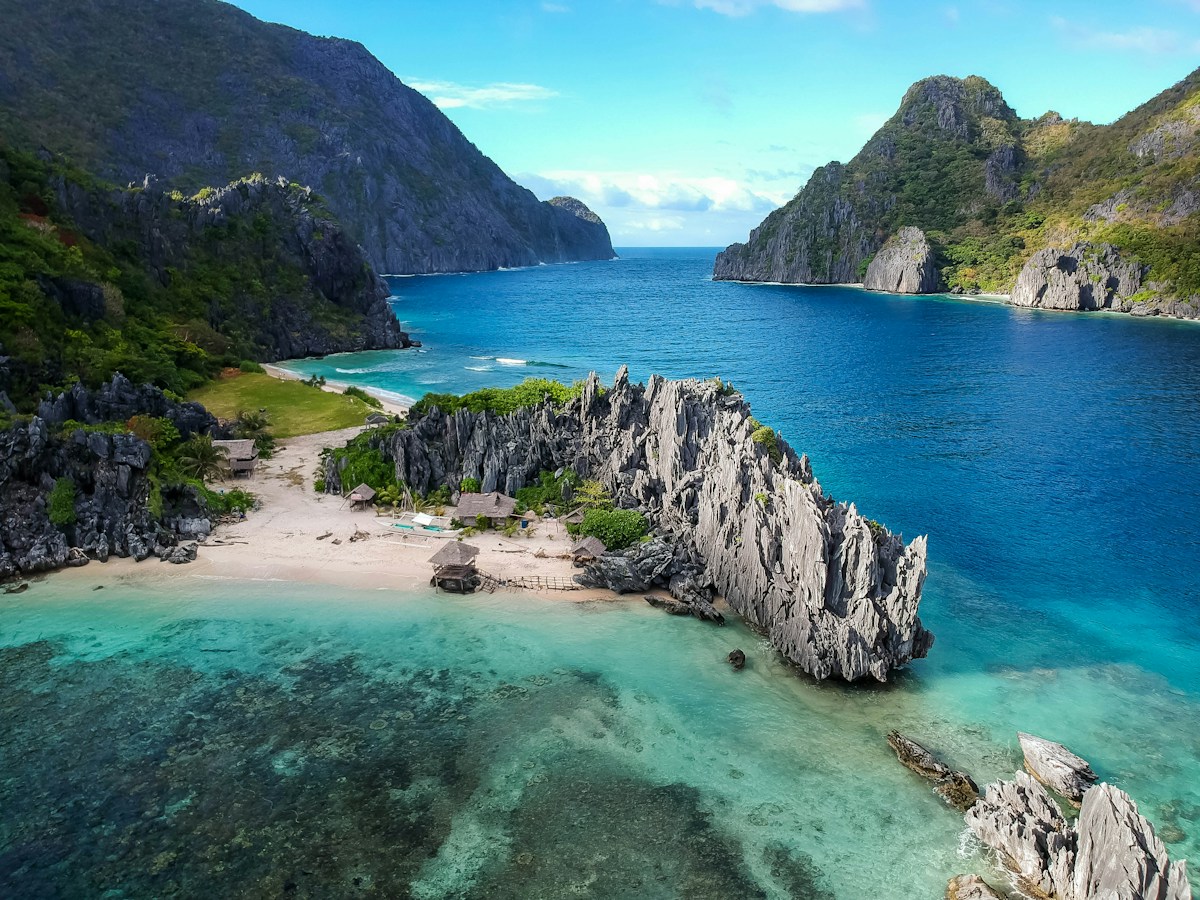
Palawan offers two completely different diving experiences. El Nido sits amid the Bacuit Archipelago's coral gardens — excellent reef diving with healthy hard and soft coral. Coron is one of the world's best wreck diving destinations: the Japanese WWII fleet sunk in 1944 rests in 10–40 metres of water, encrusted with coral and inhabited by lionfish, batfish, and sea turtles.
Best time: November–May. Level: All levels for El Nido; wreck experience recommended for Coron. Browse Palawan hotels.
3. Maldives — Mantas, Whale Sharks, and Drift Dives
The Maldives offers a unique style of diving — fast-moving channel dives where the tidal flow brings pelagic life past the reef. Manta rays congregate at cleaning stations year-round; whale sharks are most predictable at South Ari Atoll (November–May). The visibility is exceptional — routinely 20–30 metres.
Best time: December–April for calm conditions on most atolls. Level: Intermediate for channel dives; beginners can dive the lagoon sites. Explore South Ari Atoll.
4. Sipadan, Malaysia — Protected Pelagics
Sipadan, off the coast of Sabah in Borneo, is frequently cited as one of the world's top five dive sites. Diving is strictly controlled — only 120 permits issued per day — which means pristine, uncrowded reefs and extraordinary density of life. Barracuda Point, where a permanent school of barracuda tornado overhead, is among the most spectacular sights in diving.
Best time: April–December. Level: All levels, with advanced sites for those seeking the deeper walls.
5. Phuket & Similan Islands, Thailand — Andaman Sea Diversity
Phuket serves as the gateway to some of Thailand's best diving. Day trips reach Shark Point and Anemone Reef; multi-day liveaboards access the Similan Islands (seasonal, November–May) — one of the Indo-Pacific's most biodiverse reef systems.
Best time: November–May (Similan season). Level: All levels. Browse Phuket hotels.
6. Komodo, Indonesia — Dragons and Deep Drop-offs
Komodo National Park combines the above-water drama of Komodo dragons with some of Southeast Asia's most dramatic underwater terrain: sheer walls dropping to 200+ metres, manta cleaning stations, and strong currents bringing cold, nutrient-rich water that supports extraordinary fish diversity.
Best time: April–August for the cold-water upwelling that brings in the mantas. Level: Intermediate to advanced.
7. Tubbataha Reef, Philippines — Remote Wilderness Diving
Tubbataha, in the Sulu Sea, is a UNESCO World Heritage Site accessible only by liveaboard from Puerto Princesa. The walls are pristine — no day boats, strictly controlled access — and the pelagic life includes grey reef sharks, hammerheads, and giant manta rays. This is bucket-list diving.
Best time: March–June (liveaboard season only). Level: Intermediate to advanced.
8. Bali — Macro, Manta Rays, and the Mola Mola
Bali's most famous dive site, Nusa Penida, offers two completely different experiences: manta ray cleaning stations at Manta Point, and the extraordinary mola mola (ocean sunfish) — the world's heaviest bony fish — which rises from the deep July–October when cold water upwells off the island.
Amed on Bali's northeast coast offers excellent macro diving — including the famous USAT Liberty shipwreck at Tulamben. Browse Bali hotels.
Best time: July–October for mola mola; year-round for mantas. Level: All levels.
9. Koh Tao, Thailand — Best for Learning to Dive
Koh Tao has earned its reputation as the world's most popular place to learn to dive, with warm, calm water, good visibility, and dozens of excellent dive schools. More than 100,000 PADI Open Water certificates are issued on Koh Tao each year. The reefs, while less pristine than Sipadan or Raja Ampat, are ideal for building skills and confidence.
Best time: November–April. Level: Beginners to intermediate. Accessible via ferry from Koh Samui. Browse Koh Samui hotels as a base.
10. Langkawi, Malaysia — Accessible Reef Diving
Langkawi offers accessible reef diving without the crowds of Thailand's major dive centres. The reefs around the Dayang Bunting and Pulau Payar Marine Park are healthy and the sites are easy for beginners. Dive operators offer certified PADI courses for first-timers.
Best time: November–April. Level: All levels. Browse Langkawi hotels.
Planning a Diving Holiday in Southeast Asia
Liveaboard or resort-based? For remote destinations (Raja Ampat, Tubbataha, Komodo, Sipadan), liveaboard is the only option or offers significantly better dive access. For Bali, Phuket, and Palawan, resort-based diving with day-boat operators is convenient and excellent.
Equipment: Most dive operators rent full equipment. If you dive regularly, bringing your own wetsuit, mask, and computer ensures comfort and reliability.
Certification: PADI Open Water is the minimum for most sites. Advanced Open Water opens up deeper dives; Rescue Diver qualification is recommended for remoter destinations.
Book your diving resort accommodation through our Booking.com and Agoda partners for real-time availability.
Filed under: