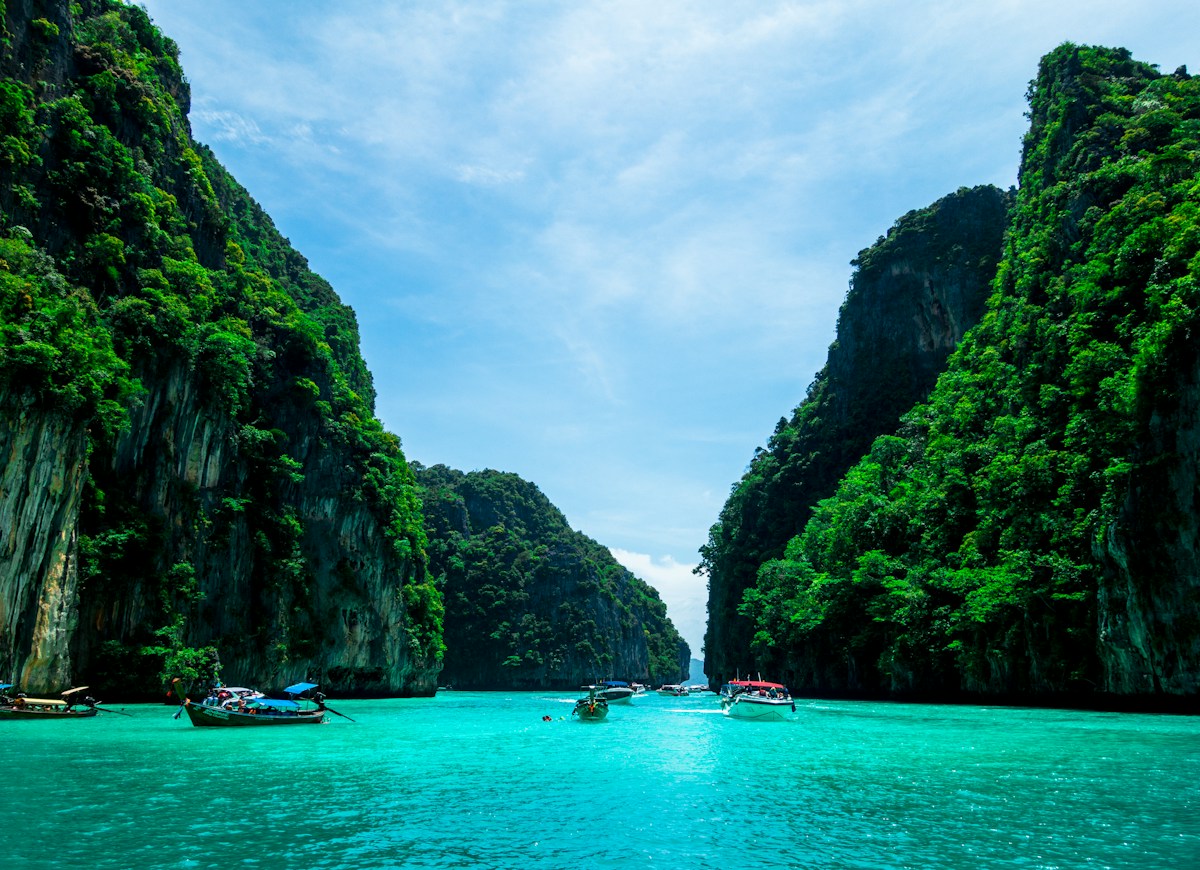
Vietnam's extraordinary 1,650km length means it offers perfect winter sun in the south, UNESCO heritage towns in the centre, and dramatic karst bay landscapes in the north — all in a single trip.
Vietnam in Winter: The Western Traveller's Complete Guide
Vietnam is Southeast Asia's most versatile winter destination. Stretching 1,650 kilometres from north to south, it contains beach islands with perfect December sunshine, one of Asia's most beautiful ancient towns, and Ha Long Bay — 1,600 limestone islands rising from jade-green water in one of the world's most extraordinary natural landscapes. For European and American winter travellers, the December–March window unlocks the best of the south and centre simultaneously.
Understanding Vietnam's Weather
Vietnam's shape means different regions peak at different times:
- Phu Quoc and the south: Dry season November–April. Hot, sunny, excellent beach conditions.
- Hoi An and Da Nang (central coast): At its best February–August. December–January brings overcast skies and occasional rain.
- Ha Long Bay and the north: Coolest and occasionally misty December–February; best weather April–October, but dramatically beautiful year-round.
The smartest winter itinerary starts south (Phu Quoc beach), moves centre (Hoi An from February), then north (Ha Long Bay if timing allows).
Phu Quoc: Vietnam's Beach Island
Phu Quoc is Vietnam's largest island, sitting in the Gulf of Thailand near the Cambodian border. It has transformed over the past decade from a quiet fishing island into one of Southeast Asia's most polished beach destinations, with an international airport, luxury resort corridor, and direct connections from Singapore and Bangkok.
Why it works for winter: Phu Quoc's location gives it a sheltered microclimate largely bypassed by the northeast monsoon. December through April is consistently sunny, warm (~30°C), and calm — ideal conditions for swimming and snorkelling.
Best beaches:
- Sao Beach (Bai Sao): Often ranked among Vietnam's finest — shallow turquoise water, powdery white sand, less crowded than the main strip.
- Long Beach (Bai Truong): The west coast's main beach, with the best sunset views and most concentrated resort choice.
- Ong Lang Beach: Quietest accessible beach; favoured by boutique properties.
Best hotels on Phu Quoc:
- JW Marriott Phu Quoc Emerald Bay — the island's flagship luxury property: a faux-colonial campus resort on a private crescent bay with six restaurants and impeccable service.
- Aman Phu Quoc — Aman's Vietnam flagship on the island's least-developed northern tip. Maximalist jungle-meets-sea design with direct beach access and the brand's signature silence.
- InterContinental Phu Quoc Long Beach — reliable five-star with excellent beachfront positioning and strong family amenities.
Getting there: Phu Quoc Airport (PQC) receives direct international flights from Singapore (~1.5 hours), Bangkok (~1.5 hours), and Kuala Lumpur. From Europe, connect via Singapore (Singapore Airlines) or Bangkok.
Hoi An & Da Nang: Culture Meets Coast
Da Nang is Vietnam's most rapidly evolving coastal city, with excellent beaches immediately adjacent to the centre — and the UNESCO heritage town of Hoi An just 30 minutes south by taxi. The combination makes it one of Southeast Asia's most complete short-stay destinations.
Hoi An Ancient Town is genuinely spectacular — a 2km² pedestrianised old town of 16th-century Japanese merchant houses, Chinese assembly halls, and French colonial architecture, all immaculately preserved and UNESCO-protected. The tailoring district is world-famous: bespoke garments cut and delivered within 24 hours at dramatically lower prices than European equivalents.
Best time: February–August for the central coast. December–January brings overcast skies and occasional rain — manageable but not ideal for beach stays.
Best hotels near Hoi An and Da Nang:
- Four Seasons Resort The Nam Hai (15 minutes from Hoi An) — 100 private pool villas on Ha My Beach; one of Vietnam's finest resort properties.
- Anantara Hoi An Resort — positioned directly on the Thu Bon River in the old town; the most atmospheric location, within walking distance of everything.
- Shilla Monogram Quang Nam Danang — oceanfront luxury on My Khe Beach, ideal for those prioritising beach access with city convenience.
Ha Long Bay: Vietnam's Great Natural Wonder
Ha Long Bay — 1,600 limestone karst islands and islets rising from the jade-green Gulf of Tonkin — is one of the world's great natural landscapes. A UNESCO World Heritage Site since 1994, it is best experienced on a 2–3 night overnight junk boat cruise, which gives access to hidden caves, uninhabited beaches, and kayaking routes impossible to reach on day trips from Hanoi.
Best time: April–October for warm, clear conditions. December–February is cool (~18–22°C) and sometimes misty — atmospheric, but not beach weather.
Cruise tiers:
- Standard: Paradise Cruises entry-level options — solid value, though mooring areas can be crowded at peak times.
- Luxury: Bhaya Cruises Classic Collection — mahogany junk boats with 10–16 private cabins, private sun decks, and excellent Vietnamese cuisine throughout.
- Ultra-luxury: Heritage Line Ylang — the bay's finest vessel; 20 suites, onboard pool, wine cellar, and expert-guided excursions to untouched caves. Books 6+ months ahead in peak season.
Getting to Ha Long Bay: Hanoi (3.5 hours by road, or 45 minutes by seaplane) is the gateway city. Most cruise operators provide Hanoi hotel pick-up.
The Classic 12-Night Vietnam Winter Itinerary
- Days 1–4: Phu Quoc (beach, snorkelling, resort relaxation)
- Day 5: Fly north to Da Nang (~2 hours domestic)
- Days 5–9: Hoi An area (Four Seasons, old town, tailors, day trips)
- Day 10: Fly to Hanoi (~1.5 hours)
- Days 10–12: Ha Long Bay overnight cruise (2 nights)
- Day 13: Return from Hanoi (or extend with Sapa rice terraces via overnight train)
Practical Tips
Visa: An e-visa is required for most European and American nationalities (90-day single entry, approximately $25; apply online 5–7 days ahead). Several EU nationalities enjoy visa exemption for stays up to 45 days — check the official Vietnam immigration portal before applying.
Domestic flights: Vietnam Airlines and Bamboo Airways connect all major cities efficiently. Book 4–6 weeks ahead for December–March peak travel.
Currency: Vietnamese Dong (VND). Withdraw at airport ATMs; all luxury hotels accept Visa and Mastercard.
Food: Vietnamese cuisine is among Asia's finest — pho, banh mi, bun cha, fresh spring rolls. Street food is safe at reputable stalls; at resort-level restaurants, the quality is world-class.
Time zone: ICT (UTC+7) — 7 hours ahead of London in winter. Jet lag is minimal compared to East Asian destinations for American travellers, and very manageable from Europe.
Explore luxury hotels in Ha Long Bay through our Booking.com and Agoda partners for real-time pricing and availability.
Filed under: